
New 2026 Flips/Converter Dollies/Jeeps Trailers For Sale in Texas
Shop new 2026 flip axles, converter dollies, and jeeps for heavy haul trailers. Compare capacities, axle spacing, suspension, and fitment.
Selling a new 2026 flips/converter dollies/jeeps trailer? List your new 2026 flips/converter dollies/jeeps trailer for sale and reach thousands of commercial buyers.
New 2026 Flips/Converter Dollies/Jeeps Trailers in Texas
Frequently Asked Questions about New 2026 Flips/Converter Dollies/Jeeps Trailers in Texas
What is the difference between a flip axle, a jeep, and a converter dolly?
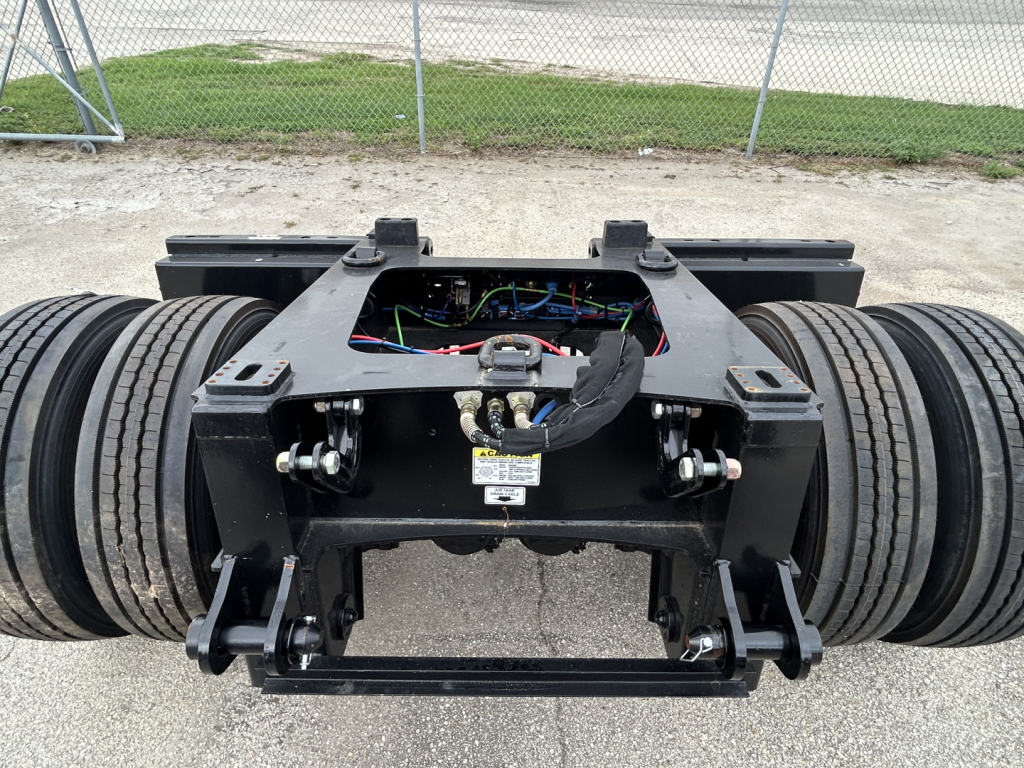
A flip axle is an add-on axle group that mounts to the rear of a lowboy or detachable trailer to increase axle count and help distribute payload. A jeep mounts between the tractor and trailer, adds one or more axles at the front of the combination, and changes kingpin-to-axle spacing for heavier permitted loads. A converter dolly is typically used to connect and support trailer combinations, but in heavy haul discussions the term is sometimes grouped with jeeps and other axle-adding components because all of them affect weight distribution, bridge law compliance, and overall combination length.
What specs matter most when buying a new flip axle or jeep?
The most important specs are axle spacing, rated capacity, suspension type, brake size, tire size, deck or platform width where applicable, and the exact connection system used with the trailer. Common examples in this category include 25,000-lb axles, 54-inch to 60-inch axle spacing, air ride suspension, 16.5-inch by 7-inch brakes, and 255/70R22.5 or 275/70R22.5 tires. Buyers should also confirm the included pins, top links, shims, limit chains, electrical plug configuration, and ride-height controls because small hardware differences can create expensive fitment issues.
Why does axle spacing matter so much on heavy haul attachments?
Axle spacing affects bridge law calculations, permitted gross weight, turning behavior, and how the trailer carries the load across multiple axles. A 54-inch spacing and a 60-inch spacing can produce different legal and operational results depending on the trailer, state rules, and the load being moved. Matching the attachment to the trailer manufacturer’s design and to the permit states you run is critical because the wrong spacing can limit legal capacity even if the axle itself is rated for the weight.
Are air ride suspensions common on new flip axles and jeeps?
Yes. Air ride is common because it helps equalize load across the axle group, improves ride quality for the trailer and cargo, and makes it easier to fine-tune ride height when connecting the attachment. Many buyers also look for leveling valves with on-off controls, which can simplify setup during attachment and removal. Suspension design should always be reviewed with the trailer’s intended load range, axle capacity, and state permit requirements in mind.
What features are commonly included on new heavy haul flip axles?
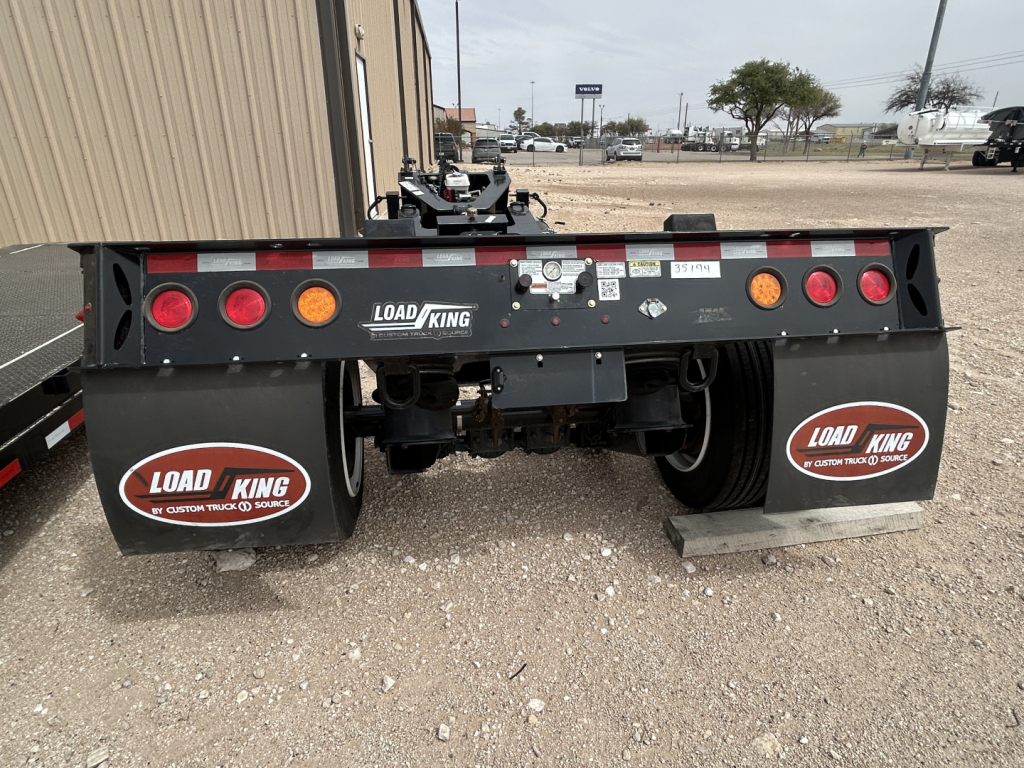
Many new units are equipped with LED lighting, sealed wiring harnesses, stainless tail light packages, strobe provisions, flag holders, stake pockets for wide load signs, D-rings, and a mix of steel inner and aluminum outer wheels. On heavy haul setups, these are not cosmetic extras. They support permit compliance, visibility, securement, and day-to-day usability in the field. Buyers should verify that the lighting connectors, brake components, and mounting hardware match the trailer they plan to run so the attachment is ready for service without fabrication or rewiring.