
New 2026 Flips/Converter Dollies/Jeeps Trailers For Sale
Shop new 2026 flip axles, converter dollies, and jeeps for heavy haul setups, with key specs on spacing, suspension, brakes, and compatibility.
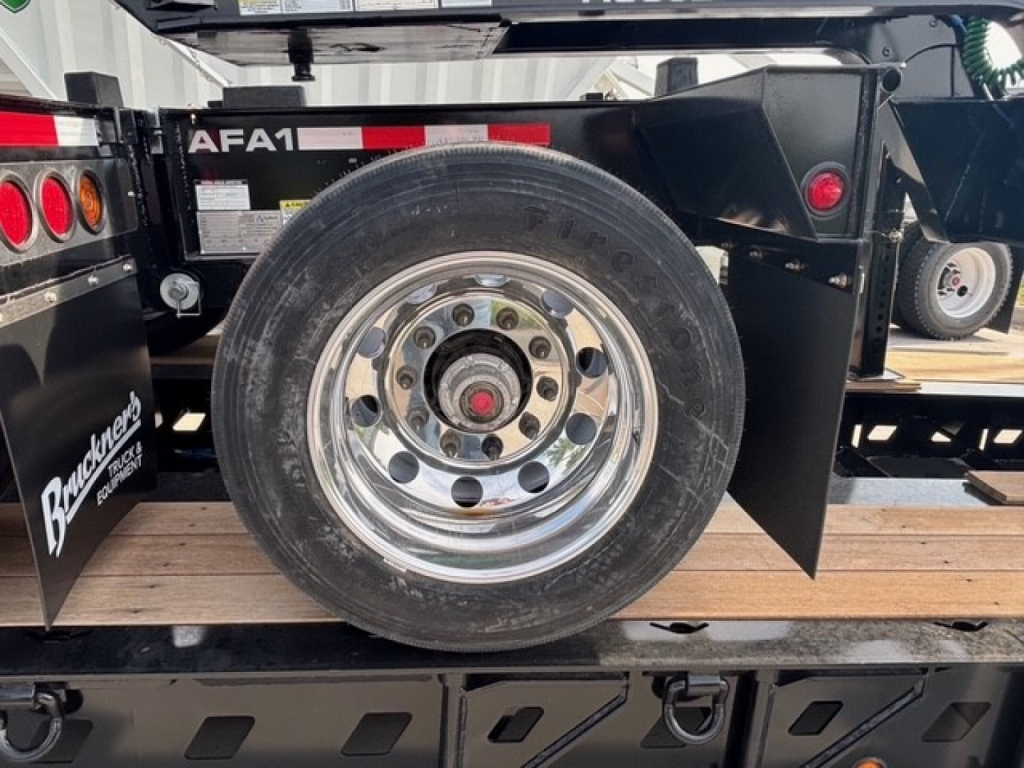
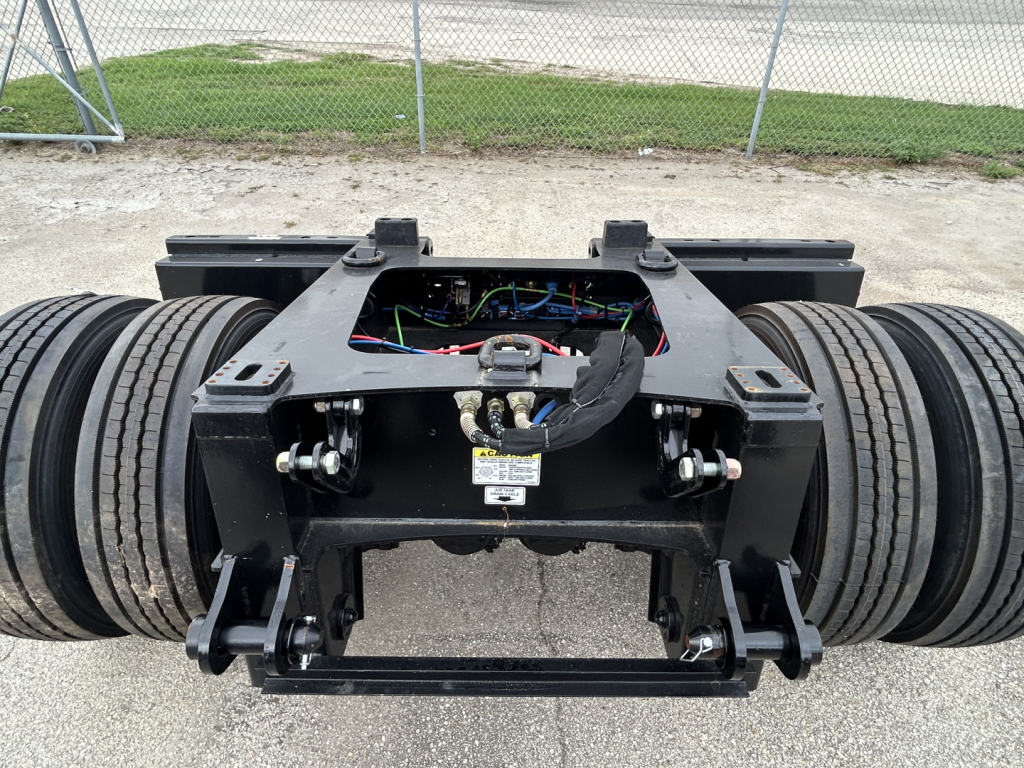
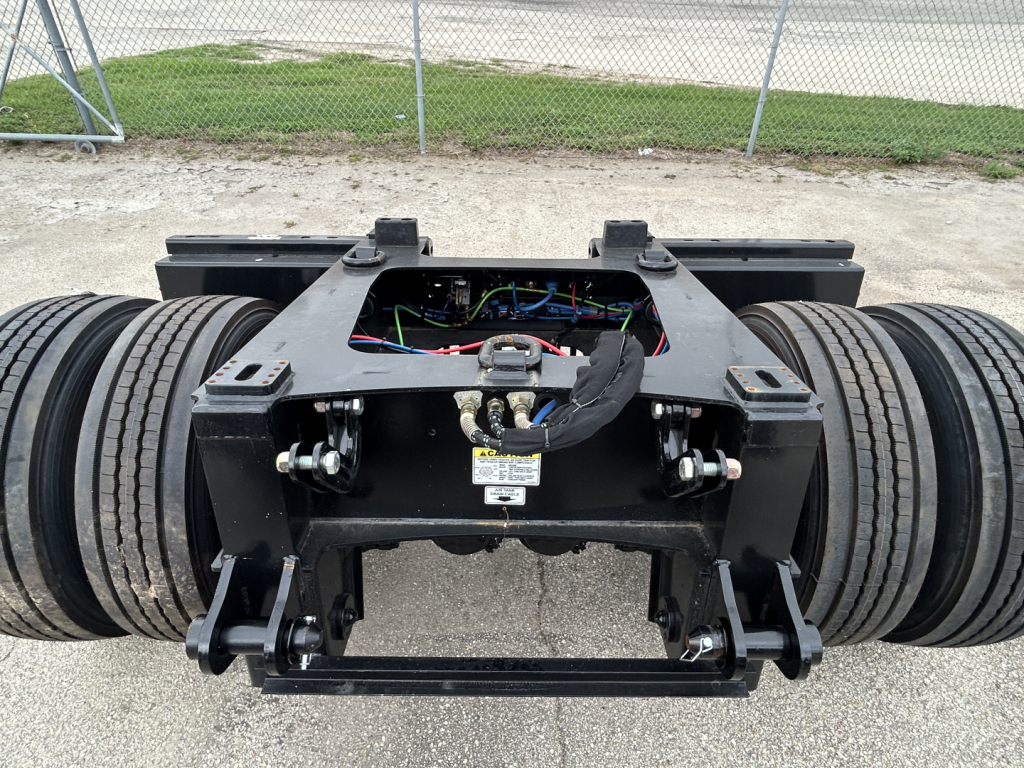
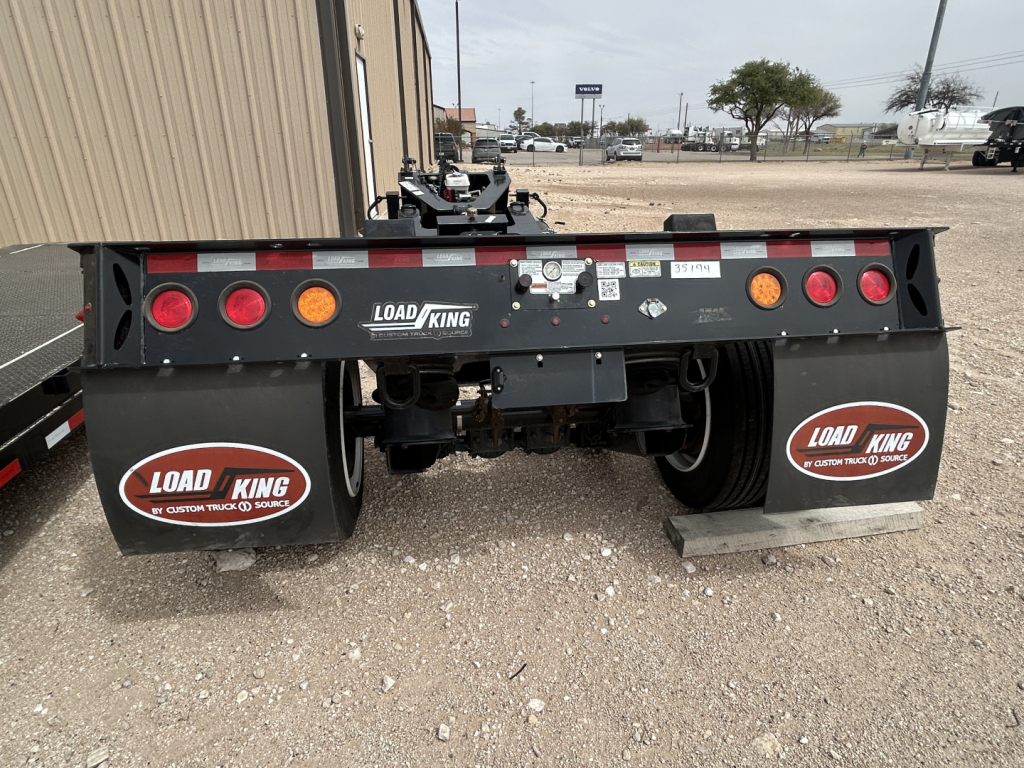
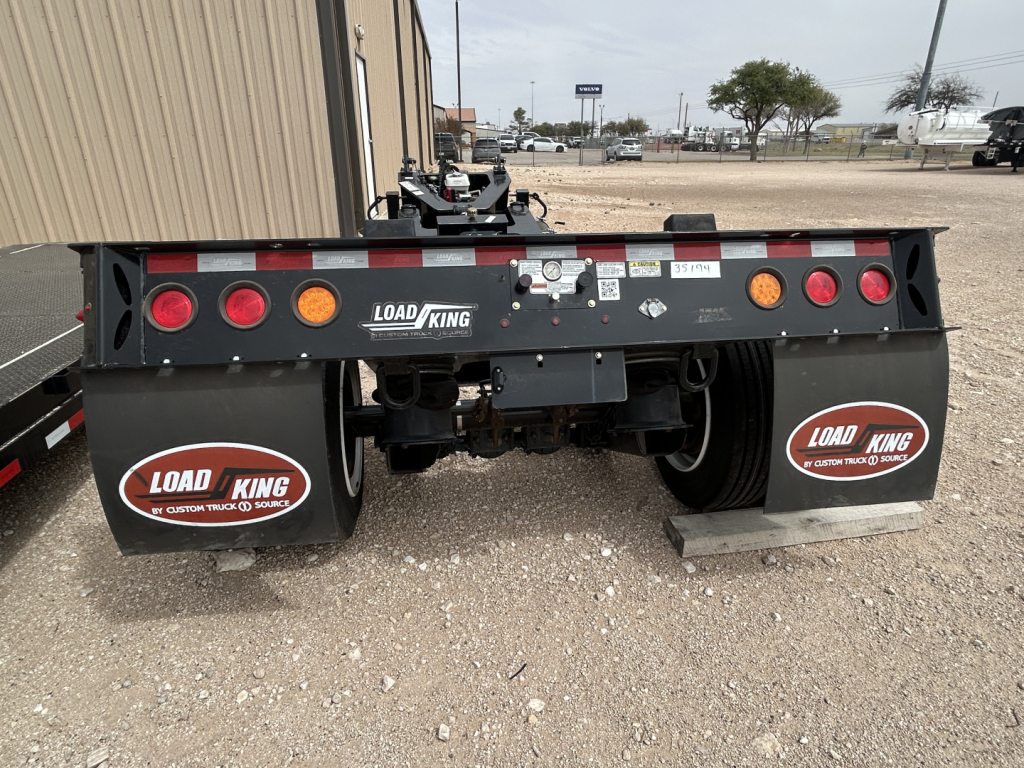
Selling a new 2026 flips/converter dollies/jeeps trailer? List your new 2026 flips/converter dollies/jeeps trailer for sale and reach thousands of commercial buyers.
New 2026 Flips/Converter Dollies/Jeeps Trailers
Compatibility is the first thing to verify. Flip axles are commonly matched to 35-ton, 45-ton, and 60-ton class lowboys and often come with axle spacing in the 54-inch to 60-inch range, plus deck widths around 102 inches or wider 108-inch heavy haul formats. Buyers should confirm suspension capacity, axle rating, brake size, ride height, and connection hardware so the added axle group works correctly with the trailer's design. Common specs in this category include 25,000-lb to 27,500-lb axles, air ride suspension, 16.5-inch brakes, hub-piloted wheels, 255/70R22.5 or 275/70R22.5 tires, independent leveling valves, limit chains, and sealed 12V electrical harnesses. On rear flip configurations, details like full-width apitong decking, D-rings, flag holders, stake pockets for wide-load signs, and strobe lighting packages matter because they support legal operation and day-to-day usability.
A jeep or converter dolly has to do more than add axles. It has to maintain stable tracking, proper load transfer, and predictable braking under heavy gross weights. For jeeps, pay close attention to kingpin settings, fifth wheel height, drawbar arrangement, steerability if equipped, and how the unit affects overall bridge length. For converter dollies, the key issues are tongue design, pintle compatibility, suspension type, ABS and lighting integration, and how easily the dolly can be serviced across a fleet. Buyers running multi-state oversize and overweight work should think in terms of complete combination performance, including permit flexibility, turning radius, loaded deck height, and the ease of changing configurations between jobs.
New-model equipment in this class is attractive for operators who want current brake components, fresh suspension, clean electrical systems, and known compatibility from day one. Heavy haul fleets often value standardized tire sizes, wheel packages with aluminum outer and steel inner wheels, LED lighting, and suspension isolation or booster bracket options that simplify setup and reduce downtime. The smartest comparison is not just price. It is how well the flip axle, jeep, or converter dolly fits the trailer it will work with, the tonnage it must carry, and the permit environment it will face every week.
Frequently Asked Questions about New 2026 Flips/Converter Dollies/Jeeps Trailers
What is the difference between a flip axle, a jeep, and a converter dolly?
A flip axle is a removable rear axle group that attaches to a lowboy or detachable trailer to increase capacity and help with weight distribution. A jeep is placed between the tractor and the trailer and adds one or more axles plus extra bridge length ahead of the trailer. A converter dolly is a separate axle assembly with a drawbar that converts one connection style to another and is commonly used to link units in a combination. Each serves a different role in heavy haul setup, so the correct choice depends on where additional axle capacity and length are needed.
How do I know if a new flip axle will fit my trailer?
Start with the trailer manufacturer and series, then verify the intended tonnage class, connection style, ride height, axle spacing, and suspension capacity. Matching the attachment points, brake system, electrical plug, and tire and wheel package is critical. Buyers should also confirm whether the trailer is designed for a mechanical, air, or booster-assisted flip arrangement and whether any shims, support brackets, or isolation kits are required. A flip axle that is close on paper but not built for the trailer can create load distribution and alignment problems.
What axle and suspension specs are common in this category?
Many new heavy haul flips and related axle groups use 25,000-lb to 27,500-lb axles with air ride suspension, 16.5-inch brakes, and 22.5-inch rubber. Common tire sizes include 255/70R22.5 and 275/70R22.5, often paired with steel inner wheels and aluminum outer wheels. Axle spacing frequently falls in the 54-inch to 60-inch range, depending on the trailer platform and capacity target. Exact ratings and spacing should always be checked against the trailer and the intended permit states.
Why do axle spacing and overall bridge length matter so much on heavy haul equipment?
Axle spacing and bridge length directly affect how legal weight can be distributed across the combination. Many state permit formulas look at the distance between axle groups and the total spread from steer axle to rear trailer axle group. A properly configured jeep or flip can make the difference between a permitted load and a load that requires a different route or a different trailer setup. That is why heavy haul buyers look closely at kingpin-to-axle dimensions, spread, and how the equipment changes the full combination footprint.
What features on new units improve day-to-day use and compliance?
Practical features matter because these components are handled, connected, and inspected constantly. LED lighting, sealed wiring harnesses, strobe or third-tail-light packages, limit chains, leveling valves, D-rings, flag holders, and stake pockets for wide-load signs all support safer and faster operation. Air ride suspension can help with load stability and ride quality, while standardized tire sizes and common brake components simplify parts stocking and service. On a heavy haul setup, small specification details can save significant time during setup, loading, and roadside inspections.