
New 2026 Wabash Trailers For Sale
Shop new 2026 Wabash trailers for sale, including dry vans, flatbeds, and drop decks with fleet-ready specs and durable construction.
Selling a new 2026 wabash trailer? List your new 2026 wabash trailer for sale and reach thousands of commercial buyers.
New 2026 Wabash Trailers
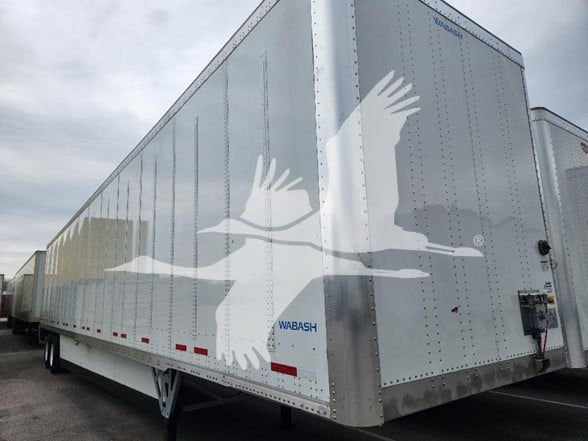
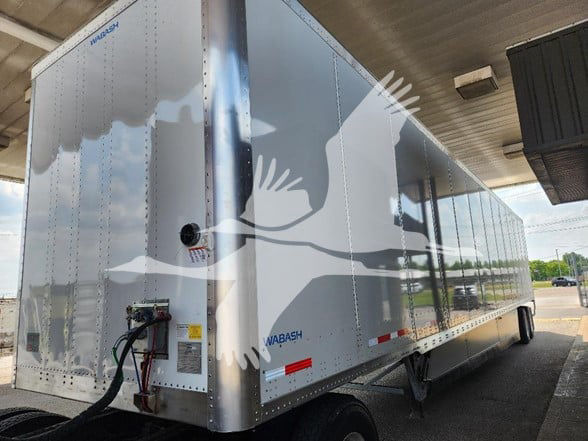
On dry van trailers, Wabash is well known for fleet-spec features that affect operating cost and trailer life. Common specs include air ride suspension, slider tandems with auto pin pullers, tire inflation systems, side skirts, logistics posts, aluminum roofs, and swing doors with durable composite construction. Galvanized rear frames, ICC bumpers, and landing gear bracing matter in corrosion-prone regions and heavy drop-and-hook service. For distribution work, interior logistics tracks, door durability, floor rating, and tare weight have a direct impact on cube utilization, forklift use, and maintenance expense over the life of the trailer.
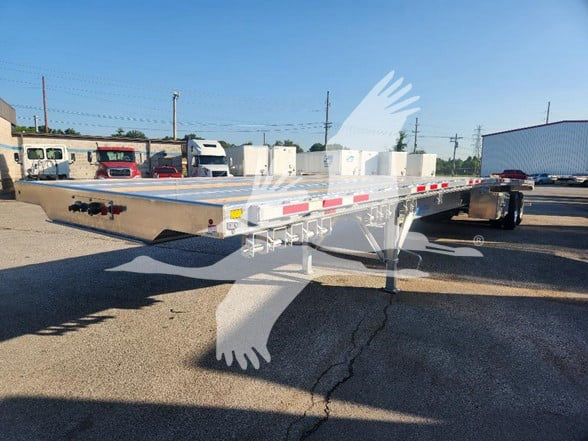
On Wabash flatbeds and drop decks, buyers should pay close attention to deck construction, beam rating, axle layout, and securement equipment. Typical configurations include 53-foot trailers with 102-inch width, aluminum or combo construction, integrated winch tracks, sliding winches, pipe spools, apitong nail strips, and air ride suspension. Rear axle slide and spread axle setups can help with bridge law compliance and load positioning, especially in states like California where axle placement matters. For step deck applications, top deck and bottom deck length, ramp packages, load levelers, toolbox capacity, and tire size all affect how well the trailer handles equipment, stacked freight, and mixed-height loads.
A new 2026 Wabash trailer is usually evaluated on payload efficiency, durability, and resale strength. Aluminum and combo flatbeds reduce tare weight for higher payload, while steel-heavy specs can make sense for harsher jobsite conditions and repeated concentrated loading. On van trailers, suspension brand, kingpin setting, wheel-end spec, and aerodynamic equipment should be matched to the tractor and duty cycle. Buyers running regional freight may prioritize versatility and low maintenance, while long-haul fleets often look harder at weight, fuel economy, and standardization across the trailer pool. The best choice is the spec that fits freight first, then balances empty weight, repairability, and compliance.
Frequently Asked Questions about New 2026 Wabash Trailers
What types of new 2026 Wabash trailers are most common?
The most common new Wabash trailer types are dry vans, flatbeds, and drop decks, also called step deck trailers. Dry vans are used for enclosed general freight and high-volume distribution. Flatbeds are built for open-deck freight that needs crane, forklift, or side loading. Drop decks are preferred when cargo height is an issue because the lower main deck provides added clearance while still allowing strong payload capability.
What should I look for in a new Wabash dry van trailer?
The most important dry van specifications are suspension type, tandem slider function, interior logistics capacity, floor durability, door construction, corrosion protection, and aerodynamic equipment. Air ride suspension helps protect freight and reduce trailer shock. Features like PSI tire inflation systems, side skirts, galvanized rear structures, and composite swing doors can lower operating cost and improve trailer uptime. Buyers should also confirm the trailer matches their forklift traffic, pallet count, and dock use.
What matters most when buying a new Wabash flatbed or drop deck trailer?
Deck material, axle configuration, weight rating, and securement layout are the key buying points. Aluminum and combo trailers usually offer lower tare weight, which helps maximize payload, while steel components can be better suited to tougher loading environments. Spread axles, sliding rear axles, integrated winch tracks, sliding winches, and pipe spools all affect how easily the trailer handles different load sizes and legal weight distribution. For drop decks, ramp kits, deck lengths, and load levelers are especially important for equipment hauling.
Are Wabash spread axle and sliding axle trailers useful for bridge law compliance?
Yes. Spread axle and sliding axle configurations give operators more flexibility in balancing a load and meeting state bridge and axle spacing rules. A sliding rear axle can be particularly useful when freight dimensions or state regulations require a different axle position. This is important for carriers that run multiple jurisdictions or handle varied commodity types, because legal positioning can change by load and route.
Is a lighter trailer spec always the better choice?
Not always. A lighter trailer usually improves payload capacity and fuel efficiency, but the right spec depends on freight and operating conditions. Aluminum and combo construction are strong choices for weight-sensitive operations, especially where every pound of payload matters. Heavier-duty steel components can be the better long-term choice for concentrated loads, rough yards, frequent dock impacts, or severe service. The best trailer is the one that balances tare weight with structural durability and maintenance requirements.