
New 2026 Wabash Trailers For Sale in Illinois
Shop new 2026 Wabash trailers for sale, including dry vans, flatbeds, and drop decks with fleet-ready specs for freight efficiency.
Selling a new 2026 wabash trailer? List your new 2026 wabash trailer for sale and reach thousands of commercial buyers.
New 2026 Wabash Trailers in Illinois
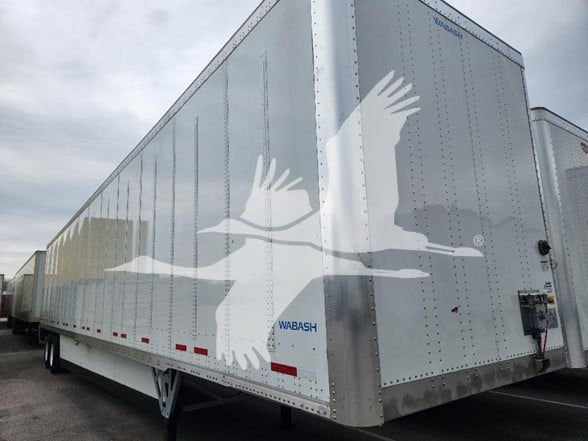
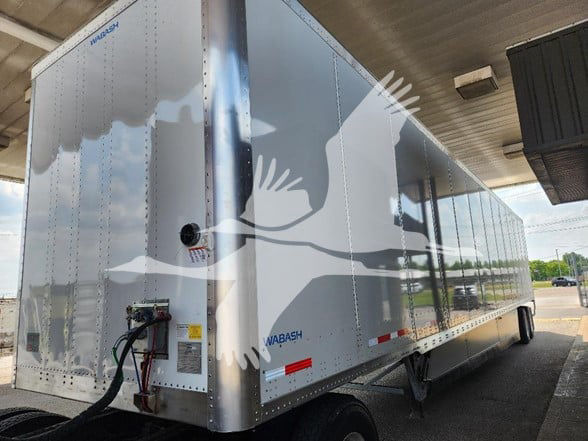
For dry van buyers, common specs include aluminum roofs, composite or swing doors, logistics posts in 24-inch or 50-inch spacing, aerodynamic side skirts, and air ride suspensions from suppliers such as Hendrickson. Tire inflation systems like PSI are a frequent fleet spec because they help control irregular wear and reduce roadside downtime. On a 53-foot van, logistics track spacing matters more than many buyers expect. Tighter spacing generally gives shippers and carriers more load securement options for mixed freight, LTL, and higher-value cargo. Galvanized rear frames, landing gear braces, and corrosion-resistant components are also worth attention in Illinois and other Upper Midwest markets where winter road treatment can shorten component life.
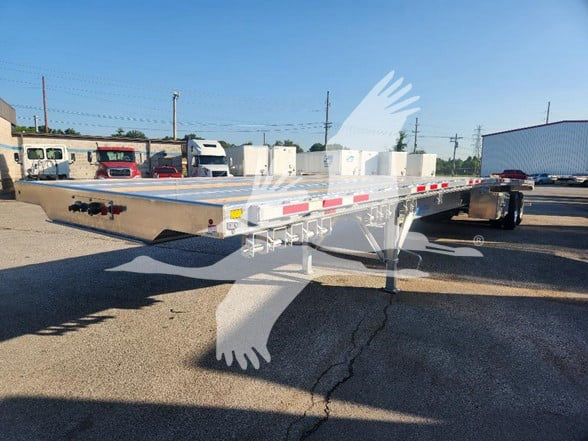
On Wabash flatbeds and drop decks, spec choices usually center on aluminum versus combo construction, spread axle versus sliding axle setups, California legal bridge compliance, and the tie-down package. Buyers hauling coils, bundled steel, lumber, pipe, or crated machinery should look closely at winch track placement, number of sliding winches, multi-position tie downs, rear axle dump valves, and flooring systems such as Lock Rite. A drop deck adds lower deck height for taller freight that needs legal height compliance without permitting, while a standard flatbed keeps deck access simple for forklifts and side-loading. Ramp compatibility can also matter if the trailer will handle self-propelled equipment.
Wabash has long been a strong name in fleet trailer spec'ing because the platform can be ordered with practical, uptime-focused features instead of cosmetic add-ons. For a buyer comparing listings, the smartest approach is to match the trailer to freight before comparing price alone. Axle spread, wheel and tire package, landing gear protection, lighting count, rear plug configuration, and securement hardware all affect how useful the trailer will be on real loads. In Illinois operations, corrosion protection, tire management systems, and durable suspension specs are especially relevant because trailers often see a mix of interstate miles, rough weather, and heavy dock or yard use.
Frequently Asked Questions about New 2026 Wabash Trailers in Illinois
What types of 2026 Wabash trailers are most common on the market?
The most common 2026 Wabash trailer types are dry vans, flatbeds, and drop decks. Dry vans are used for enclosed freight, palletized shipments, and dock-to-dock hauling. Flatbeds are built for open-deck freight such as steel, lumber, and construction materials. Drop decks are chosen when the load needs lower deck height to stay within legal overall height limits without moving to a specialized heavy haul trailer.
What should I look for in a new Wabash dry van trailer?
The most important dry van specs are suspension type, logistics post spacing, roof and door construction, aerodynamic equipment, and corrosion resistance. Air ride suspension helps protect freight and improves ride quality. Logistics spacing such as 24-inch or 50-inch centers affects cargo securement flexibility. Aluminum roofs and composite doors help manage weight and durability. Side skirts can improve fuel economy in long-haul use, and galvanized structural components are a strong advantage in regions with winter salt exposure.
How do I choose between a Wabash flatbed and a Wabash drop deck?
Choose a flatbed if most loads can ride at standard deck height and need easy loading from the side or rear with forklifts or cranes. Choose a drop deck if you regularly haul taller equipment, crated freight, or machinery that would exceed legal height on a standard flatbed. The lower main deck on a drop deck creates more height clearance, which can reduce permit needs and expand the range of legal loads the trailer can handle.
Why are spread axles, axle slides, and CA legal setups important?
These axle configurations affect bridge law compliance, weight distribution, and route flexibility. A spread axle setup can improve load balance and carrying capability for certain freight, but it may limit maneuverability in tight spaces. A sliding rear axle gives more flexibility to shift weight and adapt to varying load positions. A California legal setup is important for fleets that run western lanes and need a trailer configured to meet that state's stricter bridge and axle requirements.
Are tire inflation systems and galvanized packages worth paying for on a new trailer?
In many fleet and owner-operator applications, yes. Automatic tire inflation systems help maintain correct pressure, which can extend tire life, improve fuel efficiency, and reduce roadside service events. Galvanized components protect vulnerable areas such as rear frames, braces, and understructure parts from corrosion. For buyers running in Illinois and similar climates, these options can improve long-term durability and help reduce maintenance costs over the life of the trailer.