
New 2026 Traveling Axle Trailers For Sale
Shop new 2026 traveling axle trailers with low load angles, hydraulic slide systems, air ride suspensions, and heavy equipment hauling capacity.
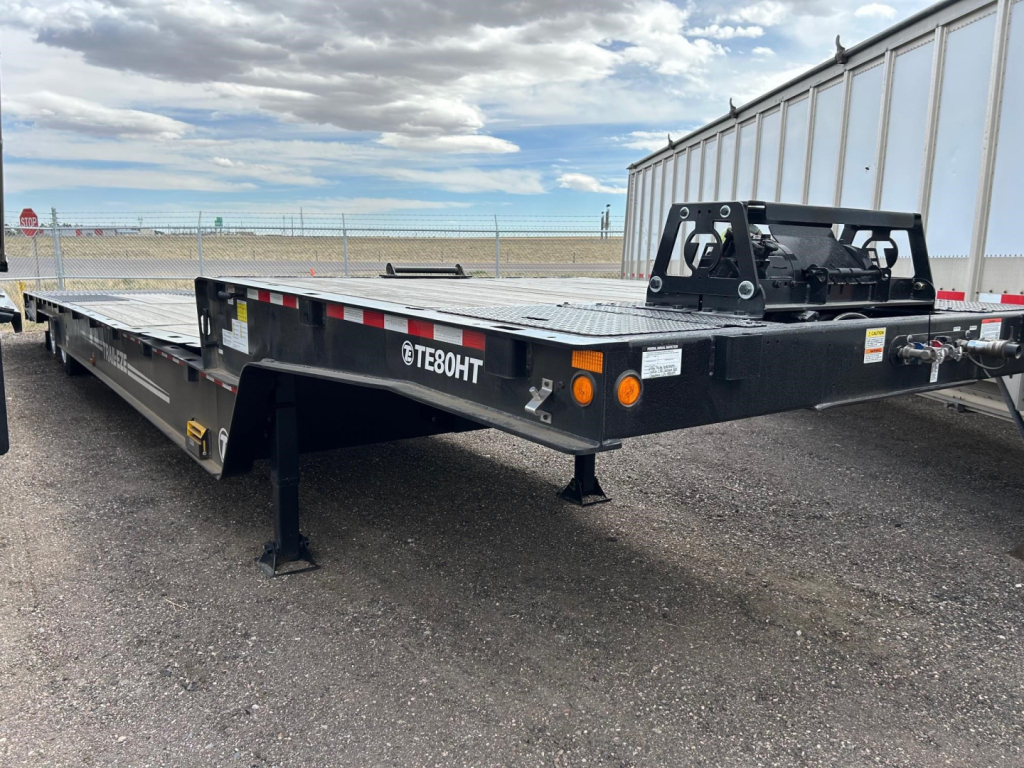
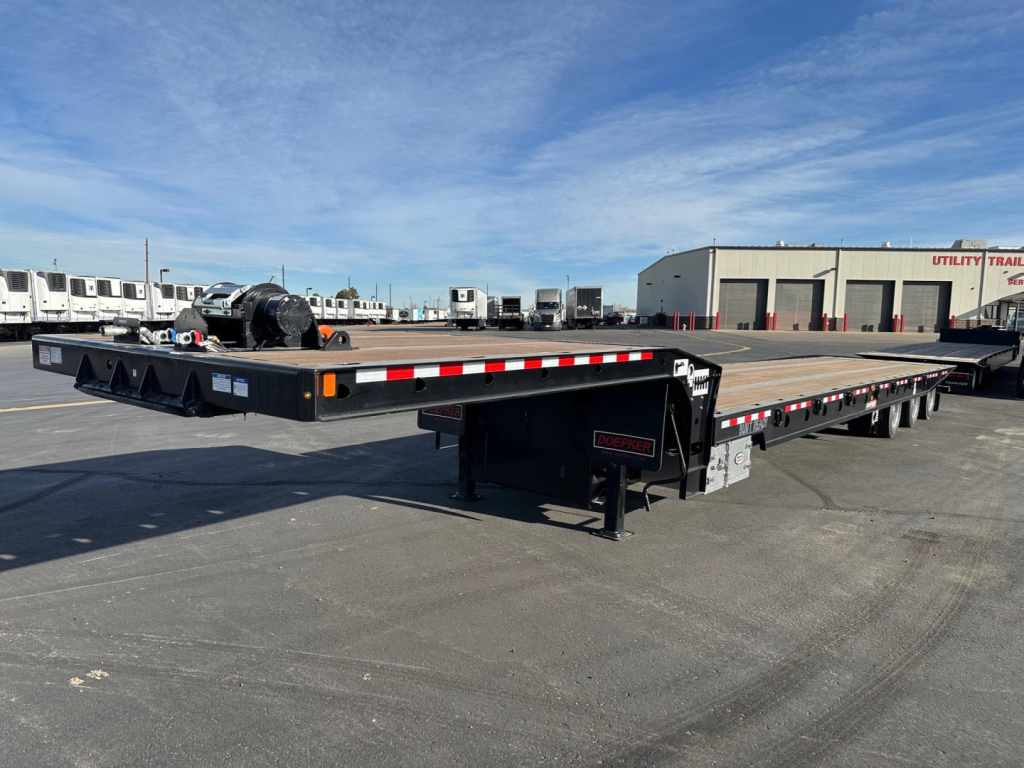
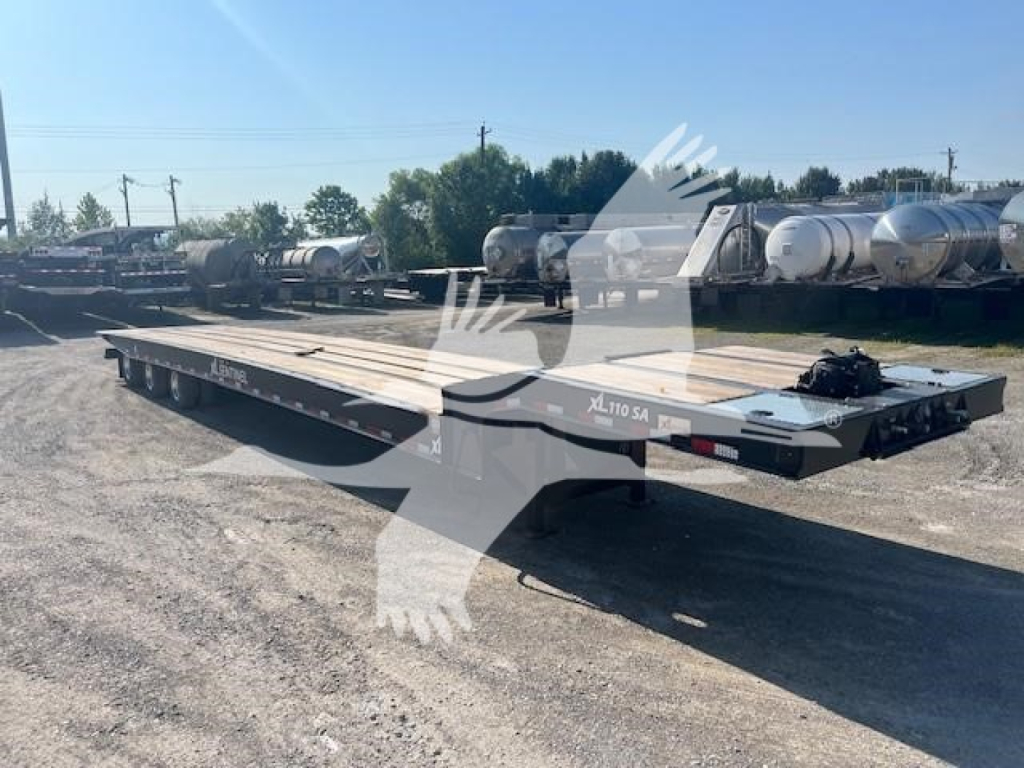
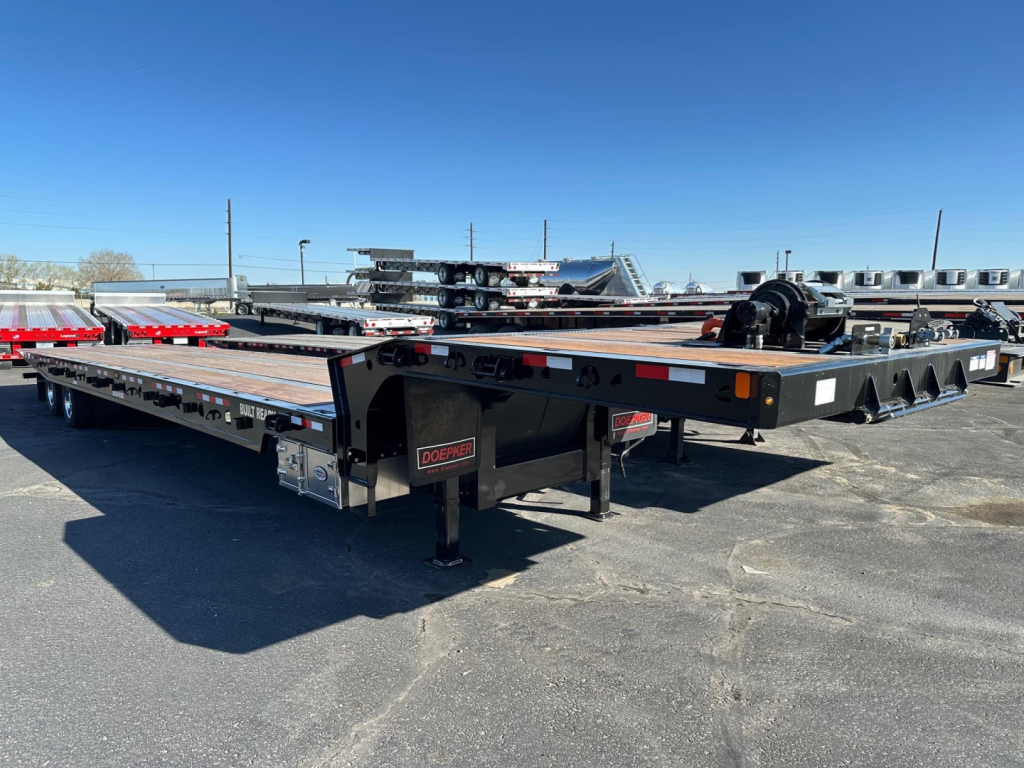
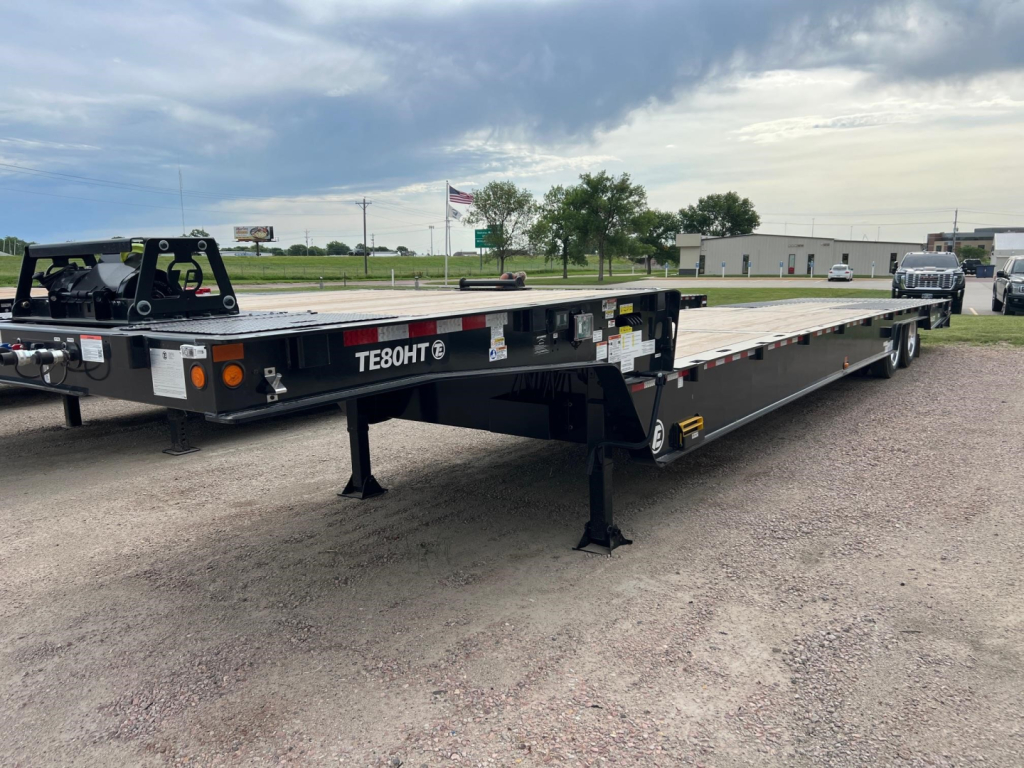
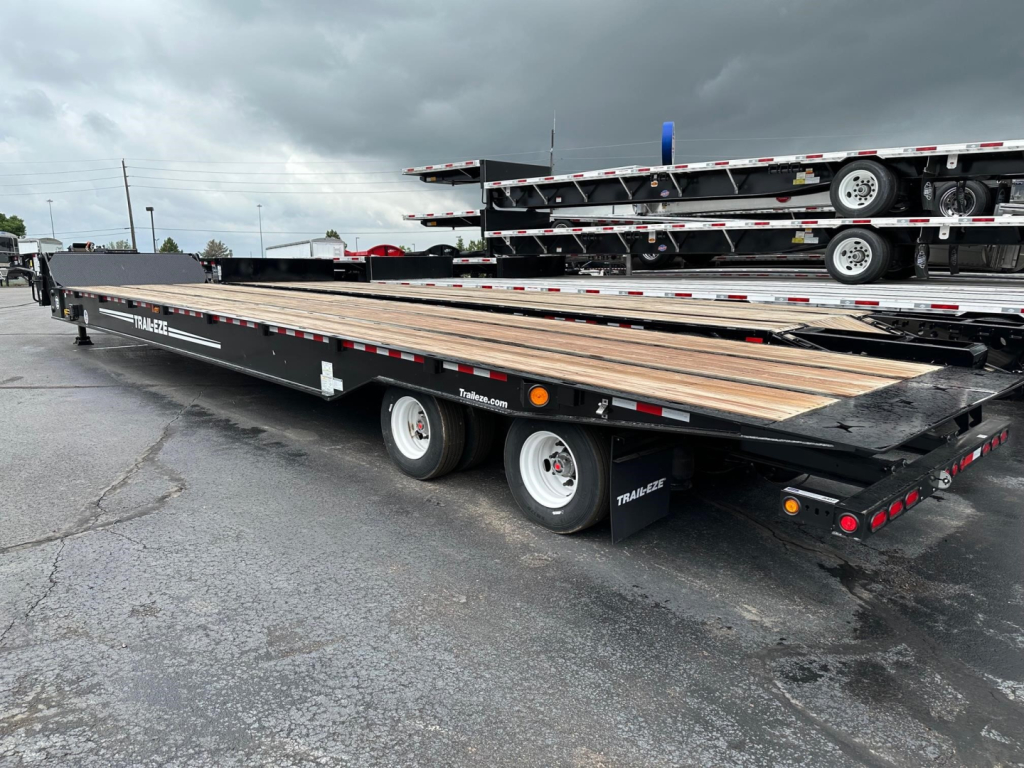
Selling a new 2026 traveling axle trailer? List your new 2026 traveling axle trailer for sale and reach thousands of commercial buyers.
New 2026 Traveling Axle Trailers
Capacity, deck layout, and axle configuration are the first buying points. Many traveling axle trailers in this class fall around 40-ton to 55-ton ratings, with common overall lengths near 48 to 53 feet and legal width at 102 inches. Tandem axle models are common for general construction and rental fleet work, while tridem configurations can make sense where axle laws, bridge formulas, or heavier concentrated loads are part of the job. Buyers should compare loaded deck height, top deck length, kingpin setting, and distributed versus concentrated load ratings. A trailer rated at 80,000 GVWR may still have a specific rating such as 50,000 pounds in 10 feet, which matters when hauling dozers, crushers, or other machines with tight axle group loading.
Deck and securement details matter more on a traveling axle than many buyers expect. Apitong flooring is common because it stands up well to steel tracks and repeated machine loading. Chain slots, stake pockets, chain drops, and recessed tie-down points should match the mix of iron being hauled. Winches in the 20,000-pound range with 100-foot cable are common for disabled equipment, recovery work, or loading non-running units. Suspension choice is usually air ride, often paired with dump valves and adjustable ride height to improve loading and unloading control. Tire sizes such as 17.5-inch or 22.5-inch setups affect deck height, replacement cost, and regional serviceability, so that decision should line up with how far the trailer runs and what support network is available.
Hydraulic system design is another practical separator in this category. Some trailers use manual controls while others add six-function wireless remotes, hydraulic tails, planetary drive winches, and slider pad systems that reduce maintenance. Buyers running a tractor wet kit should confirm required flow, often in the 15 to 20 GPM range, and check whether the trailer is built around that setup. For fleets working in states with stricter length or bridge requirements, California-legal dimensions, swing clearance, and closed tandem or axle spacing specs can be critical. A well-spec'd 2026 traveling axle trailer should load quickly, track straight under heavy equipment, and give the operator enough securement, deck durability, and hydraulic control to handle daily construction hauling without wasted motion.
Frequently Asked Questions about New 2026 Traveling Axle Trailers
What is a traveling axle trailer used for?
A traveling axle trailer is used to haul construction and industrial equipment that benefits from a low loading angle. The sliding axle or hydraulic tail lowers the rear of the trailer during loading, making it easier to load pavers, rollers, skid steers, compact excavators, aerial lifts, and other self-propelled machines. It is a common choice when operators want easier loading than a standard tag trailer but do not need a detachable gooseneck.
What is the difference between a traveling axle trailer and a hydraulic tail trailer?
A traveling axle trailer moves the axle assembly to change the load angle and deck position during loading, while a hydraulic tail trailer uses a powered rear section or beavertail to create the approach angle. Both designs help load low-clearance equipment, but the operating feel, maintenance points, and deck geometry are different. Buyers should compare load angle, tail strength, slider design, hydraulic controls, and how each layout fits the machines they move most often.
How much capacity should I look for in a traveling axle trailer?
Capacity depends on machine weight, axle concentration, and state law compliance, not just the trailer's headline ton rating. Many buyers shop 40-ton to 55-ton models, but the more important number can be the concentrated load rating in a defined deck length, such as 50,000 pounds in 10 feet. If the trailer will carry heavier excavators, dozers, or crushers, pay close attention to main beam design, axle spacing, tire size, and the exact load rating where the machine weight sits on the deck.
Are tandem or tridem traveling axle trailers better?
Tandem axle traveling axle trailers are often a strong fit for general equipment hauling because they are simpler, lighter, and easier to maneuver. Tridem models can offer advantages for heavier payloads, bridge law compliance, and regional permitting strategies, especially in applications with concentrated equipment loads. The better choice depends on the states traveled, the weight of the equipment, and how often the trailer needs to balance legal payload against empty weight and operating cost.
What features matter most on a new 2026 traveling axle trailer?
The most important features are load angle, deck height, actual payload rating, suspension design, hydraulic system, and securement layout. Air ride suspension, dump valves, adjustable ride height, chain slots, stake pockets, Apitong decking, and a properly sized hydraulic winch are all practical features that affect daily use. Wireless remote controls, toolboxes, scale gauges, slider pad design, and wet kit compatibility also matter because they directly impact loading speed, maintenance, and operator control in the field.