
New 2026 Trail-Eze Traveling Axle Trailers For Sale
Shop new 2026 Trail-Eze traveling axle trailers, including slide axle and hydraulic tail models built for equipment hauling and low load angles.
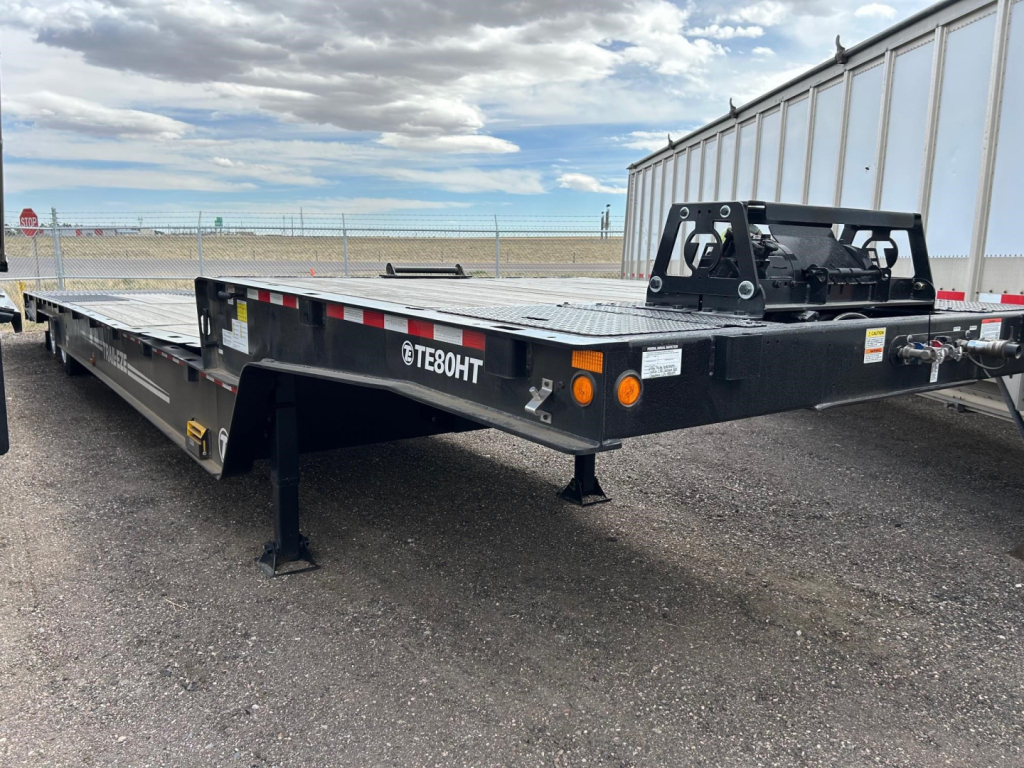
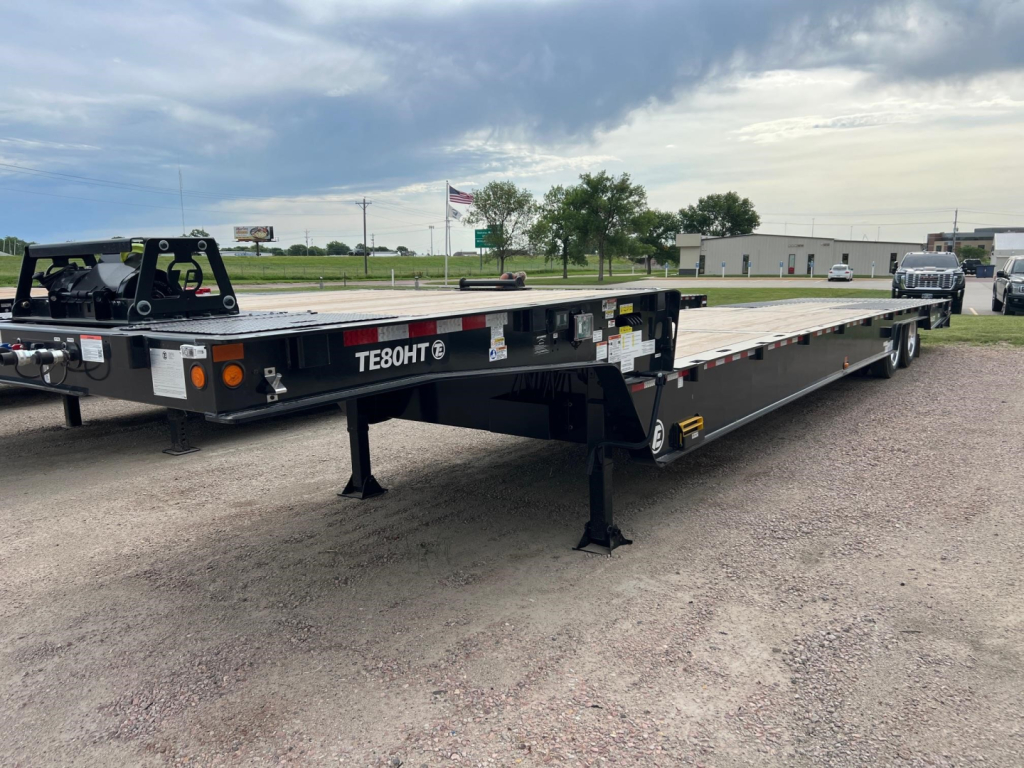
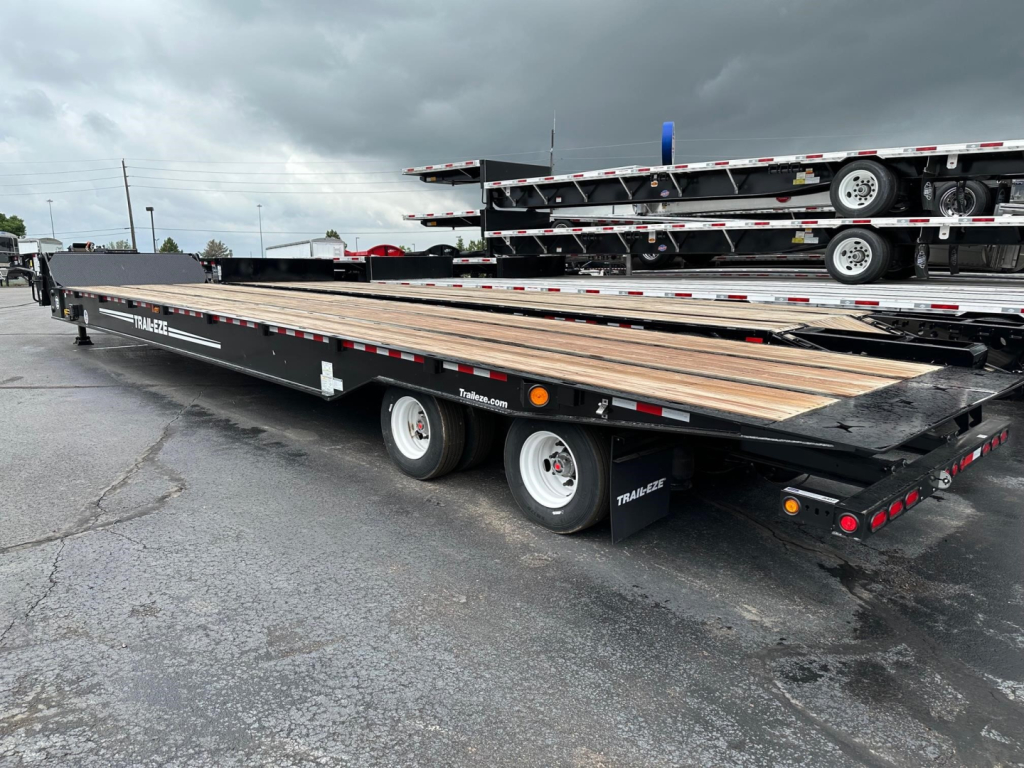
Selling a new 2026 trail-eze traveling axle trailer? List your new 2026 trail-eze traveling axle trailer for sale and reach thousands of commercial buyers.
New 2026 Trail-Eze Traveling Axle Trailers
Capacity, deck layout, and axle configuration should drive the buying decision. Trail-Eze models in this class commonly fall in the 40 ton to 55 ton range, with 48-foot to 53-foot overall lengths and 102-inch width. Tandem and tri-axle configurations are both common, and air ride suspension is frequently specified for better load protection and road manners. Buyers should pay close attention to the loaded deck height, axle spread, and tire package because those details affect load angle, bridge compliance, and service costs. Features like 17.5 tires on slide axle models, 22.5 rubber on some hydraulic tail units, closed tandem setups, and dump valves can materially change how the trailer performs in daily use and under different permit conditions.
Trail-Eze is well known for practical equipment-hauling details, and those details matter more than the headline capacity number. Apitong decking remains a popular choice for durability and traction. Chain slots, stake pockets, tool trays, winches with 100-foot cable, and fold-down steps all improve day-to-day usability. On slide axle trailers, UHMW slider pads reduce maintenance compared with older grease-heavy designs. On hydraulic tail models, remote functions, heavy-duty tail construction, upper deck ramps, and stainless pin hardware can make a real difference in uptime and operator convenience. A liquid-filled scale gauge is another useful feature for fleets trying to manage loading consistency and avoid axle weight surprises.
For many buyers, a traveling axle trailer hits the best middle ground between a tag trailer and a lowboy. It can handle taller and heavier equipment than a typical tag, but it remains straightforward to operate for frequent local and regional moves. The best spec depends on what goes over the deck most often. A contractor moving compact and mid-size machines every day may prioritize fast loading and hydraulic tail convenience. A fleet hauling heavier iron may lean toward a higher-capacity slide axle with tri-axle support, a strong winch package, and tighter crossmember spacing for long-term deck durability.
Frequently Asked Questions about New 2026 Trail-Eze Traveling Axle Trailers
What is a traveling axle trailer used for?
A traveling axle trailer is designed for hauling equipment that needs a low loading angle and a stable deck. It is commonly used for construction machines, paving equipment, compact earthmoving equipment, farm machinery, and rental fleet moves. The movable axle or hydraulic tail setup helps load self-propelled equipment without the complexity of a detachable gooseneck lowboy.
What is the difference between a slide axle trailer and a hydraulic tail trailer?
A slide axle trailer creates the load angle by moving the axle assembly and lowering the rear deck for loading. A hydraulic tail trailer uses a powered tail section to lower and raise the loading surface. Slide axle designs are valued for simplicity and low-angle loading, while hydraulic tail models can improve speed and convenience when the trailer is loaded and unloaded multiple times a day.
How do I choose between tandem and tri-axle traveling axle trailers?
The choice depends on payload, bridge law requirements, and the type of routes the trailer will run. Tandem axle trailers are often a good fit for lighter equipment and simpler operating costs. Tri-axle models generally provide more carrying capacity and better weight distribution for heavier machines, but they can add tire, brake, and maintenance expense. Buyers should match axle count to their heaviest routine load, not just occasional peak jobs.
Why does load angle matter on a traveling axle trailer?
Load angle affects how easily equipment can climb onto the deck without dragging, grounding out, or damaging undercarriage components. Low-clearance machines, rollers, pavers, and some tracked equipment benefit from a shallow loading angle. Features such as deck height, tire size, tail design, upper deck ramp configuration, and the slide axle geometry all influence how forgiving the trailer is during loading.
What features are most important on a new Trail-Eze traveling axle trailer?
The most important features are the ones that affect loading efficiency, securement, and long-term durability. Buyers typically focus on rated capacity, axle configuration, deck length, suspension type, and load angle first. After that, practical options like Apitong decking, chain slots, stake pockets, winches, remote hydraulic functions, scale gauges, UHMW slider pads, and heavy-duty crossmember spacing tend to separate a basic spec from one that works better in daily fleet service.