
New Trail-Eze Traveling Axle Trailers For Sale
Shop new Trail-Eze traveling axle trailers with low deck loading, adjustable axle position, and heavy equipment hauling capability.
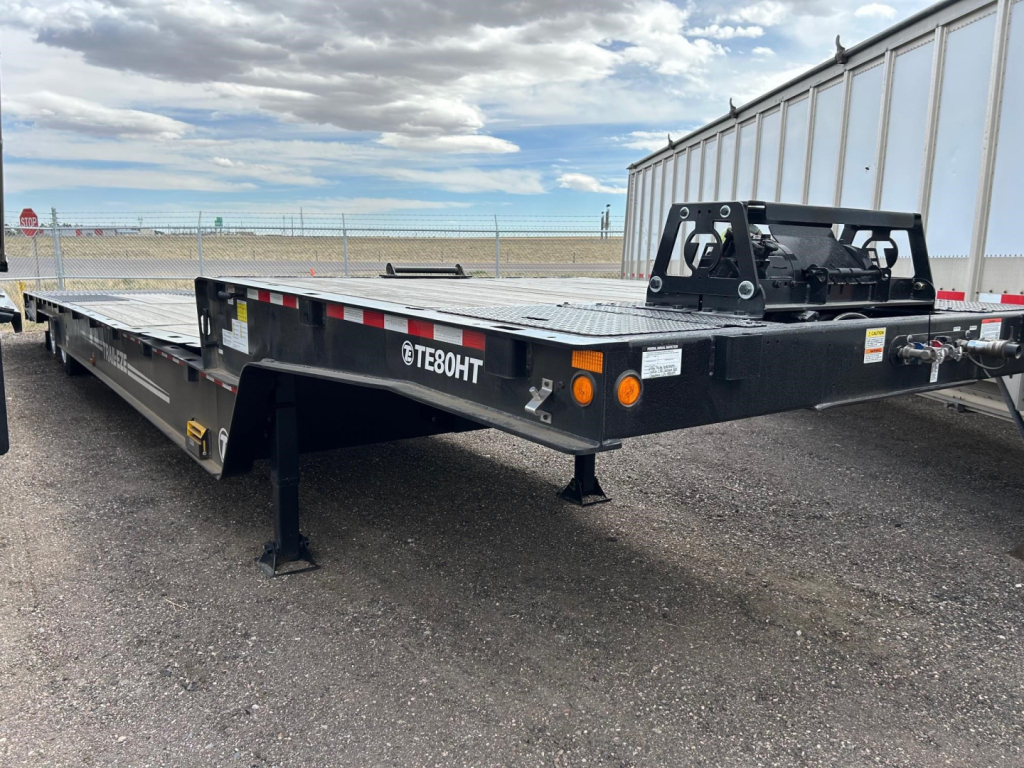
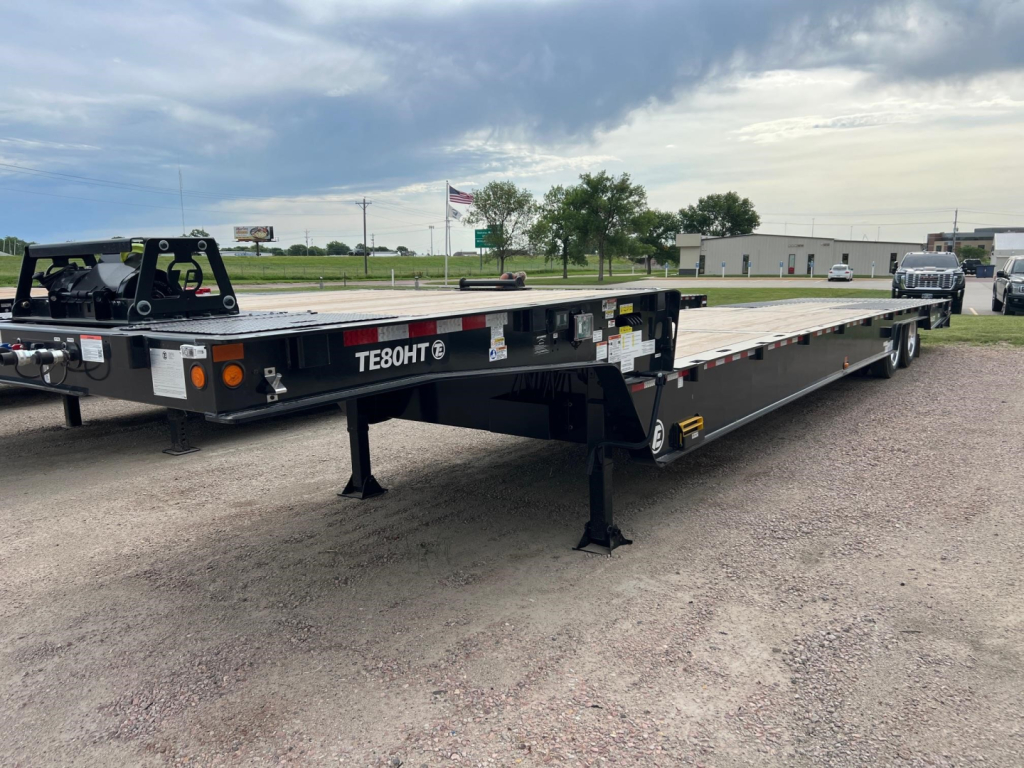
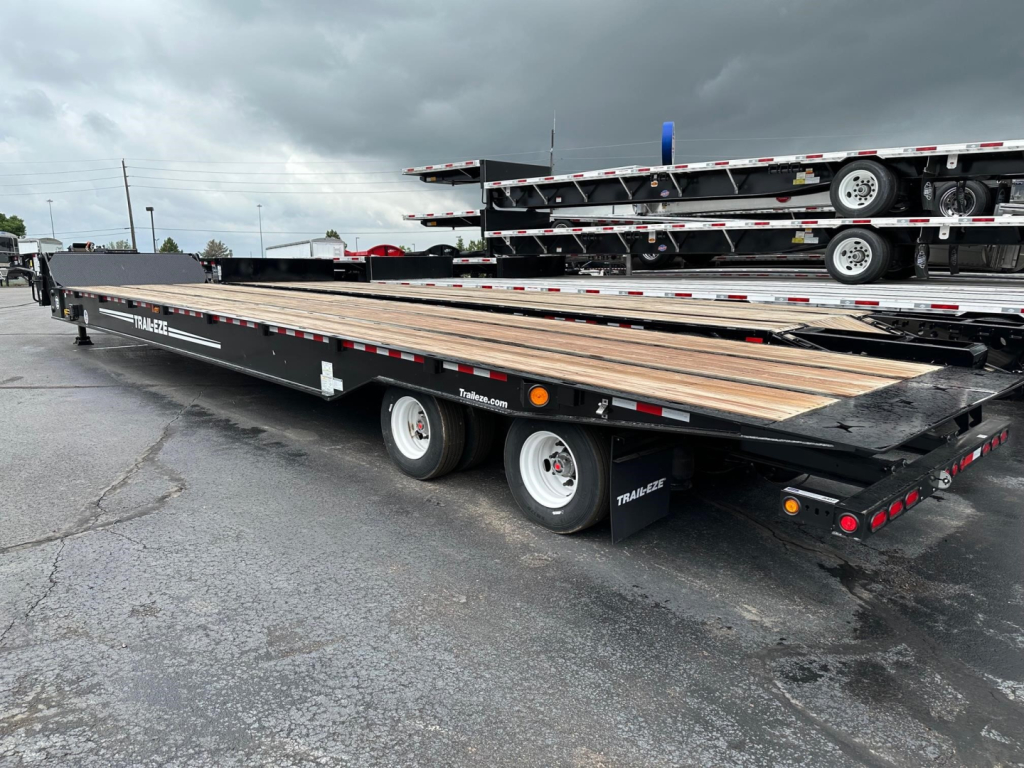
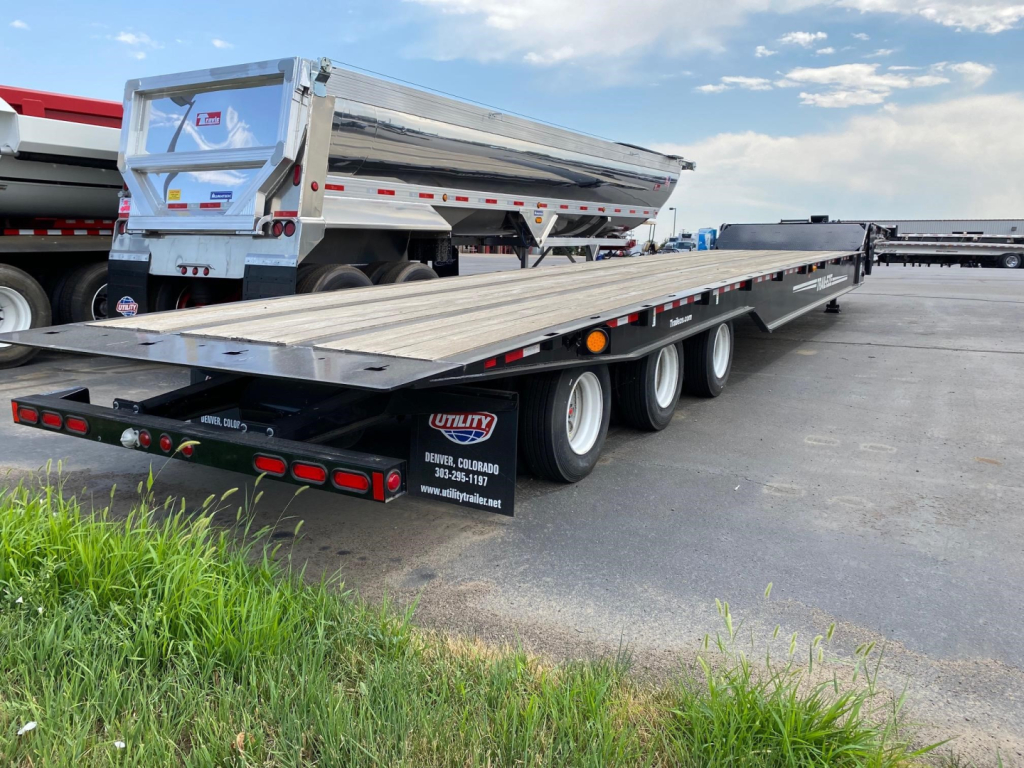
Selling a new trail-eze traveling axle trailer? List your new trail-eze traveling axle trailer for sale and reach thousands of commercial buyers.
New Trail-Eze Traveling Axle Trailers
The key buying decision in this category is matching deck length, axle rating, and load placement to the equipment you haul most often. Trail-Eze trailers are commonly spec'd with tandem or tridem axle groups, air or electric brake configurations depending on capacity class, hardwood or steel deck sections, and ramps or full-width loading surfaces designed for repeated machine loading. Buyers should pay close attention to loaded deck height, beavertail design, ramp angle, and where the traveling axle sits when the trailer is in transport mode. Those factors affect ease of loading, tongue weight, bridge compliance, tire wear, and overall stability on the road.
A Trail-Eze traveling axle trailer is often chosen because it can handle mixed-use hauling better than a fixed axle tag trailer. Sliding the axle rearward lowers the tail for loading, then returning it forward improves balance and road manners once the machine is positioned. For fleets running short regional routes, jobsite-to-jobsite moves, or frequent equipment repositioning, that can mean faster cycle times and less need for additional loading support. Frame construction, crossmember spacing, suspension type, coupler style, and deck material all matter here because these trailers live hard lives under concentrated loads, steel tracks, and uneven terrain.
When comparing new Trail-Eze traveling axle trailers for sale, focus on the trailer's GVWR, payload rating, deck usable length, loaded height, ramp capacity, and how easily the axle system can be operated in the field. Tire size, wheel-end serviceability, lighting protection, tie-down placement, and finish quality also affect long-term ownership cost. The best spec is usually the one that fits your heaviest routine machine safely while still giving enough deck space and loading geometry for the rest of the fleet.
Frequently Asked Questions about New Trail-Eze Traveling Axle Trailers
What is a traveling axle trailer used for?
A traveling axle trailer is used to haul equipment that benefits from a low loading angle and stable deck height. Common applications include moving skid steers, mini excavators, compact track loaders, rollers, tractors, and other construction or agricultural machines. The movable axle assembly lets the trailer lower for loading and then shift into a better transport position for road travel.
How is a traveling axle trailer different from a fixed axle equipment trailer?
The main difference is axle movement. A fixed axle trailer keeps the running gear in one position, while a traveling axle trailer allows the axle group to move rearward for loading and forward for transport. This can improve loading angle, reduce ramp breakover issues, and help balance the load more effectively once the equipment is on deck.
What specs matter most when buying a new Trail-Eze traveling axle trailer?
The most important specs are GVWR, payload capacity, deck length, deck height, axle configuration, ramp design, and brake type. Buyers should also review coupler rating, suspension type, tire capacity, tie-down locations, and frame construction. If the trailer will carry tracked equipment, deck durability and crossmember strength deserve extra attention.
Are traveling axle trailers good for tracked equipment?
Yes, many traveling axle trailers are well suited for tracked equipment because the lower load angle makes it easier to load compact excavators, track loaders, and similar machines. The right setup depends on machine weight, track type, and point loading. For regular track use, buyers should look closely at deck material, ramp construction, and the trailer's structural rating under concentrated loads.
Why does axle position matter on a trailer like this?
Axle position affects loading angle, tongue weight, handling, and how the trailer carries the machine on the road. Moving the axle rearward helps lower the rear of the trailer for loading. Moving it forward after loading shifts weight into a more controlled transport position, which can improve stability, reduce excessive hitch load, and support better tire and suspension life.