
New Trail-Eze Traveling Axle Trailers For Sale in Colorado
Shop new Trail-Eze traveling axle trailers built for low load angles, heavy equipment hauling, durable decks, and reliable slide-axle performance.
Selling a new trail-eze traveling axle trailer? List your new trail-eze traveling axle trailer for sale and reach thousands of commercial buyers.
New Trail-Eze Traveling Axle Trailers in Colorado
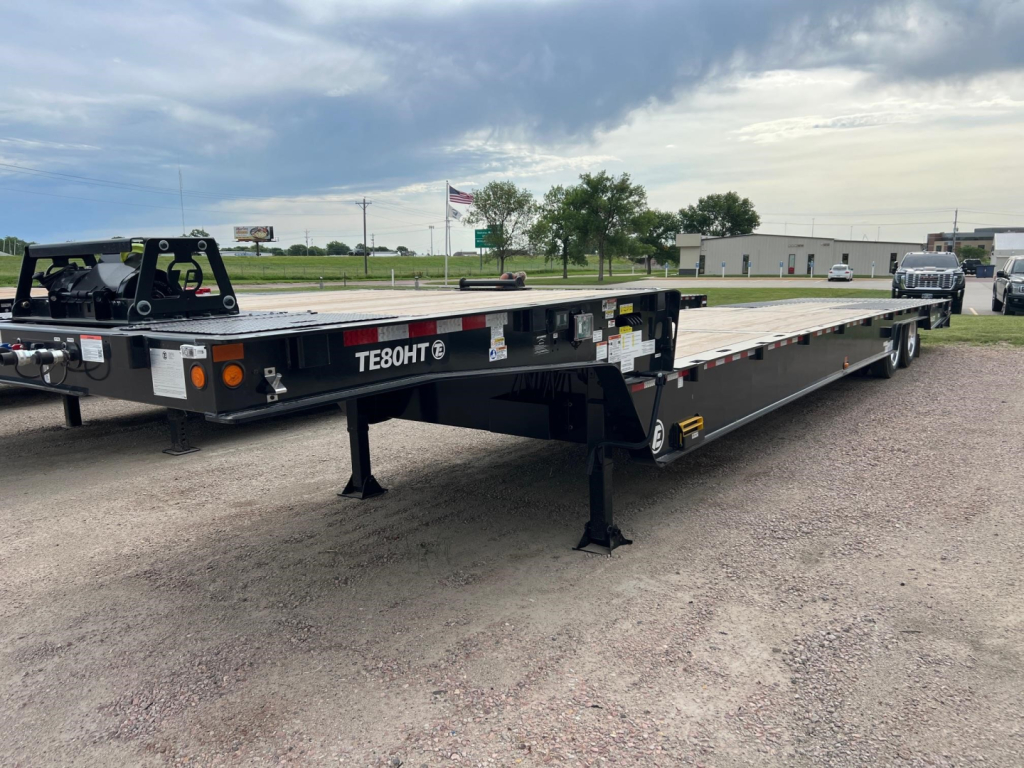
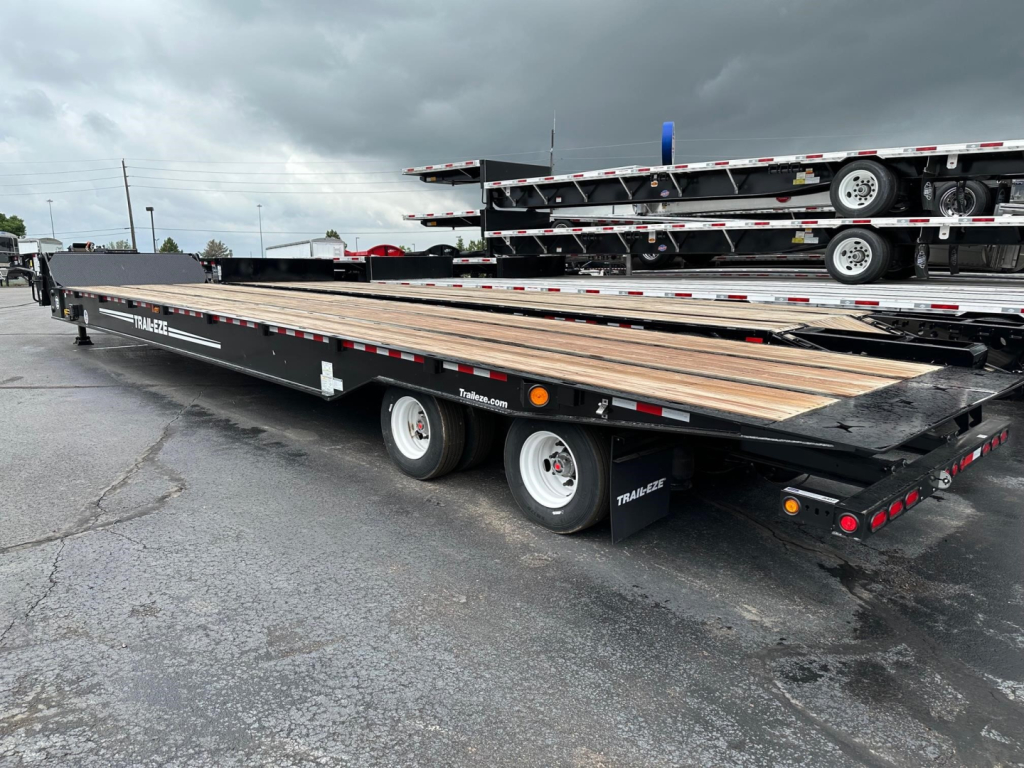
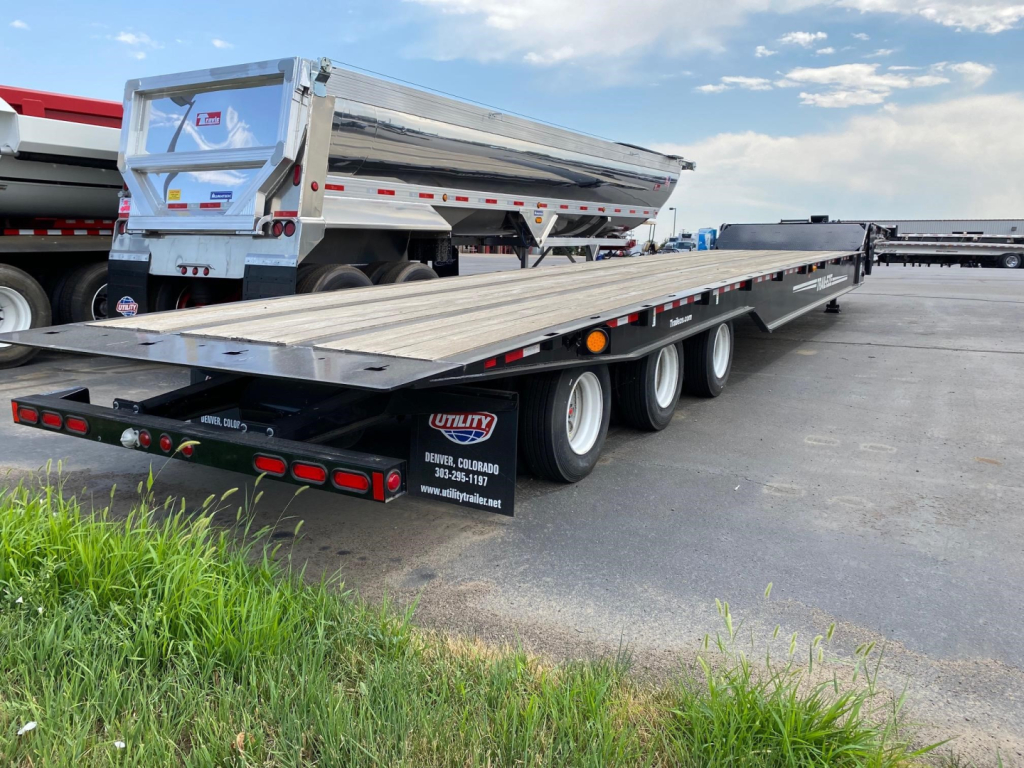
For most buyers, the first decision is slide axle versus hydraulic tail. A traditional traveling axle or slide axle setup is simple, proven, and well suited for fleets loading dozers, skid steers, rollers, and excavators across mixed jobsite conditions. Hydraulic tail versions add another layer of loading flexibility and can help with difficult approach angles or specialized equipment. Capacity, deck length, and axle configuration should be matched to the freight mix. Tandem and tri-axle layouts are common, with air ride suspensions frequently chosen for ride quality and cargo protection. Tire size also changes how the trailer performs, with 17.5-inch low-profile tires often used to help keep deck height and load angle in check.
Trail-Eze specs often include details serious buyers look for right away: Apitong hardwood decking, chain slots, stake pockets, upper-deck tool trays, integrated scales, winches with cable, and remote hydraulic controls. Features like UHMW slider pads can reduce maintenance compared with greased wear surfaces, while tight crossmember spacing improves deck support under concentrated equipment loads. Buyers hauling mixed freight across Colorado and the Mountain West should also pay attention to suspension dump valves, traction during loading, and how the trailer handles uneven ground or soft shoulders. A fold-down step, flag holders, light package, and landing gear design may sound minor, but they make a difference in daily jobsite use.
The best new Trail-Eze traveling axle trailer is the one spec'd around your actual machine list, not just the highest ton rating on paper. Check the loaded deck length, concentrated load capacity, upper deck clearance, axle spread, and legal compliance in the states where the trailer will run. A 40 ton trailer may be ideal for a contractor moving mid-size iron every day, while a 55 ton tri-axle setup makes more sense for heavier equipment and broader job coverage. If loading speed, shallow load angle, and dependable heavy-haul construction matter, traveling axle trailers remain one of the most practical trailer categories in the equipment market.
Frequently Asked Questions about New Trail-Eze Traveling Axle Trailers in Colorado
What is a traveling axle trailer used for?
A traveling axle trailer is used to haul equipment that needs a low loading angle and easy deck access. Common loads include skid steers, compact track loaders, rollers, pavers, small to mid-size excavators, and other construction or agricultural machines. By sliding the axle assembly rearward, the trailer deck tilts to reduce the approach angle, which helps prevent low-clearance equipment from dragging during loading.
What is the difference between a slide axle trailer and a hydraulic tail trailer?
A slide axle trailer creates its loading angle by moving the axle group and tilting the deck, while a hydraulic tail trailer uses a powered rear tail section to meet the ground. Slide axle designs are valued for simplicity, durability, and straightforward operation. Hydraulic tail models can offer even more loading flexibility for certain machines, but they add hydraulic components, weight, and cost that may not be necessary for every fleet.
How do I choose the right capacity for a new Trail-Eze traveling axle trailer?
Start with the heaviest machine you expect to haul, then account for attachments, fuel, buckets, or other accessories that travel with it. After that, review concentrated load ratings, deck length, axle configuration, and state bridge or permitting requirements. A higher ton rating does not automatically make a trailer the best fit if the trailer length, deck layout, or axle setup does not match your freight mix and operating area.
Why do buyers look for Apitong decking and UHMW slider pads on traveling axle trailers?
Apitong is popular because it stands up well to repeated equipment loading, track machines, and hard daily service. UHMW slider pads are valued because they can reduce wear and eliminate the need for lubrication at the sliding surfaces on some designs. Together, those features can improve durability, reduce routine maintenance, and help the trailer stay productive in demanding fleet service.
Are tandem or tri-axle traveling axle trailers better?
Neither is universally better. Tandem axle traveling axle trailers are often lighter, simpler, and a good match for moderate-capacity hauling. Tri-axle models are better suited for heavier loads and can help distribute weight more effectively, but they also add cost, tires, and maintenance points. The right choice depends on the weight of your equipment, your routing, and the legal requirements in the states where the trailer operates.