
New Traveling Axle Trailers For Sale
Shop new traveling axle trailers built for low load angles, heavy equipment hauling, air ride stability, and fast hydraulic loading.
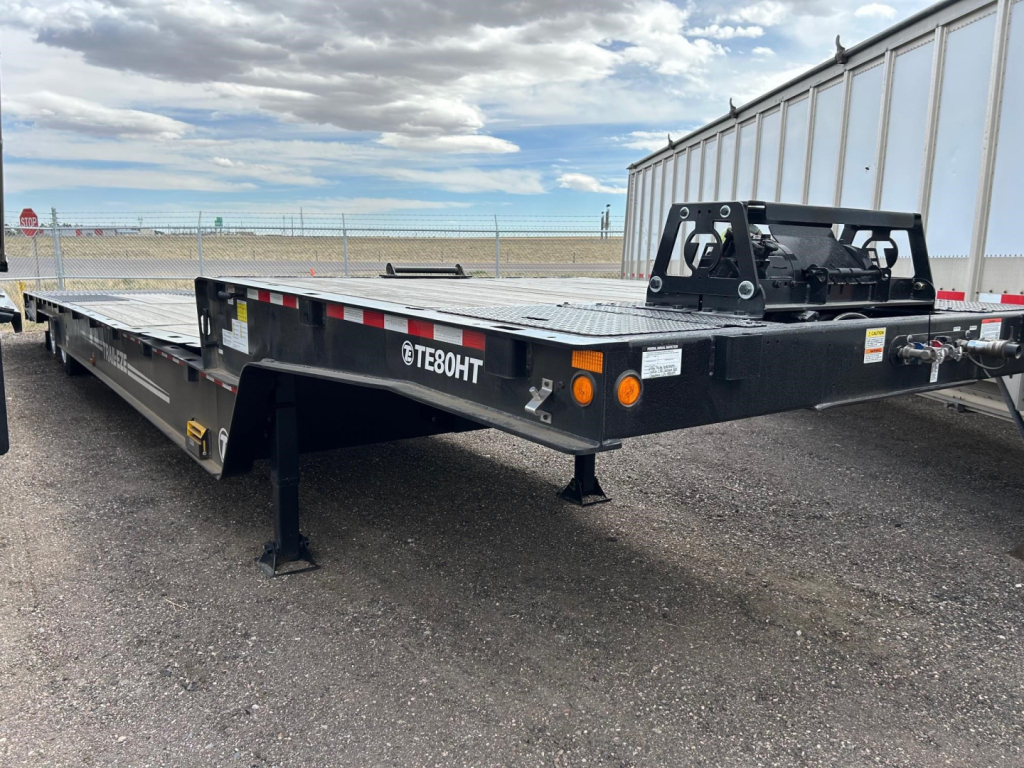
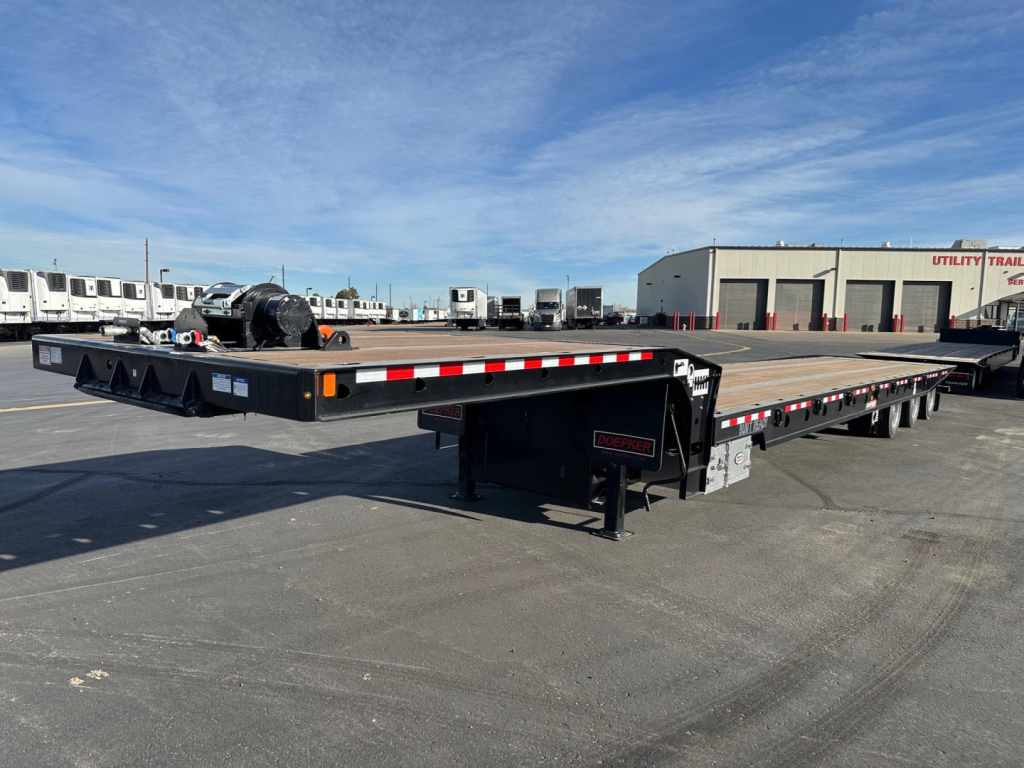
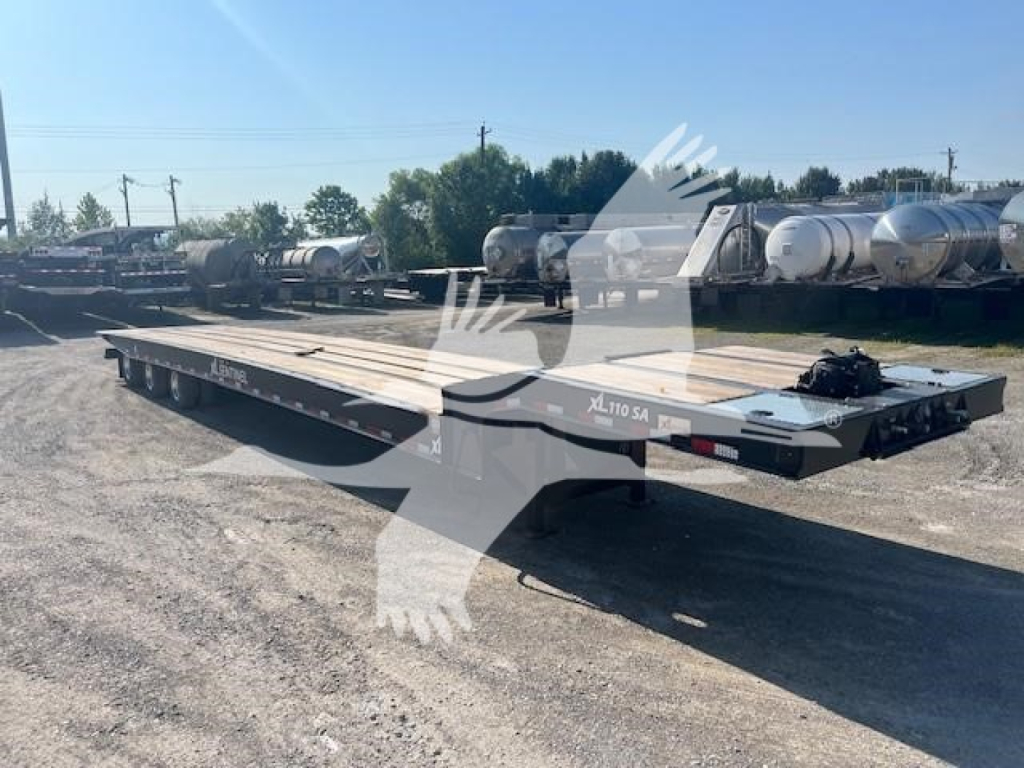
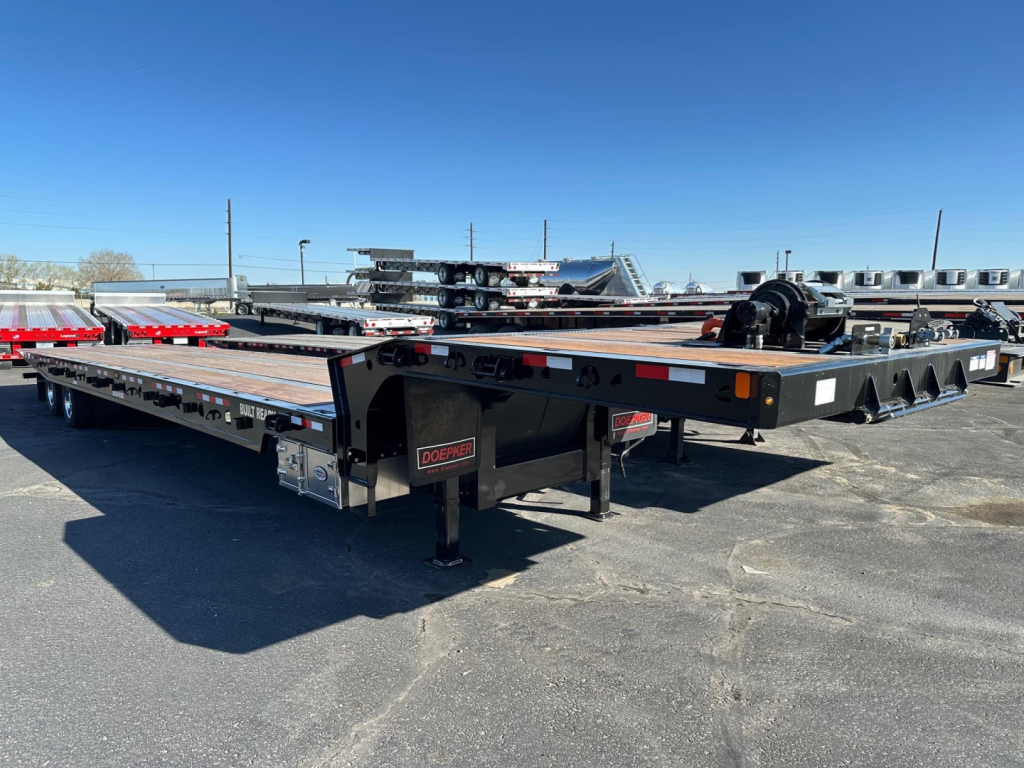
Selling a new traveling axle trailer? List your new traveling axle trailer for sale and reach thousands of commercial buyers.
New Traveling Axle Trailers
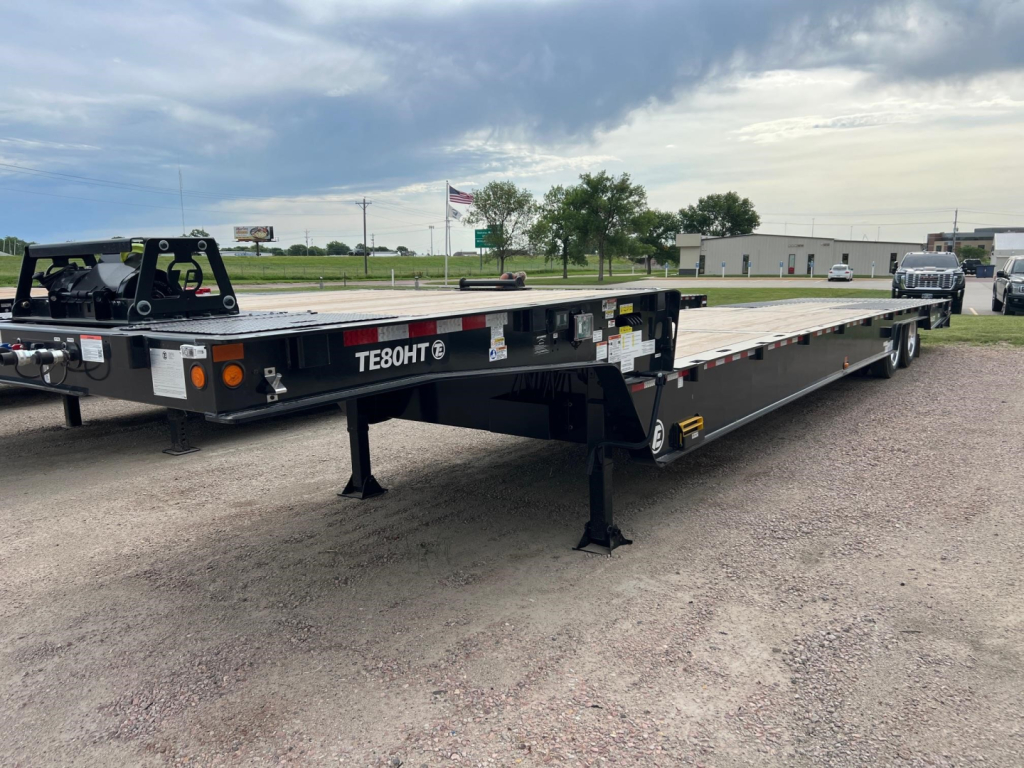
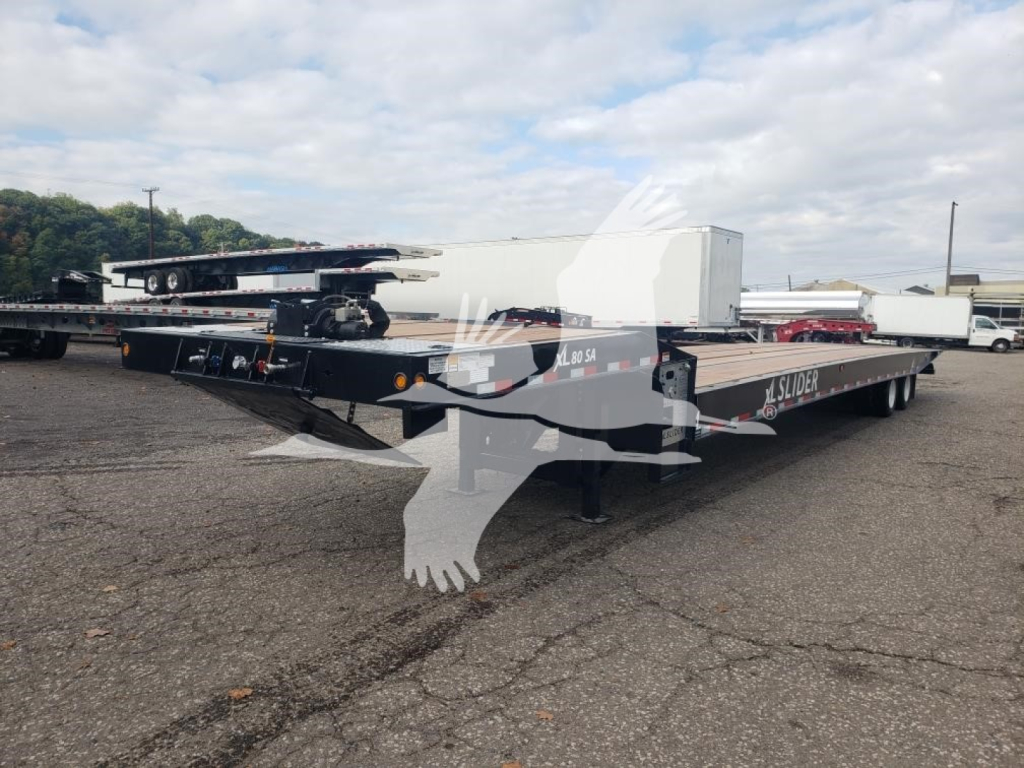
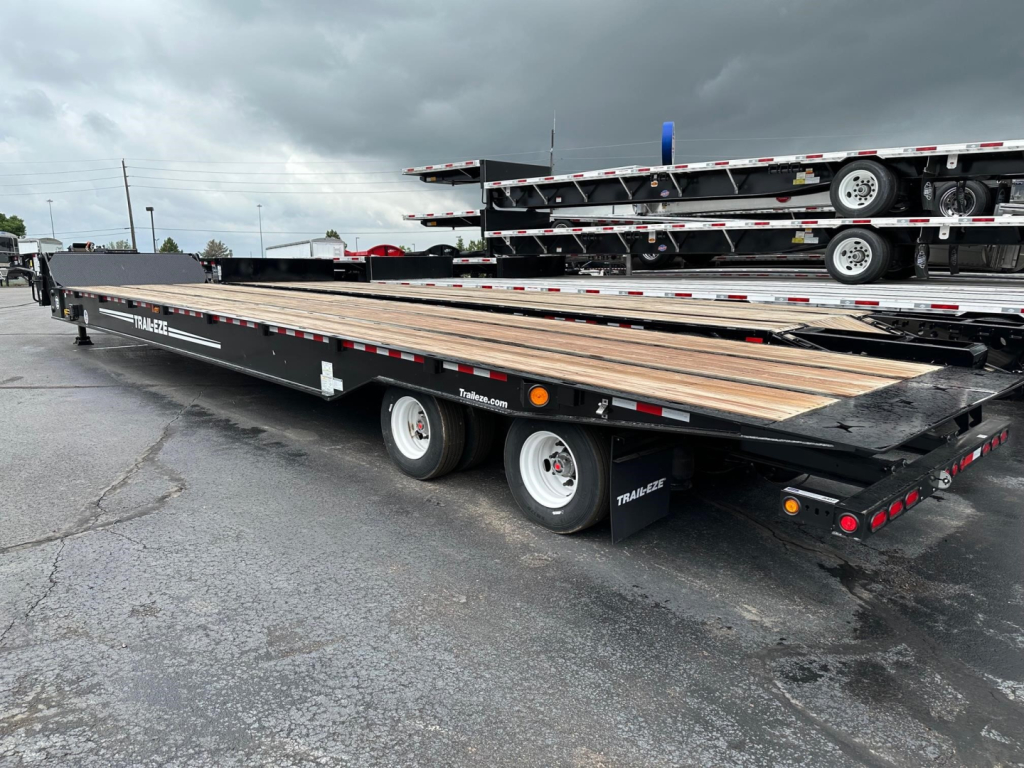
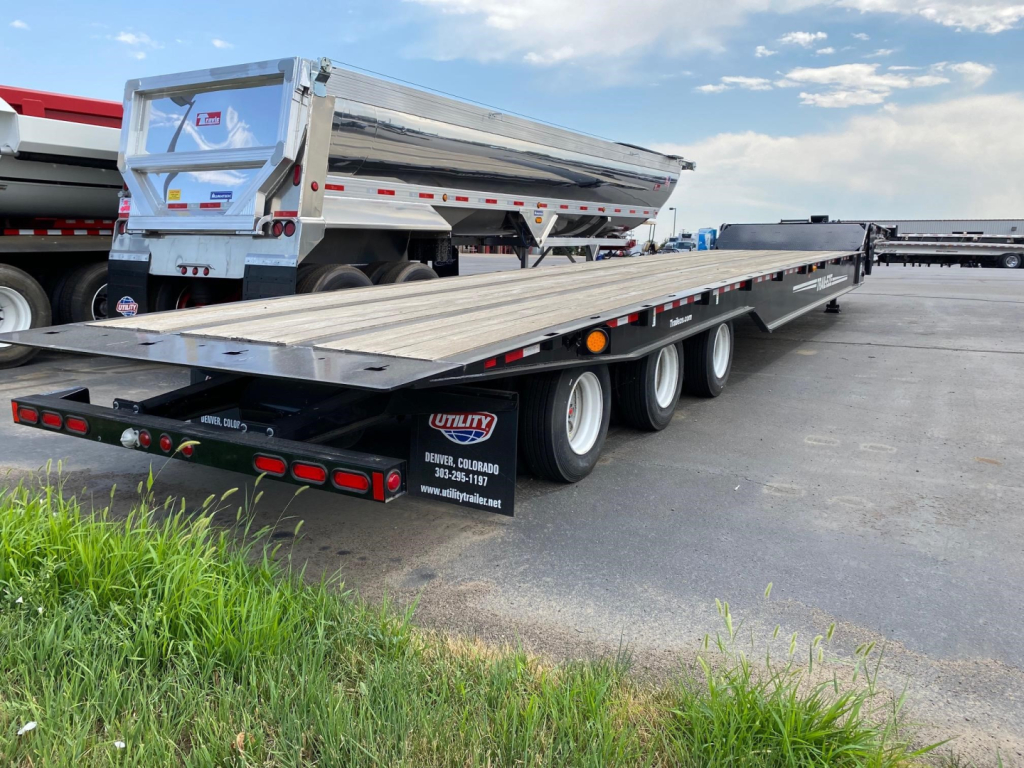
Capacity, deck height, and axle travel are the first specs to sort out. In this class, 40-ton models are common, with overall GVWRs often around 80,000 pounds depending on configuration and applicable bridge laws. Deck lengths commonly run from 48 to 53 feet, widths are typically 102 inches, and loaded deck heights are often in the high-30-inch range. A low 6 to 6.5 degree load angle is a major selling point because it reduces the chance of dragging attachments or low-slung machine frames. Tandem air ride suspensions are common for ride quality and load protection, and many new units use 17.5-inch or 22.5-inch rubber depending on axle rating, deck height targets, and regional service preferences.
Construction details make a real difference in daily use. Steel perimeter frames and closely spaced I-beam crossmembers are common on heavy-duty traveling axle trailers, with 1 3/8-inch Apitong flooring still a preferred choice for durability and traction. Buyers should pay attention to tie-down layout just as closely as rated capacity. Chain slots on 16-inch or 24-inch centers, stake pockets, chain drops, D-rings, and flush keyhole tie-downs all affect how easily the trailer handles mixed fleets of equipment. Hydraulic systems usually run from a wet kit or PTO setup, and many new trailers are equipped with quick couplers, hydraulic winches in the 20,000-pound range, deck rollers, wireless remotes, dump valves, and centralized grease systems. Those features are not cosmetic. They directly affect load speed, operator safety, and maintenance time.
A good traveling axle trailer fit depends on the freight profile and where it runs. Contractors hauling short-wheelbase equipment in urban areas may prioritize a 50-foot California-legal setup, while road builders and rental fleets may lean toward 53-foot decks for more flexibility. Air ride, kingpin setting, axle spacing, swing clearance, and tail design all deserve a close look if the trailer will see varied tractors, tight jobsites, or permit-sensitive routes. New models in this category are often spec'd for heavy equipment service from day one, with LED lighting, toolbox storage, galvanized or painted corrosion protection, and reinforced rear structures. For buyers comparing listings, the important question is not just rated payload. It is how the trailer loads, secures, and supports the machines you move every week.
Frequently Asked Questions about New Traveling Axle Trailers
What is a traveling axle trailer used for?
A traveling axle trailer is used to haul equipment that benefits from a low loading angle and fast hydraulic operation. Common loads include skid steers, compact excavators, paving equipment, scissor lifts, telehandlers, small dozers, rollers, and forklifts. By moving the axle assembly forward, the trailer lowers the rear deck so equipment can be loaded with less breakover risk than on many fixed-deck trailers.
What is the difference between a traveling axle trailer and a detachable gooseneck lowboy?
A traveling axle trailer loads from the rear by sliding the axle group and lowering the deck, while a detachable gooseneck lowboy loads from the front after the neck is removed. Traveling axle trailers are often favored for frequent loading, mixed equipment fleets, and jobs where speed matters. A detachable lowboy is usually the better fit for taller, heavier, or more specialized machinery that needs the lowest possible deck height and front-loading access.
What capacity is common for new traveling axle trailers?
Forty-ton models are very common in the new traveling axle market, and many are built with overall ratings around 80,000 pounds depending on axle configuration and legal requirements. Practical hauling capacity depends on trailer tare weight, deck length, axle spacing, tire size, and the tractor being used. Buyers should compare both published ratings and legal load distribution for the states where the trailer will operate.
Why do so many traveling axle trailers use Apitong flooring and air ride suspension?
Apitong wood flooring remains popular because it holds up well under steel tracks, concentrated wheel loads, and repeated equipment loading. It also provides good traction and is serviceable in sections when repairs are needed. Air ride suspension helps protect both the trailer and the load by reducing shock transfer, and it generally improves ride quality for machines with sensitive components or uneven weight distribution.
What features matter most when comparing new traveling axle trailer listings?
The most important features are load angle, loaded deck height, deck length, axle spacing, suspension type, tie-down layout, hydraulic system setup, and winch specification. Buyers should also check kingpin setting, swing clearance, tire size, tail style, toolbox configuration, lighting, and corrosion protection. Those details determine how well the trailer matches your tractors, your routes, and the specific machines you haul.