
New Traveling Axle Trailers For Sale in Colorado
New traveling axle trailers for sale in Colorado. Compare slide axle and hydraulic tail models for equipment hauling, recovery, and low-load angles.
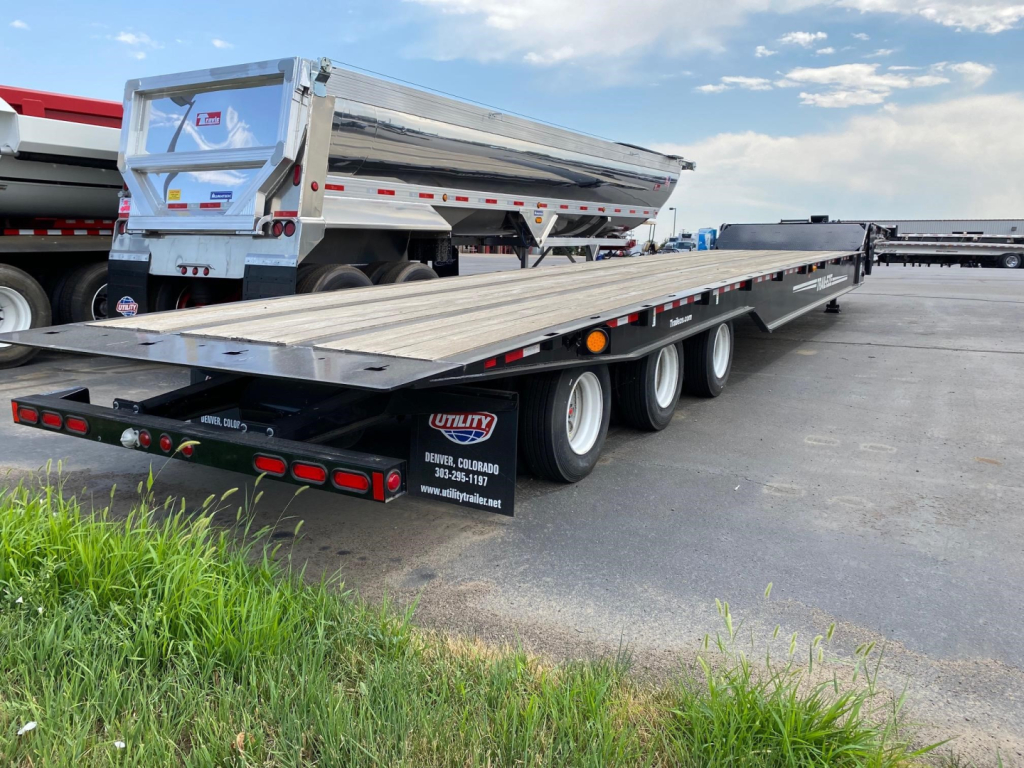
Selling a new traveling axle trailer? List your new traveling axle trailer for sale and reach thousands of commercial buyers.
New Traveling Axle Trailers in Colorado
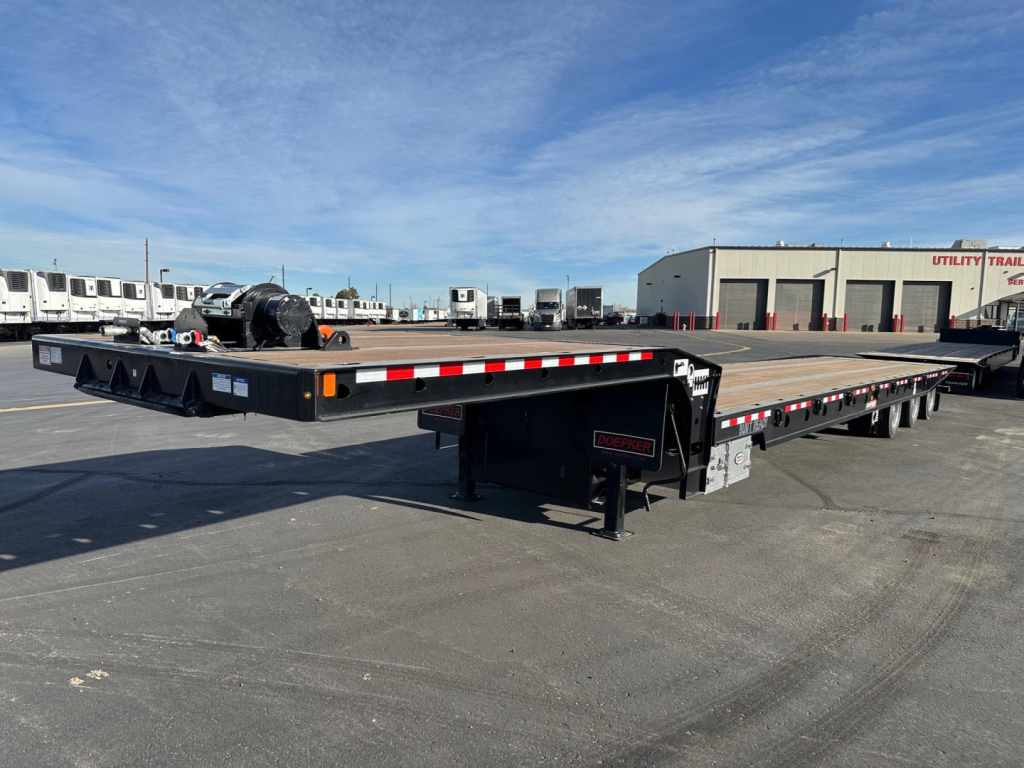
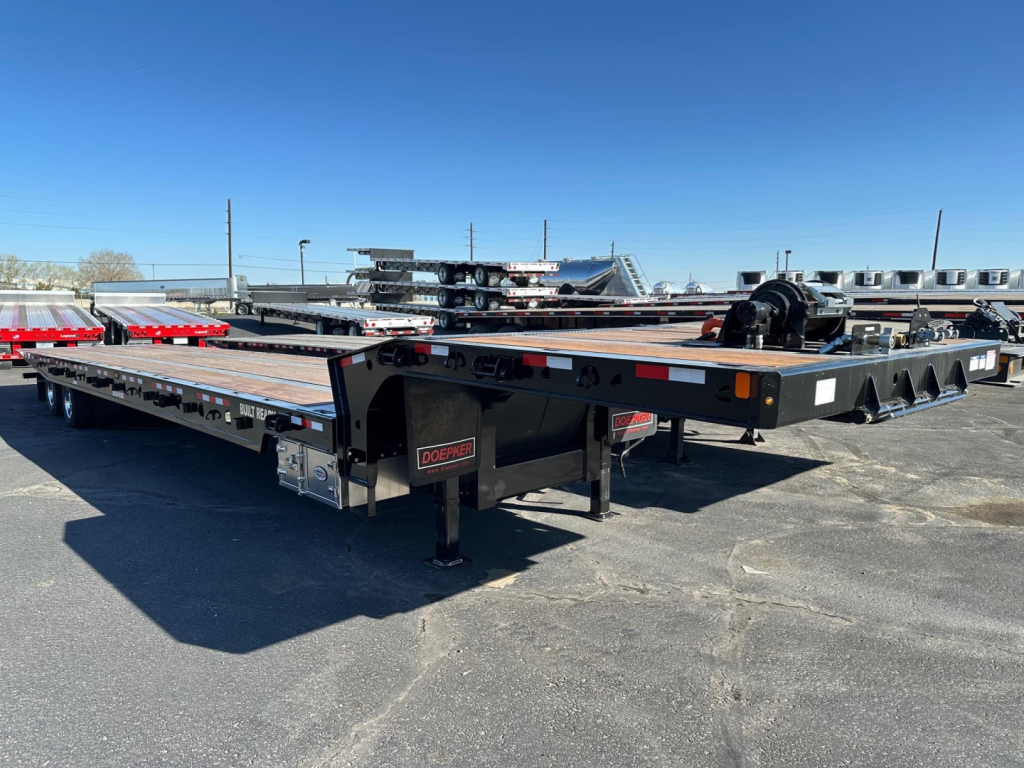
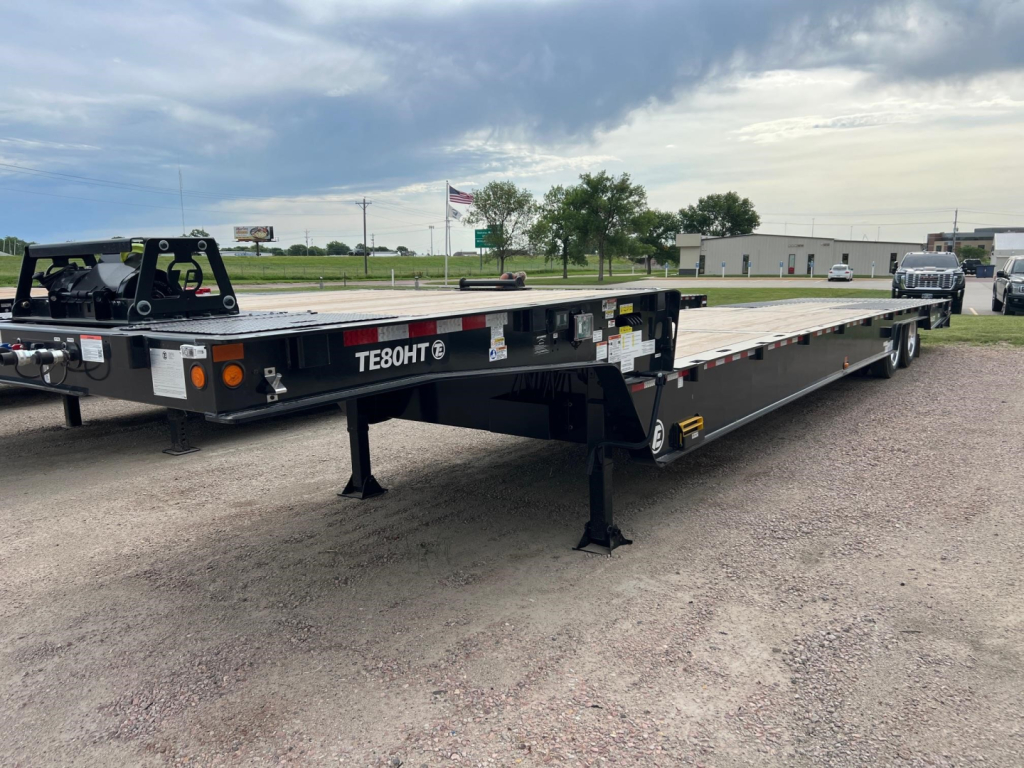
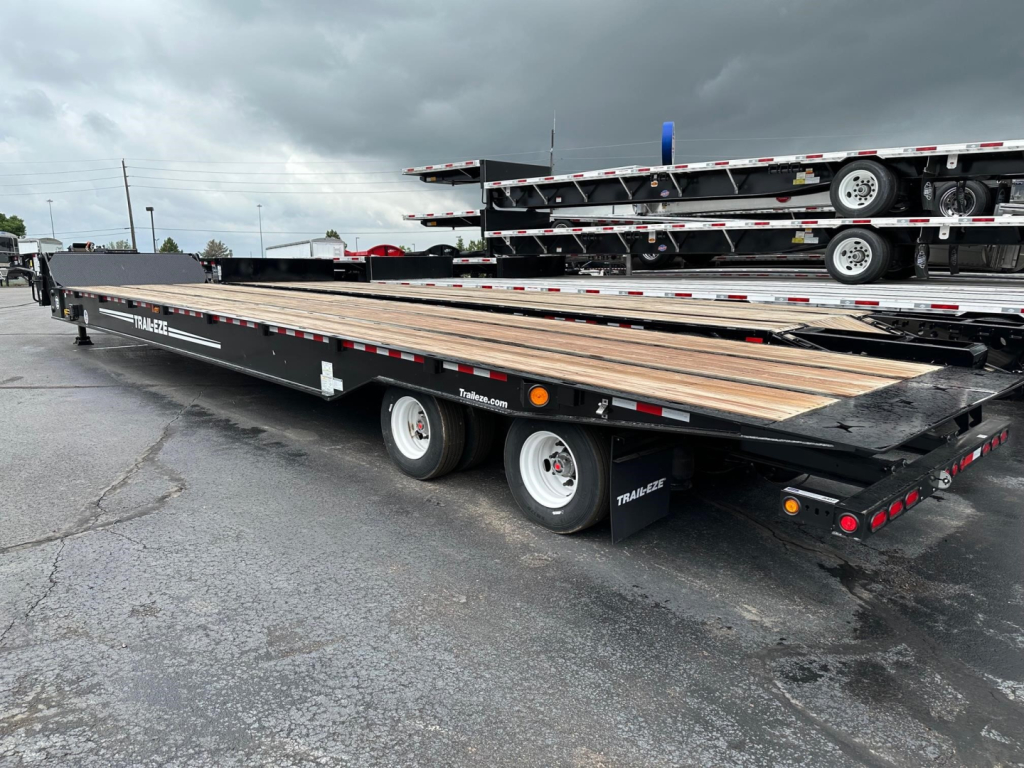
Common specs in this category include 40-ton to 55-ton ratings, 48-foot to 53-foot overall lengths, 102-inch width, and tandem or tri-axle configurations. Air ride suspension is common because it improves loaded stability and helps protect sensitive equipment on rough roads. Many new models use 17.5-inch or 22.5-inch rubber depending on the axle package and intended duty cycle. Apitong decking remains a popular choice for traction and durability, while chain slots, stake pockets, J-hooks, fixed winches, and 20,000-lb hydraulic winches are standard features buyers expect on serious equipment haulers. On higher-spec builds, details like UHMW slider pads, dump valves, adjustable ride height, polished outer wheels, and onboard scale systems can make daily operation faster and more predictable.
The main buying decision is load profile. A 40-ton tandem slide axle often fits general construction fleets moving medium-size iron, compact earthmoving equipment, and support machines. A 55-ton tridem or tri-axle trailer is better suited for heavier excavators, recovery work, larger rollers, and mixed fleet use where payload flexibility matters. Load angle is another critical number. Many traveling axle trailers are designed around a 6 to 7 degree load angle, which is a meaningful advantage when loading machines with low belly clearance or solid tires. If loading speed is a priority, remote controls, deck rollers at the neck, and hydraulic tail functions can improve cycle times and reduce operator effort.
Colorado buyers should also pay attention to axle grouping, bridge considerations, and how the trailer will track on tight approaches and uneven terrain. Closed tandem and tridem layouts can affect maneuverability, tire wear, and legal payload planning depending on route and permit needs. Crossmember spacing, main beam construction, landing gear spec, and rear tail design all matter if the trailer will see frequent point loading from steel-track equipment. A well-matched traveling axle trailer should be judged by more than ton rating alone. The right setup balances load angle, deck strength, suspension, securement points, winch capability, and axle configuration so the trailer works efficiently day after day, not just on paper.
Frequently Asked Questions about New Traveling Axle Trailers in Colorado
What is a traveling axle trailer used for?
A traveling axle trailer is used to haul equipment that benefits from a low loading angle, especially machines with low ground clearance or short wheelbases. By sliding the axle assembly rearward, the trailer lowers the deck for loading and unloading without depending on tall ramps. This makes the design popular for construction equipment, paving equipment, utility machines, aerial lifts, rollers, and equipment recovery applications.
What is the difference between a traveling axle trailer and a hydraulic tail trailer?
A traveling axle trailer lowers the deck by moving the axle group, while a hydraulic tail trailer uses a powered rear section to create the loading angle. Both designs are built for equipment loading, but the best choice depends on the machines being hauled and how often the trailer is cycled during the day. Slide axle trailers are valued for their simple low-angle loading geometry, while hydraulic tail models can speed up loading and unloading when frequent moves are part of the operation.
How much capacity do new traveling axle trailers usually have?
New traveling axle trailers commonly fall in the 40-ton to 55-ton range, though exact payload depends on axle count, suspension, deck construction, tire package, and legal weight limits. Tandem axle models are common for mid-range equipment hauling, while tri-axle or tridem configurations are used when heavier machines or better weight distribution are required. Buyers should compare the manufacturer’s rated capacity with real-world legal payload on their normal routes.
Why is load angle so important on a slide axle trailer?
Load angle is one of the most important specs because it determines how easily a machine can transition from the ground onto the deck. A shallow load angle helps prevent scraping, spinning, or high-centering when loading low-clearance equipment. For many fleets, a trailer in the 6 to 7 degree range is easier to use with pavers, scissor lifts, rollers, and other machines that are difficult to load on steeper trailers.
What features should buyers look for on a new traveling axle trailer?
The most useful features depend on the application, but buyers commonly look for Apitong decking, chain slots, stake pockets, winches, tool trays or tool boxes, air ride suspension, dump valves, scale systems, and durable slider pad materials such as UHMW. Crossmember spacing and deck reinforcement matter if the trailer will regularly carry concentrated loads. Remote controls, adjustable ride height, and a well-designed tail or deck transition can also improve loading efficiency and reduce wear over time.