
New 2026 Traveling Axle Trailers For Sale in Colorado
Shop new 2026 traveling axle trailers in Colorado. Compare 40 to 55 ton slide axle specs, deck lengths, winches, air ride, and load angles.
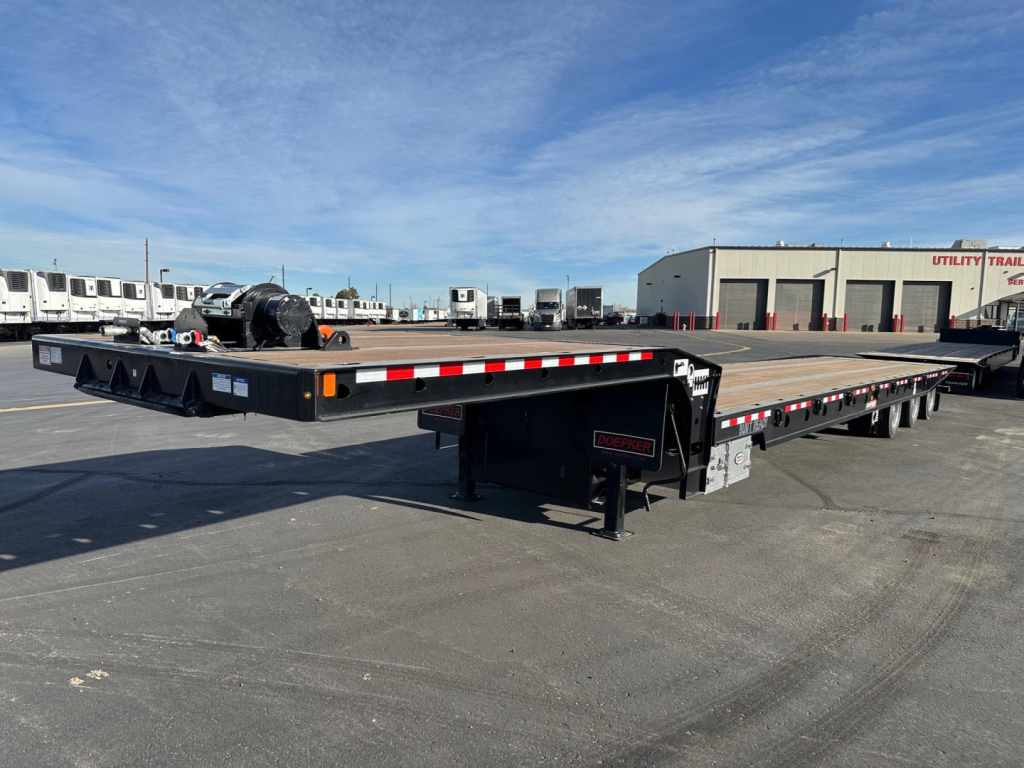
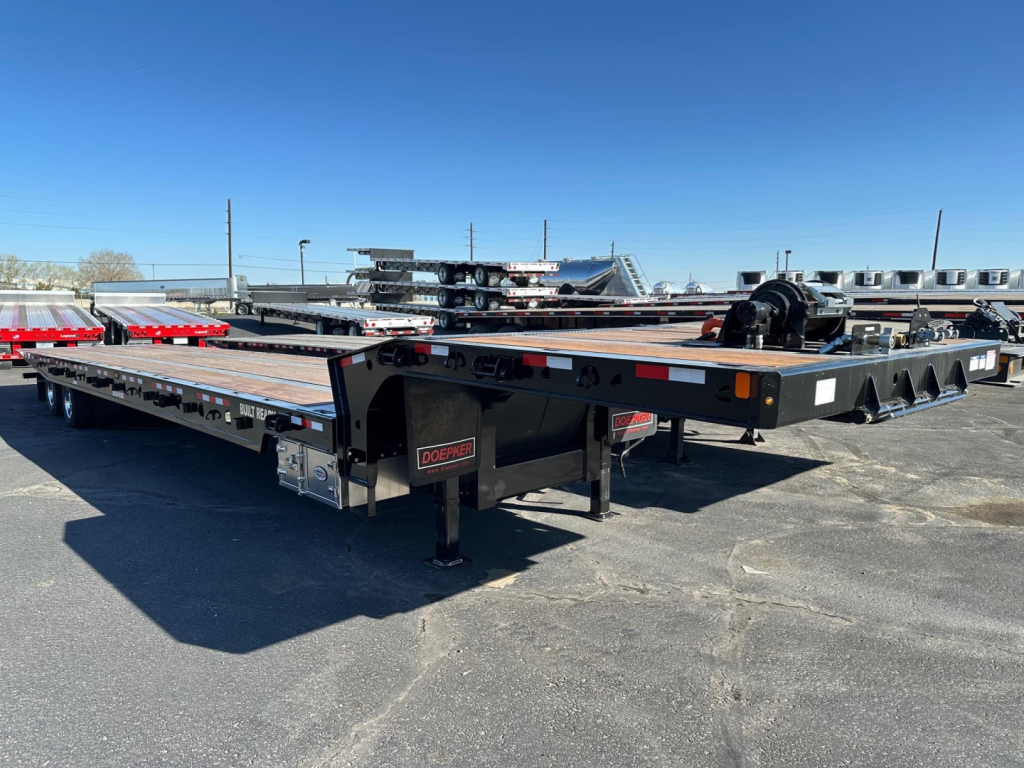
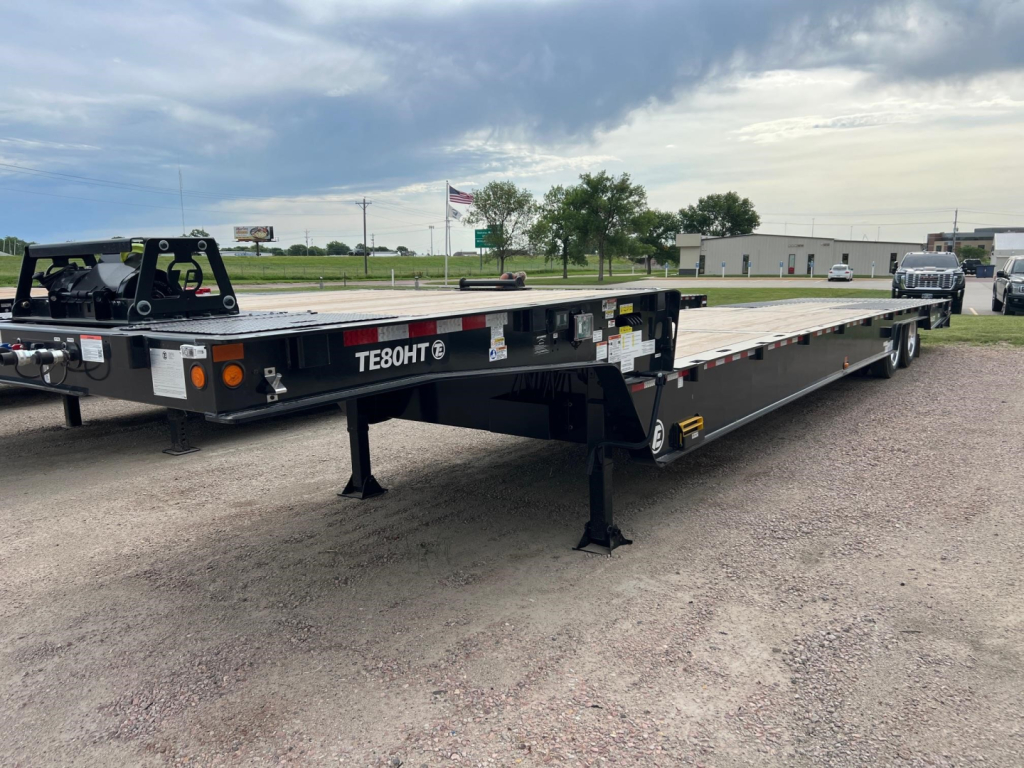
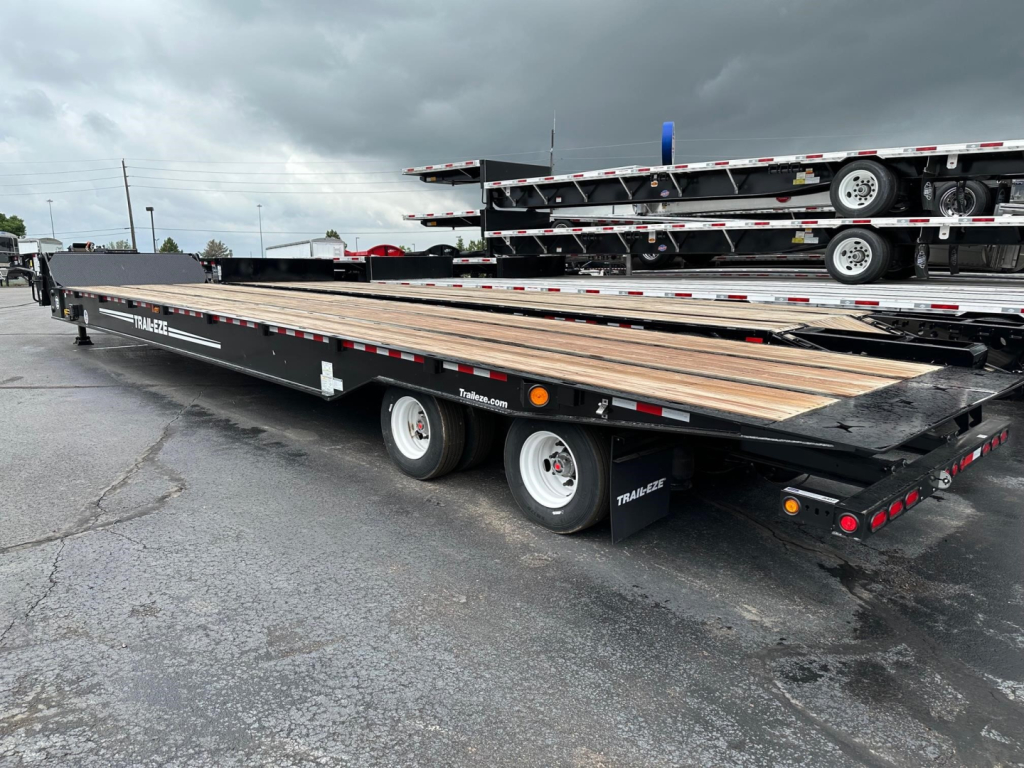
Selling a new 2026 traveling axle trailer? List your new 2026 traveling axle trailer for sale and reach thousands of commercial buyers.
New 2026 Traveling Axle Trailers in Colorado
The first decisions are capacity, deck layout, and axle group. Common specs in this category include 48-foot to 53-foot overall lengths, 102-inch width, upper decks around 8 to 10 feet, and lower decks around 40 feet. Tandem axle models are common in the 40 ton range, while tridem or tri-axle configurations are often used in 55 ton applications where heavier iron and better weight distribution are expected. Air ride suspension is common because it helps protect both trailer and cargo on rough roads and can assist with ride height management during loading. Tire size, wheel package, and axle spacing all affect maintenance cost, replacement availability, and how the trailer performs under repeated heavy cycles.
Loading equipment is where the details separate one traveling axle trailer from another. A 20,000 lb winch is a common spec and is especially useful for dead machines, steep approach loading, and recovery work. Hydraulic tails, knife-edge tails, deck rollers at the neck, and load angles in roughly the 6.75 to 7 degree range are all worth comparing because they directly affect what machines can be loaded without dragging. Apitong decking remains popular for durability and traction, while UHMW slider pads reduce wear and cut down on lubrication needs. Stake pockets, chain slots, J-hooks, fixed winches, tool trays, and onboard scale gauges all add day-to-day usefulness for crews that secure mixed equipment loads and need repeatable setup in the field.
A new 2026 traveling axle trailer should also be evaluated for serviceability and control setup, not just rated tonnage. Manual controls are simple and dependable, while wireless or multi-function remote systems speed up loading and reduce operator movement around the trailer. LED lighting, strobes, dump valves, adjustable ride height, polished outer aluminum wheels, PSI tire inflation systems, and heavy crossmember spacing are the kinds of specs that influence uptime over the long haul. For buyers moving construction equipment, agricultural machines, or recovery units across Colorado and the surrounding region, the right traveling axle trailer is usually the one that matches real load dimensions, loading conditions, and permit strategy rather than simply the highest capacity on paper.
Frequently Asked Questions about New 2026 Traveling Axle Trailers in Colorado
What is a traveling axle trailer used for?
A traveling axle trailer is used to haul equipment that benefits from a reduced loading angle and a more forgiving deck setup. The axle assembly slides rearward to lower the back of the trailer during loading, which helps with machines that have low ground clearance, short ramps, or delicate undercarriage components. Common applications include construction equipment, paving machines, utility equipment, compact machinery, and some recovery or non-running units when paired with a winch.
What is the difference between a traveling axle trailer and a detachable gooseneck lowboy?
A traveling axle trailer keeps the deck and neck connected, and loading is done by sliding the axle assembly back to create a lower approach angle at the rear. A detachable gooseneck lowboy loads from the front after disconnecting the neck. Traveling axle trailers are often preferred for fleets that want simpler loading, fewer neck components, and strong versatility for mixed equipment. A lowboy may be the better tool when deck height and legal loaded height are the top priority for very tall machines.
How do I choose between a 40 ton and 55 ton slide axle trailer?
The right capacity depends on the actual operating weight of the machines you haul, plus attachments, fuel, chains, and the way the load sits across the deck. A 40 ton traveling axle trailer is a common fit for many everyday construction loads and usually offers a good balance of weight, maneuverability, and cost. A 55 ton model is better suited for heavier equipment, more demanding duty cycles, and fleets that need extra structural margin. Buyers should also consider axle count, permit requirements, and bridge law implications rather than focusing only on the headline ton rating.
Why are load angle and winch capacity so important on a slide axle trailer?
Load angle determines how easily a machine can climb onto the deck without dragging, spinning, or hanging up at the transition points. A lower angle is especially important for pavers, rollers, forklifts, and other equipment with low clearance or solid tires. Winch capacity matters when loading disabled equipment or when traction is limited by mud, snow, or steep approaches. A 20,000 lb winch is a common setup in this category because it adds flexibility beyond straight drive-on loading.
What features improve durability and maintenance on a new traveling axle trailer?
Durability comes from frame design, crossmember spacing, deck material, suspension quality, and the wear components used in the sliding system. Apitong decking is widely valued for strength and long service life, while UHMW slider pads reduce friction and eliminate much of the lubrication associated with older designs. Air ride suspension, LED lighting, quality landing gear, accessible tool storage, and tire inflation systems can also improve uptime. Buyers should pay close attention to service access and wear points because a traveling axle trailer sees repeated movement in the axle slide system that needs to stay aligned and supported.