
New 2026 Fontaine Trailers For Sale
Shop new 2026 Fontaine trailers including flatbeds, lowboys, and double drops built for freight efficiency, payload capacity, and durability.
Have new 2026 fontaine trailer to sell? List it here to reach thousands of buyers.
New 2026 Fontaine Trailers
On the flatbed side, common Fontaine specs include combo construction, aluminum floors with wood nailers, stake pockets on regular centers, sliding winches, and kingpin settings that help match axle weights to the tractor and freight mix. In shorter platform lengths, some specs are designed around truck-mounted forklift use, with counterweight packages, forklift kits, bulkheads, and lift axle configurations to keep the trailer legal and stable when empty or partially loaded. Buyers should pay close attention to floor construction, bulkhead design, crossmember spacing, tire size, and whether the trailer is built for concentrated loads or more conventional distributed freight.
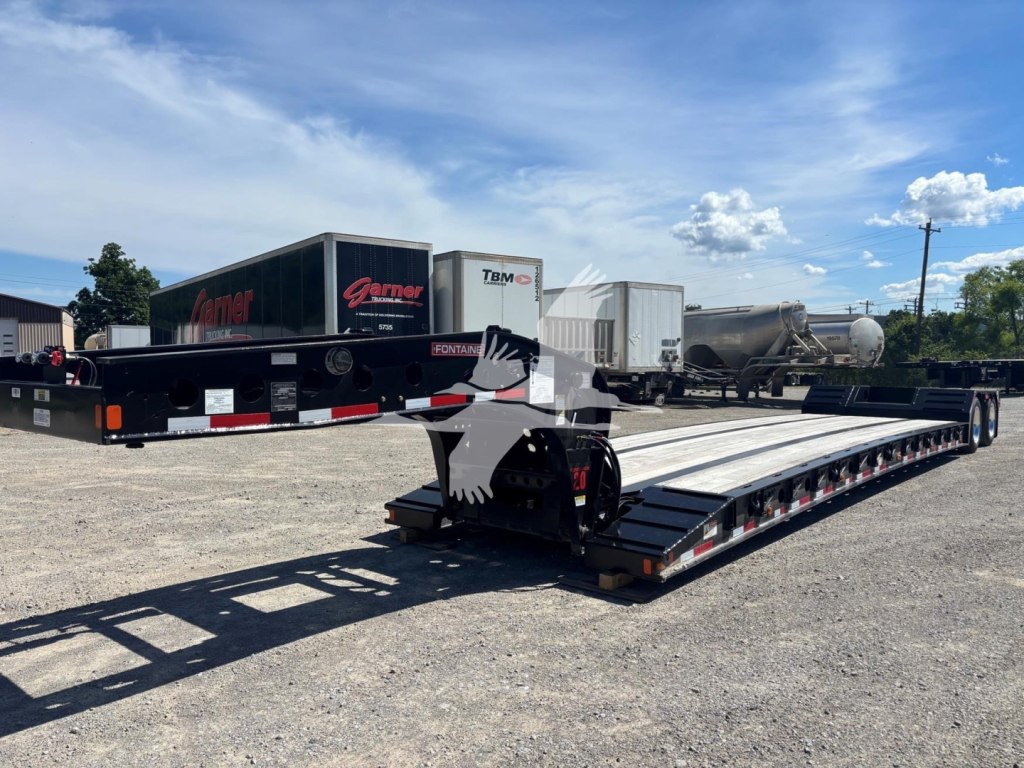
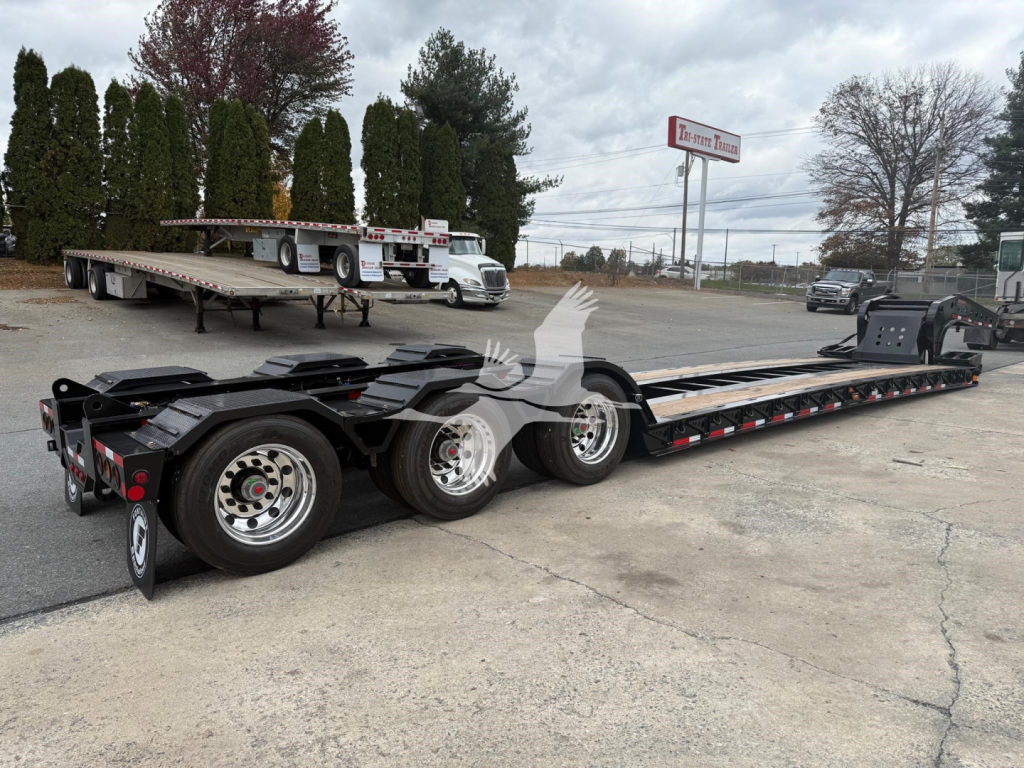
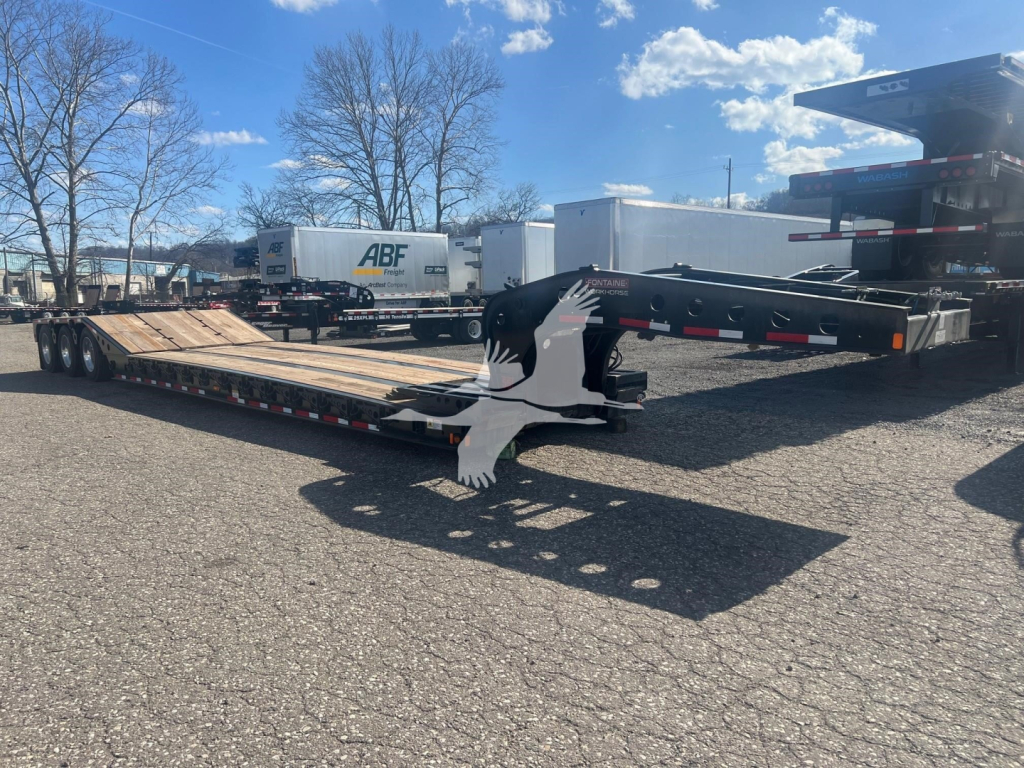
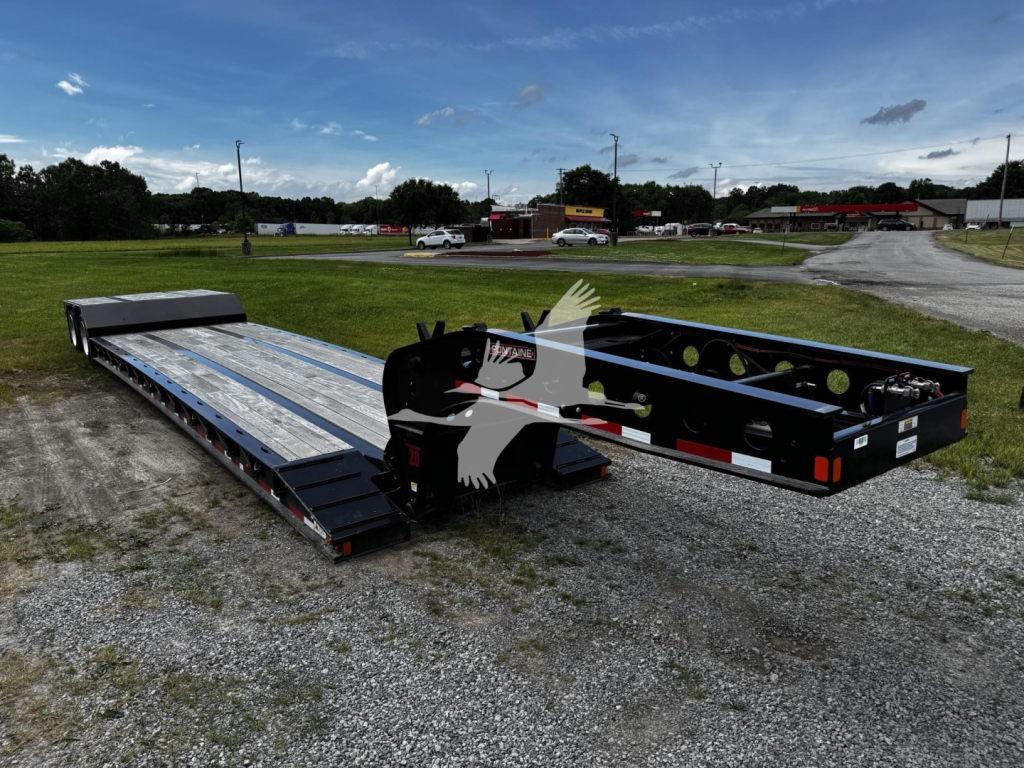
In Fontaine Specialized products such as double drops and lowboys, the key numbers are loaded deck height, swing clearance, deck length, overall capacity, axle spread, and neck style. Mechanical detachable neck models remain common for fleets that want straightforward operation and lower complexity, while extendable and modular heavy haul setups serve machinery, construction, and energy-related freight where legal payload depends on axle group, state rules, and permit strategy. Features like outriggers, air ride suspension, flip axle connections, wet-line compatibility, lift axles, and aluminum outer wheels can materially affect both jobsite versatility and long-haul operating cost. A buyer in this category should verify not just rated capacity, but how the trailer is actually configured for the intended load shape, deck loading points, and routing requirements.
Condition matters differently on a new trailer than on used equipment. With a new 2026 Fontaine trailer, the focus is on getting the spec right for the lanes and freight before the trailer ever hits the road. That includes legal dimensions, tare weight, securement layout, suspension type, deck material, and compatibility with the tractors already in the fleet. For many operations, Fontaine trailers appeal because they are built in well-known configurations that drivers, shops, and shippers already understand. That can shorten training time, simplify maintenance planning, and make it easier to keep specialized equipment productive across different customers and seasons.
Frequently Asked Questions about New 2026 Fontaine Trailers
What types of trailers are commonly available from Fontaine?
Fontaine is widely known for flatbed trailers, step decks, double drops, lowboys, and specialized heavy haul configurations. In practical buying terms, that means the brand covers both standard open-deck freight and more demanding equipment transport where low deck height, detachable necks, outriggers, flip axle connections, or extendable decks are required. The exact trailer type should be matched to the freight profile, loading method, and permit environment rather than chosen by capacity rating alone.
What should I compare first when shopping for a new Fontaine flatbed trailer?
Start with construction type, trailer length, floor design, and securement layout. A combo flatbed may reduce tare weight, while details like aluminum flooring with wood nailers, stake pocket spacing, sliding winches, and bulkhead configuration affect daily usability. If the trailer will carry a piggyback forklift, the forklift kit, counterweight setup, axle arrangement, and kingpin setting become critical because they directly influence legal weight distribution, stability, and empty ride characteristics.
How do deck height and swing clearance affect a Fontaine double drop or lowboy?
Loaded deck height determines how tall a piece of equipment can be before permits or route restrictions become more difficult. Lower deck height increases clearance under bridges and utility lines, which is often the deciding factor in heavy haul work. Swing clearance matters at the neck transition and during turns because certain machines, attachments, or tracked equipment need room to load and travel without contacting the trailer structure. These dimensions are core buying criteria on any double drop or lowboy, often more important than headline tonnage.
Are flip axles and lift axles important on Fontaine heavy haul trailers?
Yes. Flip axles and lift axles can change how a trailer carries weight, spreads load, and handles empty backhauls. A flip axle is commonly used to increase legal payload options and adapt the trailer to heavier or more demanding loads, while a lift axle can reduce tire wear and improve maneuverability when the trailer is not fully loaded. The value of either option depends on state bridge laws, expected payloads, and whether the operation regularly runs permitted freight.
Why do many buyers pay close attention to tare weight on a Fontaine trailer?
Tare weight directly affects payload capacity and revenue potential. On flatbeds, a lighter trailer can mean more legal cargo weight on routine loads such as steel, building products, or palletized freight. On specialized trailers, tare weight still matters because heavy haul permits are based on actual axle weights and gross vehicle weight, not just the trailer's published rating. A well-specced trailer needs enough structural strength for the job without carrying unnecessary weight that cuts into legal payload.