
New 2026 Fontaine Lowboy Trailers For Sale
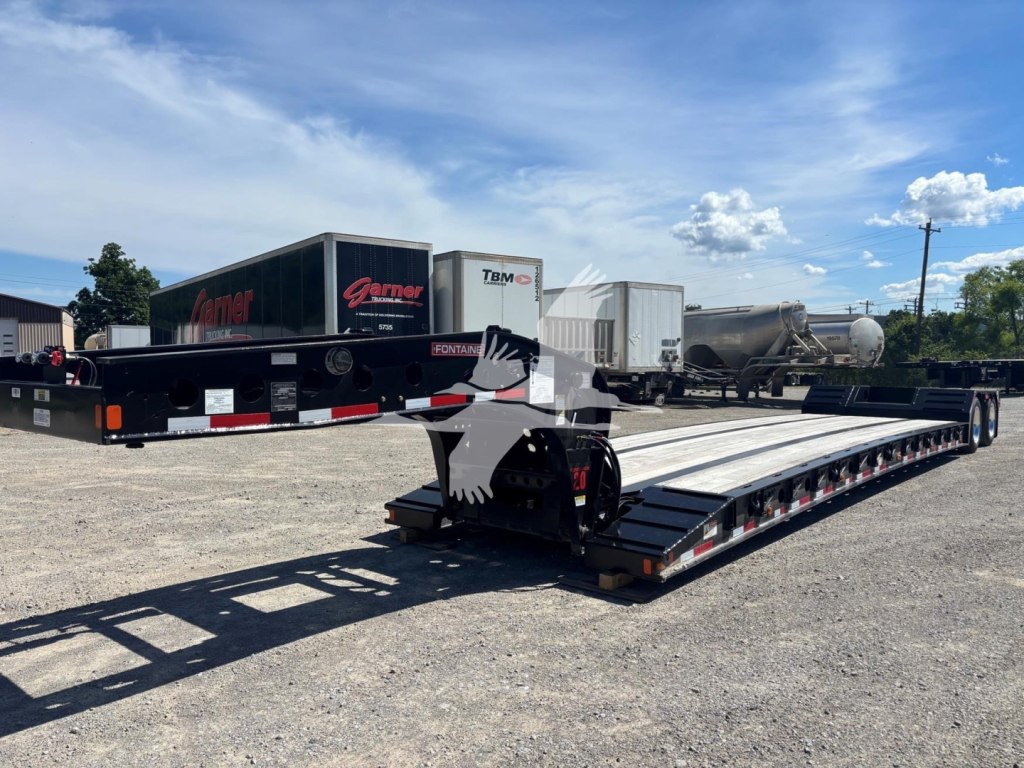
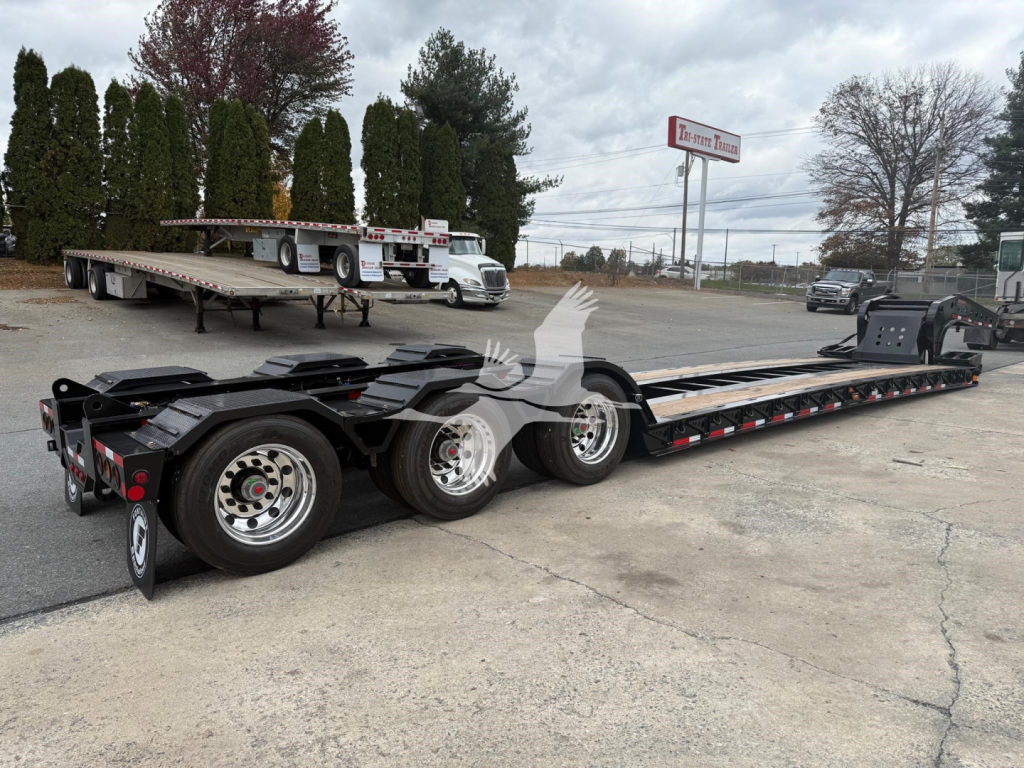
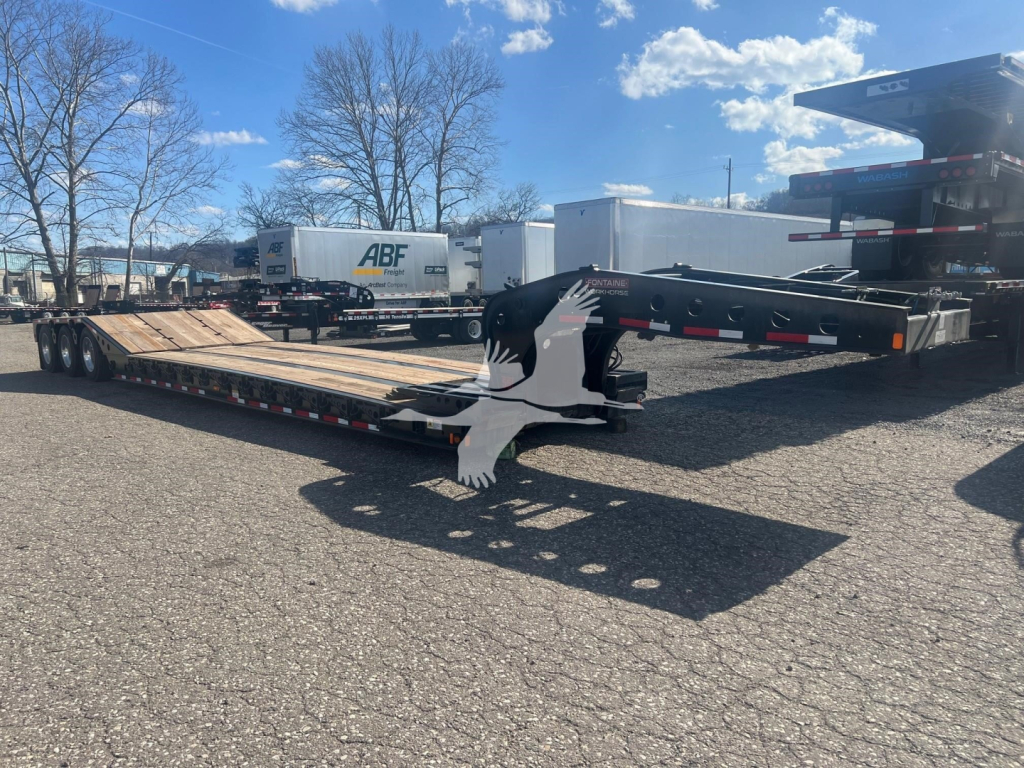
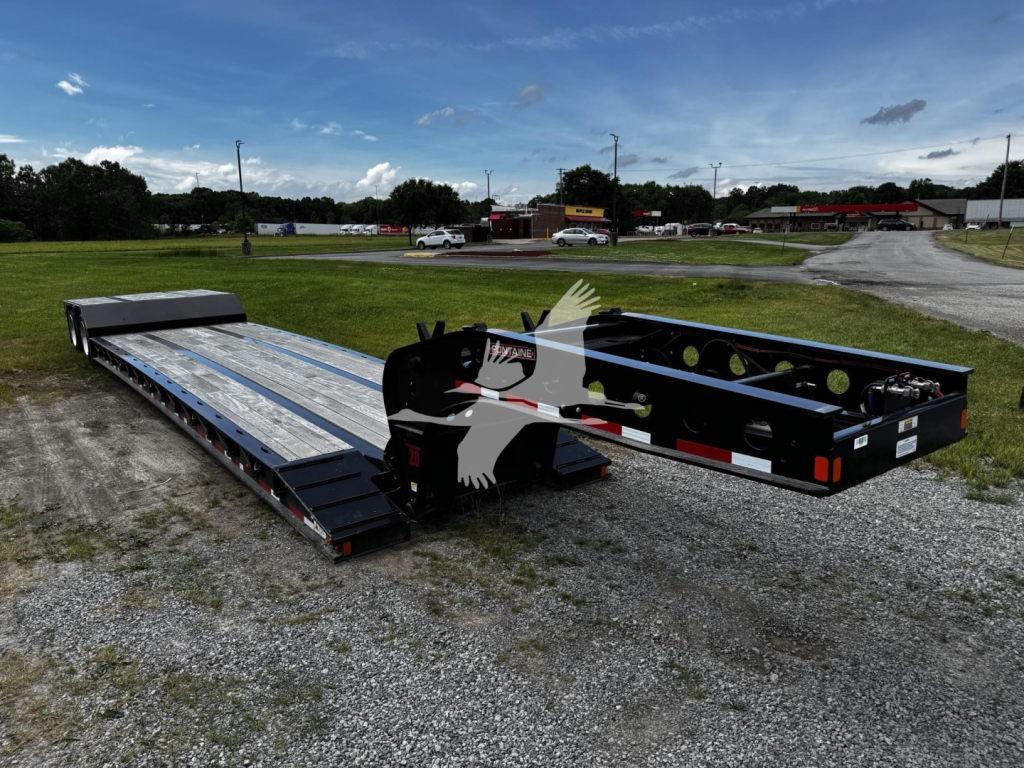
New 2026 Fontaine lowboy trailers built for heavy equipment hauling, with detachable goosenecks, low deck heights, and serious payload capability.
Have new 2026 fontaine lowboy trailer to sell? List it here to reach thousands of buyers.
New 2026 Fontaine Lowboy Trailers
The first decision is usually capacity and deck style. Many Fontaine lowboy trailers in this class fall into 30-ton to 40-ton ratings in a 16-foot concentrated load area, with tandem axle setups and provisions for a third axle flip on some models. A mini-deck lowboy gives you a very low loaded deck height, often around 12 inches, which helps with taller machines and reduces permitting headaches. A double-drop hydraulic detachable model may run a taller main deck, closer to 20 inches, but can offer different loading geometry, more versatility, and strong compatibility with excavators, dozers, loaders, and other equipment that benefits from a detachable neck for front loading.
Deck dimensions and connection details matter as much as ton rating. Buyers should pay close attention to top deck length, main deck length, rear deck length, and loaded fifth wheel height, since these affect tractor compatibility, axle spread, and the real usable footprint for equipment with attachments. Common features on Fontaine lowboys include 102-inch overall width, Apitong flooring, traction cleats on sloped approaches, steel side rails, D-ring tie-downs, battery-powered rear strobes, and air ride suspension with mechanical ride height control. Some models are set up with removable swing outriggers, while others keep a clean deck edge for equipment-focused hauling. If your operation regularly moves mixed freight or oversized components, outrigger count, crossmember spacing, and deck hardware deserve a close look.
A buyer comparing new Fontaine lowboy trailers should also think about operating environment and serviceability. Hydraulic detachable goosenecks can be ordered with non-ground-bearing necks and pony motor systems, which can simplify hook-up and unloading in the field. Ride height positions, closed tandem settings, axle lift or flip-axle compatibility, and bogie construction all influence how well the trailer handles changing load profiles. Tire size, suspension type, liquid-filled gauges, and wheel material are not cosmetic details on a lowboy. They affect maintenance cost, durability, and uptime. For fleets hauling iron every day, the right Fontaine lowboy is less about maximum advertised capacity and more about matching deck height, neck style, axle configuration, and tie-down layout to the equipment you actually move.
Frequently Asked Questions about New 2026 Fontaine Lowboy Trailers
What is the main advantage of a Fontaine lowboy trailer compared with a standard flatbed or step deck?
A Fontaine lowboy trailer gives you a much lower deck height, which is the key advantage when hauling tall or heavy equipment. That lower deck helps keep overall loaded height within legal limits, reduces the need for route restrictions in some cases, and improves loading stability for machines with a high center of gravity. A lowboy also handles concentrated equipment weight better than a general-purpose flatbed, especially when the trailer is built around a rated load area such as 16 feet.
What capacity range is common on new Fontaine lowboy trailers?
A common range in this category is about 30 tons to 40 tons, often measured in a 16-foot concentrated load area. Exact capacity depends on axle count, deck design, neck construction, and whether the trailer is configured to accept a flip axle or additional axle equipment. Buyers should verify not only the published ton rating, but also how that rating applies to the actual machine dimensions and weight distribution they plan to haul.
What is the difference between a mini-deck lowboy and a hydraulic detachable double-drop lowboy?
A mini-deck lowboy is designed around an especially low main deck height, which is useful for hauling taller equipment while keeping legal overall height. A hydraulic detachable double-drop lowboy uses a detachable gooseneck and a lowered deck section between the neck and rear bogie, giving you front-loading convenience and flexibility for a wide range of machines. The better choice depends on your equipment mix, preferred loading method, and how much deck height matters in your lanes.
Which specs matter most when comparing lowboy trailers for equipment hauling?
The most important specs are deck height, main deck length, top deck length, rear deck length, axle configuration, suspension type, and concentrated load rating. Buyers should also check loaded fifth wheel height, ground clearance, tie-down layout, outrigger setup, flooring material, and whether the trailer is designed to accept a third axle flip. These details affect permit exposure, tractor compatibility, ease of loading, and how securely different machines can be positioned on the deck.
Are detachable goosenecks worth it on a lowboy trailer?
For many equipment haulers, a detachable gooseneck is worth the added complexity because it makes loading self-propelled machines faster and safer. Front loading is often easier for excavators, dozers, rollers, and other tracked or wheeled equipment than climbing ramps from the rear. A hydraulic detachable neck can also improve day-to-day versatility, especially when paired with features like multiple ride height positions, a pony motor, and non-ground-bearing operation for field use.