
New 2026 Drop Deck Trailers For Sale
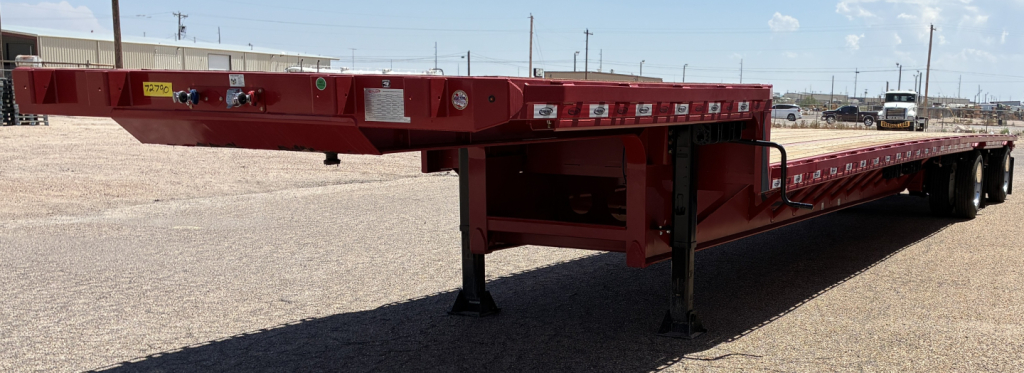
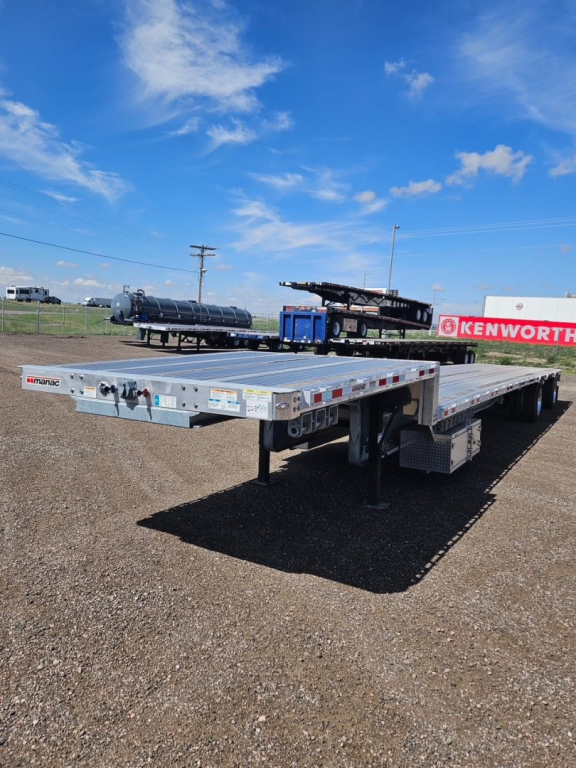
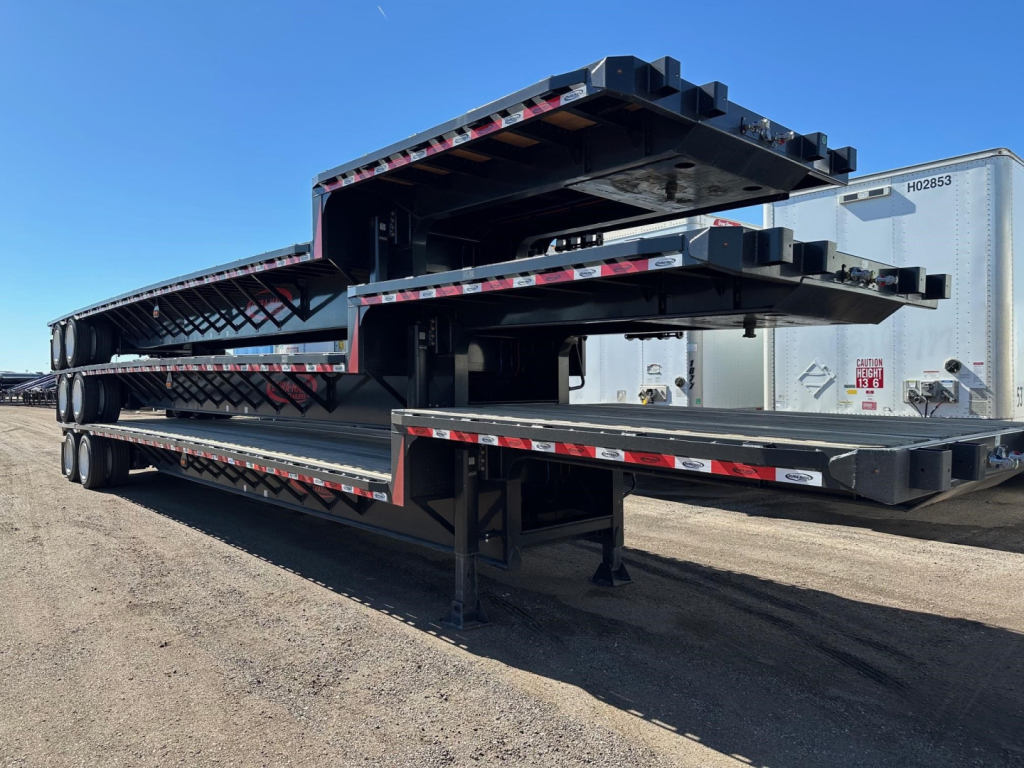
Shop new 2026 drop deck trailers with air ride, beavertails, ramps, and heavy-duty securement options for machinery, steel, and freight.
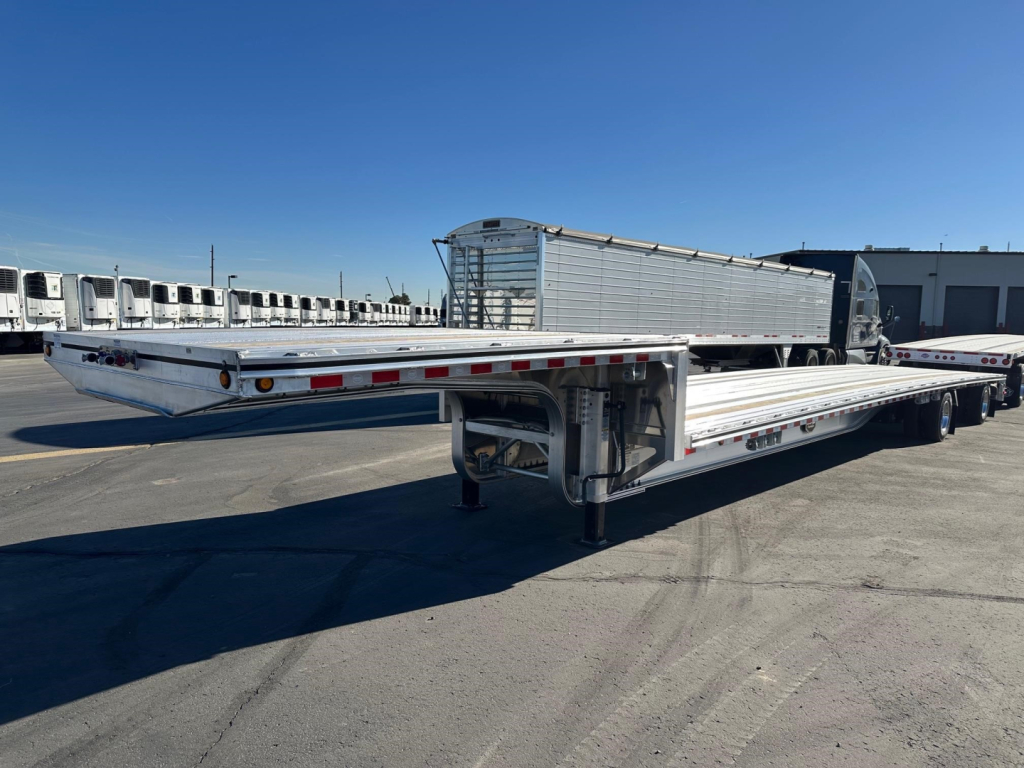
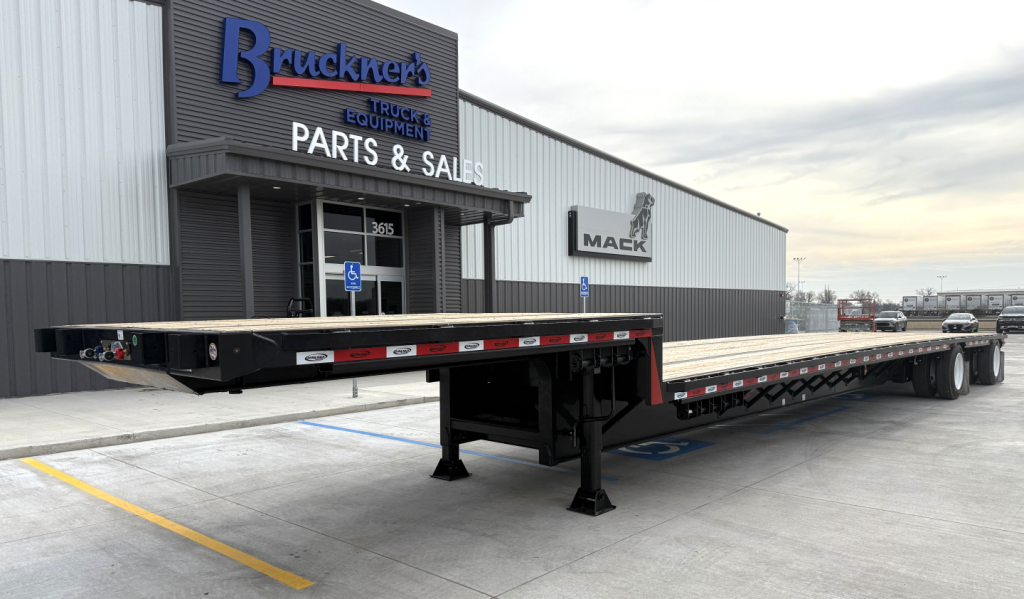
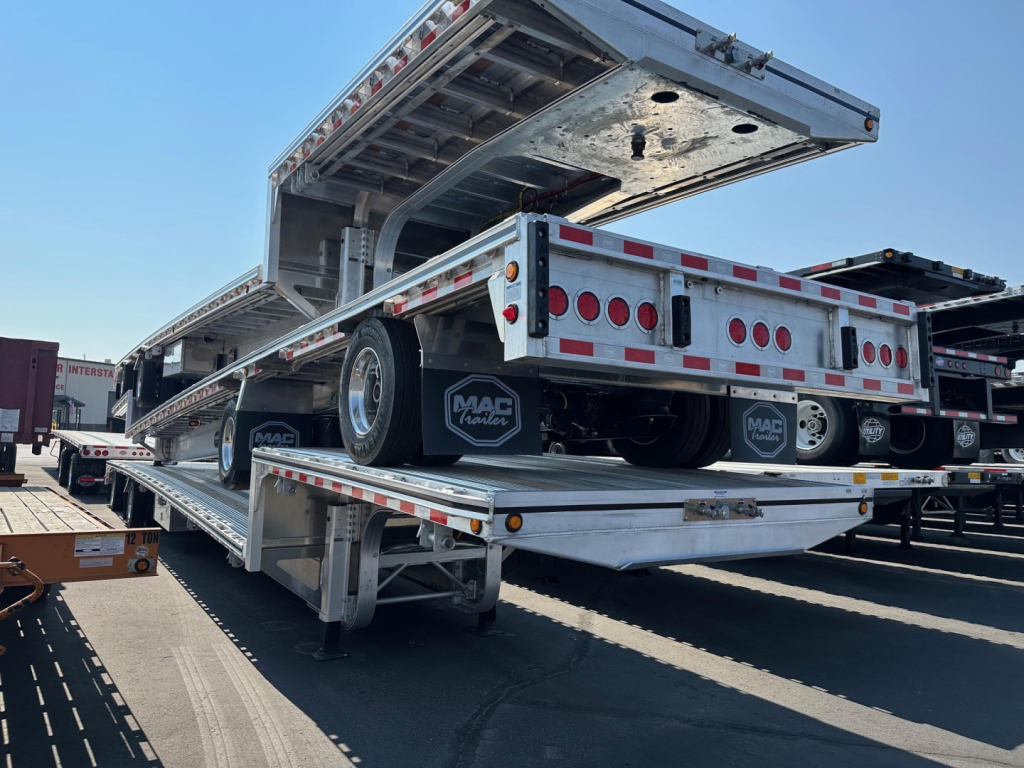
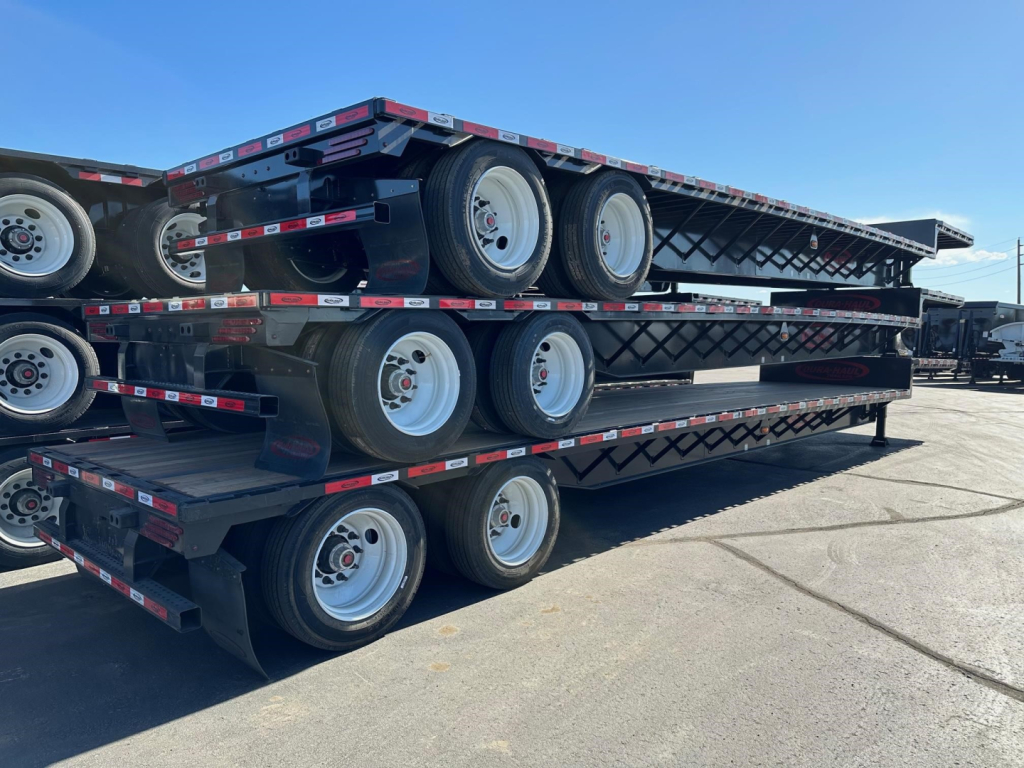
Selling a new 2026 drop deck trailer? List your new 2026 drop deck trailer for sale and reach thousands of commercial buyers.
New 2026 Drop Deck Trailers
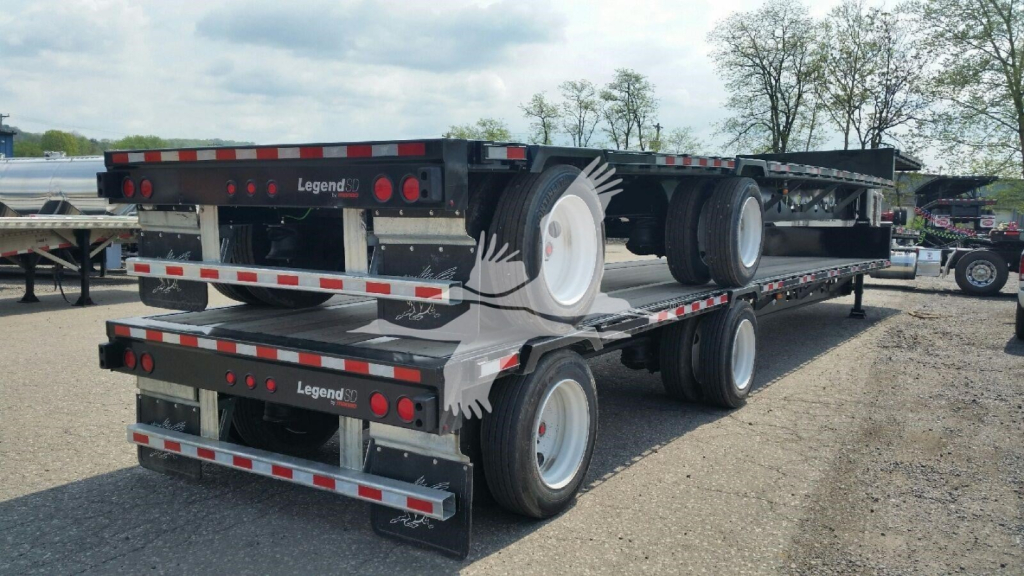
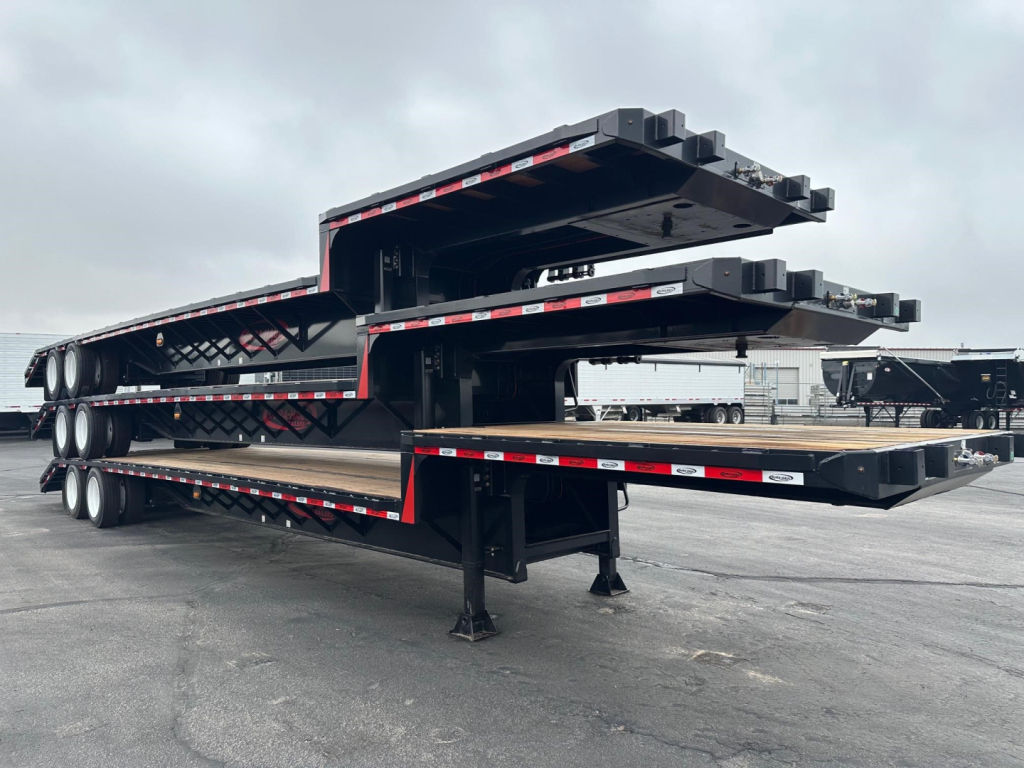
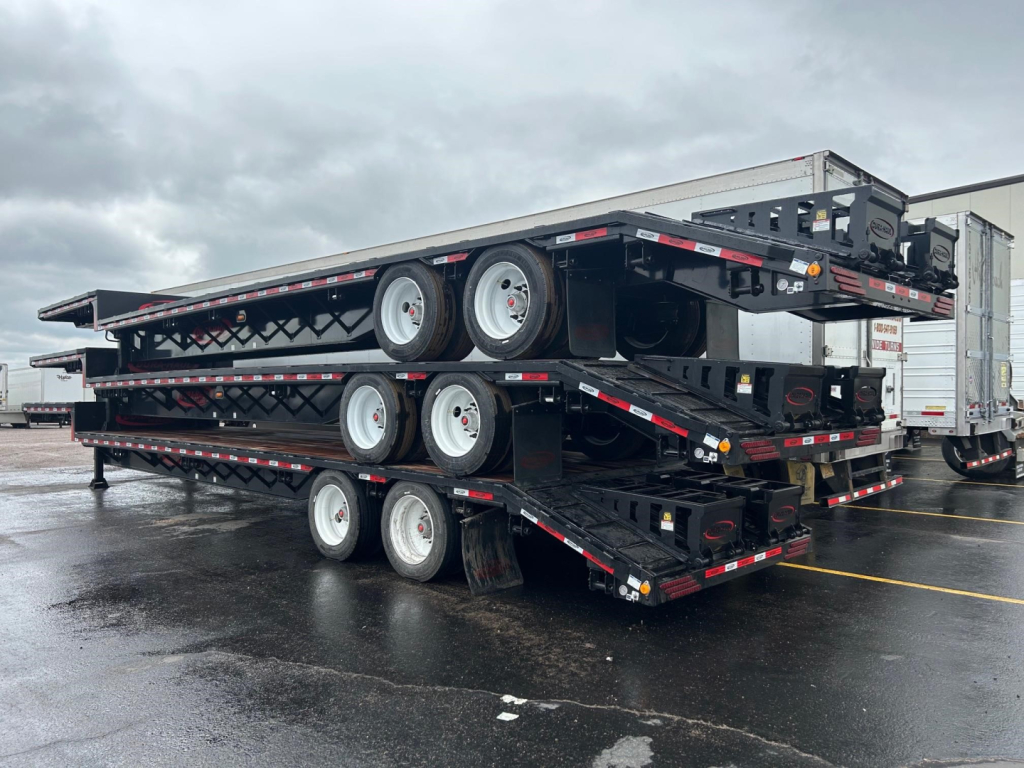
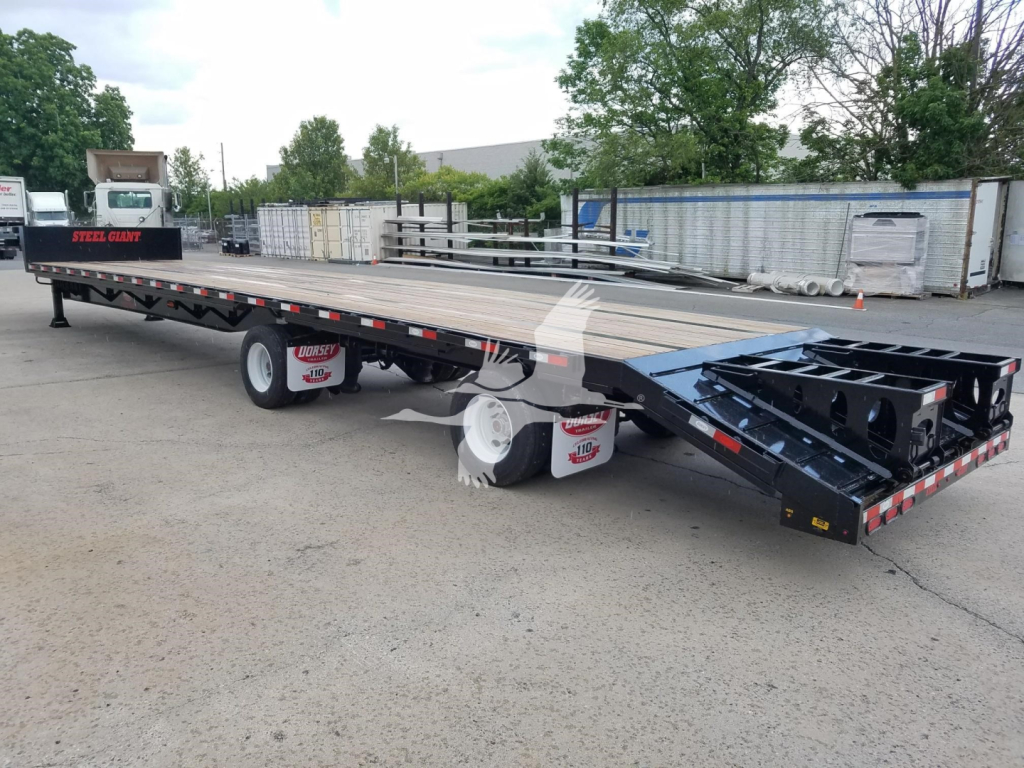
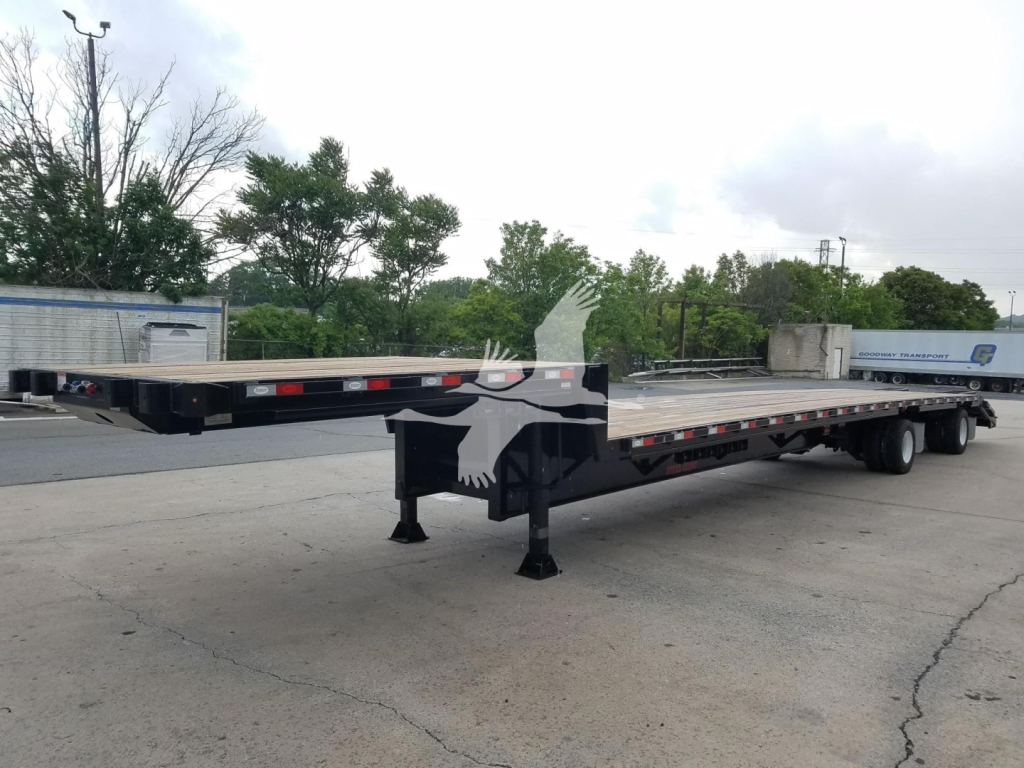
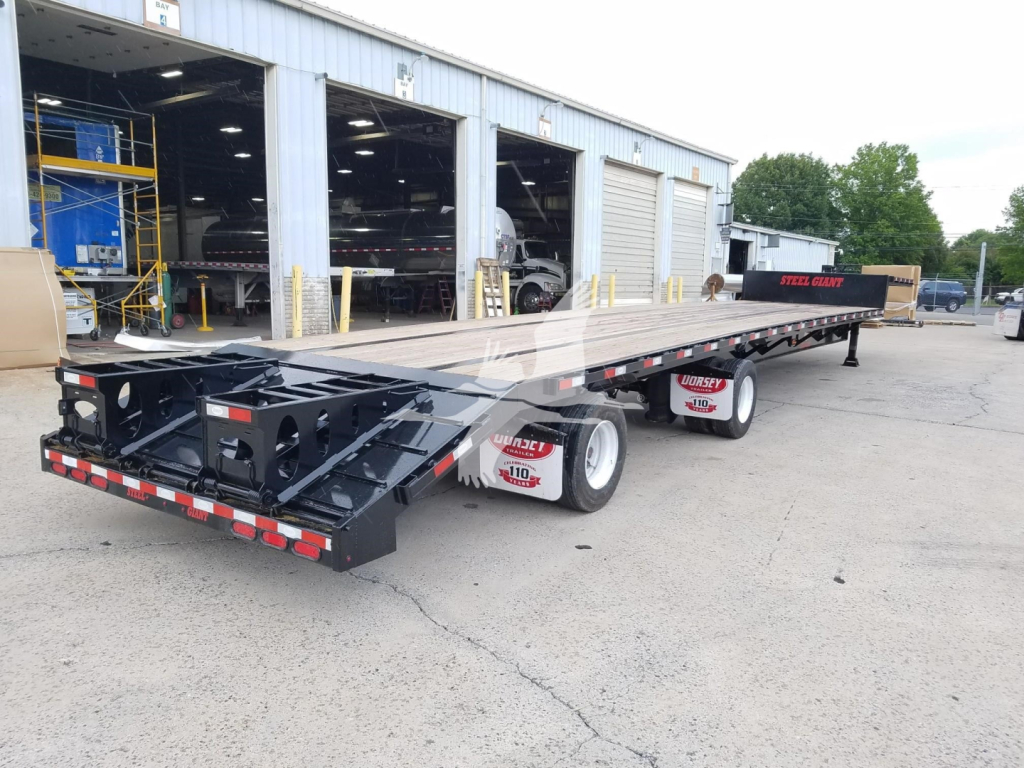
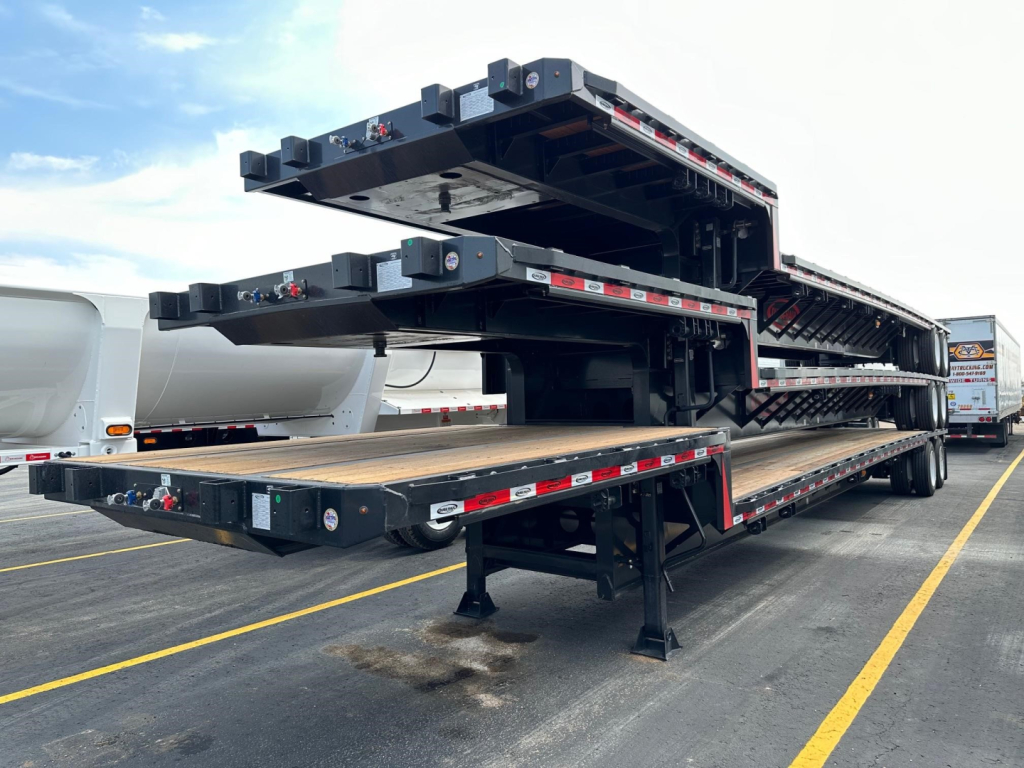
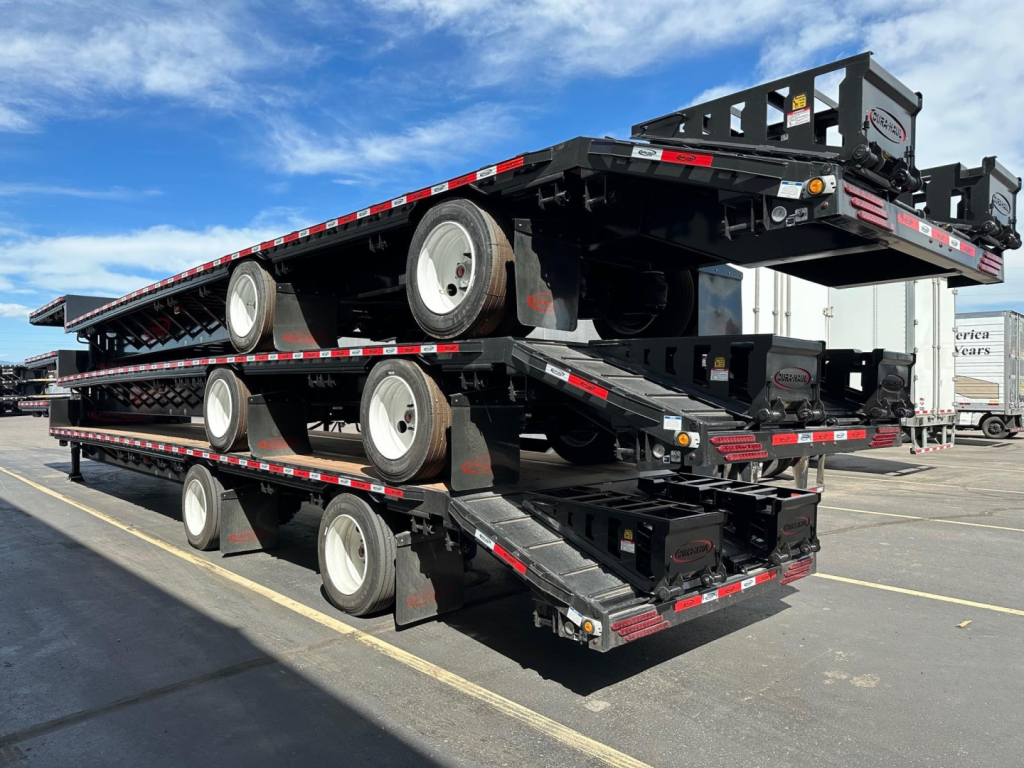
Deck layout and loading configuration matter more than the model year on this trailer class. Common lengths are 48 and 53 feet, usually at 102 inches wide, with upper decks around 10 feet and lower decks in the high-30 to low-40 foot range. Lower deck height often lands around 38 to 41 inches loaded, depending on suspension, tire size, and frame design. If the work includes forklifts, compact equipment, or wheeled machinery, a beavertail with spring-assisted ramps or flip ramps can speed loading and reduce the need for separate dock access. Buyers handling mixed freight may prefer a straight drop deck with full winch track, stake pockets, pipe spools, and sliding winches for more flexibility across steel, lumber, machinery, and palletized loads.
Frame construction, deck material, and suspension choice all affect long-term operating cost. Steel drop decks are common for rugged service and straightforward repairs, while combo and aluminum models cut tare weight for better payload. Apitong flooring remains a popular spec because it holds up well under concentrated contact from equipment and chains, while aluminum floors can be attractive for weight-sensitive applications. Air ride suspension is widely preferred for ride quality and cargo protection, and spread axle configurations can improve bridge compliance and stability, though they add considerations for turning radius and tire wear. Important spec points to compare across listings include kingpin setting, axle spread, crossmember spacing, concentrated load rating, loaded fifth wheel height, tire size, and whether the trailer includes galvanized components, dump valve, scale gauge, dock bumpers, centralized grease, or toolboxes.
Securement setup should match the freight mix, not just the price tag. Machinery buyers often look for chain slots, keyhole tie-downs, traction plates, hydraulic tails, and strong deck ratings in a defined area such as 50,000 to 60,000 pounds in 10 feet. General freight operators usually focus on rub rail design, stake pocket spacing, winch track placement, number of sliding winches, and compatibility with flat hooks, chains, and coil securement. A new 2026 drop deck trailer is often chosen to standardize fleet specs, minimize early maintenance, and match current routing and loading demands. The right trailer is the one whose deck height, rear loading angle, weight rating, and securement package fit the freight you haul every week, not just the occasional oversized load.
Frequently Asked Questions about New 2026 Drop Deck Trailers
What is the main advantage of a drop deck trailer compared to a flatbed trailer?
A drop deck trailer gives you a lower main deck height than a standard flatbed, which allows taller freight to move while staying within legal overall height limits. That makes it a common choice for machinery, building materials, palletized freight, tanks, and other loads that would sit too high on a flatbed. It also provides more flexibility for freight that does not require a full lowboy setup.
What length and deck dimensions are most common on new drop deck trailers?
The most common drop deck sizes are 48-foot and 53-foot trailers at 102 inches wide. Many have an upper deck around 10 feet long and a lower deck in the 38- to 43-foot range. Loaded lower deck height is often around 38 to 41 inches, but the exact number depends on tire size, suspension, frame design, and how the trailer is spec'd.
When should I choose a beavertail or ramps on a drop deck trailer?
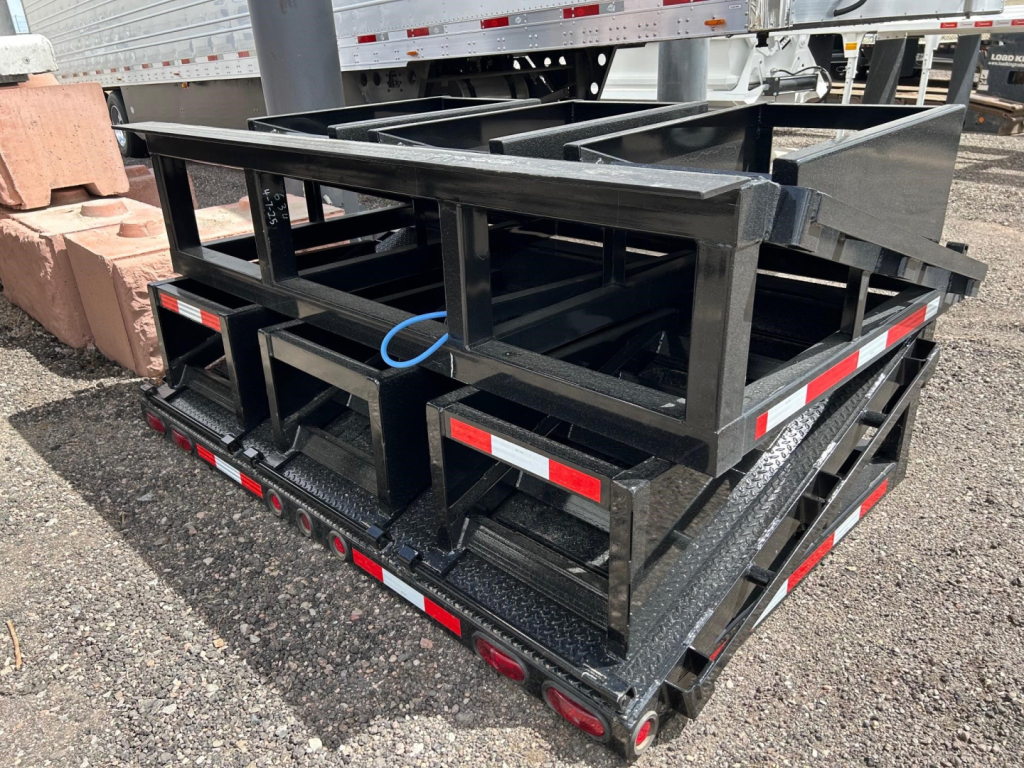
A beavertail and ramp package makes sense when the trailer will regularly load wheeled or tracked equipment without relying on a dock or external ramp. This setup improves loading angle and can save time for operators hauling skid steers, small tractors, lifts, and other compact equipment. If the trailer will mainly haul palletized freight, steel, or bundled materials, a straight deck without ramps may provide more usable deck space and lower empty weight.
Is air ride suspension worth it on a drop deck trailer?
Air ride is the preferred suspension on many new drop deck trailers because it improves ride quality, helps protect sensitive cargo, and is widely accepted across general freight and machinery applications. It can also assist with loading and unloading when paired with a dump valve. Buyers should still compare axle configuration, suspension brand, and maintenance access, because those details affect stability, tire wear, and long-term service cost.
What specs matter most when comparing new drop deck trailers?
The most important specs are lower deck height, deck length, concentrated load rating, axle spread, kingpin setting, suspension type, crossmember spacing, and securement equipment. Buyers should also pay attention to deck material, ramp or tail design, tire size, winch track layout, stake pocket spacing, and corrosion protection such as galvanizing. These details determine how well the trailer fits your freight profile, route restrictions, and maintenance plan.