
New 2026 Drop Deck Trailers For Sale in Ohio
Shop new 2026 drop deck trailers in Ohio. Compare 48-ft to 53-ft specs, axle setups, deck height, tie-down options, and air ride suspensions.
Selling a new 2026 drop deck trailer? List your new 2026 drop deck trailer for sale and reach thousands of commercial buyers.
New 2026 Drop Deck Trailers in Ohio
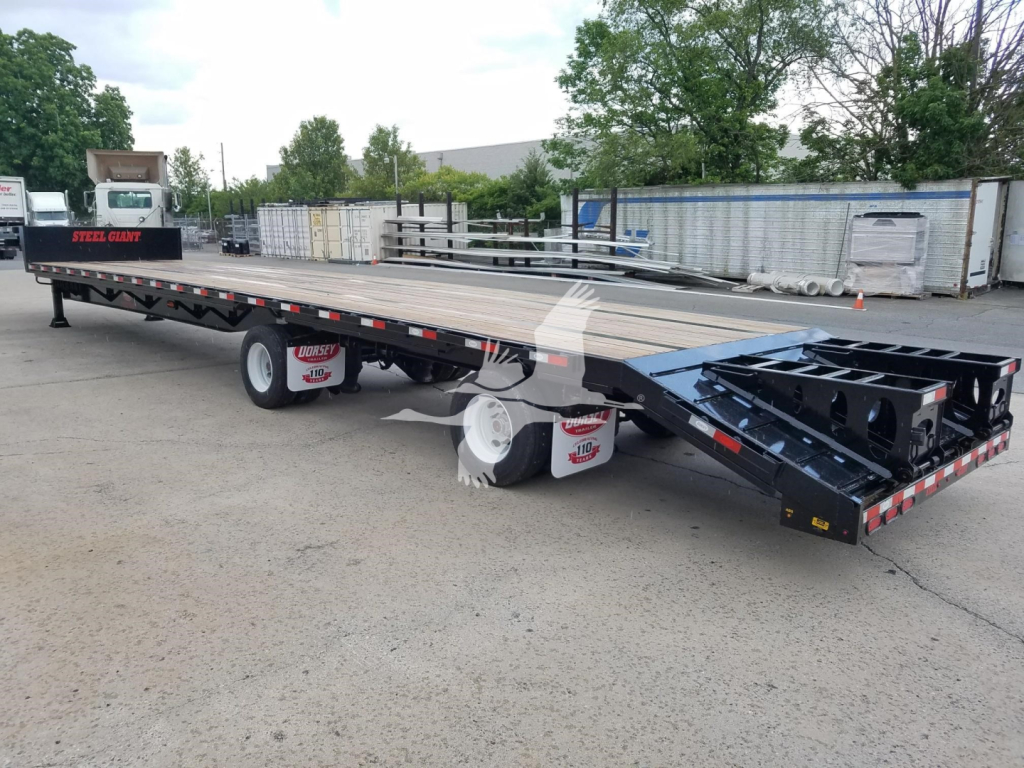
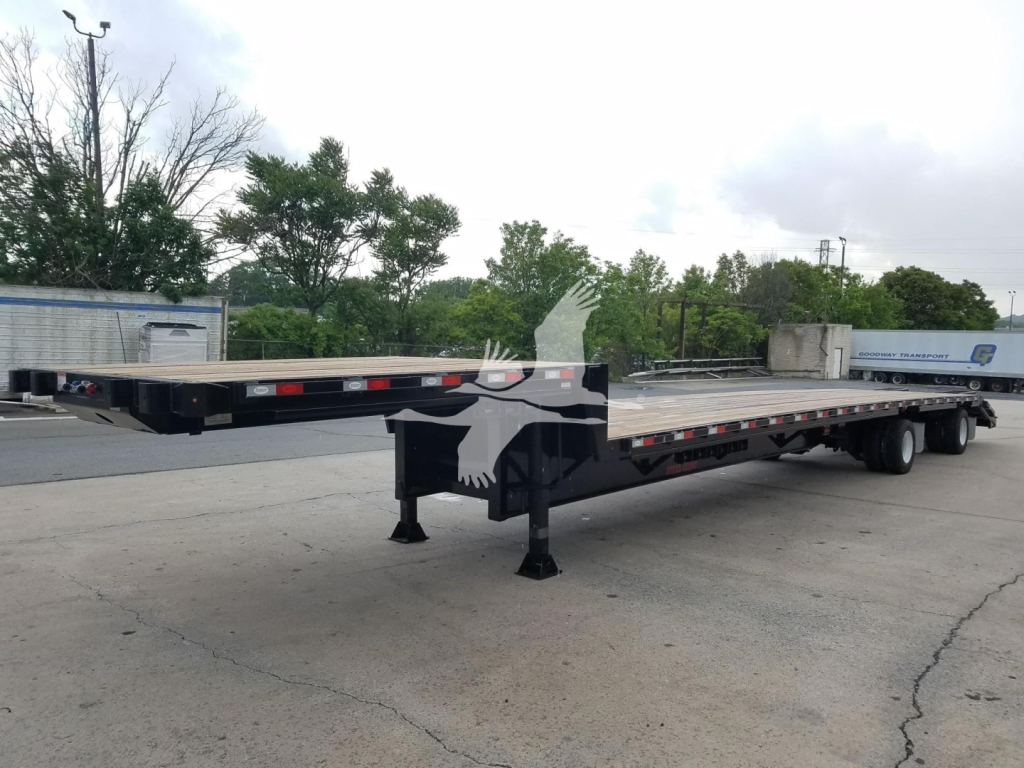
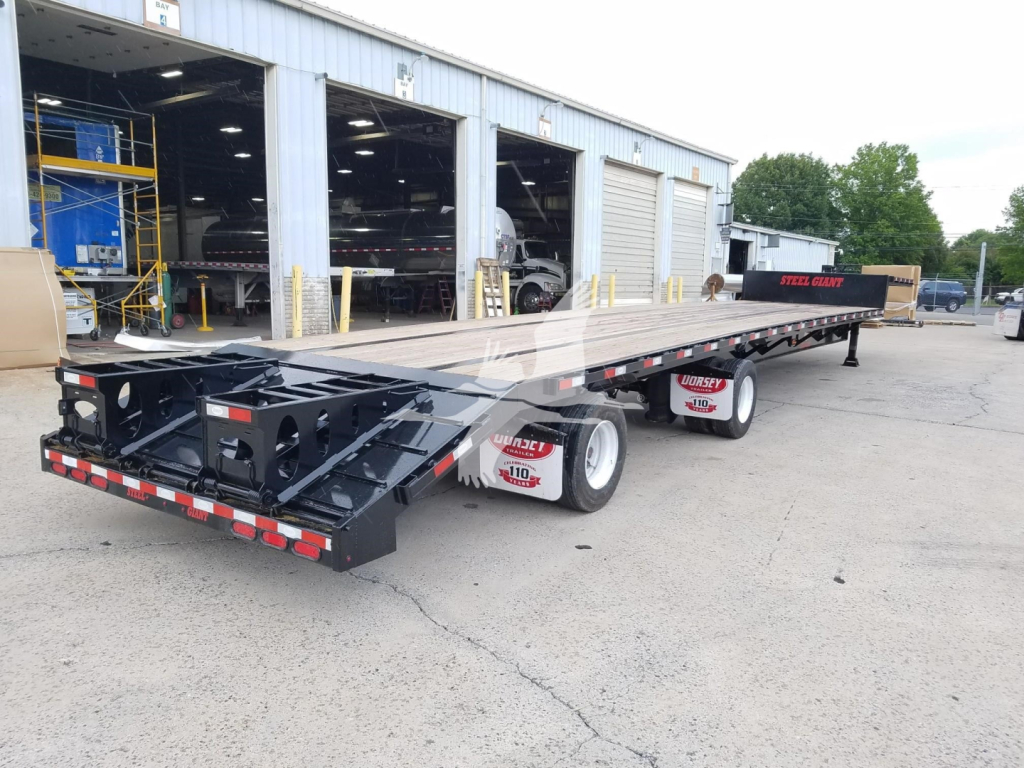
Construction details matter because drop decks see a wide mix of concentrated loads, forklifts, and securement methods. Steel drop deck trailers are popular for durability and repairability, especially in regional and mixed-freight work. Common specs include 102-inch overall width, 1 1/8-inch Apitong flooring, steel side rails, double pipe spools, roadside winch tracks, and 12 sliding winches. Buyers hauling machinery or steel should pay close attention to crossmember spacing, beam design, chain slot layout, and deck ratings in concentrated areas. Features like coil packages, 4-way chain slots, deep side rails that accept flat hooks, and galvanized crossmembers or rear bumpers can make a real difference in service life and day-to-day load securement.
Axle and suspension configuration should match how the trailer will actually earn. Tandem axle air ride setups with spread axles are common for general freight and offer a good balance of tare weight, maneuverability, and maintenance cost. Tri-axle drop deck trailers are a better fit for heavier legal payloads, specialized freight, or operators working under higher GVWR requirements, and a center lift axle can add versatility when running empty or lightly loaded. Hendrickson Intraax and Ridewell suspensions are widely seen in this category, often paired with dump valves, 255/70R22.5 or 275/70R22.5 tires, and two-speed landing gear. Kingpin setting, axle spread, swing clearance, and beam rating are worth comparing closely because they affect bridge compliance, turning clearance, and how comfortably the trailer handles dense freight.
Ohio buyers often look for drop deck trailers that can handle a mix of interstate freight, construction support, equipment moves, and industrial loads across the Midwest. That makes practical options especially valuable: beavertails with spring-assisted ramps, rear auxiliary receptacles, LED lighting, mud flap bracket placement, same-size inner and outer bearings, aluminum air tanks, and corrosion-resistant components. A good 2026 drop deck trailer should not just match the freight on paper. It should give you the right deck length, securement package, axle layout, and structural rating to load quickly, scale legally, and stay productive over high annual miles.
Frequently Asked Questions about New 2026 Drop Deck Trailers in Ohio
What is the difference between a drop deck trailer and a flatbed trailer?
A drop deck trailer, also called a step deck trailer, has an upper deck over the tractor frame and a lower main deck behind it. That lower deck height allows taller freight to move legally without requiring the extra ride height of a standard flatbed. Buyers usually choose a drop deck when they need more vertical clearance for machinery, crated equipment, or industrial freight but still want the loading access and open deck versatility of a flatbed-style trailer.
What size drop deck trailer is most common?
The most common drop deck sizes are 48-foot and 53-foot models at 102 inches wide. Many 48-foot units have about a 10-foot to 11-foot top deck and a 37-foot to 38-foot main deck, while 53-foot models may include a longer lower deck or a beavertail section. The right size depends on your freight mix, axle laws, and whether you need extra deck length for equipment, building materials, or mixed LTL-style flatbed loads.
Should I buy a tandem axle or tri-axle drop deck trailer?
A tandem axle drop deck is usually the best fit for general freight because it keeps tare weight and maintenance lower while remaining flexible for everyday hauling. A tri-axle drop deck is better suited for heavier payloads, higher GVWR applications, and specialized freight where bridge distribution and legal weight matter more. If your operation regularly handles dense machinery, steel, or regional heavy-haul work, the added axle capacity can justify the extra complexity.
What specs matter most when comparing new drop deck trailers?
Deck height, top deck length, lower deck length, axle configuration, suspension brand, crossmember spacing, and securement layout are the most important specs to compare first. After that, look at flooring type, kingpin setting, beam rating, swing clearance, tire size, dump valve setup, and whether the trailer has chain slots, pipe spools, winch tracks, and sliding winches in the right locations for your freight. These details affect legal loading, loading speed, trailer durability, and how easily drivers can secure different cargo types.
When is a beavertail drop deck the better choice?
A beavertail drop deck is the better choice when you frequently load wheeled or tracked equipment and want a shallower transition angle at the rear. Units with spring-assisted ramps are especially useful for compact equipment, lifts, and jobsite machines that need to drive onto the trailer without separate dock access. For buyers focused on machinery transport rather than strictly palletized freight, a beavertail setup can improve loading efficiency and reduce handling time.