
New 2026 Drop Deck Trailers For Sale in Colorado
Shop new 2026 drop deck trailers for sale in Colorado. Compare steel and aluminum specs, deck lengths, axle setups, ramps, and load options.
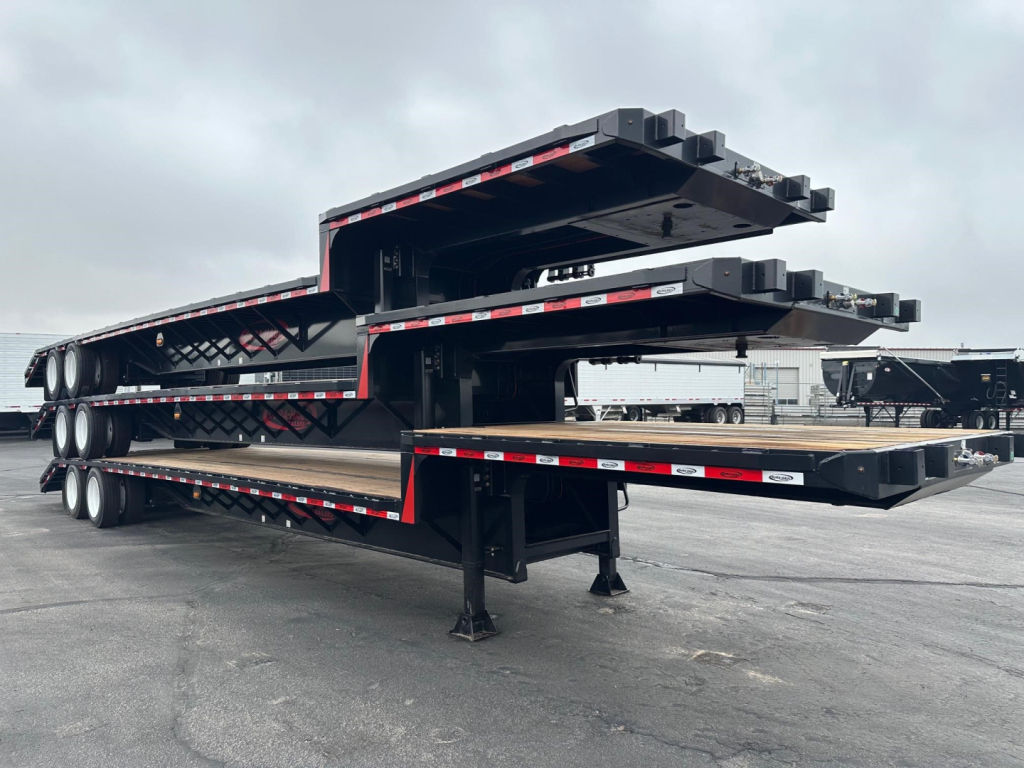
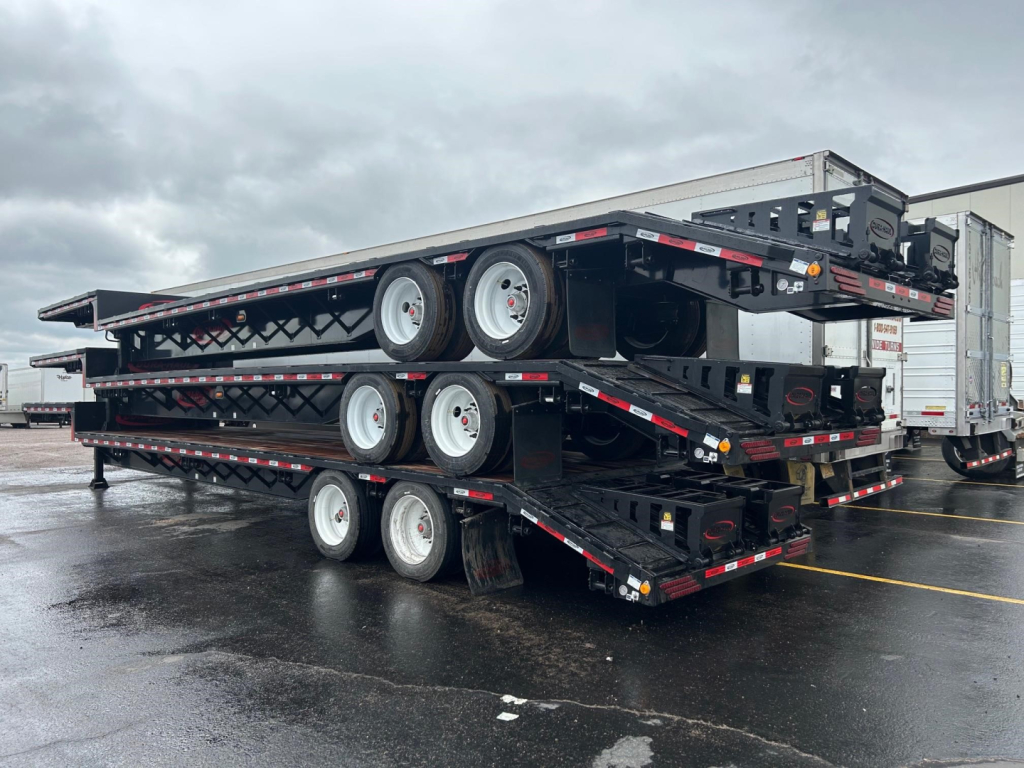
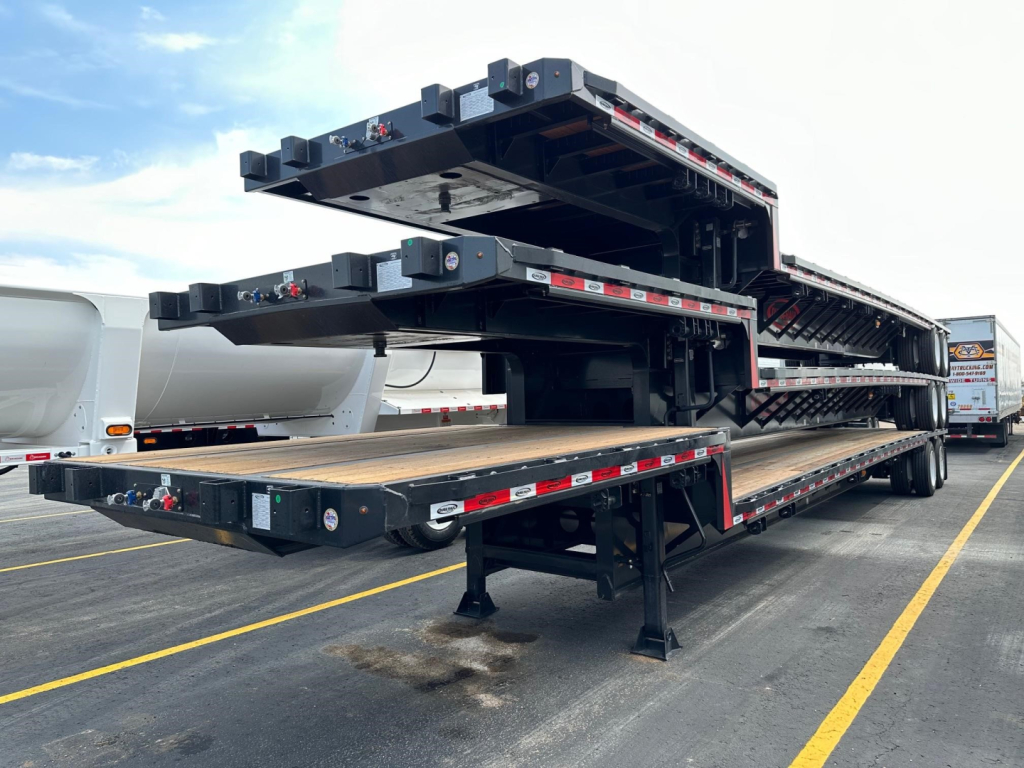
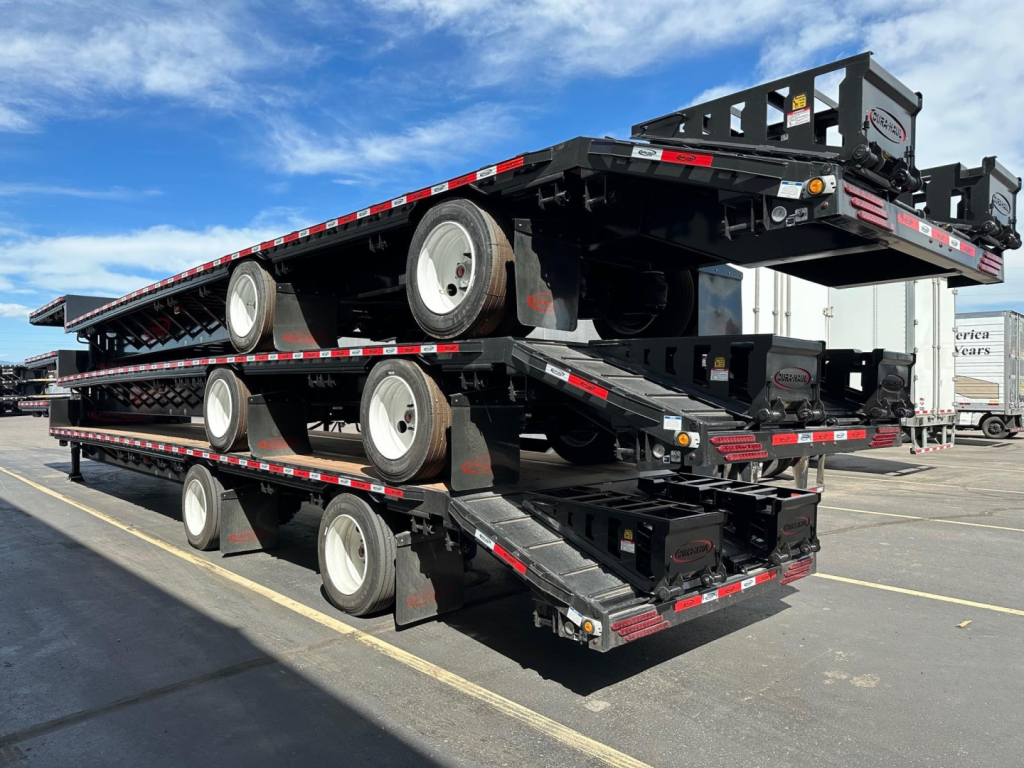
Selling a new 2026 drop deck trailer? List your new 2026 drop deck trailer for sale and reach thousands of commercial buyers.
New 2026 Drop Deck Trailers in Colorado
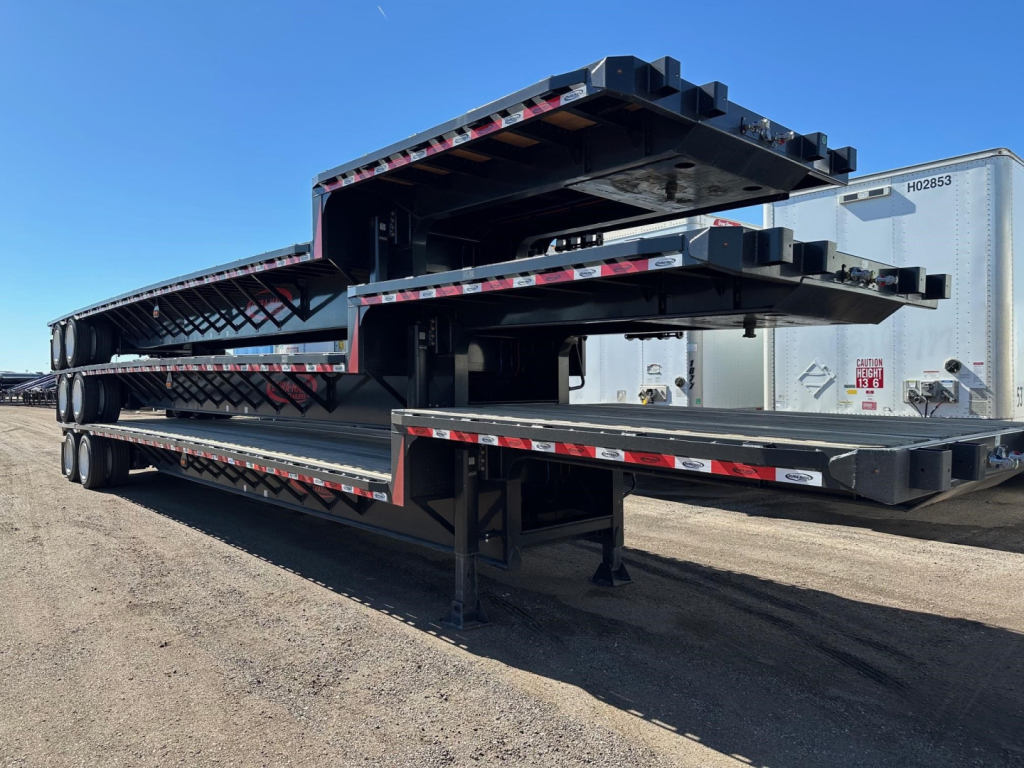
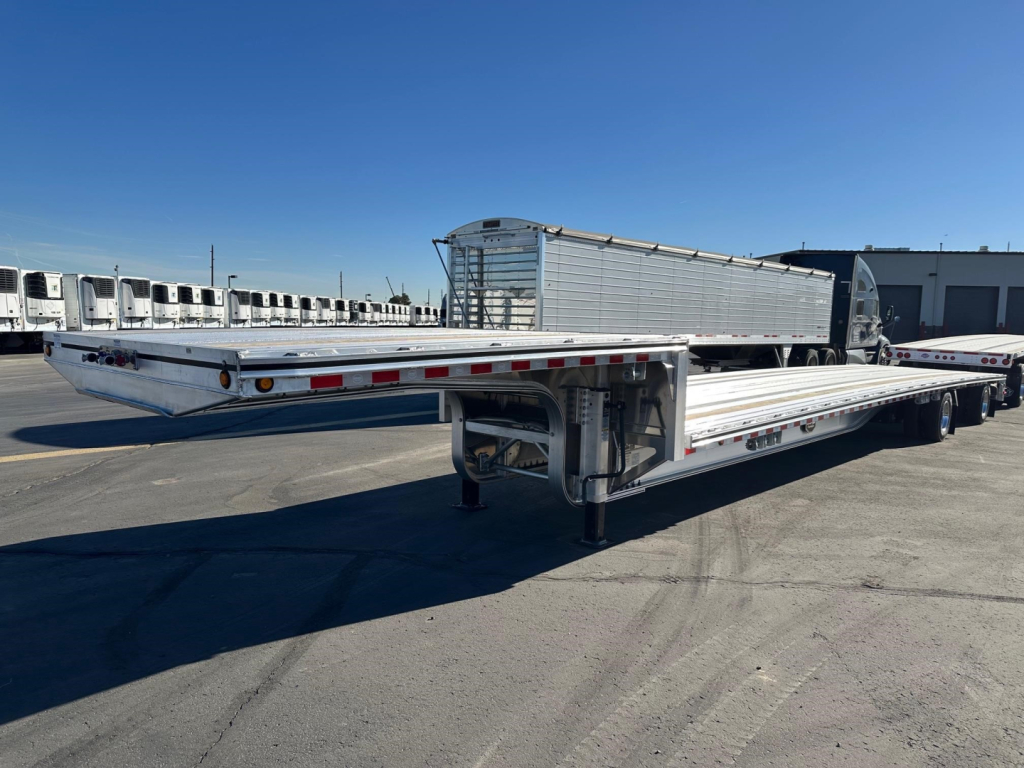
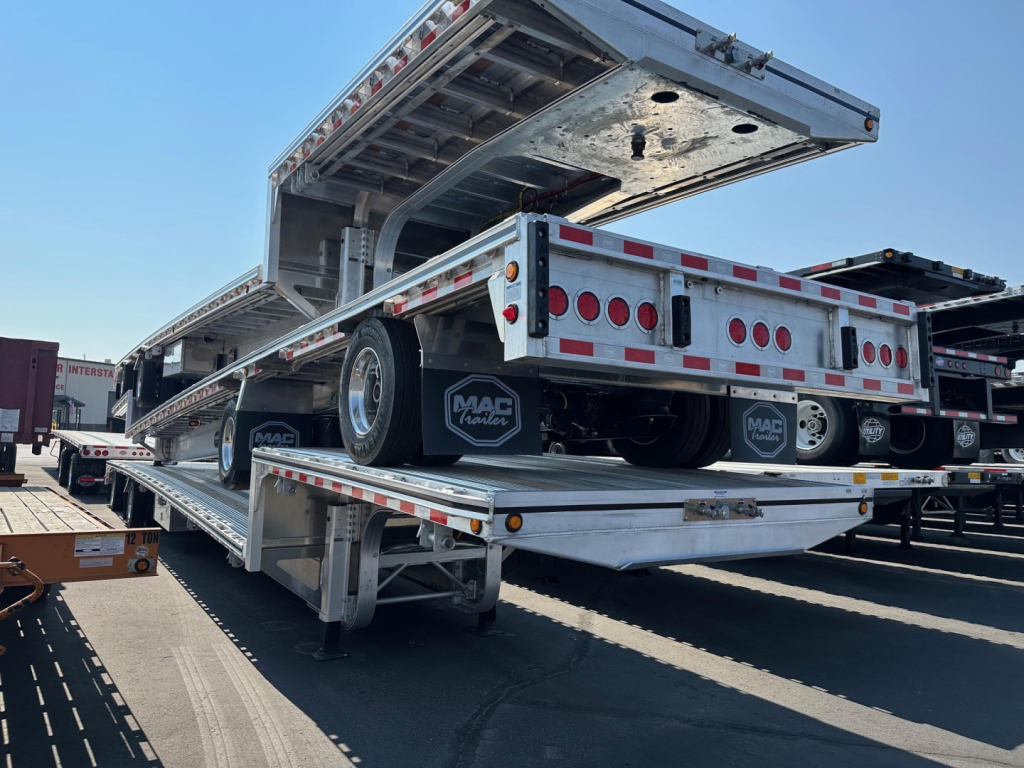
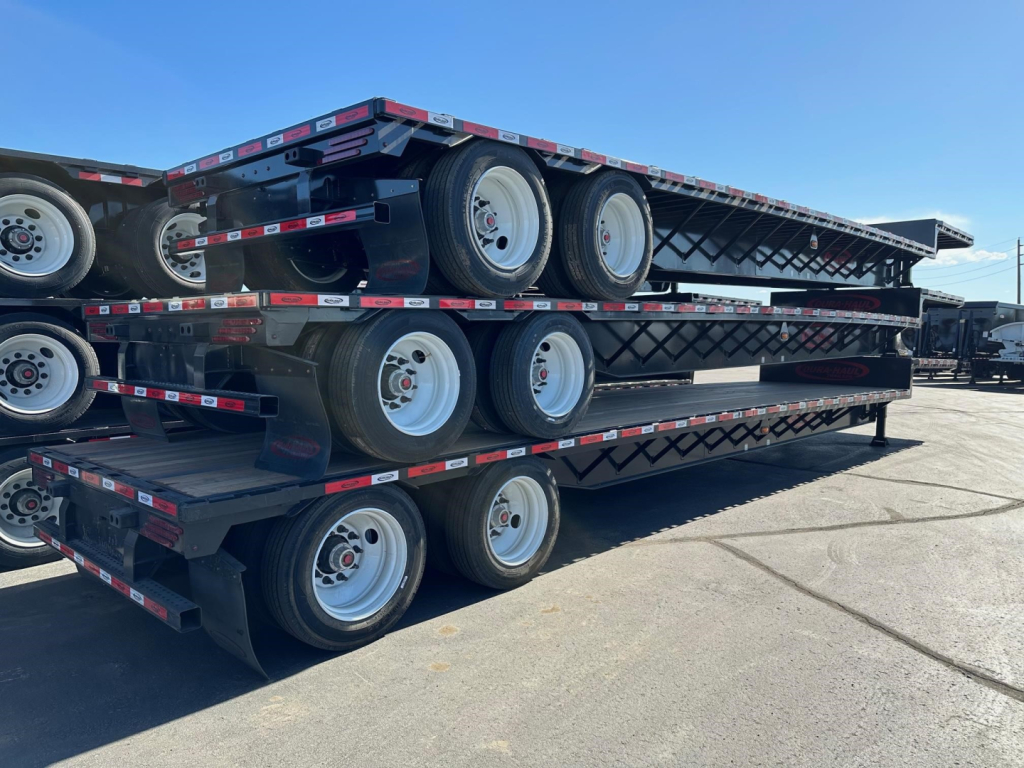
The biggest buying decisions usually start with deck configuration and frame material. Common lengths are 48 and 53 feet, typically at 102 inches wide, with upper decks around 10 to 11 feet and lower decks in the 37 to 43 foot range depending on axle layout and rear design. Steel drop decks remain popular for rugged jobsite work and concentrated loads such as counterweights, steel products, and equipment. Aluminum drop deck trailers reduce tare weight and can improve payload capacity for carriers focused on maximizing legal freight. Many buyers also compare standard rear designs against beaver tail configurations with flip ramps, which can make loading forklifts, scissor lifts, and smaller machines faster and safer.
Spec details matter on this trailer class because they directly affect securement options and day-to-day usability. Look closely at main beam construction, deck type, and load securement features such as stake pockets, sliding winches, winch tracks, pipe spools, chain ties, and coil package setups. Apitong decking remains a common choice because it holds up well under repeated loading and offers dependable traction. Axle configuration is another key point. Fixed closed tandem, spread axle, air ride suspensions, rear slide axles, and California-legal setups all serve different freight profiles and bridge law requirements. Tire size, wheel material, tire inflation systems, landing gear spec, dump valves, and onboard scale options can all influence maintenance cost and how efficiently the trailer works in regional or over-the-road service.
For a buyer comparing new 2026 drop deck trailers in Colorado, the right trailer is the one that matches the freight mix first, not just the lightest weight or the lowest price. A crane support operation may prioritize heavy-duty steel construction and concentrated load strength. A general freight carrier may lean toward aluminum, air ride, and a broader securement package. A contractor moving self-propelled equipment may need a beaver tail and ramps. Pay attention to loaded deck height, axle spread, suspension type, and securement layout, because those are the specs that determine how many different loads the trailer can realistically handle over the long term.
Frequently Asked Questions about New 2026 Drop Deck Trailers in Colorado
What is the difference between a drop deck trailer and a flatbed trailer?
A drop deck trailer, also called a step deck trailer, has two deck levels instead of one continuous deck. The front upper deck sits over the tractor drive tires, and the lower deck drops behind it to provide more vertical clearance for taller freight. That lower deck allows many loads to move legally without permits that might be required on a standard flatbed. Buyers typically choose a drop deck when freight height is the limiting factor.
What deck length and axle setup are most common on a new drop deck trailer?
Many new drop deck trailers are built in 48-foot and 53-foot lengths with a 102-inch overall width. Upper decks are commonly around 10 to 11 feet, while lower decks vary depending on tandem, spread axle, or sliding rear axle design. Tandem axles remain common for general freight, while spread axles can help with bridge compliance and weight distribution. The right setup depends on the freight you haul, state bridge laws, and loading dock or jobsite conditions.
Is a steel or aluminum drop deck better?
Steel drop deck trailers are often preferred for severe-duty service, concentrated loads, and rougher jobsite environments because the structure is robust and typically less sensitive to abuse. Aluminum drop decks reduce empty weight, which can improve payload and fuel efficiency for carriers running legal-weight freight on a regular basis. The best choice depends on how often the trailer will see machinery loading, point loads, winter road exposure, and the value of tare weight savings in your operation.
When should I choose a beaver tail drop deck with ramps?
A beaver tail drop deck with flip ramps makes sense when the trailer will regularly load wheeled or tracked equipment without relying on a loading dock. Contractors, equipment rental fleets, and service companies often prefer this setup for skid steers, compact excavators, lifts, and similar machines. The tradeoff is that ramp and rear deck design can affect lower deck usability for certain freight, so buyers should balance equipment-loading convenience against open deck space and cargo flexibility.
What features matter most for cargo securement on a drop deck trailer?
Stake pockets, rub rails, sliding winches, winch track, pipe spools, chain tie-down points, and coil package options are some of the most important securement features on a drop deck trailer. The right mix depends on whether you haul machinery, building products, steel, palletized freight, or coils. Buyers should also consider deck surface, nail strips, load-rated anchor points, and how easily securement can be adjusted across the lower deck. A well-spec'd securement package makes the trailer more versatile and reduces the need for workarounds in the field.