
New 2026 Dura Haul Drop Deck Trailers For Sale
Shop new 2026 Dura Haul drop deck trailers with air ride, Apitong decking, spread or closed tandem axles, and beavertail ramp options.
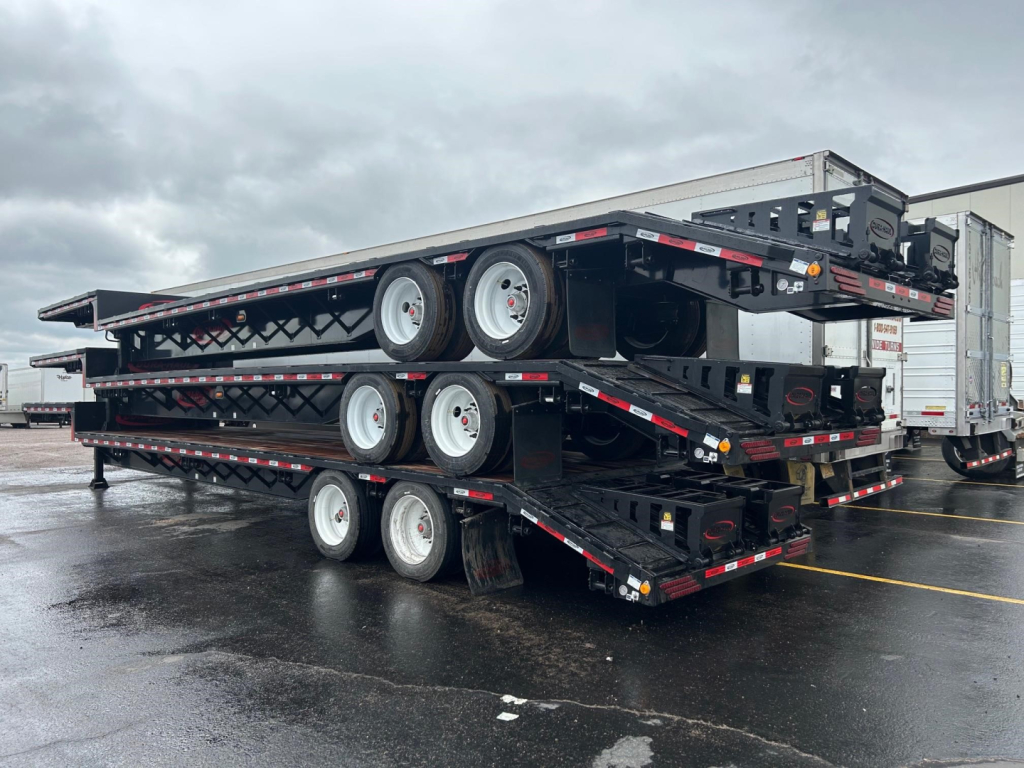
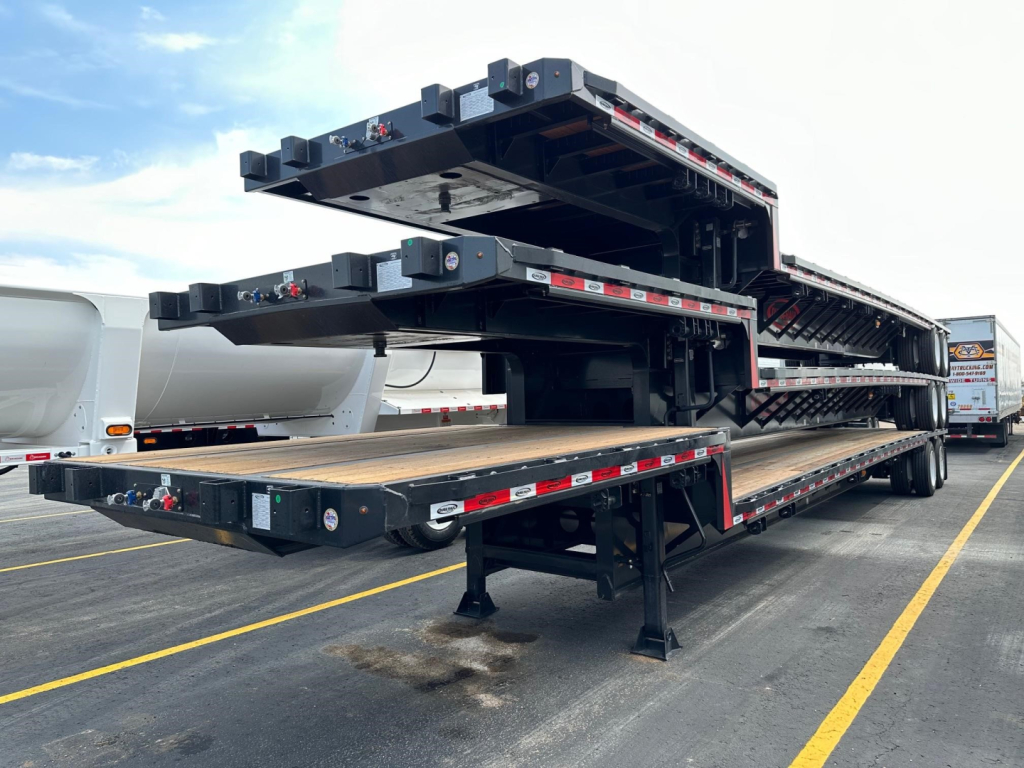
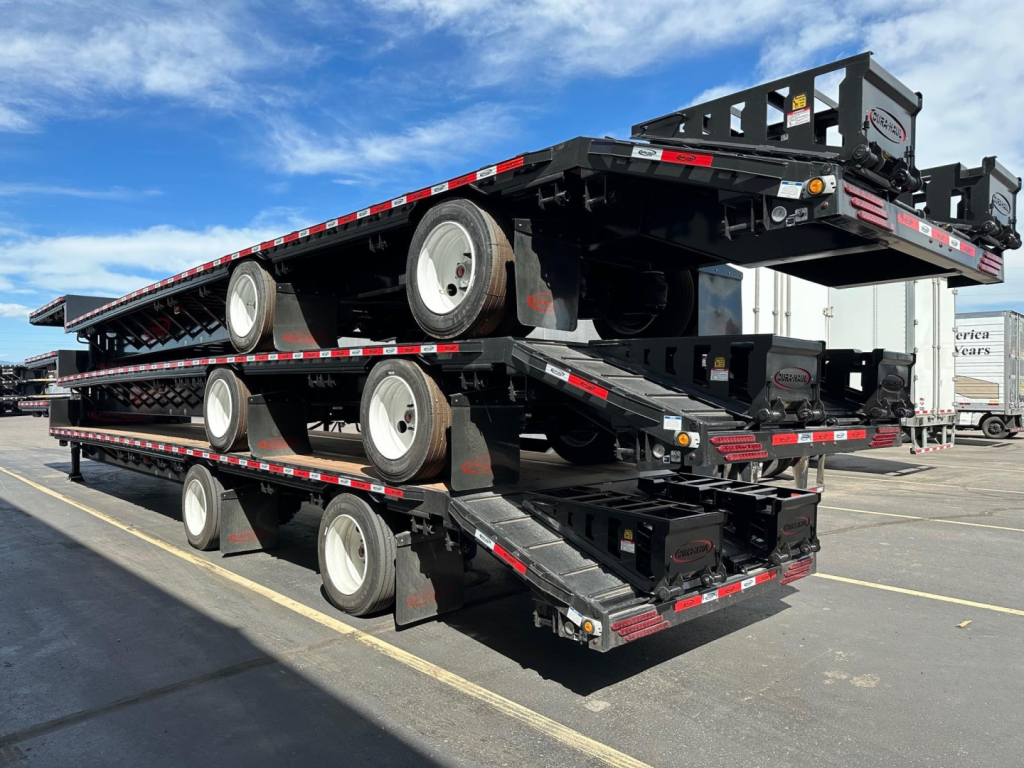
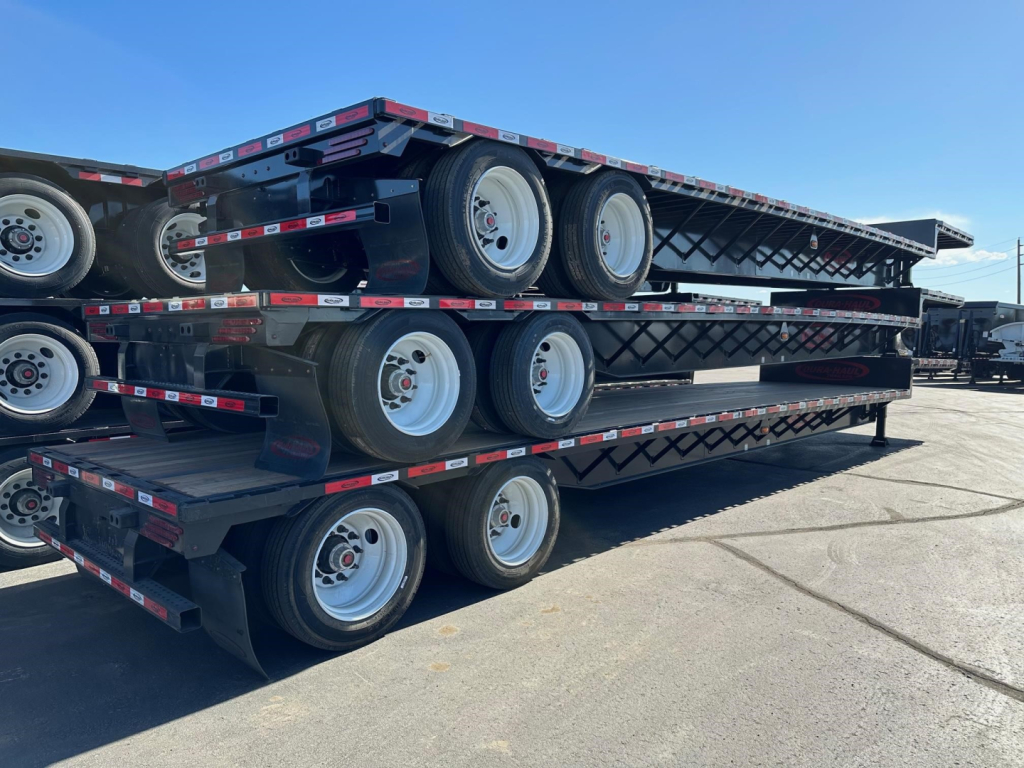
Selling a new 2026 dura haul drop deck trailer? List your new 2026 dura haul drop deck trailer for sale and reach thousands of commercial buyers.
New 2026 Dura Haul Drop Deck Trailers
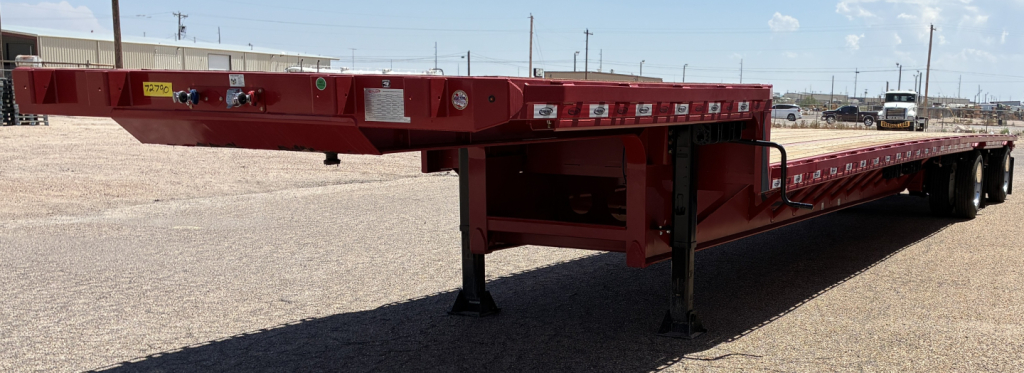
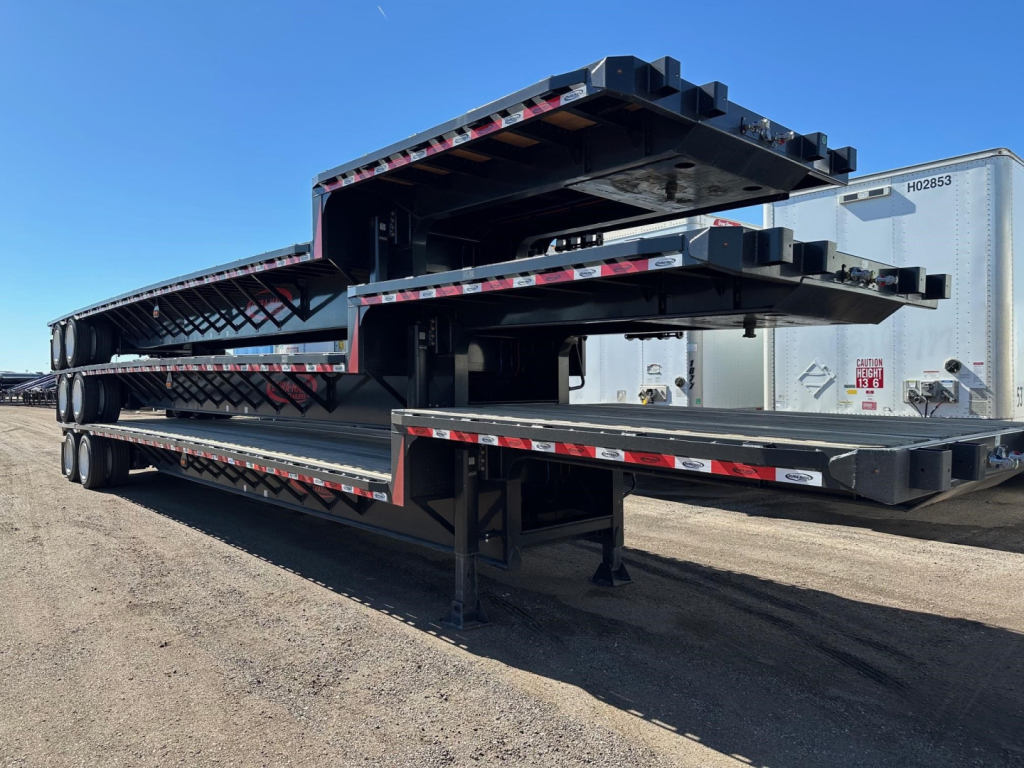
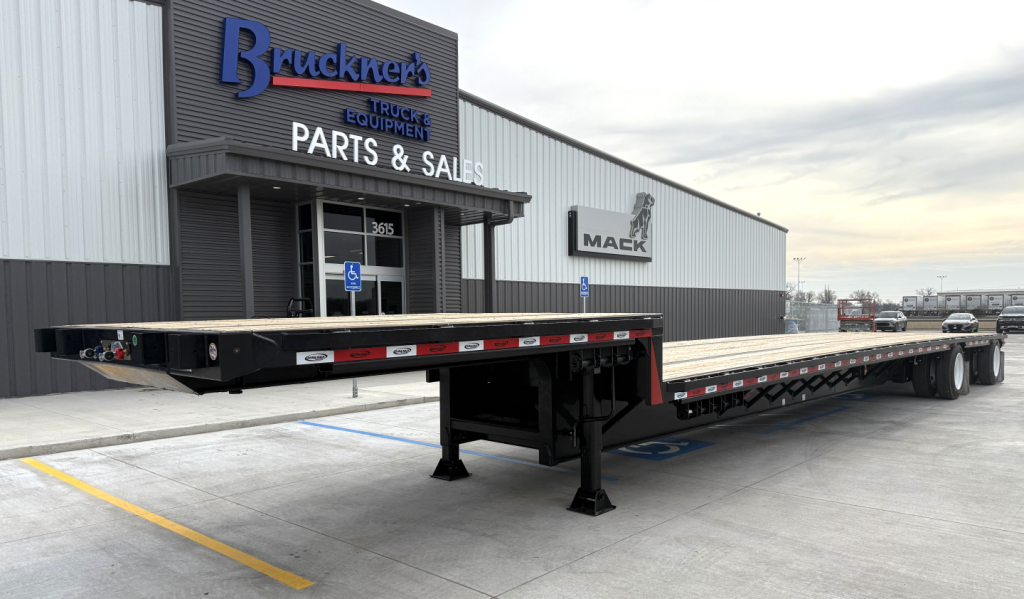
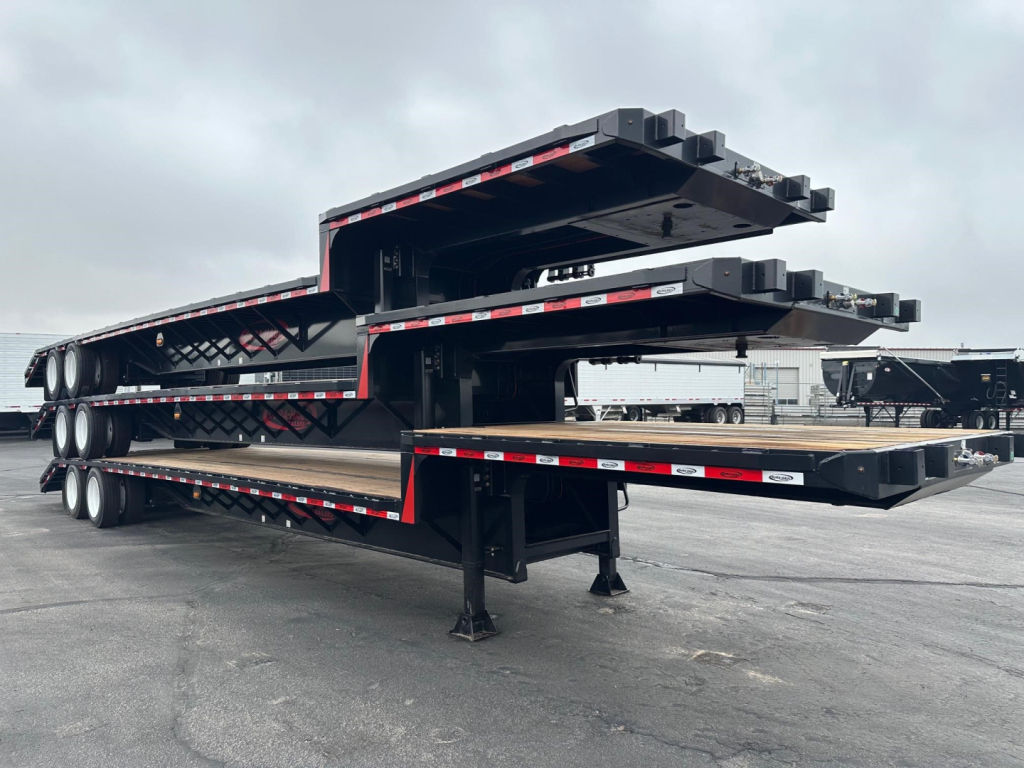
For many buyers, axle layout is one of the first decisions. A spread axle drop deck can help with bridge law compliance and load distribution, while a closed tandem setup may be preferable in tighter loading yards, urban deliveries, or operations that need more maneuverability. Air ride suspension is a strong fit for freight that is sensitive to shock and vibration, and it is common on drop decks used in general freight and equipment service. Tire size, axle spacing, landing gear strength, and dump valve placement all matter in day-to-day use, especially if the trailer will see frequent dock loading, forklift traffic, or uneven jobsite approaches.
Deck construction and cargo securement details are just as important as overall dimensions. Many Dura Haul drop deck trailers in this class use Apitong wood decking, a proven choice for durability and traction under concentrated loads. Tight crossmember spacing, often around 12 inches, adds support for forklifts, pallets, and compact equipment. Buyers should pay close attention to stake pockets, double pipe spools, rub rail design, and the number and placement of sliding winches, since these features directly affect how easily the trailer handles odd-shaped freight and changing securement patterns. A 53-foot drop deck with beavertail and spring-assisted ramps is especially useful for loading smaller machines, lifts, and wheeled equipment without relying on a separate dock or loading ramp.
When comparing new drop deck trailers for sale, focus on the actual freight mix and route profile rather than just overall length. A straight deck 48-foot drop deck may be the better fit for general commodity work, while a beavertail trailer with flip ramps adds loading flexibility for contractors, rental fleets, and agricultural users. Check lower deck length, loaded deck height, ramp angle, suspension type, and how the kingpin and axle group position will work with your tractor and target payload. On a new 2026 Dura Haul drop deck, those practical details will usually determine long-term value more than any single option line on a spec sheet.
Frequently Asked Questions about New 2026 Dura Haul Drop Deck Trailers
What is the advantage of a drop deck trailer compared with a flatbed?
A drop deck trailer, also called a step deck trailer, provides a lower main deck height than a standard flatbed. That lower deck allows taller freight to move legally without needing overheight permits in many applications. It is a common choice for equipment, crated machinery, and freight that exceeds flatbed height limits but does not need the extreme deck height of a lowboy.
Should I choose a spread axle or closed tandem drop deck?
A spread axle drop deck can improve load distribution and may help with bridge law requirements on longer or heavier loads. A closed tandem trailer is often easier to maneuver in tight yards, customer locations, and city deliveries. The right choice depends on your lanes, typical load dimensions, and whether your operation values turning radius more than axle spread benefits.
Why is Apitong decking common on drop deck trailers?
Apitong is widely used on open-deck trailers because it holds up well under repeated forklift traffic, concentrated cargo weight, and weather exposure. It also provides solid traction for freight and equipment loading. For buyers comparing new drop deck trailers, deck material affects durability, maintenance intervals, and how the trailer performs under everyday loading conditions.
What types of freight are best suited for a beavertail drop deck with ramps?
A beavertail drop deck with flip ramps is well suited for compact equipment, scissor lifts, skid steers, small tractors, and other wheeled or tracked machines that need to be driven onto the trailer. It can also be useful for contractors and rental fleets that load away from docks. Ramp design, ramp capacity, and beavertail angle should all match the equipment you plan to move.
What specs matter most when comparing new drop deck trailers for sale?
The most important specs usually include overall length, lower deck length, loaded deck height, axle configuration, suspension type, crossmember spacing, deck material, and cargo securement equipment such as winches, stake pockets, and pipe spools. Buyers should also review landing gear, tire size, wheel type, and any ramp or beavertail configuration. These details determine how well the trailer matches your freight, tractor setup, and operating environment.