
New 2026 Drop Deck Trailers For Sale in Pennsylvania
Shop new 2026 drop deck trailers in Pennsylvania. Compare 48-53 ft step deck specs, deck height, ramps, suspension, tie-downs, and payload.
Have new 2026 drop deck trailer to sell? List it here to reach thousands of buyers.
New 2026 Drop Deck Trailers in Pennsylvania
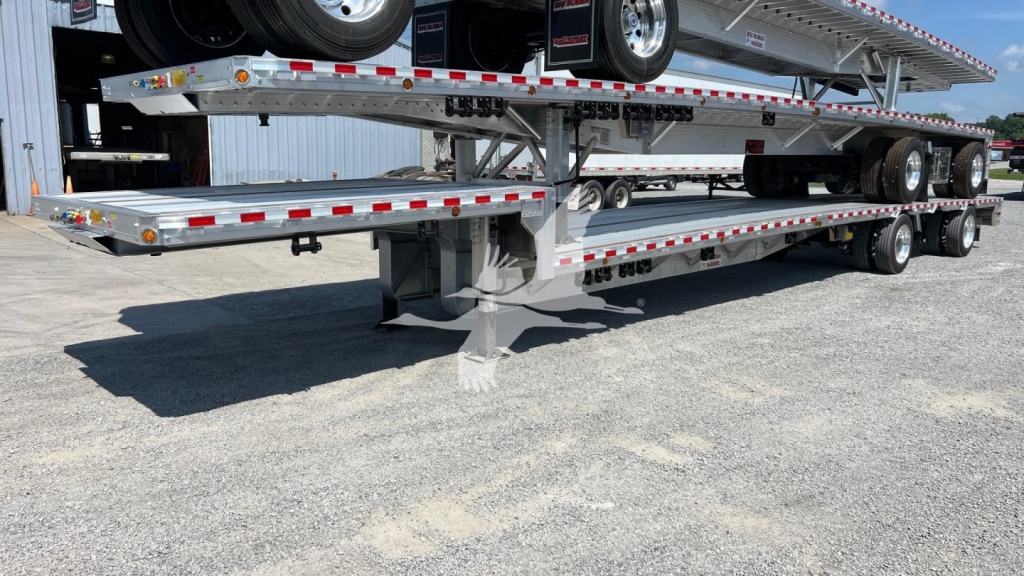
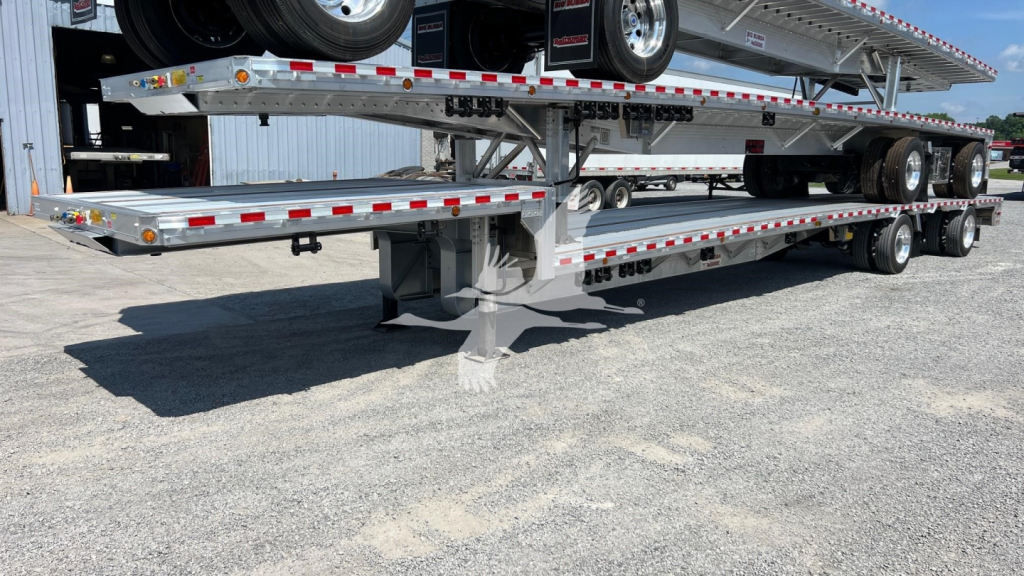
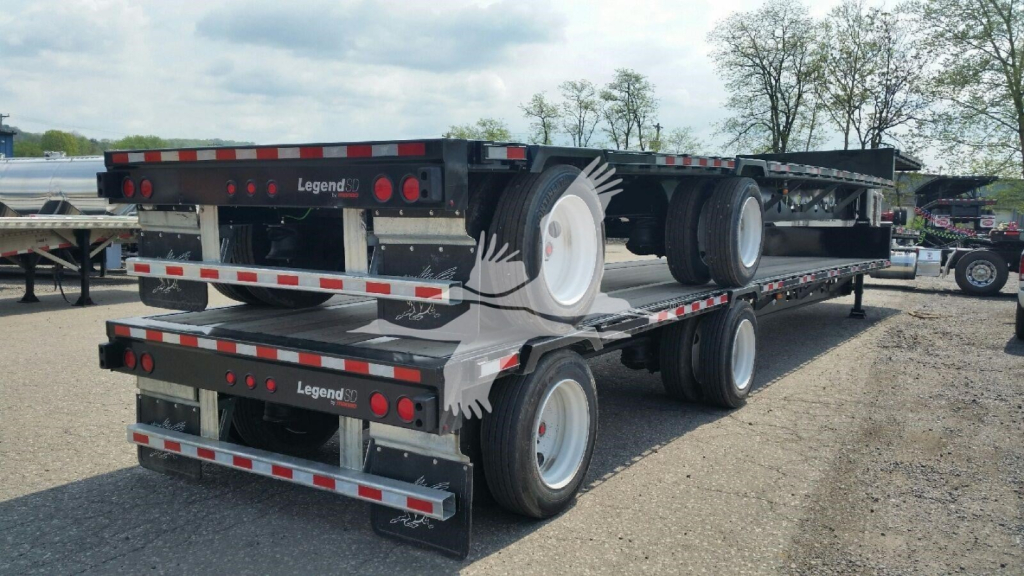
The first buying decision is usually deck configuration. A common spread in this category is a 53-foot overall length with a 10-foot to 10-foot 6-inch upper deck and roughly 38-foot to 43-foot main deck, though some heavy-duty hydraulic tail models run closer to 51 feet overall with different loading geometry. Floor material matters. Aluminum combo construction saves weight and helps maximize payload, while all-steel or steel-framed trailers with Apitong flooring remain popular for concentrated freight, forklifts, and machine loading. Crossmember spacing, main deck rating, kingpin setting, and suspension setting all affect how the trailer carries weight and how easily it scales with different tractors and load positions. Buyers hauling coils, steel, or dense freight should pay close attention to concentrated load ratings such as 60,000 pounds in 10 feet, plus the presence of coil packages, keyhole chain slots, and extra stub crossmembers.
Tie-down layout is where one drop deck can be much more useful than another. Look for winch track style, sliding winch count, chain tie-down pairs, pipe spools, nailing strips, and side rail design that matches your freight mix. A trailer set up for general commodity work may use aluminum or steel side rails with roadside or double-L winch tracks, while more specialized equipment-hauling configurations may add beavertails, spring-assisted ramps, full ramp kits, traction bars, hydraulic tails, or even hydraulic winches and wireless remotes. Beavertail and ramp combinations are especially relevant if you load compact equipment, skid steers, scissor lifts, or small paving machines. For fleets that need low loading angles, hydraulic tail step decks can be a better fit than a standard fixed deck.
Running conditions in Pennsylvania make suspension, corrosion resistance, and serviceability worth extra attention. Air ride remains the standard on new drop decks because it protects freight and improves ride quality, with common suspensions from Hendrickson, Neway, and similar heavy-duty platforms. Tire size, wheel material, dump valves, landing gear brand, galvanized components, and centralized grease systems can all affect long-term maintenance cost. If the trailer will see year-round road salt, galvanized finishes, sealed lighting, quality wiring, and durable rear impact and mud flap hardware can pay off over time. The best 2026 drop deck trailer is not just the one with the lowest empty weight. It is the one whose deck height, tie-down package, ramp setup, and load rating match the freight you move every week.
Frequently Asked Questions about New 2026 Drop Deck Trailers in Pennsylvania
What is the difference between a drop deck trailer and a flatbed trailer?
A drop deck trailer has two deck levels, a shorter upper deck over the tractor frame and a lower main deck behind it. That lower deck provides more legal cargo height than a standard flatbed, which is why drop decks are commonly used for taller machinery, crated equipment, building materials, and freight that would exceed height limits on a flatbed. A standard flatbed is simpler and often lighter, but a drop deck gives you more flexibility for overheight freight without moving into lowboy territory.
What deck height should I expect on a new 2026 drop deck trailer?
Most new drop deck trailers in this class fall into a loaded main deck height of roughly 38 inches to 41 inches, depending on tire size, suspension design, frame construction, and flooring. Hydraulic tail and specialized equipment-hauling models may vary. Lower deck height helps preserve legal cargo height, but buyers should also consider ground clearance, ramp angle, and how the trailer sits with their typical tractor and fifth wheel height.
Are aluminum combo drop decks better than steel drop decks?
Aluminum combo drop decks are attractive when payload matters because they reduce empty weight while still offering good structural strength in the right applications. Steel drop decks, especially with Apitong floors and heavier crossmember structures, are often preferred for concentrated loads, repeated machinery loading, and more abusive duty cycles. The better choice depends on your cargo mix. General freight, lighter machinery, and weight-sensitive hauls often favor combo construction, while dense freight and hard-use loading environments often favor heavier steel-based builds.
What features matter most if I haul equipment on a drop deck?
Equipment-hauling buyers should focus on loading angle, ramp design, beavertail length, deck traction, and concentrated load capacity. Spring-assisted ramps work well for smaller machines, while hydraulic tails and front gooseneck ramps are better for heavier or lower-clearance equipment. Chain slots, multiple tie-down points, strong side rails, and durable flooring are also important because equipment loads usually require more securement options than general commodity freight.
How do I choose the right tie-down setup on a step deck trailer?
The right securement package depends on what you haul most often. General freight operations usually want winch tracks, sliding winches, and side rails that work well with straps. Machinery, steel, and dense cargo often require more chain tie-down locations, pipe spools, coil packages, and reinforced securement points. Buyers should think about daily freight, not occasional freight. A trailer with the correct tie-down layout saves loading time, reduces securement compromises, and makes the trailer more productive across different jobs.