
New 2026 Tag Trailers For Sale
Shop new 2026 tag trailers built for equipment hauling, with 25-ton class ratings, beavertails, ramps, pintle hitches, and heavy-duty tie-downs.
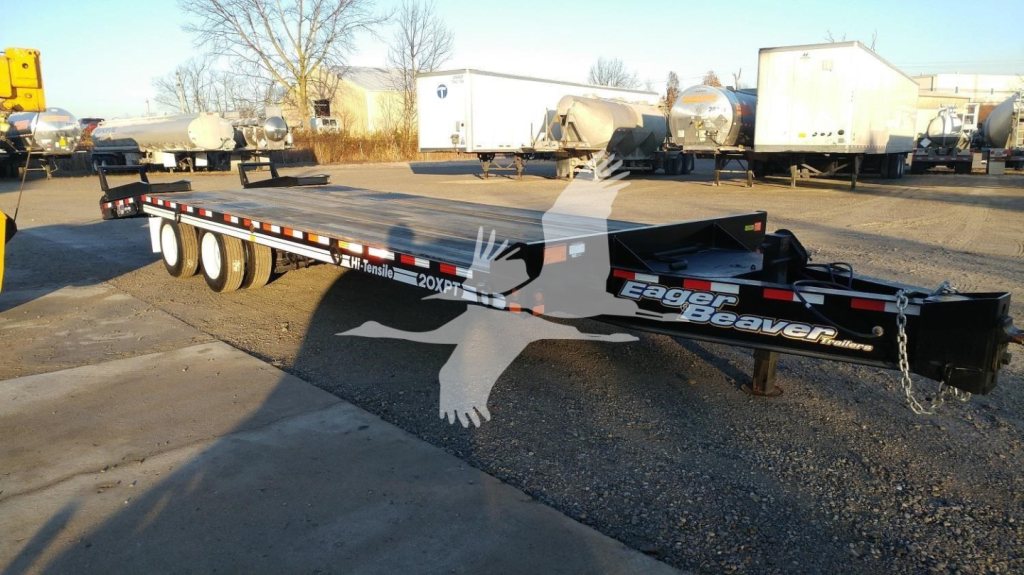
Selling a new 2026 tag trailer? List your new 2026 tag trailer for sale and reach thousands of commercial buyers.
New 2026 Tag Trailers
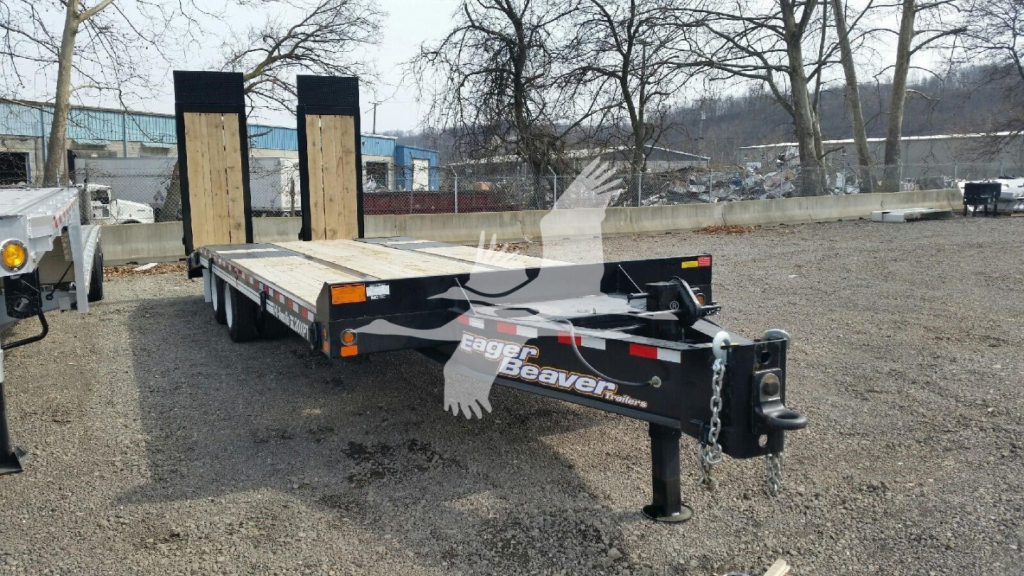
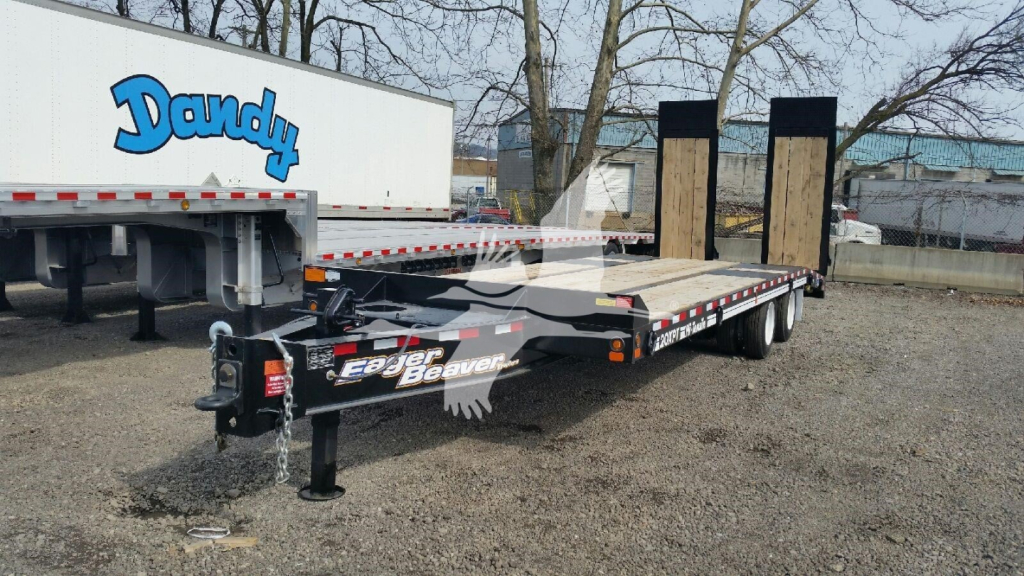
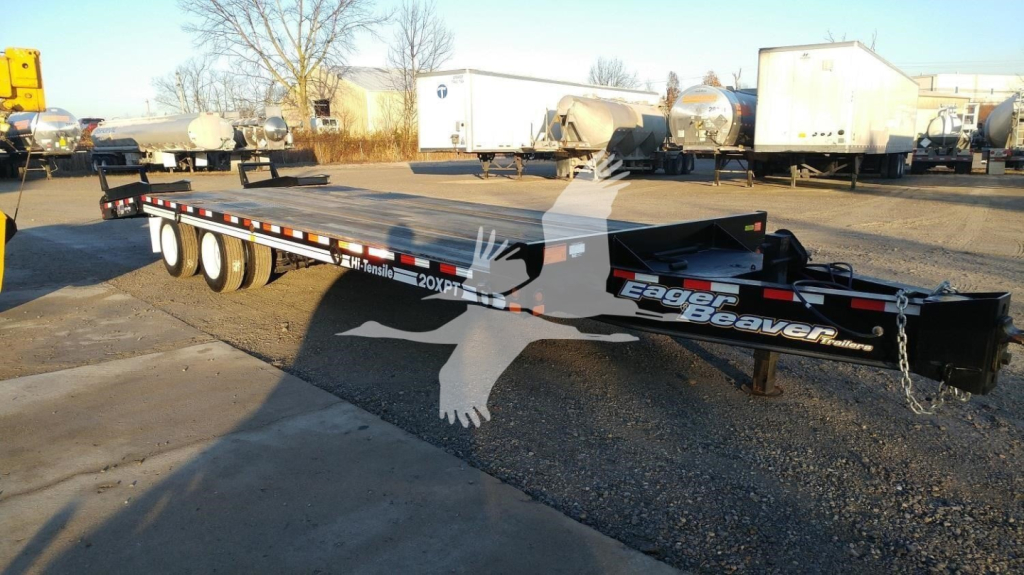
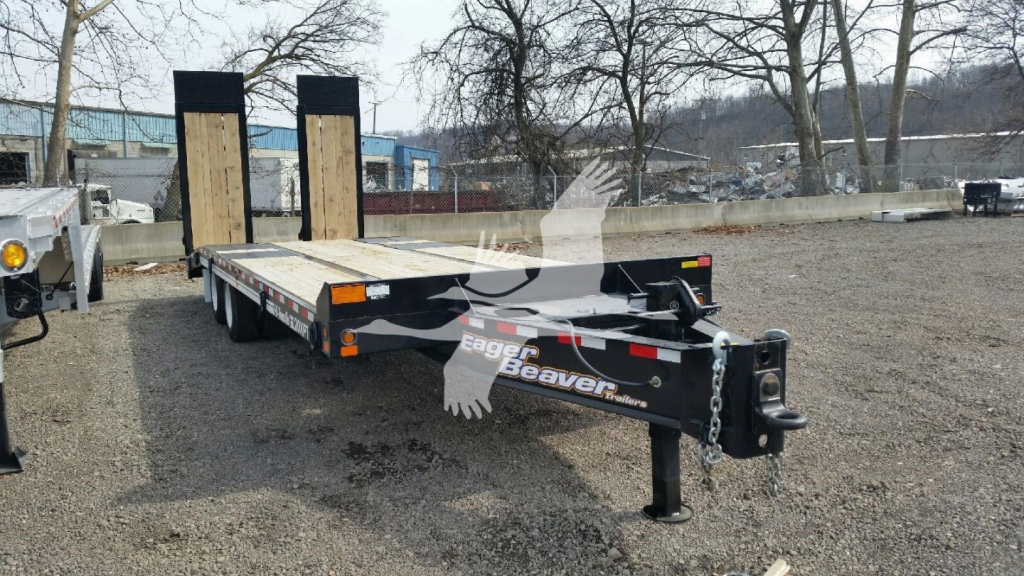
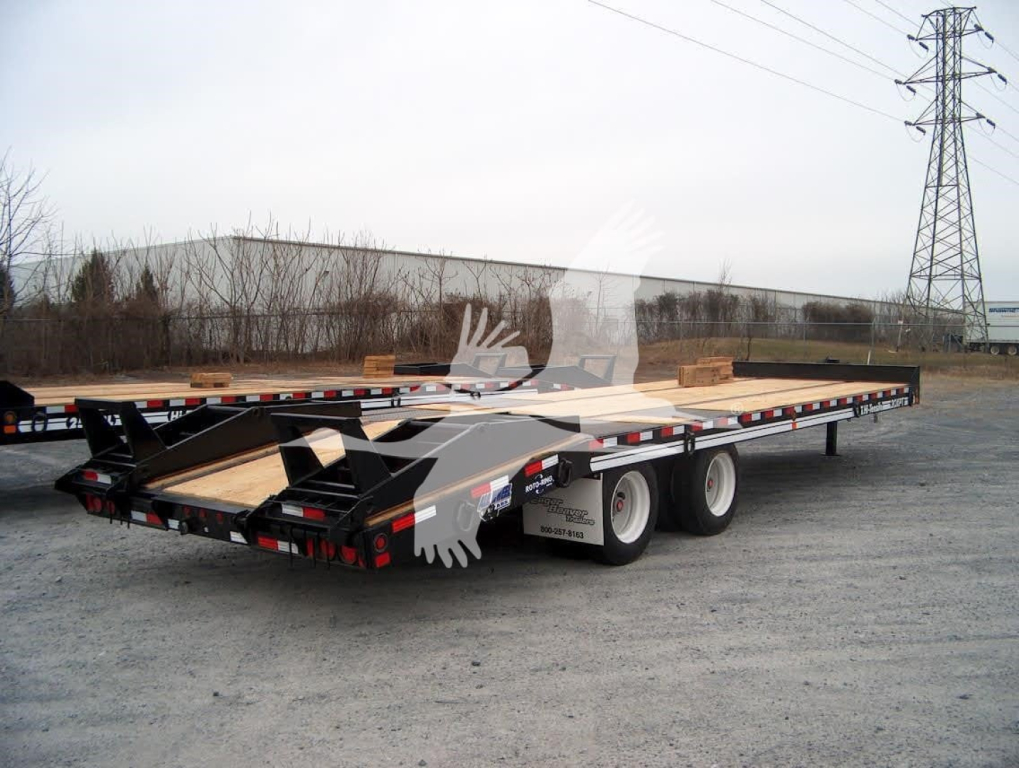
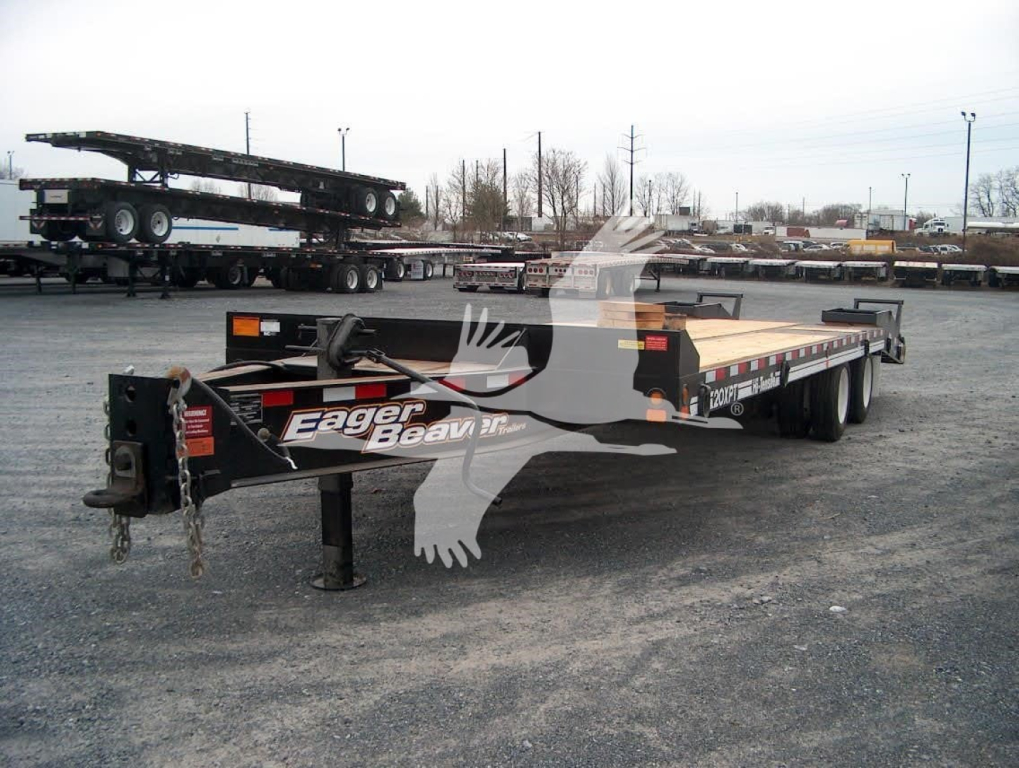
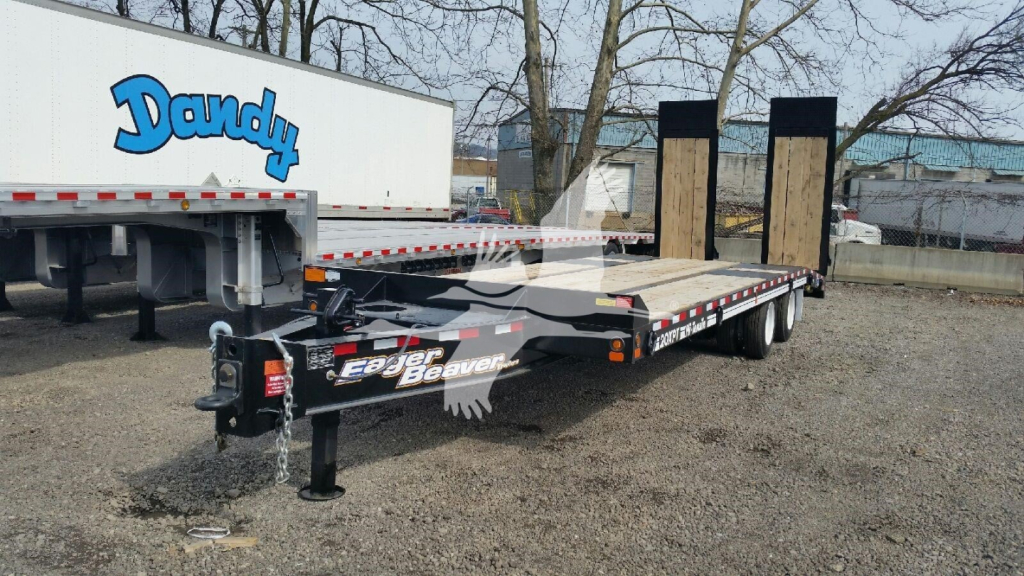
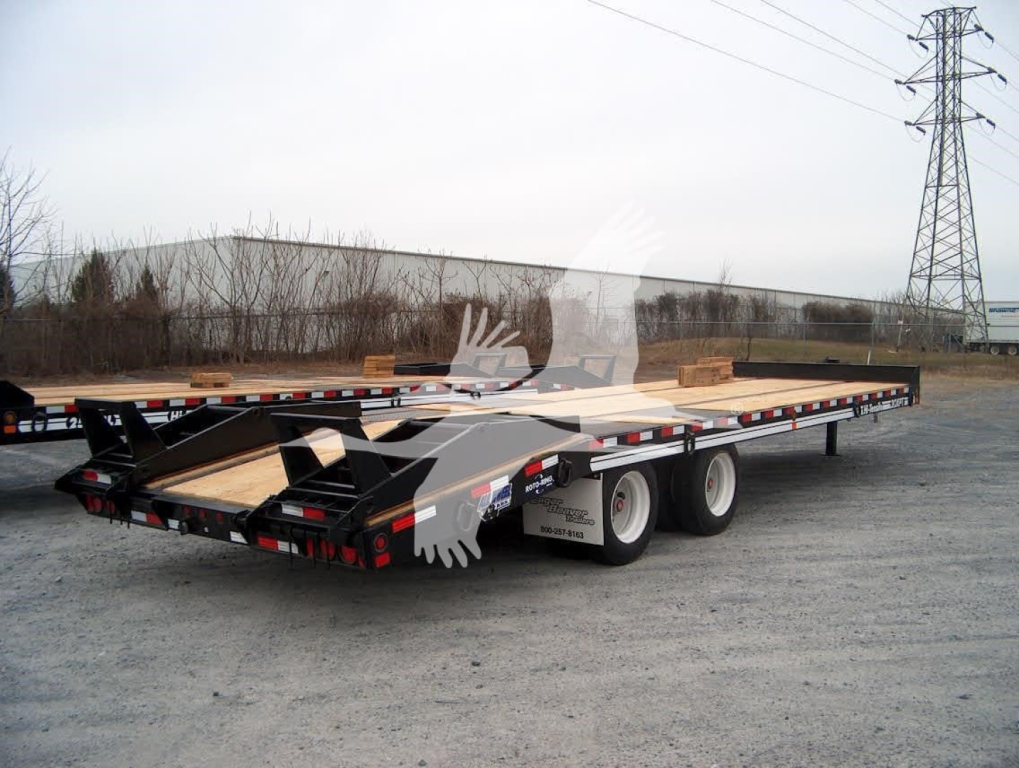
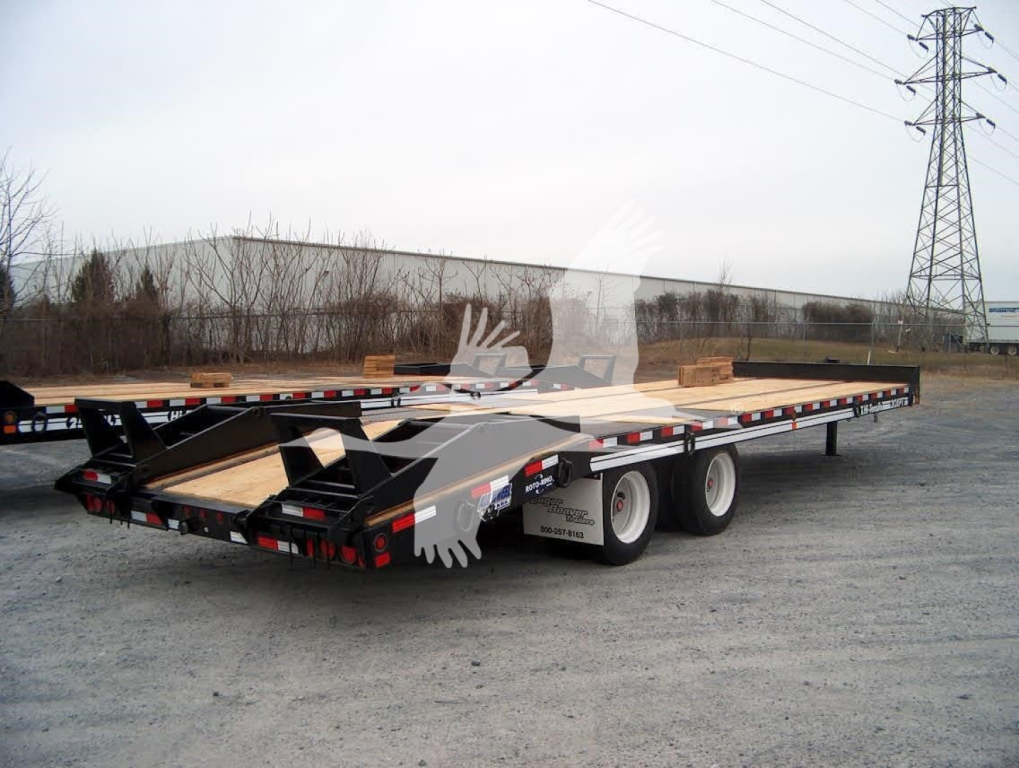
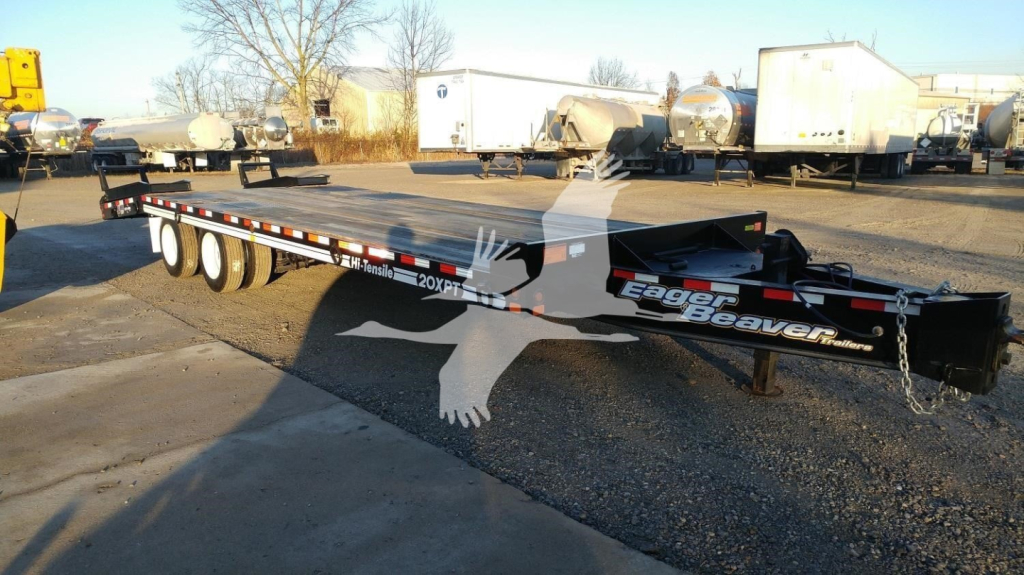
In the 25-ton class, common specs include a 102-inch wide deck, overall length around the high-30-foot range, a flat main deck near 24 feet, and a beavertail around 6 feet with an 8-degree load angle. Hydraulic ramps are a popular upgrade for crews that load every day, while angle iron ramps remain a simple, durable choice for mixed fleet work. Main deck height matters more than many buyers expect. A deck around the mid-30-inch range helps keep loading easier for low-clearance equipment while still leaving room for robust crossmembers and suspension components. Flooring is often a hardwood mix such as apitong on the outer lanes for durability, with wood center sections that are easier to service over time.
Running gear and structural details separate a light-duty tag from one that will hold up in contractor service. Many new tag trailers in this category use a tri-axle layout with spring ride suspension, 17.5-inch tires, steel wheels, ABS, and spring brakes on all axles. Adjustable pintle height is important if the trailer may be pulled by more than one truck, since keeping the deck level helps axle loading, braking, and tire wear. Buyers should also look closely at side rails, full-width bulkheads, D-ring quantity and placement, safety chains, landing gear, and lockable tool or drawbar storage. A lift axle can be useful for maneuverability and tire savings when the trailer is lightly loaded or empty, but the axle configuration needs to match the truck, state bridge laws, and the actual machines being hauled.
For most buyers, the best tag trailer is the one that matches the real equipment list, not just the headline ton rating. Machine width, track length, attachment weight, and weight distribution across the deck matter just as much as the gross rating. If the trailer will spend its life on rough sites, look for stout ramp construction, durable wood-filled or steel-supported loading surfaces, and a proven suspension package. If it will see highway miles between jobs, braking spec, hitch adjustability, deck stability, and secure tie-down points become even more important. A properly spec'd 2026 tag trailer gives a contractor a simple, dependable platform for moving equipment with less complexity than a detachable lowboy and with better loading flexibility than many straight deck trailers.
Frequently Asked Questions about New 2026 Tag Trailers
What is a tag trailer used for?
A tag trailer is used to haul equipment behind a truck using a pintle hitch connection. It is common in construction, paving, utility, landscaping, and municipal fleets for moving skid steers, mini excavators, rollers, backhoes, small dozers, and similar machines. Tag trailers are popular because they are simpler and generally lighter than many detachable gooseneck lowboys, while still offering a low deck, beavertail, and ramps for frequent loading.
How do I choose the right capacity for a tag trailer?
Start with the heaviest machine you plan to haul, then add the weight of buckets, forks, hammers, fuel, and any other attachments that stay on the machine during transport. After that, make sure axle ratings, tire ratings, hitch rating, and the truck's towing capability all support the real operating load. Buyers often focus on the trailer's advertised ton rating, but safe hauling also depends on proper weight distribution, deck length, and whether the equipment fits the trailer without concentrating too much weight on one axle group.
Are hydraulic ramps better than fixed or angle iron ramps on a tag trailer?
Hydraulic ramps are usually the better choice for fleets that load and unload equipment constantly because they reduce operator effort, speed up loading, and can improve safety with heavier machines. Fixed or angle iron ramps are simpler, less expensive, and easier to maintain, which makes them attractive for lighter-duty or mixed-use applications. The better option depends on how often the trailer is used, the type of equipment being loaded, and how important loading speed is to the operation.
What features matter most on a new 2026 tag trailer?
The most important features are the trailer's actual payload capability, deck height, beavertail design, ramp type, axle and suspension setup, braking system, and tie-down provisions. Buyers should also pay attention to flooring material, D-ring placement, adjustable pintle height, landing gear, and toolbox or storage options. These details affect daily usability, loading angles, maintenance costs, and how well the trailer matches the truck that will be pulling it.
What is the difference between a tag trailer and a lowboy?
A tag trailer is typically a pintle hitch trailer with a fixed deck, beavertail, and rear ramps, while a lowboy usually refers to a detachable gooseneck trailer designed for heavier or taller equipment. Tag trailers are often easier to use for general contractor fleets that need quick loading and uncomplicated hookup. Lowboys usually offer lower deck heights and heavier hauling capability, but they also bring more complexity, more truck requirements, and often a higher acquisition cost.