
New 2026 Eager Beaver Tag Trailers For Sale
Shop new 2026 Eager Beaver tag trailers built for equipment hauling, with pintle hitches, beavertails, heavy ramps, and 20-ton to 25-ton capacity.
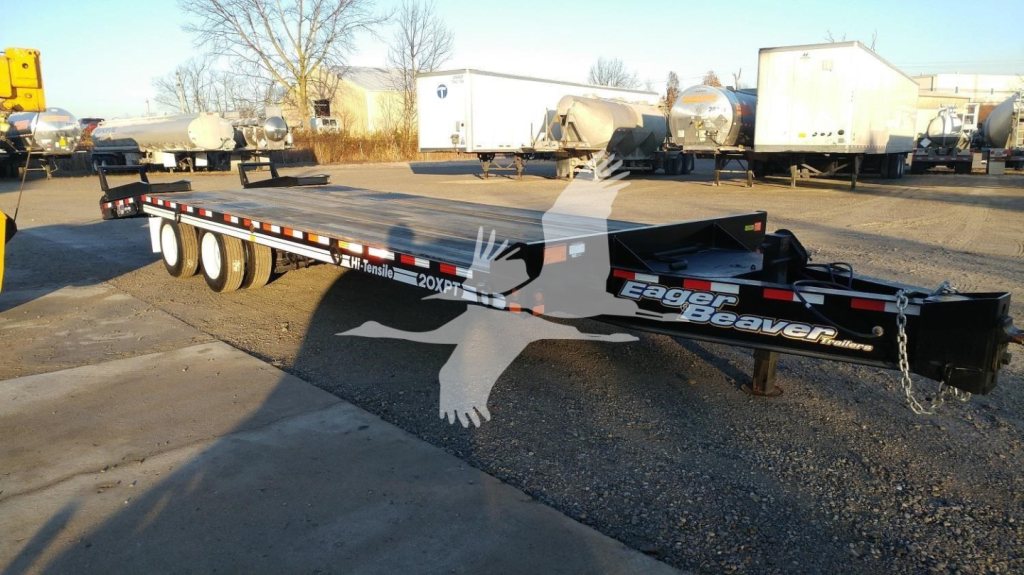
Selling a new 2026 eager beaver tag trailer? List your new 2026 eager beaver tag trailer for sale and reach thousands of commercial buyers.
New 2026 Eager Beaver Tag Trailers
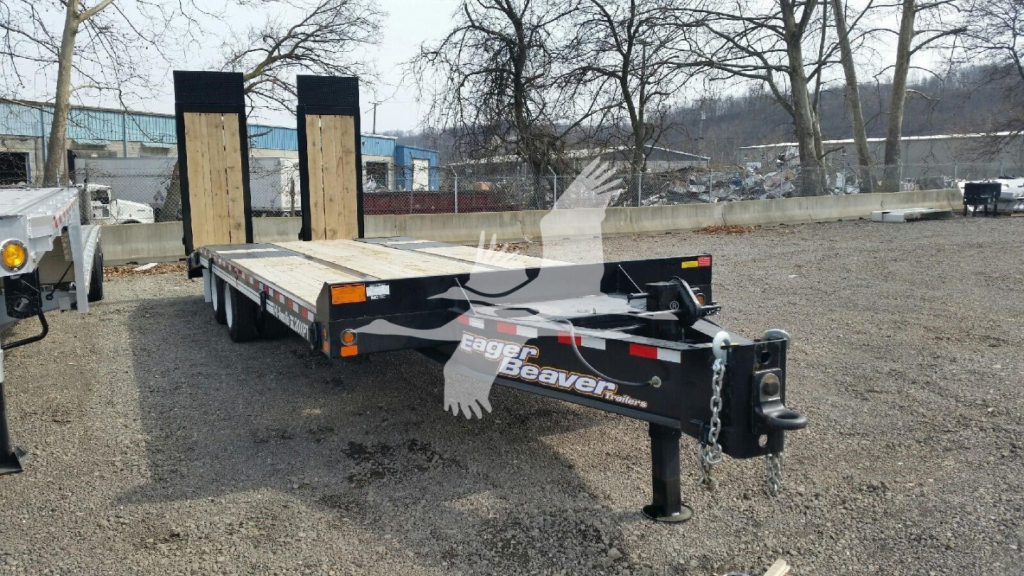
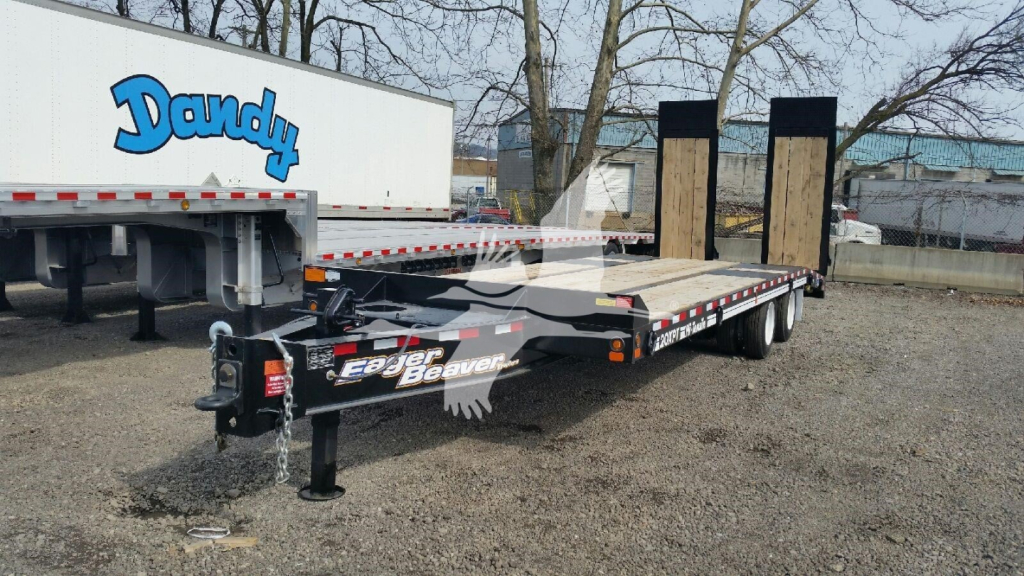
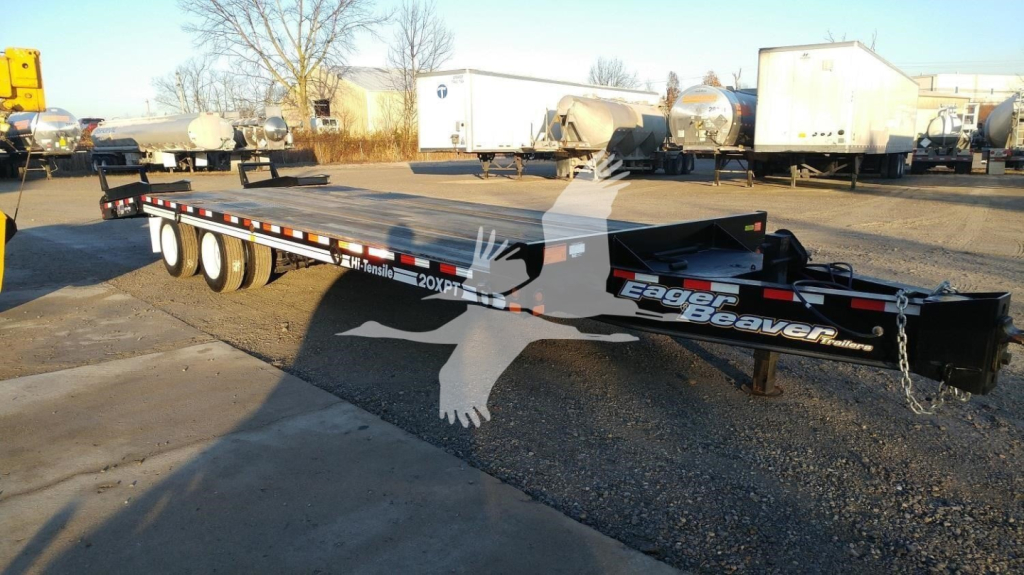
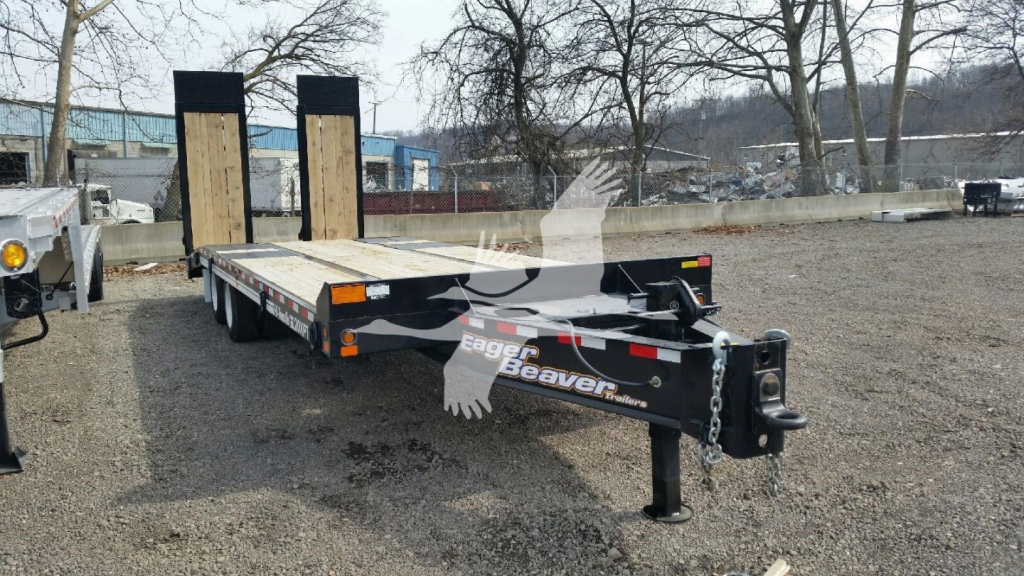
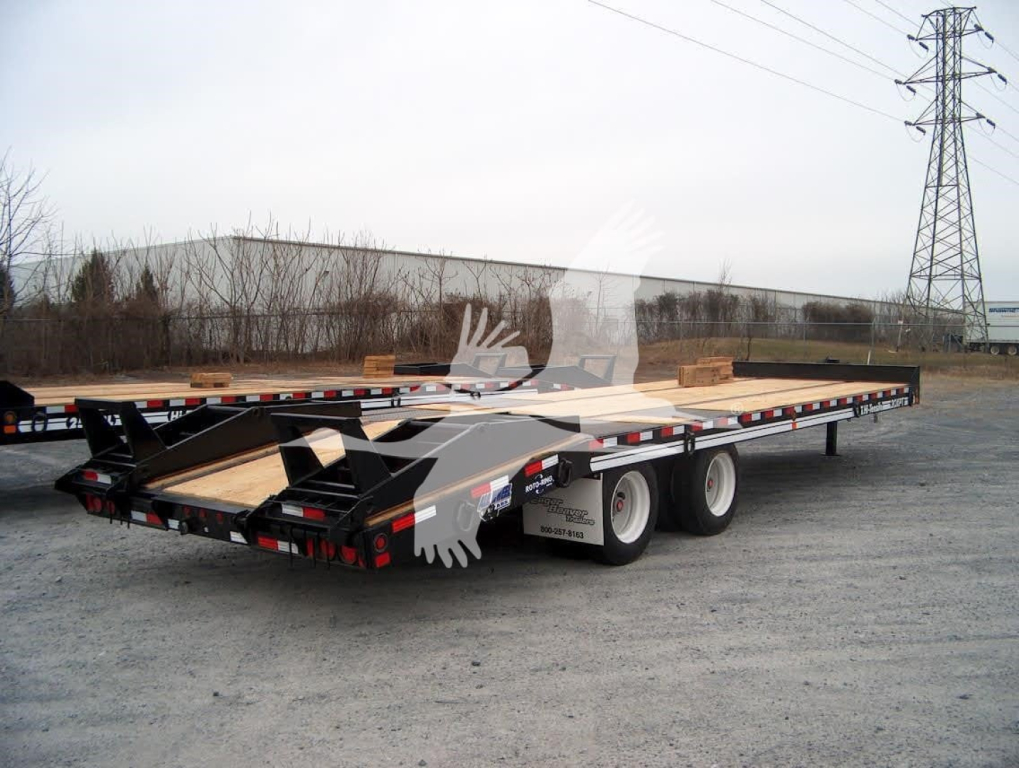
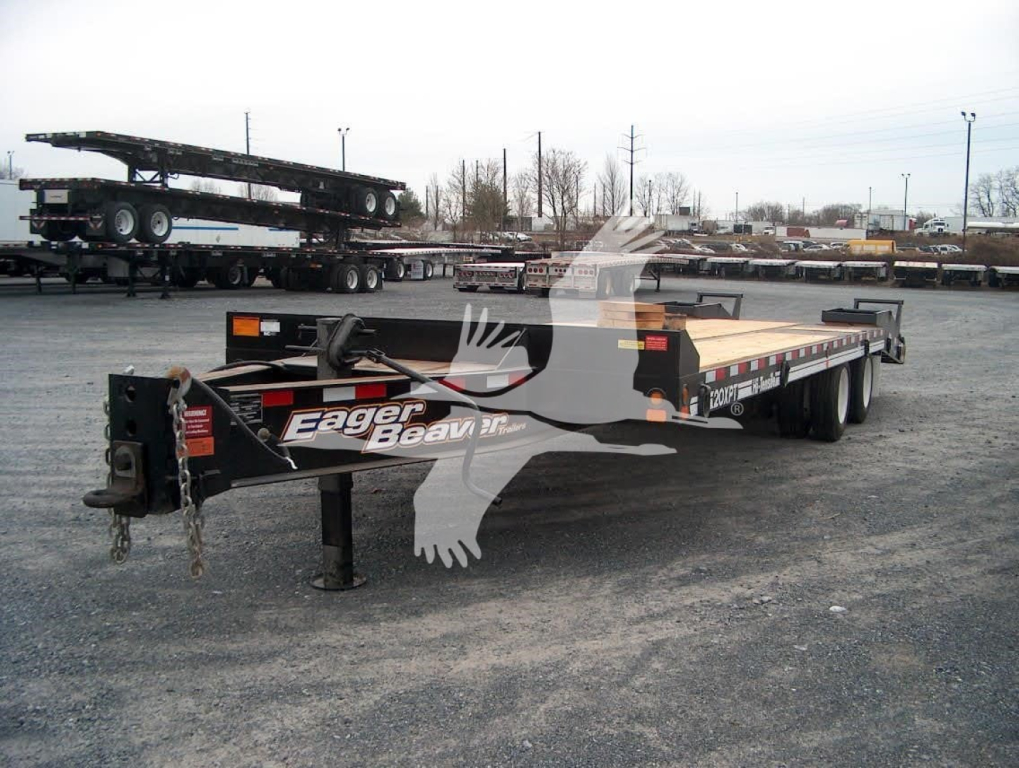
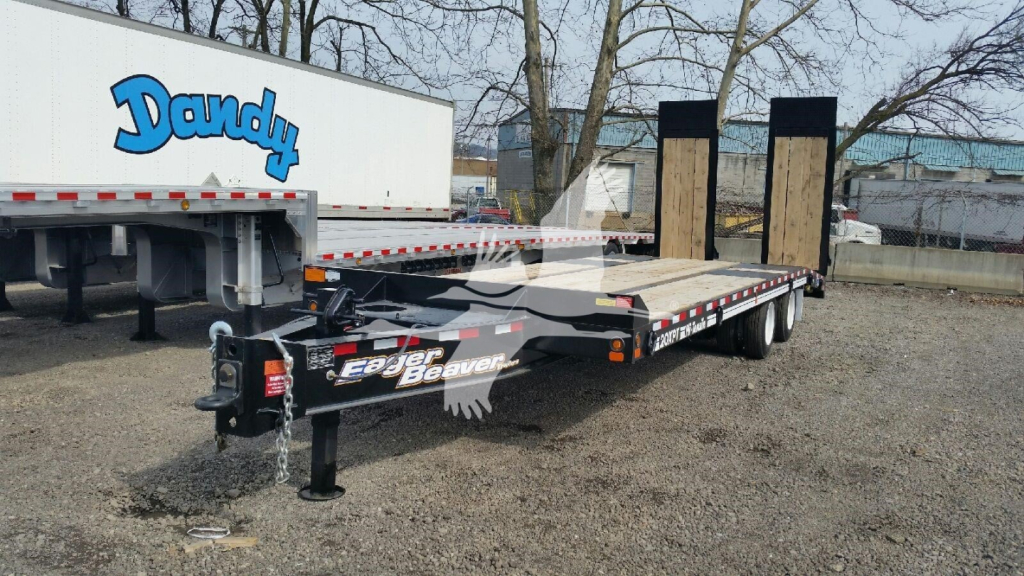
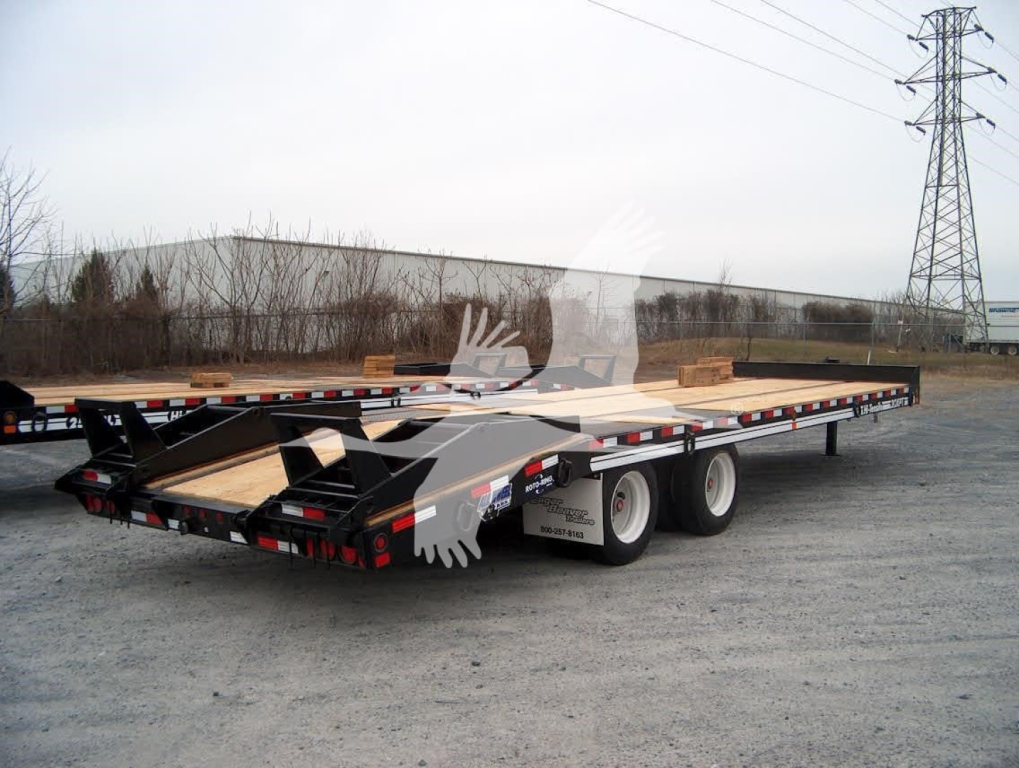
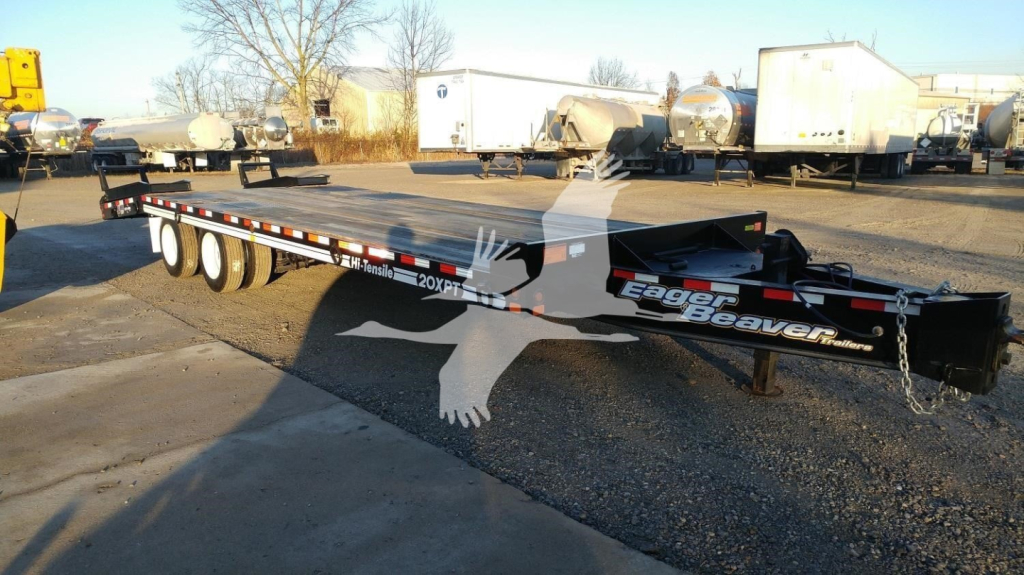
The specs that deserve the closest look are capacity, deck length, ramp style, and axle configuration. Eager Beaver tag models in this range commonly fall around 20-ton to 25-ton ratings, with 102-inch overall width, main deck lengths around 21 to 24 feet, and beavertails around 6 feet with an 8-degree load angle. Deck heights around 34 inches help keep loading manageable without going to a full lowboy setup. Buyers comparing a 2-axle 20-ton trailer to a 3-axle 25-ton trailer should think beyond the posted rating and look at the actual machine fleet, attachment weight, tongue weight, bridge considerations, and how often the trailer will be loaded near maximum.
Eager Beaver is well known in the heavy-haul and contractor segment for straightforward, durable trailer construction. Common features on tag trailers in this category include steel side rails, full-width steel bulkheads, Apitong or mixed wood flooring, multiple pairs of D-rings, adjustable pintle eyes or pintle hook setups, spring ride suspension, ABS, spring brakes on all axles, and lockable tool storage in the drawbar area. Hydraulic or electric-hydraulic ramps are a major upgrade for fleets that load daily, especially with varied operators or heavier rubber-tracked equipment. Angle-iron ramps can still make sense for simpler applications, but wood-filled hydraulic ramps generally improve traction, operator confidence, and loading speed.
A buyer should also pay attention to how the trailer matches the truck and the jobsite. Adjustable pintle height matters if the trailer will move between different tractors or straight trucks. Tire size, axle spacing, and lift axle configuration affect maneuverability, deck support, and tire wear. Flooring choice is important if steel tracks, attachments, or frequent point loading are part of the work. If the trailer will spend time on uneven jobsites, look closely at ramp support, rear structure, and suspension durability. For fleets hauling compact to mid-sized iron on short regional runs, a new Eager Beaver tag trailer is a proven category choice because it keeps loading simple, service points familiar, and operating costs lower than more specialized heavy-haul trailer designs.
Frequently Asked Questions about New 2026 Eager Beaver Tag Trailers
What is a tag trailer used for?
A tag trailer is used to haul construction and utility equipment behind a truck using a pintle connection. It is commonly used for skid steers, mini excavators, compact track loaders, backhoes, rollers, and similar machines that need a low deck and quick loading. Tag trailers are especially common in contractor fleets, municipal operations, equipment rental businesses, and road crews that move equipment regionally rather than over long over-the-road lanes.
What is the difference between a 20-ton and 25-ton tag trailer?
The main difference is payload capacity, but that is only part of the decision. A 25-ton tag trailer typically adds axle capacity, trailer weight, and structural strength for heavier machines, while a 20-ton model may be lighter, easier to maneuver, and better matched to smaller fleets or compact equipment. Buyers should compare the actual operating weight of the machine, bucket or attachment weight, fuel, and any support gear instead of relying only on the nominal ton rating.
Are hydraulic ramps worth it on a tag trailer?
Hydraulic ramps are often worth the added cost if the trailer is loaded frequently or used by multiple operators. They reduce physical effort, improve loading consistency, and can provide better traction and stability when paired with wood-filled ramp construction. For fleets loading heavier equipment or rubber-tracked machines every day, hydraulic ramps usually improve safety and productivity compared with basic angle-iron ramps.
Why does deck height matter on a tag trailer?
Deck height directly affects loading angle, center of gravity, and how easily equipment can be loaded without dragging or high-centering. A lower deck height, such as roughly 34 inches in this class, helps reduce the effective approach angle and makes loading more predictable for low-clearance machines. It can also improve hauling stability, especially when moving compact equipment with tall cabs or attachments.
What should I check when matching a tag trailer to my truck?
Start with the truck’s towing capacity, pintle height, brake compatibility, and axle ratings. Then verify that the trailer’s loaded tongue weight, GVWR, and brake system fit the truck’s actual operating setup. Adjustable pintle height, ABS, safety chains, and proper load distribution all matter, especially if the trailer will be used behind different trucks or on mixed on-road and jobsite routes.