
New Eager Beaver Tag Trailers For Sale
New Eager Beaver tag trailers built for equipment hauling, with pintle hook towing, low deck heights, beavertails, ramps, and 20 to 25 ton ratings.
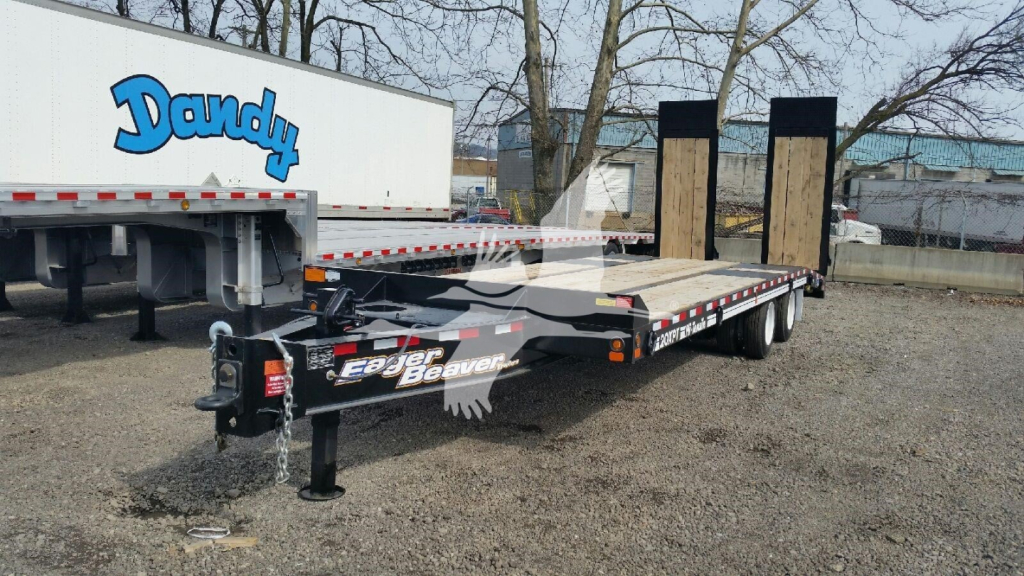
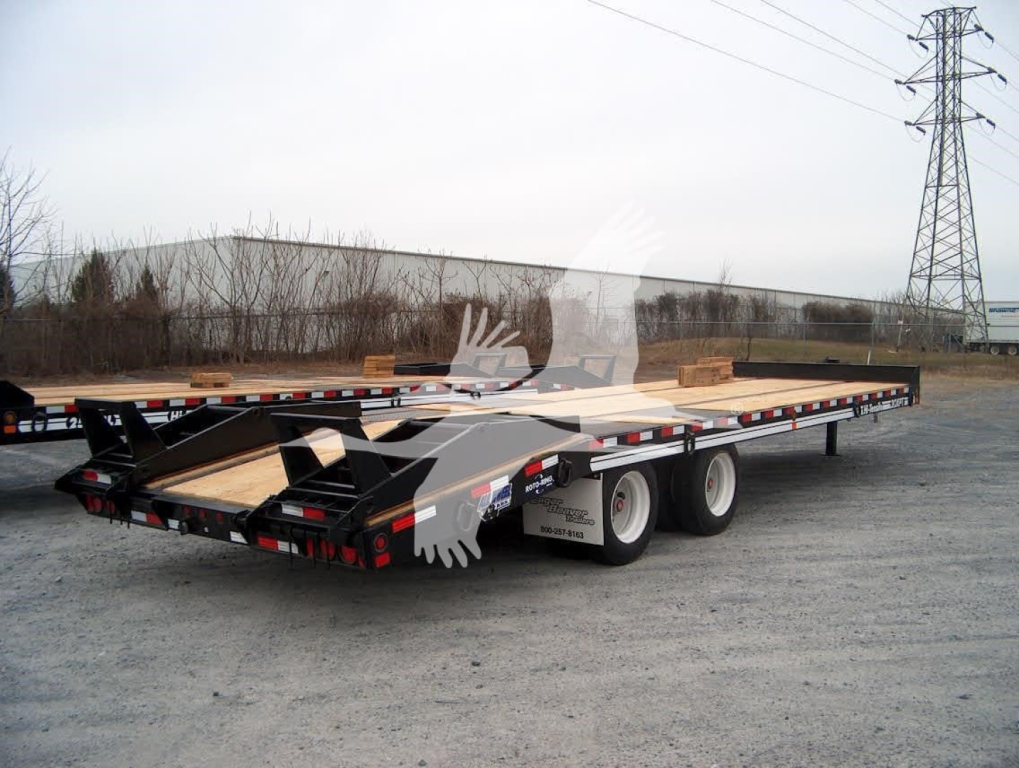
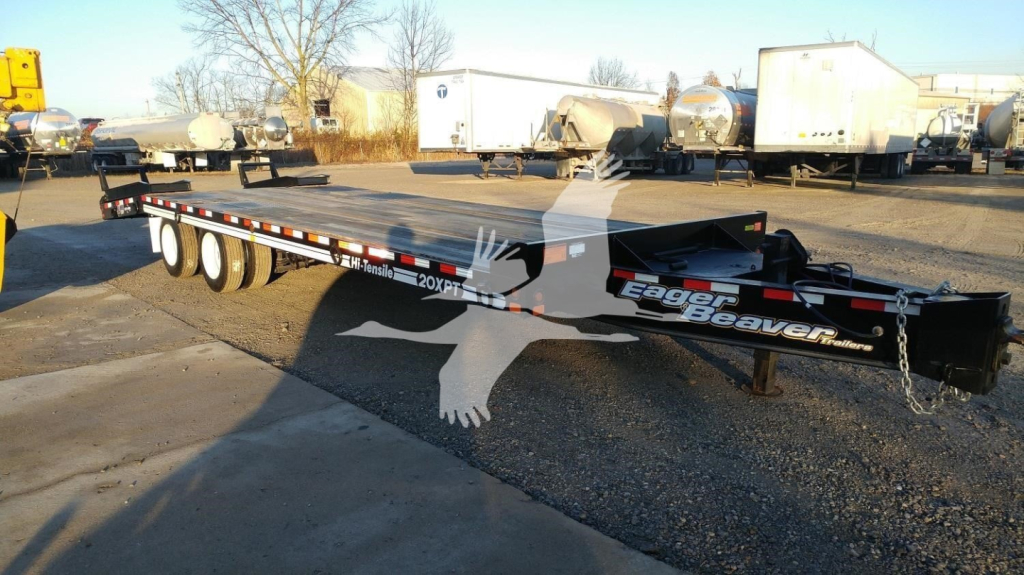
Selling a new eager beaver tag trailer? List your new eager beaver tag trailer for sale and reach thousands of commercial buyers.
New Eager Beaver Tag Trailers
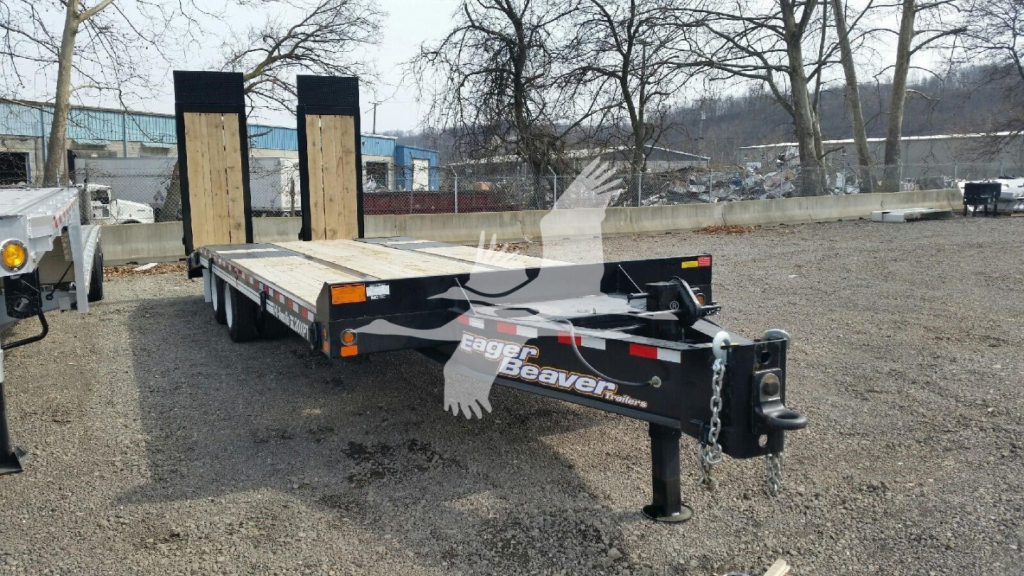
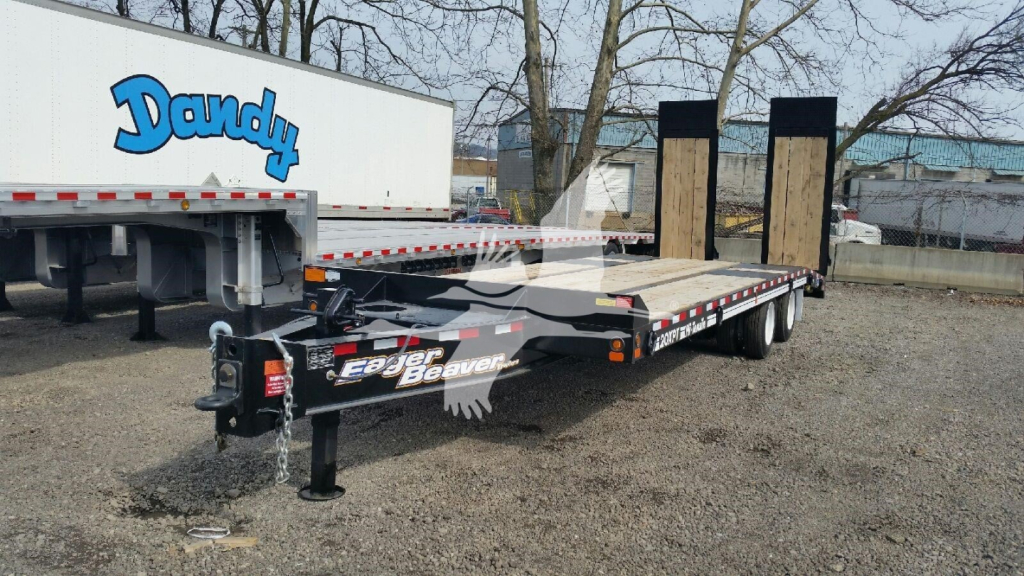
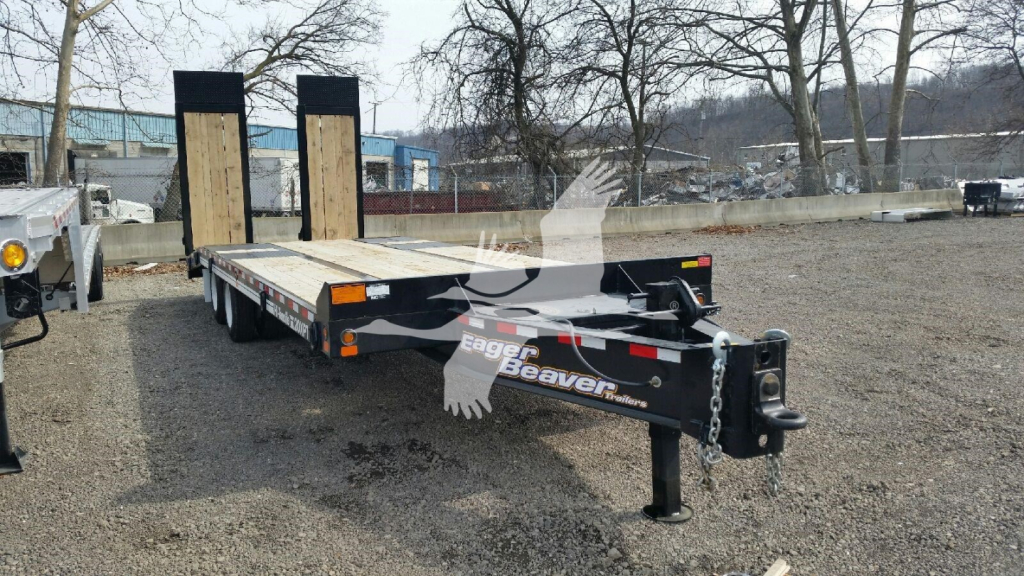
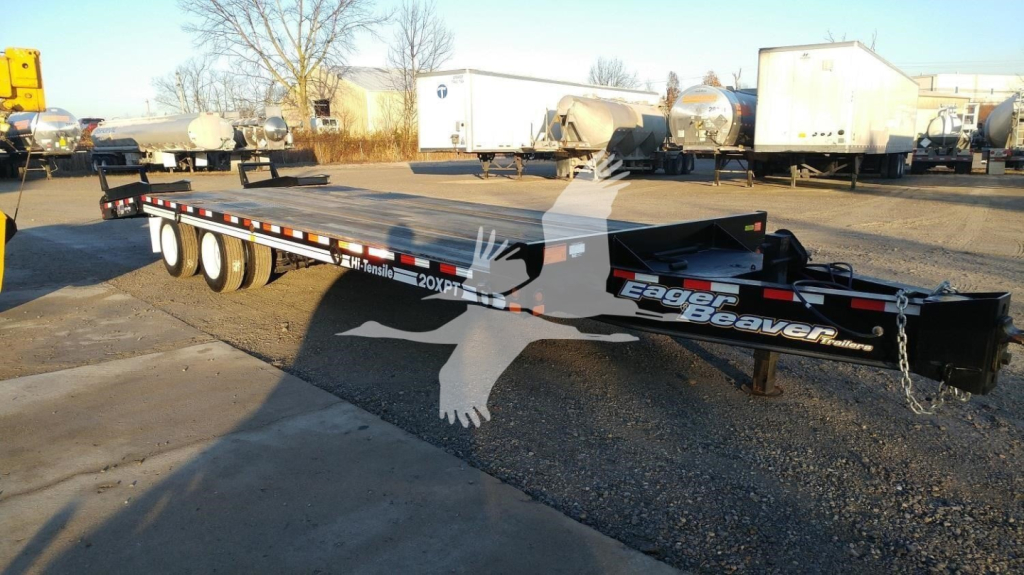
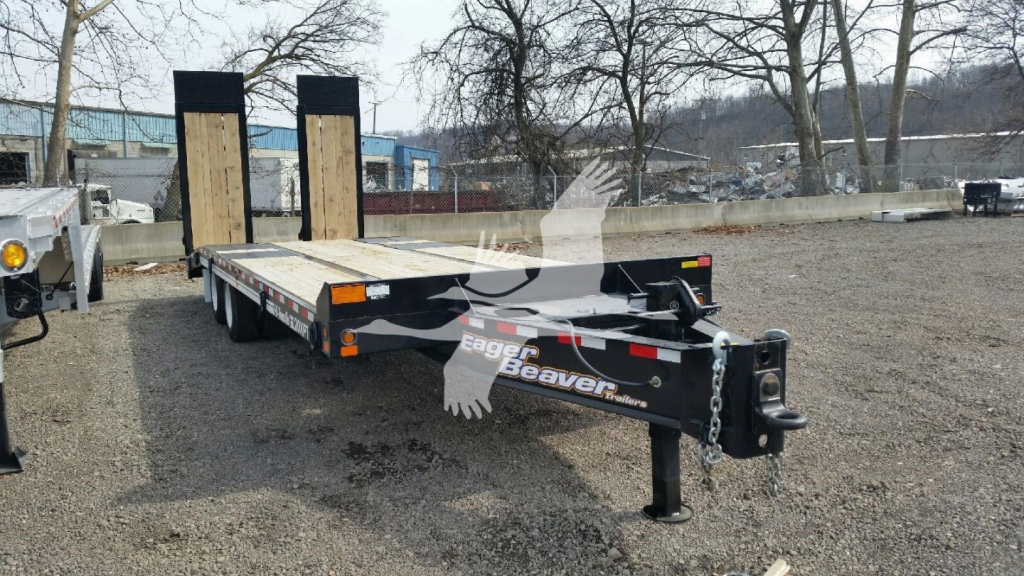
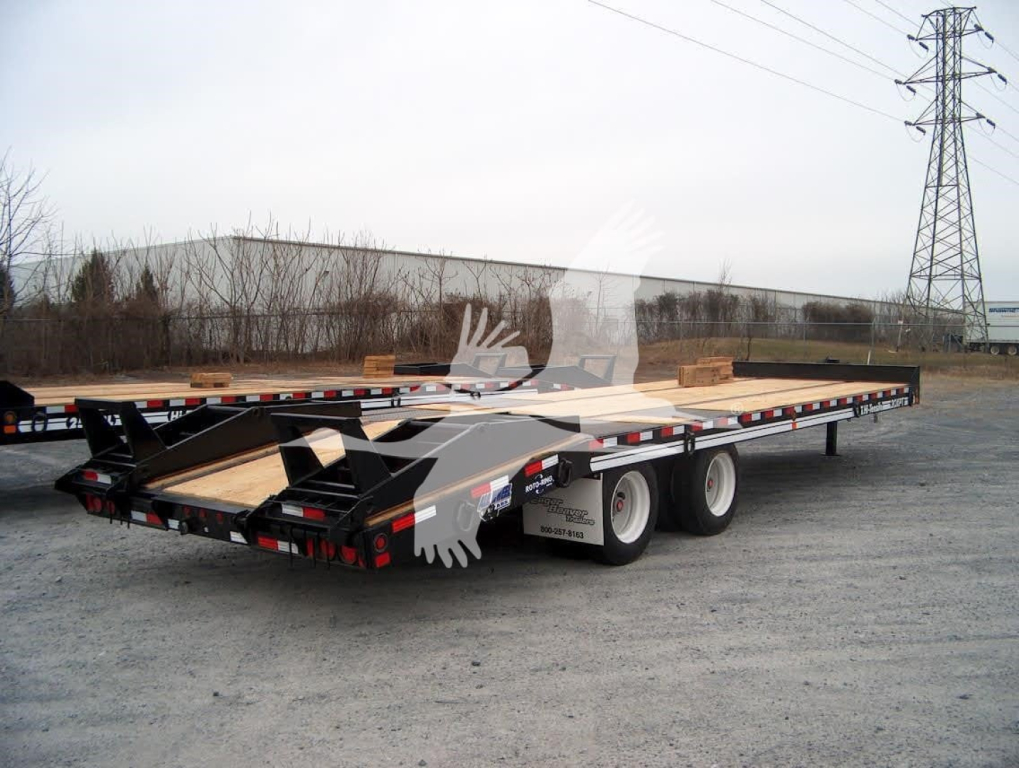
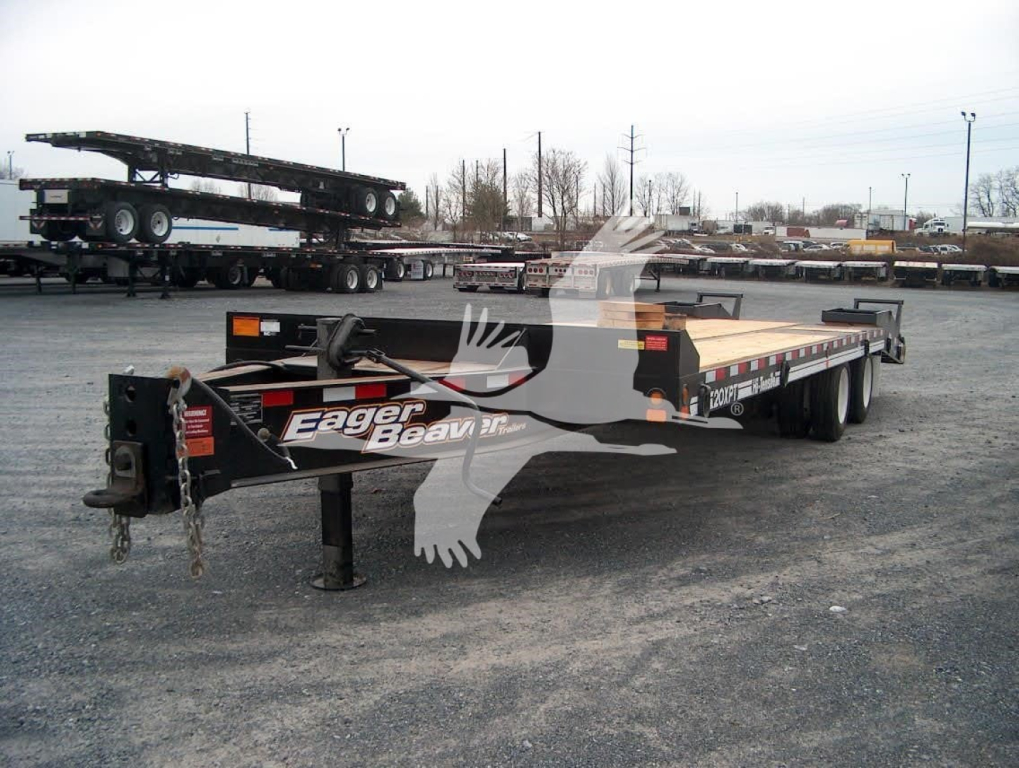
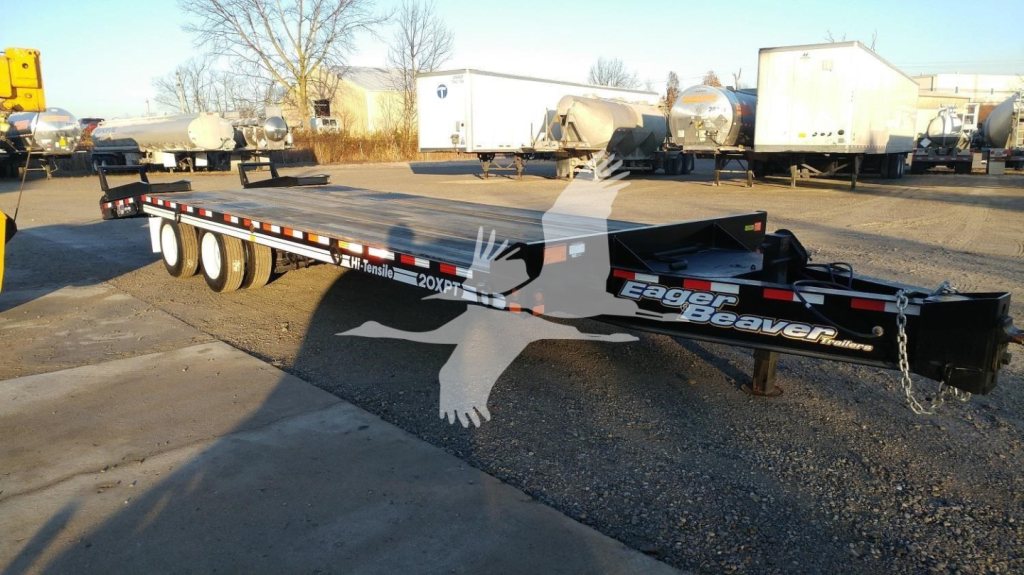
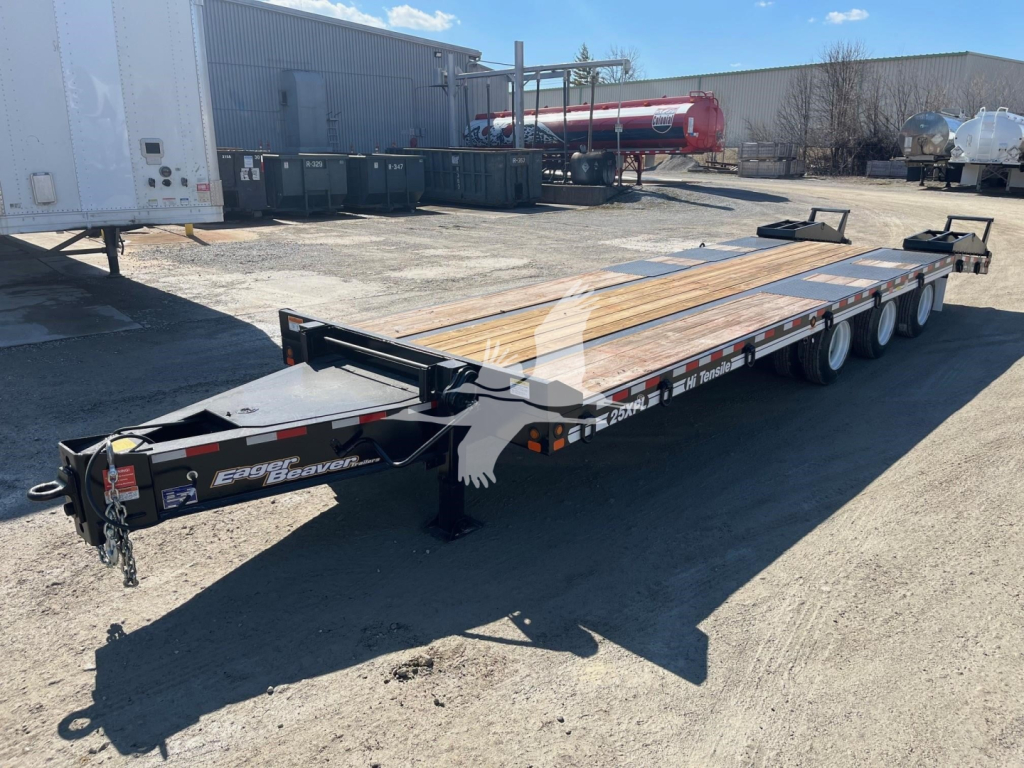
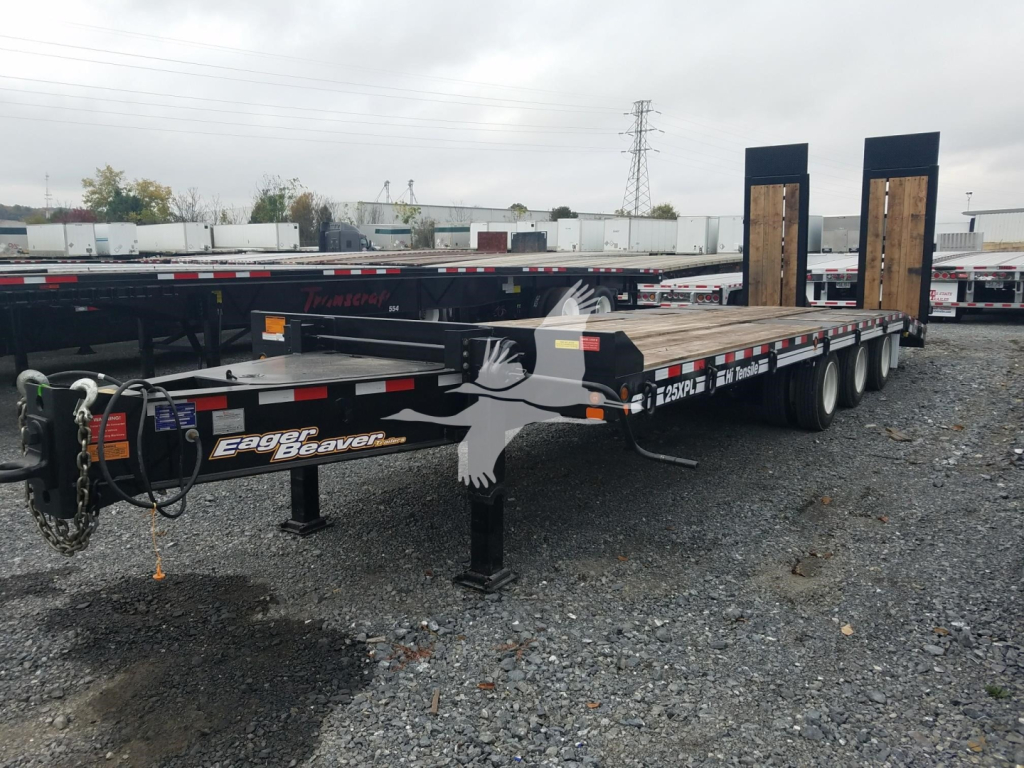
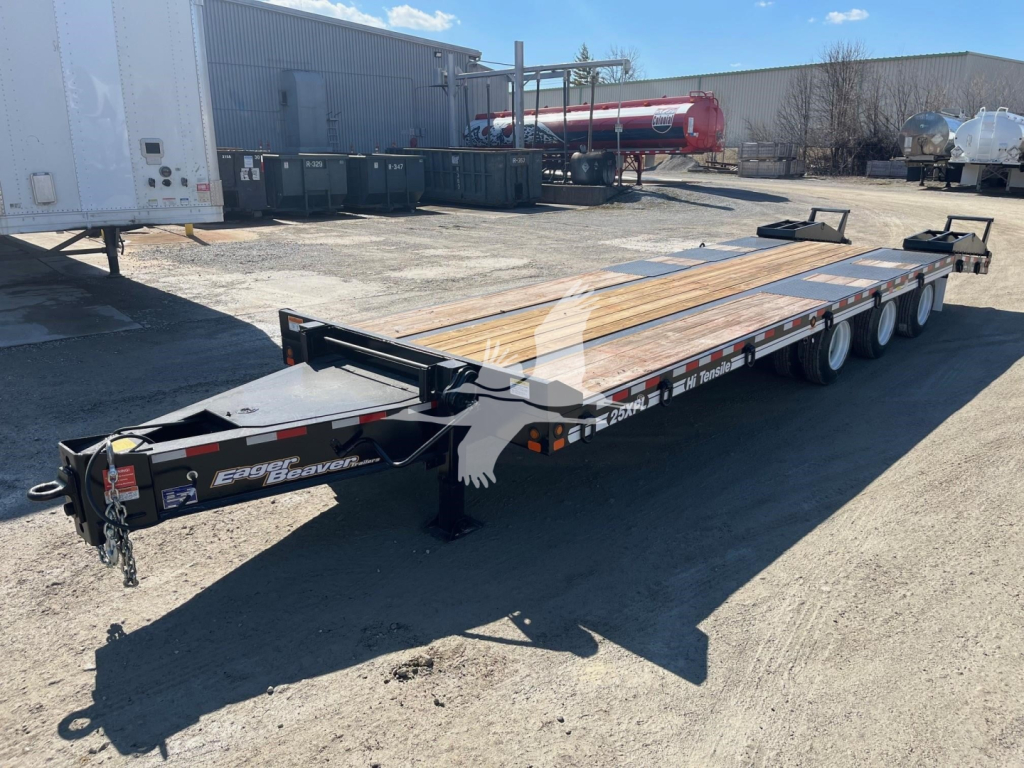
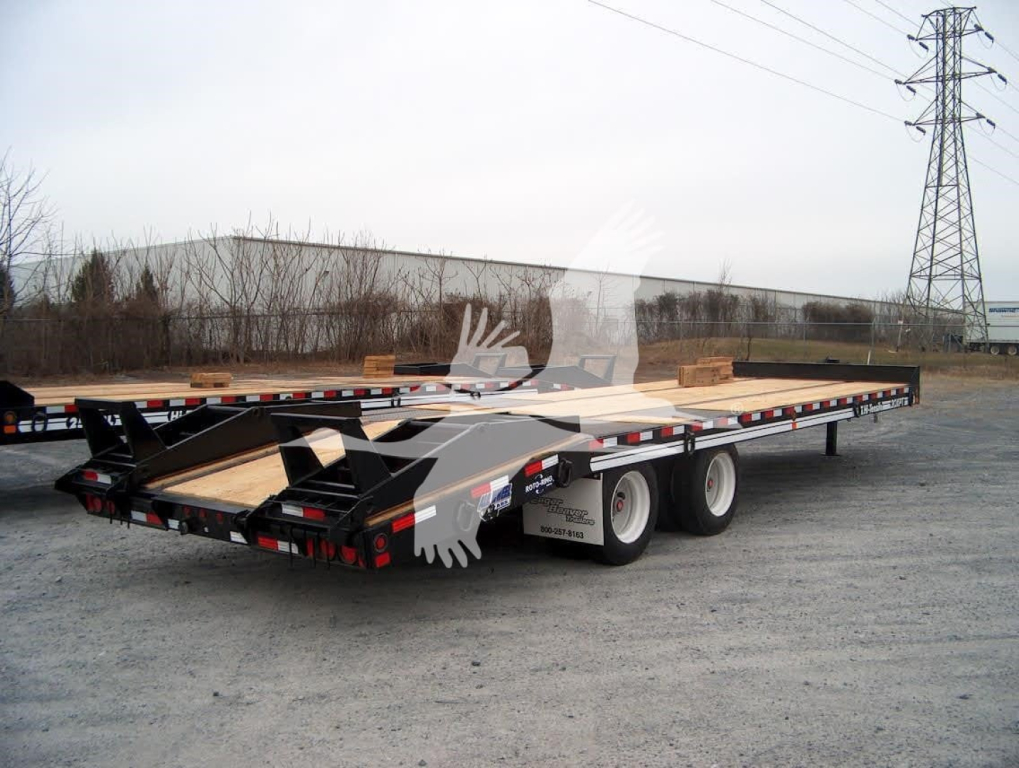
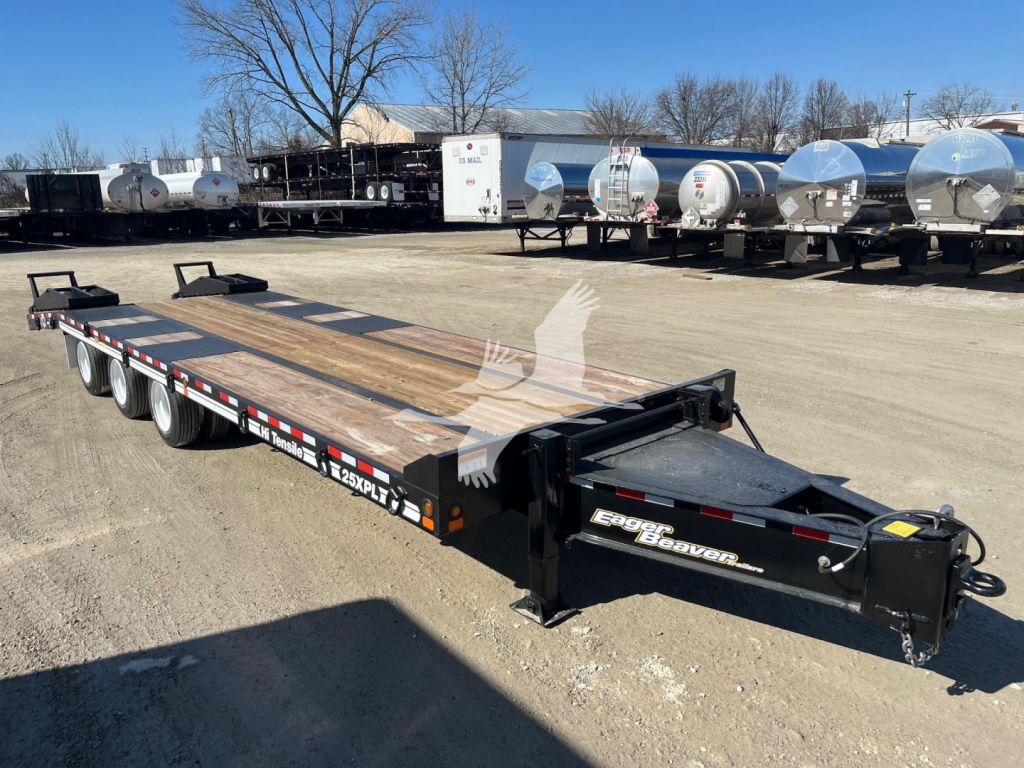
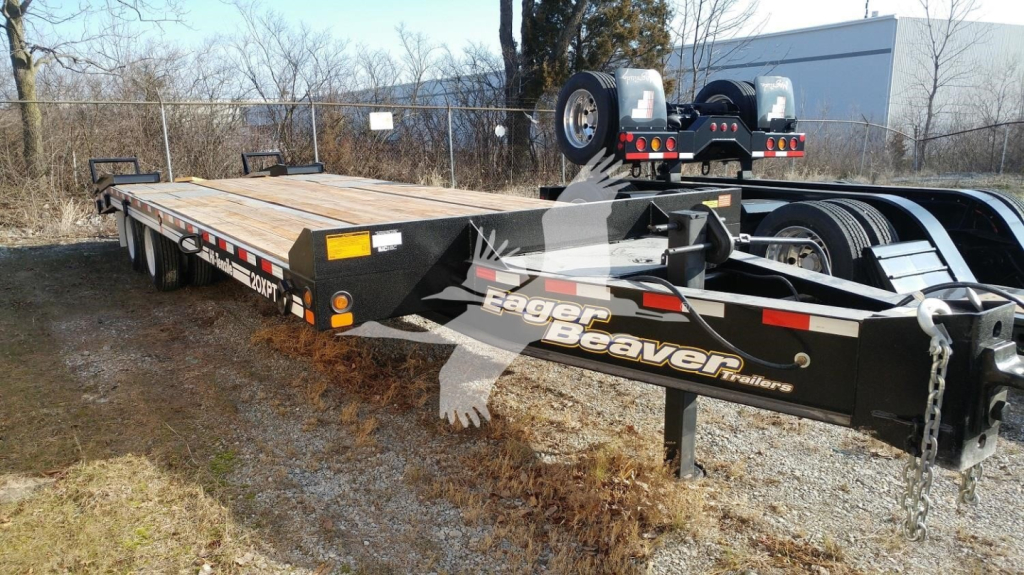
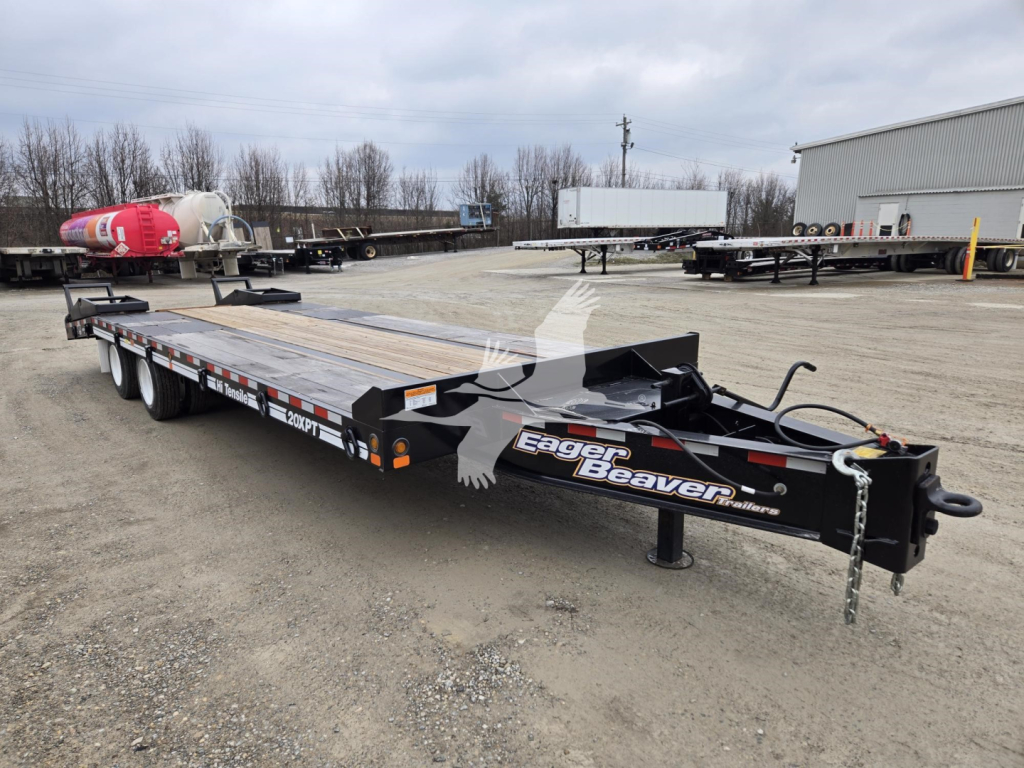
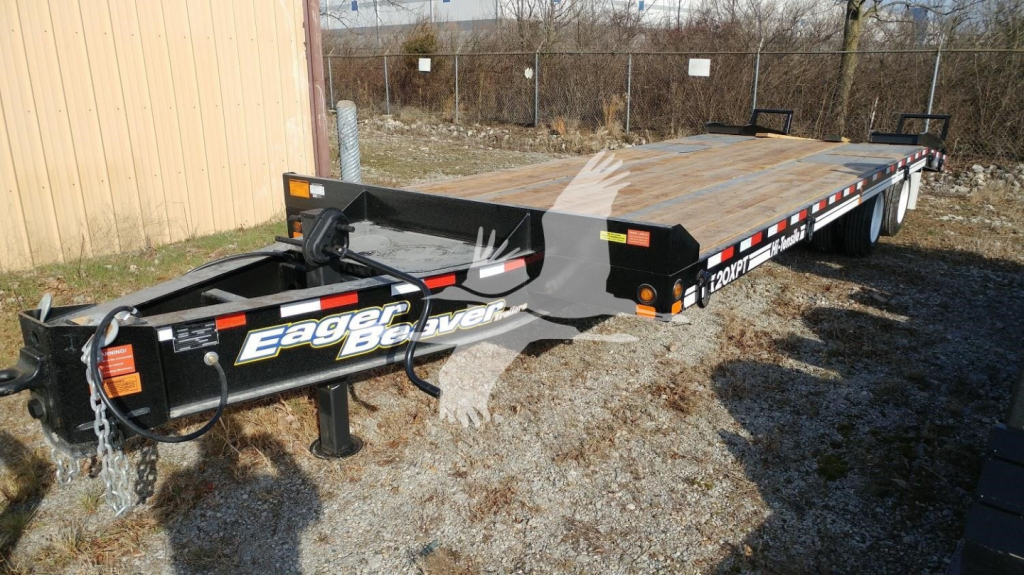
Common configurations in this category include 20 ton and 25 ton tag trailers with 102-inch overall width, flat main decks around 21 to 24 feet, and deck heights near 34 inches. Many use a 6-foot beavertail with roughly an 8-degree load angle, which helps when loading rollers, skid steers, mini excavators, compact dozers, and rubber-tired equipment with limited ground clearance. Flooring often combines apitong on the outer deck with a pine center section, giving a good balance of durability, repairability, and traction. Full-width steel bulkheads, steel side rails, multiple pairs of D-rings, adjustable pintle eyes, and lockable drawbar tool storage are common details that matter in real fleet use. On higher-capacity models, a lift axle can improve load distribution and flexibility when hauling variable machine weights.
Suspension and brake spec deserve close attention on a new tag trailer. Spring ride remains common because it is simple, proven, and well suited to severe service, especially on jobsites and secondary roads. Buyers should still verify axle count, suspension setting, brake configuration, ABS setup, and whether spring brakes are installed on all axles. Tire size in this class is often 17.5-inch rubber on steel wheels, chosen to keep deck height low while still supporting the trailer's GVWR. Landing gear design also affects daily usability. A single-leg crank setup can be fine on lighter 20 ton tags, while two-speed landing gear is often preferred on heavier 25 ton units that see frequent hook and unhook cycles.
The right Eager Beaver tag trailer depends on the machine mix more than the headline capacity rating. A 20 ton unit may be a better fit for compact construction equipment and mixed local hauling because it keeps tare weight down and simplifies operation. A 25 ton trailer gives more room for future equipment growth, added attachments, and tougher duty cycles. Buyers should compare deck length versus wheelbase of the equipment being hauled, check ramp rating against actual axle loads, and confirm drawbar height range matches the tow vehicle. For fleets that load on uneven ground or haul different machine types every week, those details usually matter more than paint, brand familiarity, or nominal tonnage alone.
Frequently Asked Questions about New Eager Beaver Tag Trailers
What is an Eager Beaver tag trailer used for?
An Eager Beaver tag trailer is used to haul construction and utility equipment behind a pintle-equipped truck or tractor. This category is common for transporting skid steers, mini excavators, rollers, backhoes, compact dozers, and other machines that need a low deck height and rear ramp loading. Tag trailers are especially popular for local and regional equipment moves where a pull-type trailer is more practical than a detachable gooseneck or semi lowboy.
What is the difference between a tag trailer and a lowboy trailer?
A tag trailer is a pull-type trailer that connects with a pintle hitch and drawbar, while a lowboy usually refers to a fifth-wheel trailer pulled by a road tractor. Tag trailers are generally simpler, more maneuverable for local work, and well suited to medium-capacity equipment hauling. Lowboys typically offer higher capacity and lower deck sections for larger machines, but they also require a dedicated tractor setup and often more operating cost.
How do I choose between a 20 ton and 25 ton tag trailer?
The best choice depends on the heaviest machine you plan to haul, plus any buckets, hammers, attachments, fuel, or accessories that travel with it. A 20 ton tag trailer can be a strong fit for compact and mid-size equipment while keeping tare weight lower. A 25 ton model provides more margin for axle loading, future equipment changes, and mixed fleet use. Buyers should match trailer rating, deck length, ramp capacity, and axle configuration to actual machine dimensions and operating weight rather than relying only on the advertised ton class.
Why do deck height and beavertail angle matter on a tag trailer?
Deck height and beavertail angle directly affect loading clearance and machine approach angle. A lower deck, such as one around 34 inches, helps reduce the breakover point when loading equipment with low ground clearance. A longer beavertail and moderate load angle can make a major difference for pavers, rollers, scissor lifts, and other equipment that does not climb steep ramps well. These dimensions also influence overall trailer stability and ease of loading on uneven jobsites.
What features should I look for on a new Eager Beaver tag trailer?
Key items include the trailer's ton rating, usable deck length, axle count, ramp design, suspension type, brake specification, tie-down layout, and pintle height adjustment. Durable flooring such as apitong, a full-width bulkhead, steel side rails, and multiple pairs of D-rings are valuable for hard use. Buyers should also confirm ABS configuration, spring brakes, tool storage, landing gear style, and tire size because those details affect safety, serviceability, and daily operating efficiency.