
New Eager Beaver Tag Trailers For Sale in Ohio
New Eager Beaver tag trailers for sale in Ohio. Heavy equipment trailers with pintle hitch, beavertail, ramps, and 25-ton capacity.
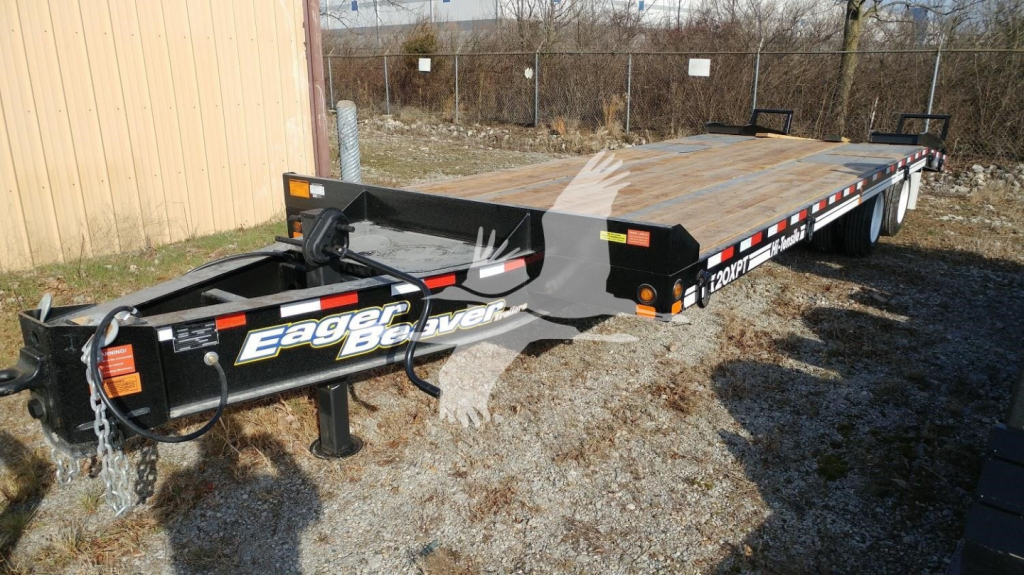
Selling a new eager beaver tag trailer? List your new eager beaver tag trailer for sale and reach thousands of commercial buyers.
New Eager Beaver Tag Trailers in Ohio
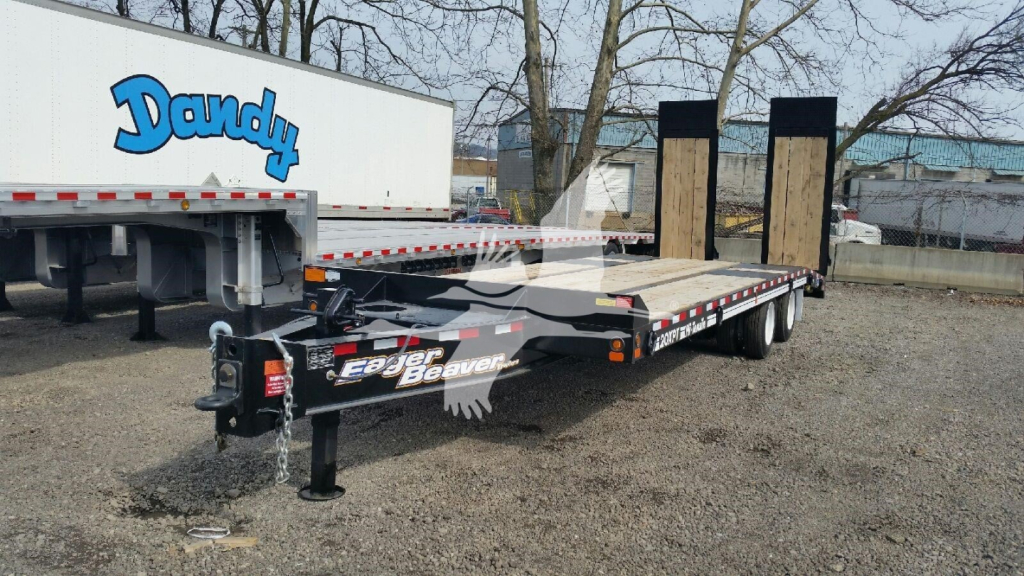
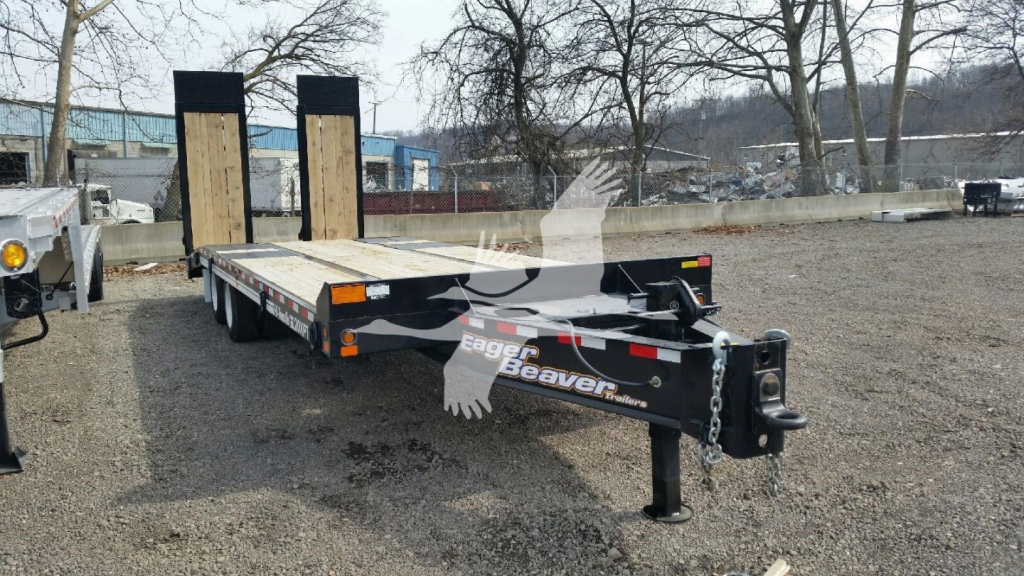
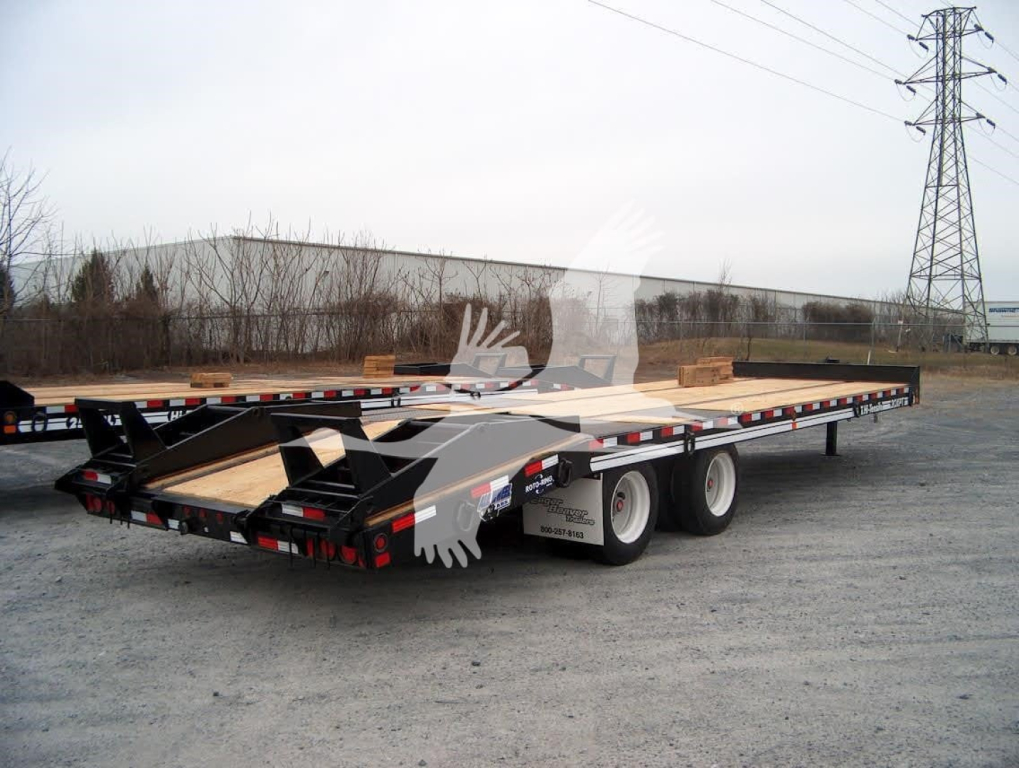
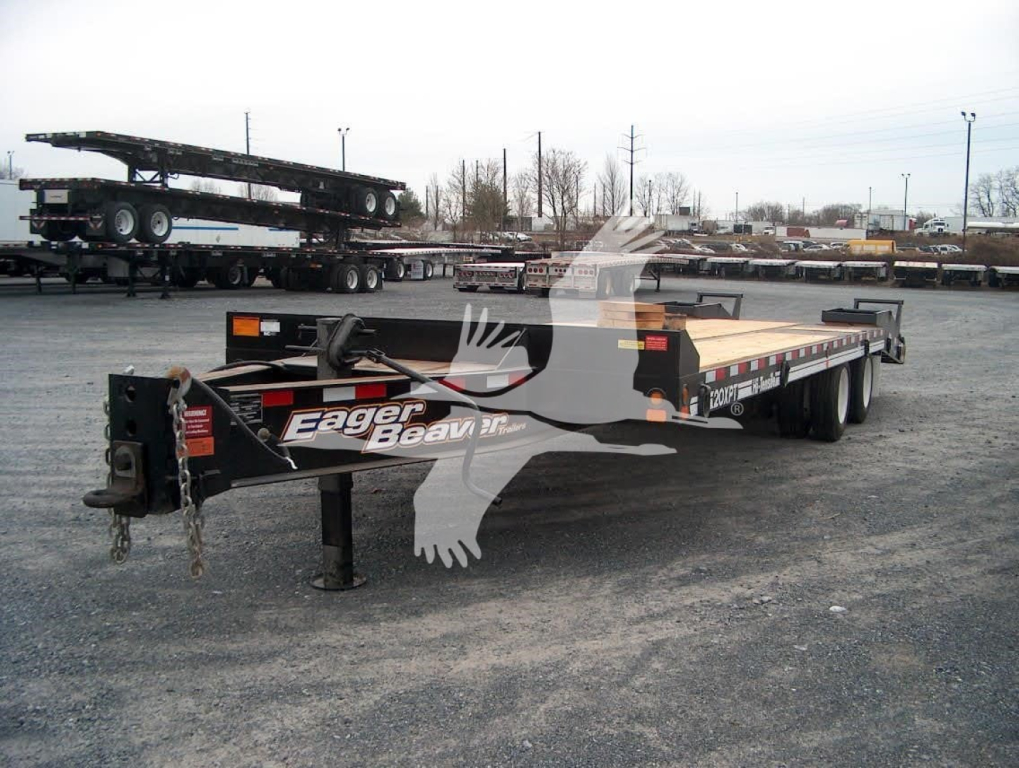
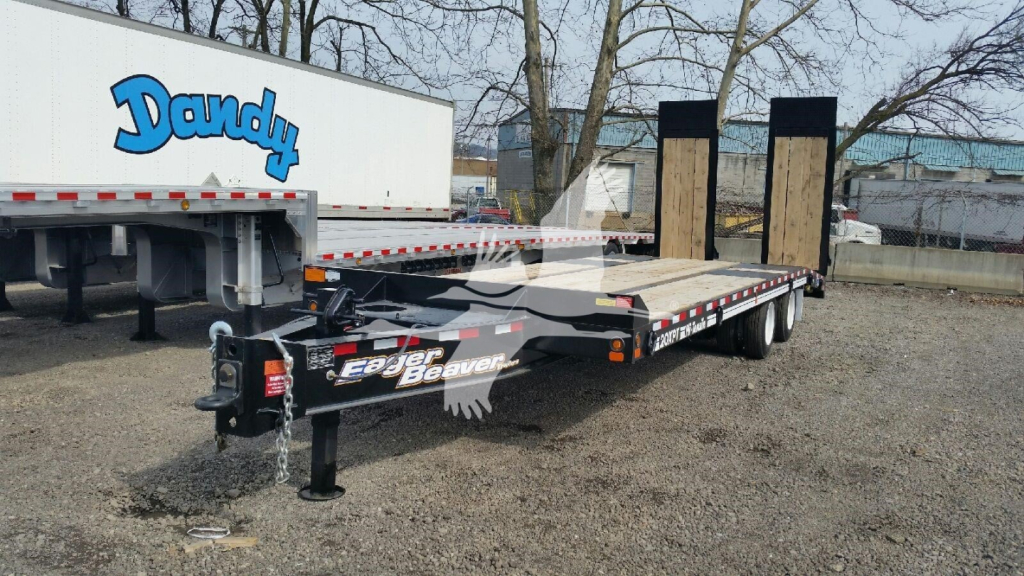
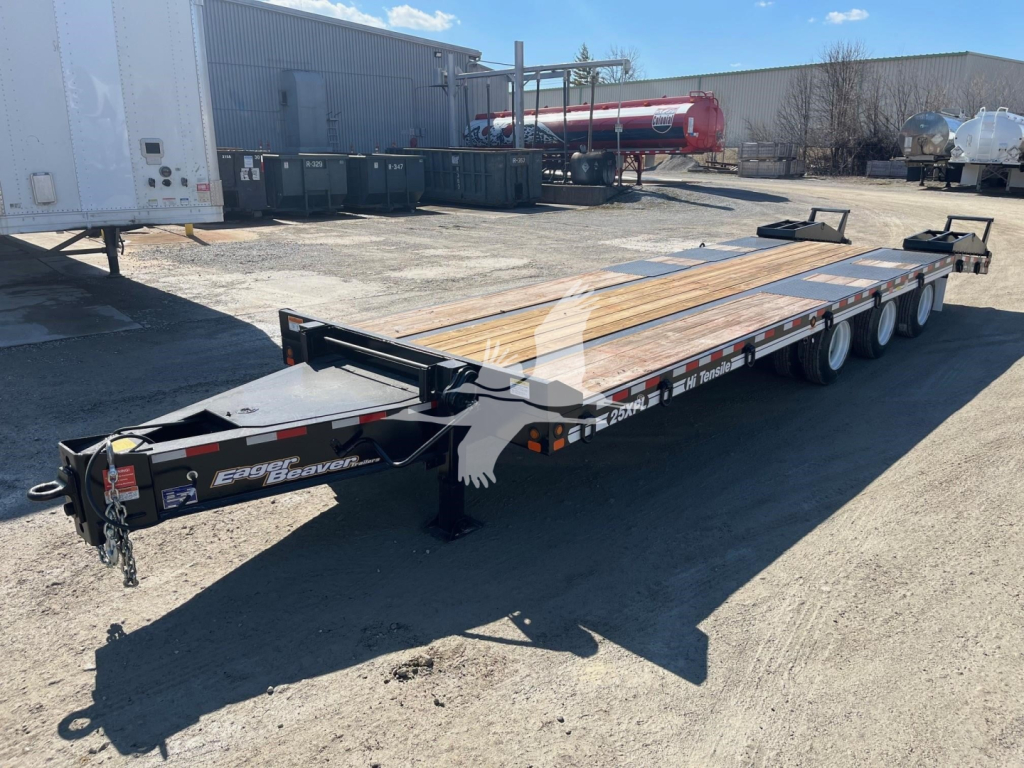
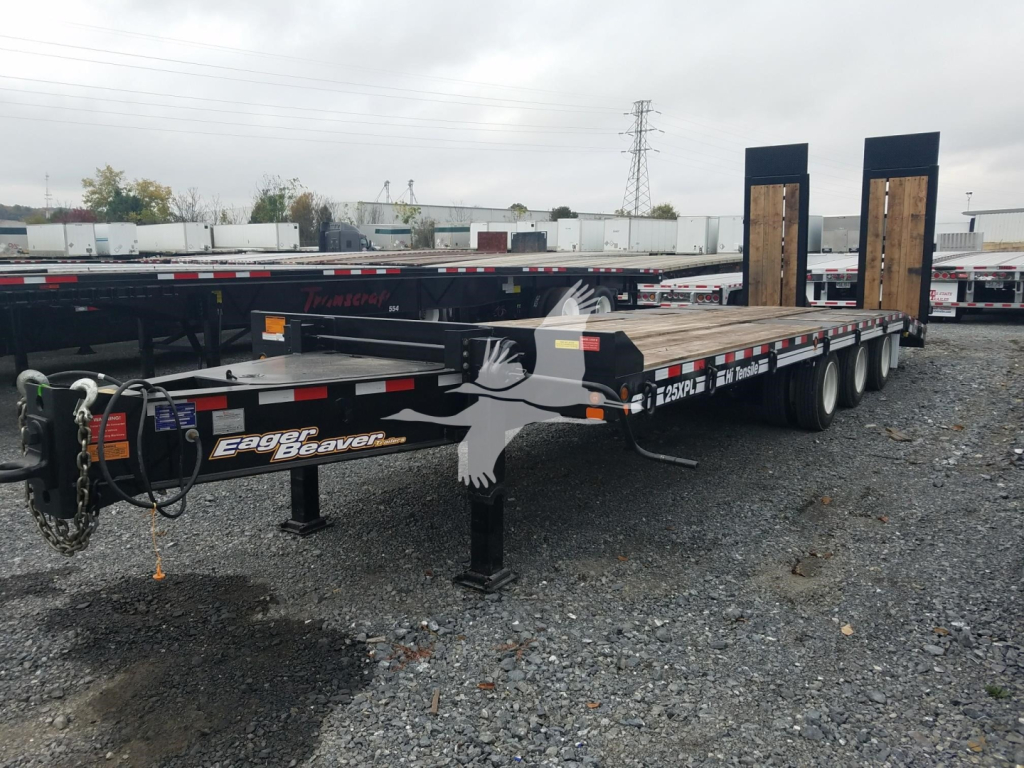
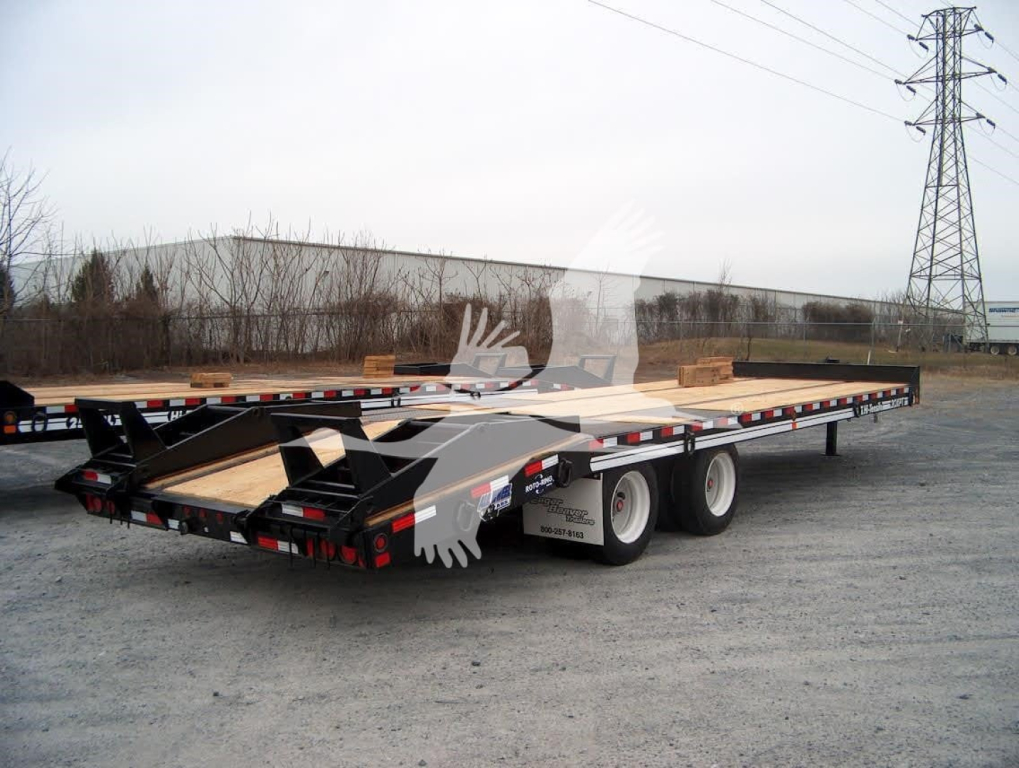
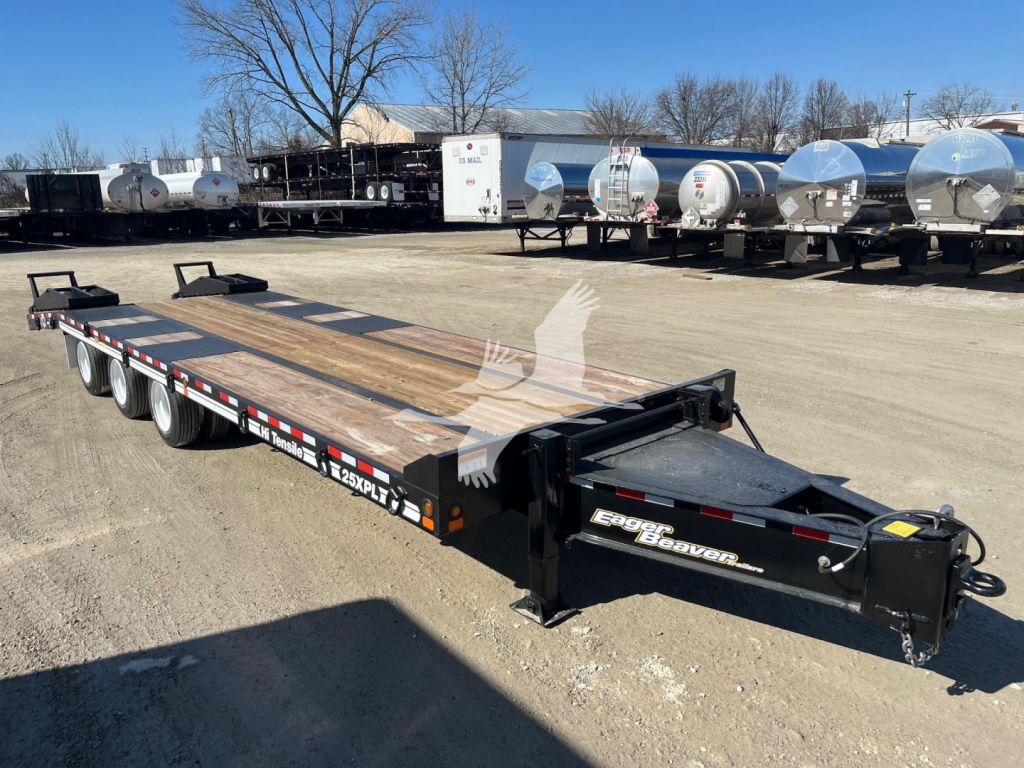
A common spec in this class is a 25-ton rating with a 102-inch overall width, a flat main deck around 24 feet, and a beavertail that helps lower the loading angle. On Eager Beaver models like the 25XPL, buyers will often see a steel frame, wood deck combination, full-width bulkhead, multiple pairs of D-rings, and spring ride suspension with a lift axle. Main deck height matters because it affects loading stability and overall center of gravity, while beavertail length and ramp design directly affect how easily low-clearance equipment can be loaded. Hydraulic ramps improve loading speed and reduce manual handling, while angle iron or spring-assisted ramps can keep acquisition cost and maintenance simpler for fleets that do not need frequent load cycles.
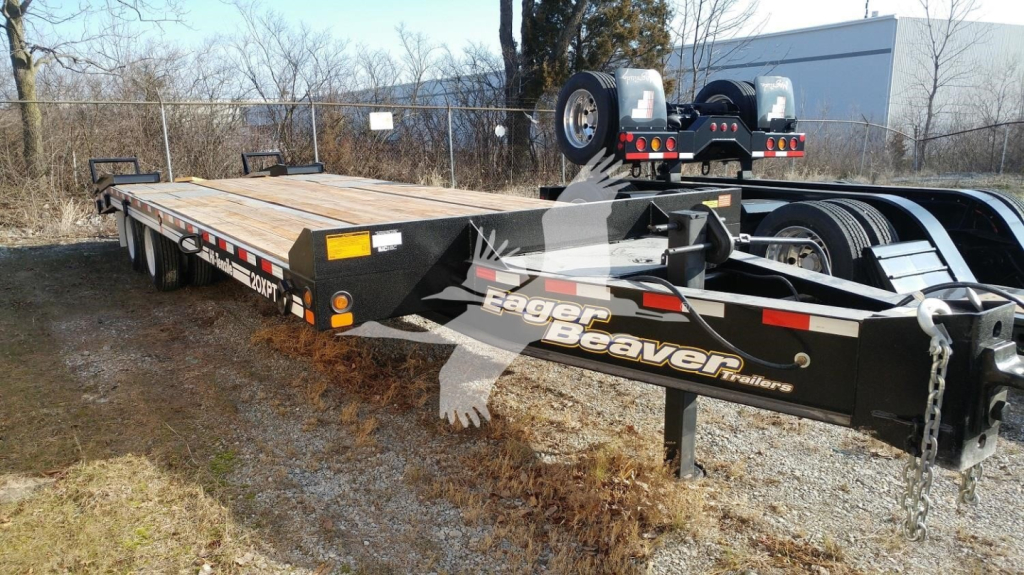
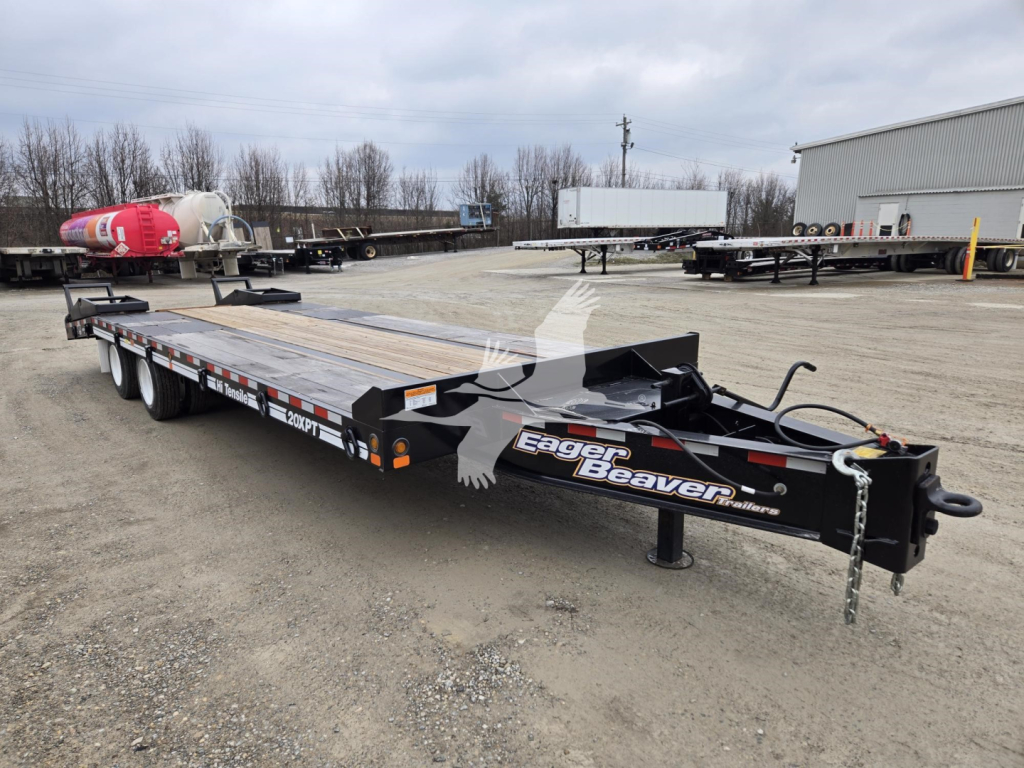
The undercarriage and running gear deserve close attention. Buyers should verify axle configuration, brake setup, ABS, tire size, suspension brand, and whether spring brakes are installed on all axles. Adjustable pintle height is important if the trailer may be paired with different trucks, since proper trailer attitude affects braking, tire wear, and load distribution. Flooring is another practical decision. Apitong or mixed hardwood decking generally holds up well under steel tracks and concentrated machine weight, and a wood-filled beavertail or ramp surface can improve traction during wet Ohio weather. Lockable tool or drawbar storage is also useful for chains, binders, and accessories that otherwise end up loose in the truck.
For Ohio buyers, a new Eager Beaver tag trailer makes sense when uptime, legal capacity, and predictable service support matter more than squeezing into the lightest price point. The best match depends on what you haul most often, how many load cycles you run per week, and how your truck is spec'd. If the trailer will carry mixed equipment, look closely at deck length, tie-down placement, and ramp width. If it will live behind one dedicated truck, pintle height range, loaded tongue weight, and suspension choice become more important. A properly spec'd tag trailer should load safely, track straight, and stand up to repeated equipment hauling without excessive flex, deck wear, or brake issues.
Frequently Asked Questions about New Eager Beaver Tag Trailers in Ohio
What is an Eager Beaver tag trailer used for?
An Eager Beaver tag trailer is used to haul construction and maintenance equipment behind a truck with a pintle hitch. Common loads include skid steers, mini excavators, compact track loaders, rollers, and other machines that fit the trailer’s deck length, width, and weight rating. Tag trailers are popular with contractors, road crews, utility fleets, and municipalities because they are simpler to hook up than a tractor-trailer combination and work well for local and regional equipment moves.
What should I look for in a 25-ton tag trailer?
The key buying points are actual payload needs, deck length, loaded deck height, beavertail angle, ramp style, axle configuration, and hitch height range. A 25-ton rating may be appropriate for many mid-sized machines, but buyers still need to account for attachment weight, fuel, chains, and legal axle distribution. Ramp width matters for equipment with wider tracks or tires, and suspension choice affects ride quality, durability, and maintenance over rough jobsite access roads.
Are hydraulic ramps better than fixed or angle iron ramps on a tag trailer?
Hydraulic ramps are usually better for fleets that load often, handle heavier equipment, or want faster and more controlled loading. They reduce manual effort and can improve operator safety, especially when machines are loaded several times a day. Fixed, spring-assisted, or angle iron ramps can still be a good fit for lower-duty use where simplicity, lower cost, and easier field service are the priority. The right choice depends on load frequency, equipment type, and how much value your operation places on speed and convenience.
Why does pintle height adjustment matter on a tag-along trailer?
Pintle height adjustment matters because the trailer needs to run level for proper weight transfer, braking performance, and tire wear. If the nose is too high or too low, axle loading can shift in a way that affects stability and braking balance. Adjustable pintle settings are especially important for fleets that move the trailer between different trucks, since hitch heights can vary significantly between dump trucks, severe-duty straight trucks, and other tow vehicles.
Is a tag trailer a good alternative to a detachable lowboy?
A tag trailer is a good alternative when the equipment being hauled fits the capacity and deck height of the trailer and the operation benefits from using a truck rather than a road tractor. For smaller and mid-sized machines, a tag trailer can be more economical, easier to dispatch, and well suited to short-haul work. A detachable lowboy is usually the better choice for taller, heavier, or wider equipment where lower deck height and greater capacity are needed.