
New 2026 Eager Beaver Tag Trailers For Sale in Ohio
Shop new 2026 Eager Beaver tag trailers with 20-ton class capacity, pintle hitch setup, beavertails, ramps, and contractor-ready deck specs.
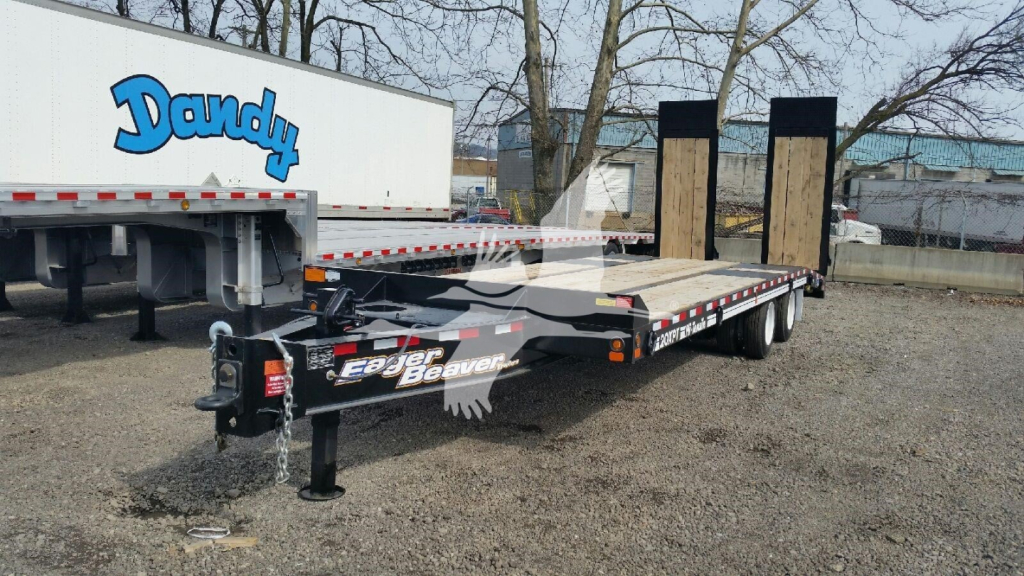
Selling a new 2026 eager beaver tag trailer? List your new 2026 eager beaver tag trailer for sale and reach thousands of commercial buyers.
New 2026 Eager Beaver Tag Trailers in Ohio
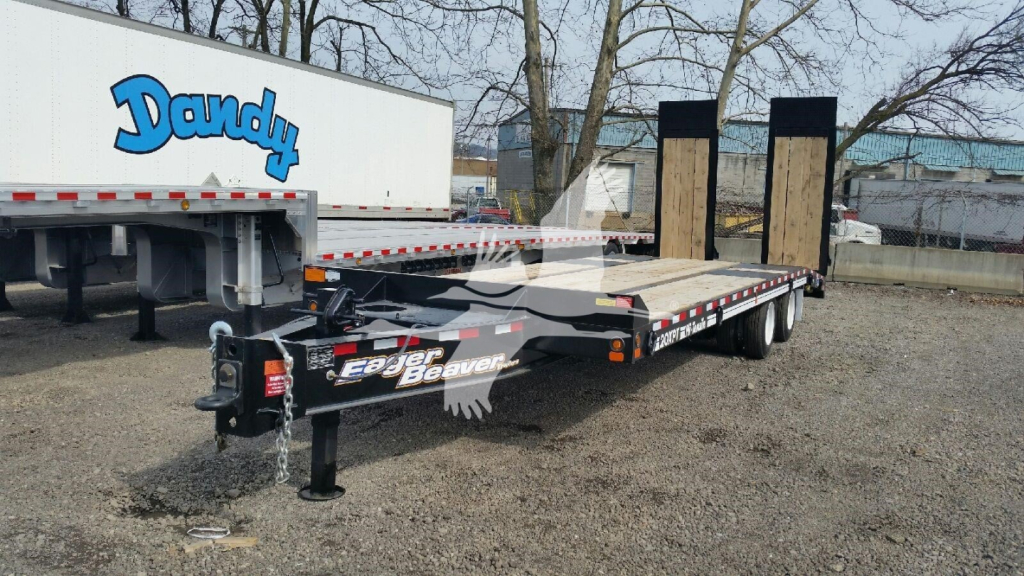
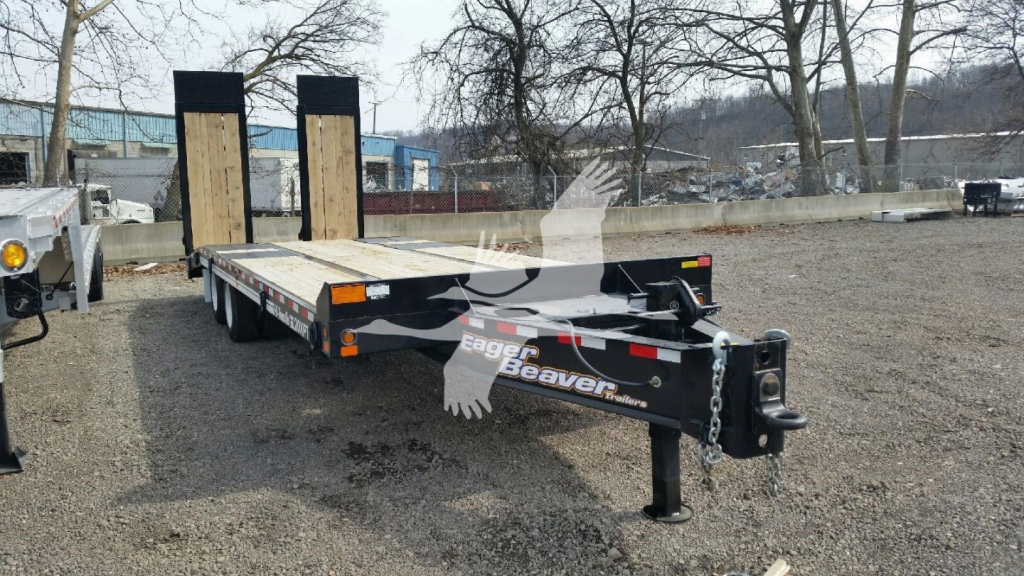
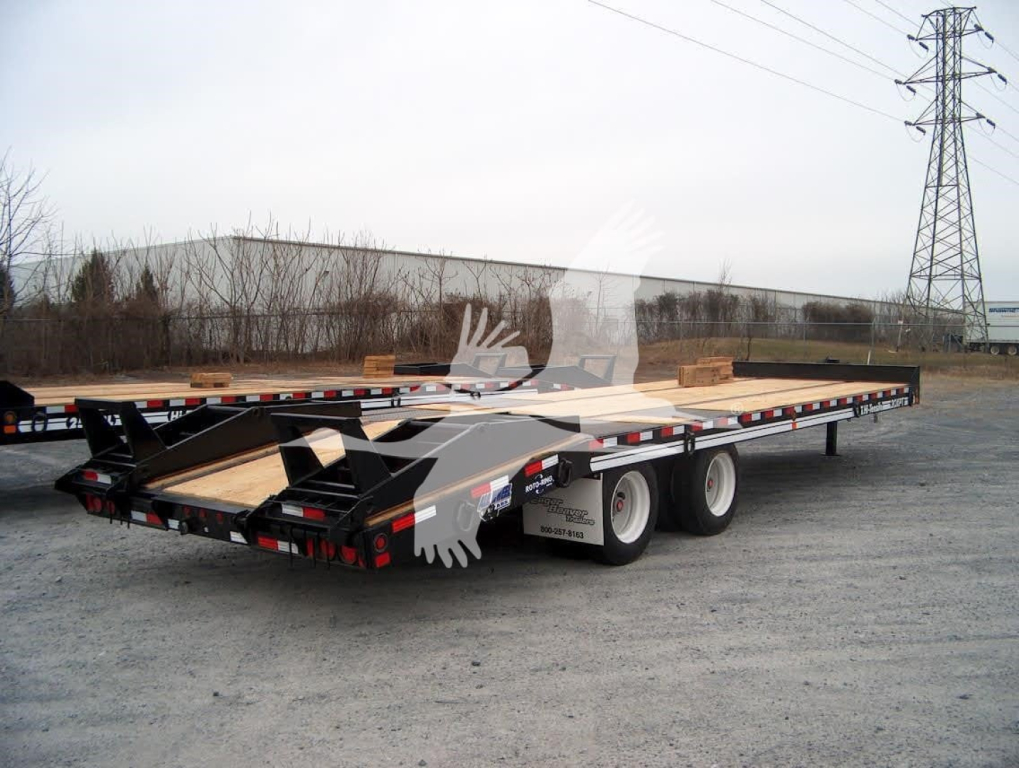
For most buyers, the biggest decision is ramp style and axle layout. A 20-ton tag trailer often comes with two axles, spring ride suspension, and a relatively simple, durable setup that works well for paving crews, site contractors, rental fleets, and municipal use. Hydraulic ramps speed up loading and reduce manual handling, while fixed heavy-duty angle iron or wood-filled ramps can be the better long-term choice for operators who want fewer hydraulic components to maintain. A beavertail load angle around 8 degrees and a deck height near 34 inches are typical numbers to watch, because they directly affect how easily low-clearance machines load.
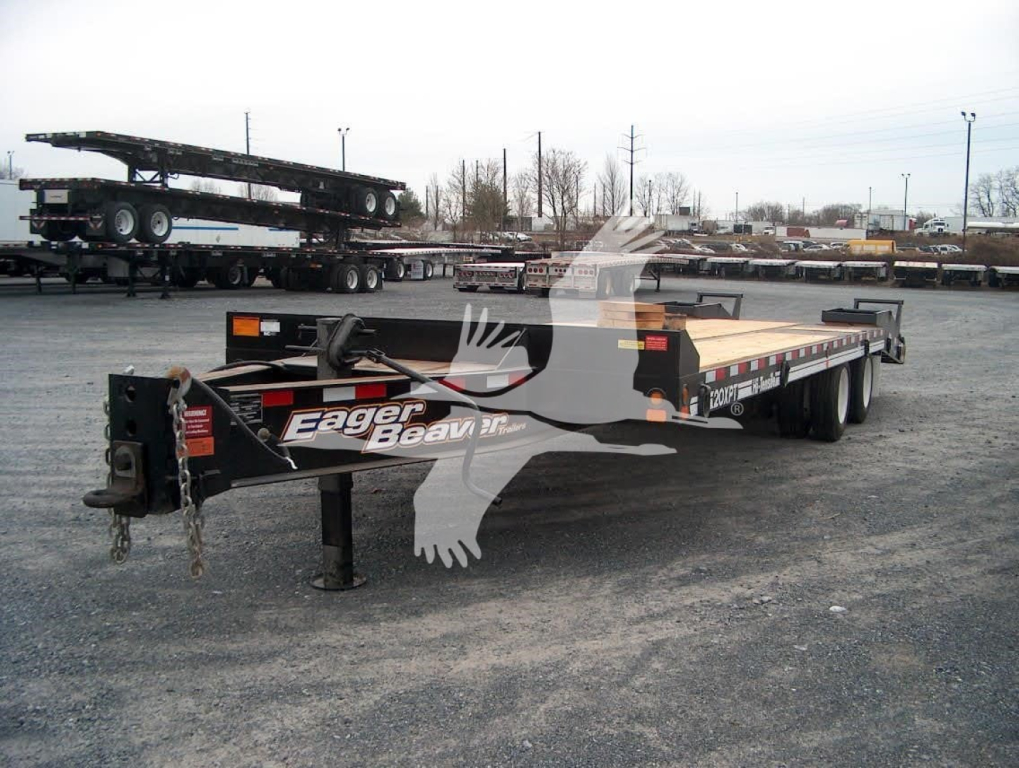
Eager Beaver tag trailers are also known for practical deck and securement details that matter in daily use. Buyers should pay attention to flooring material such as apitong or mixed hardwood softwood deck combinations, the number and placement of D-ring pairs, side rail construction, and whether the drawbar includes lockable storage. Adjustable pintle height is important if the trailer may be pulled by more than one truck, and common ranges in this class allow better leveling across different hitch heights. Suspension spec, tire size, ABS configuration, spring brakes on all axles, and any lift axle equipment on heavier tri-axle designs should all be reviewed with the intended payload and route type in mind.
In Ohio, tag trailers in this class are a strong fit for construction, utility, roadbuilding, and equipment rental operations that need legal width, fast load cycles, and straightforward maintenance. A buyer comparing listings should look closely at GVWR, empty weight, usable deck space, ramp width, and real securement flexibility instead of focusing only on rated tonnage. The right tag trailer is the one that matches the machine fleet you actually move every week, clears loading transitions without dragging, and pairs correctly with the truck’s hitch, brake, and registration requirements.
Frequently Asked Questions about New 2026 Eager Beaver Tag Trailers in Ohio
What is a tag trailer used for?
A tag trailer, also called a tag-along trailer, is a bumper pull or pintle hitch equipment trailer designed to haul construction and industrial machines. In the 20-ton class, it is commonly used for skid steers, compact excavators, backhoes, rollers, small dozers, trenchers, and attachments. Buyers choose tag trailers when they need a simpler alternative to a detachable lowboy and want a trailer that can work behind a properly equipped dump truck or tractor with a pintle setup.
What should I look for when buying a new Eager Beaver tag trailer?
Start with payload, overall deck layout, and loading geometry. Rated capacity alone does not tell the whole story, so compare GVWR, trailer empty weight, usable flat deck length, beavertail length, deck height, and ramp design. Securement points, flooring material, axle count, suspension type, brake spec, and adjustable pintle height also matter because they affect daily usability, maintenance, and compatibility with the truck that will pull the trailer.
Are hydraulic ramps better than fixed ramps on a tag trailer?
Hydraulic ramps are faster and easier for operators who load and unload equipment throughout the day. They reduce physical effort and can improve cycle time for paving, utility, and rental applications. Fixed ramps are mechanically simpler and may appeal to fleets that prioritize lower complexity and fewer hydraulic service items. The better choice depends on how often the trailer is loaded, who is operating it, and how important loading speed is to the job.
How much equipment can a 20-ton tag trailer carry?
A 20-ton tag trailer is generally intended for payloads up to 40,000 pounds, but actual legal and practical hauling capacity depends on the trailer’s GVWR, empty weight, axle configuration, hitch setup, and state weight laws. Buyers should also account for attachments, buckets, hammers, fuel, and tool storage because those items add up quickly. The towing vehicle’s ratings and brake compatibility must match the trailer and cargo, not just the trailer’s advertised tonnage.
Why do deck height and beavertail angle matter on a tag trailer?
Deck height and beavertail angle directly affect loading clearance. A lower deck and a moderate load angle make it easier to load machines with low ground clearance, long wheelbases, or delicate undercarriage components. If the angle is too steep, equipment can hang up at the crest or transition points. That is why buyers often compare a trailer’s main deck height, beavertail length, and ramp length together rather than evaluating any one of those specs by itself.