
Eager Beaver Tag Trailers For Sale
Shop Eager Beaver tag trailers built for equipment hauling, with pintle hitches, low deck heights, beavertails, ramps, and 20 to 25 ton ratings.
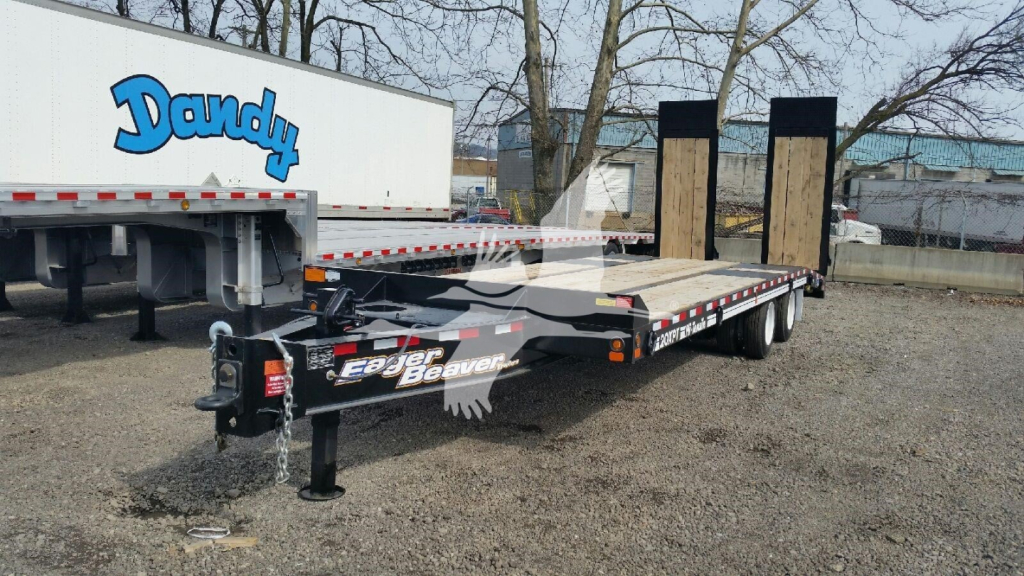
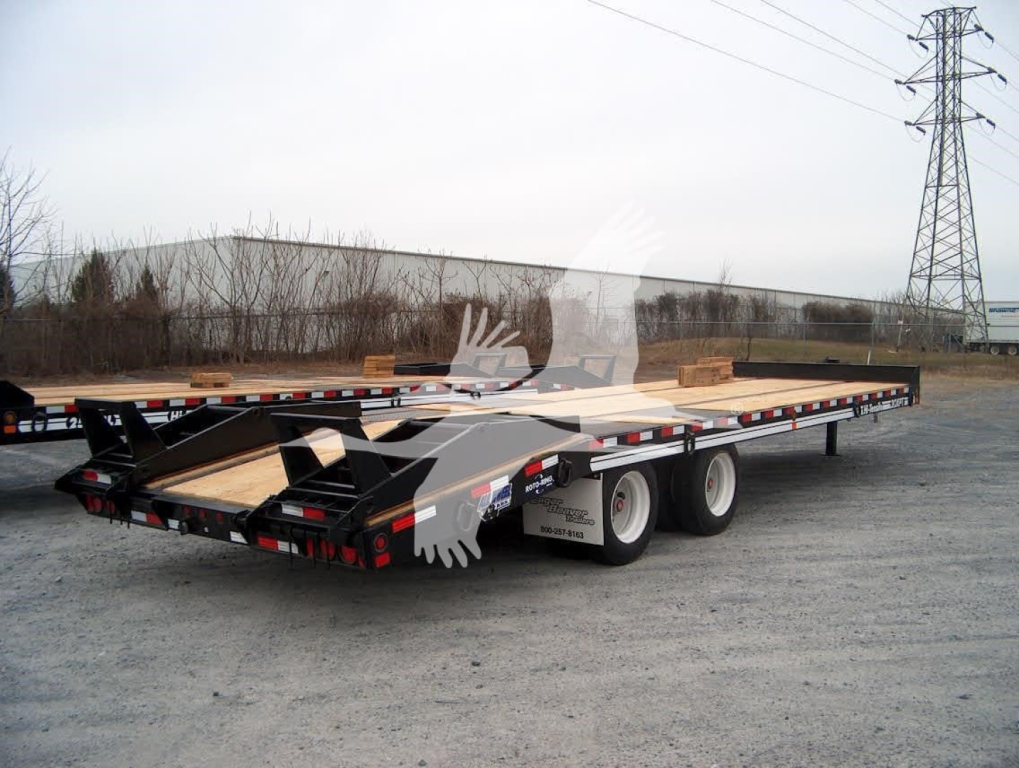
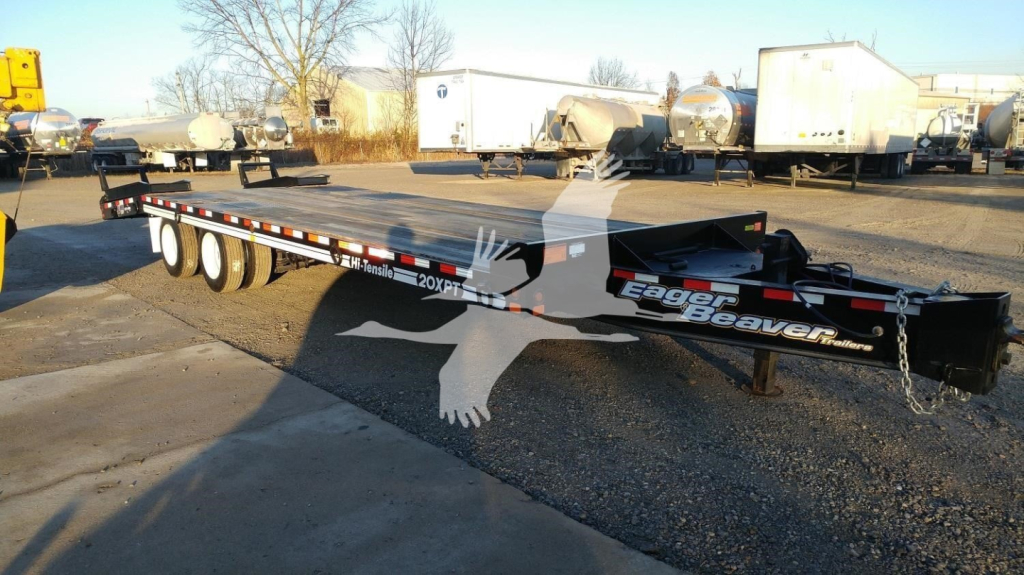
Selling a eager beaver tag trailer? List your eager beaver tag trailer for sale and reach thousands of commercial buyers.
Eager Beaver Tag Trailers
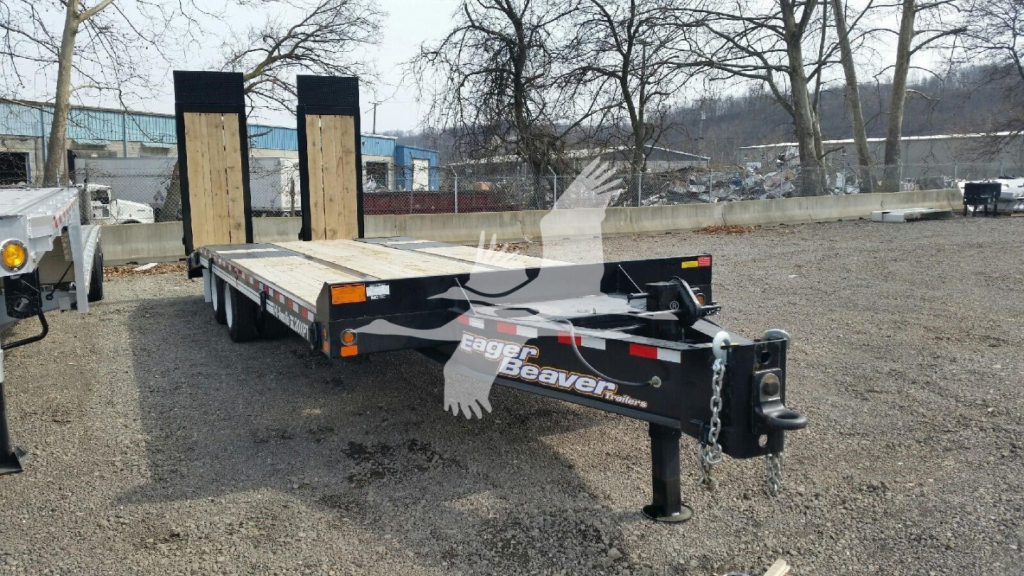
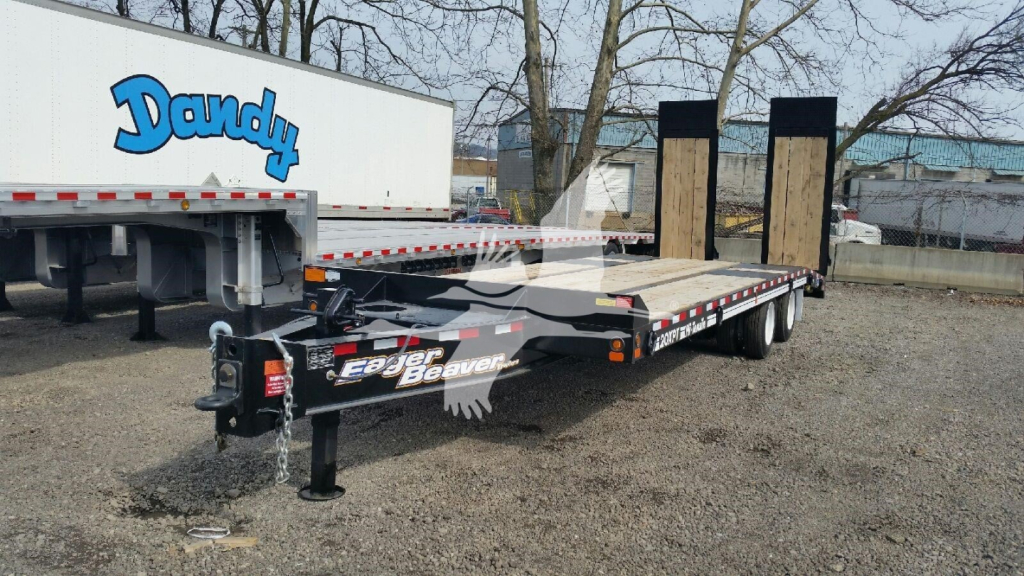
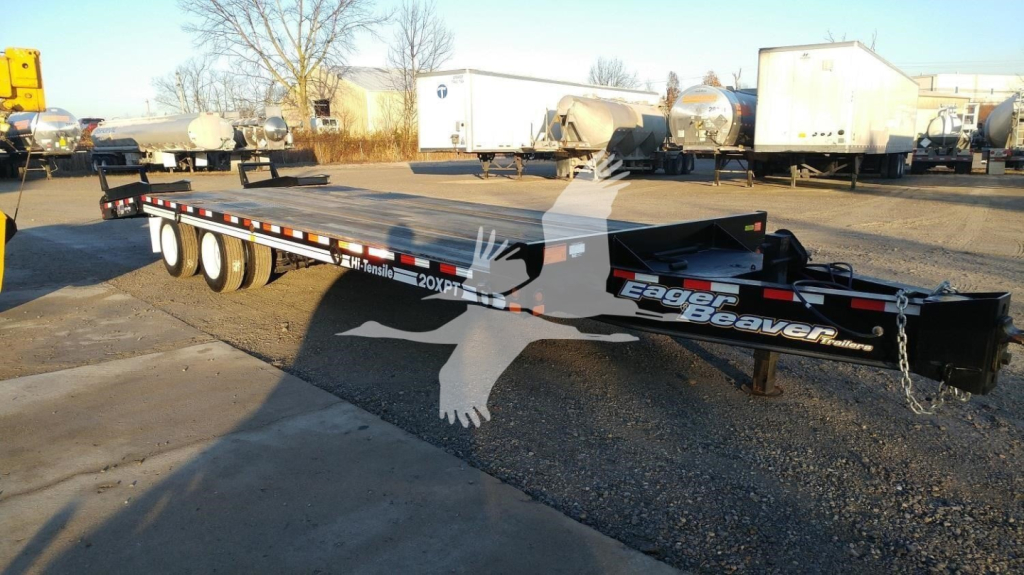
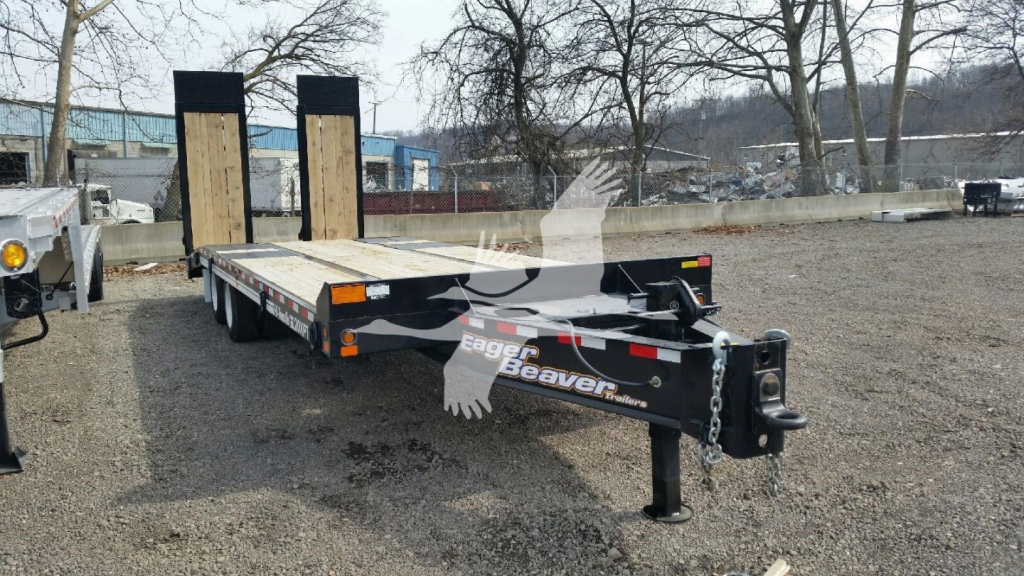
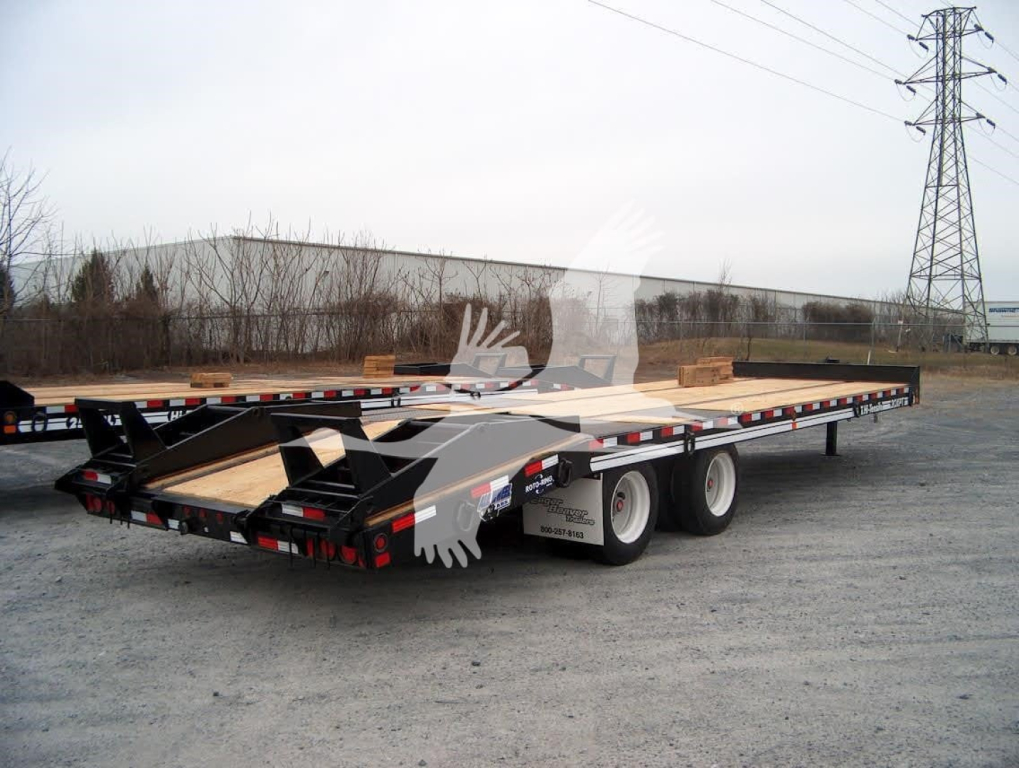
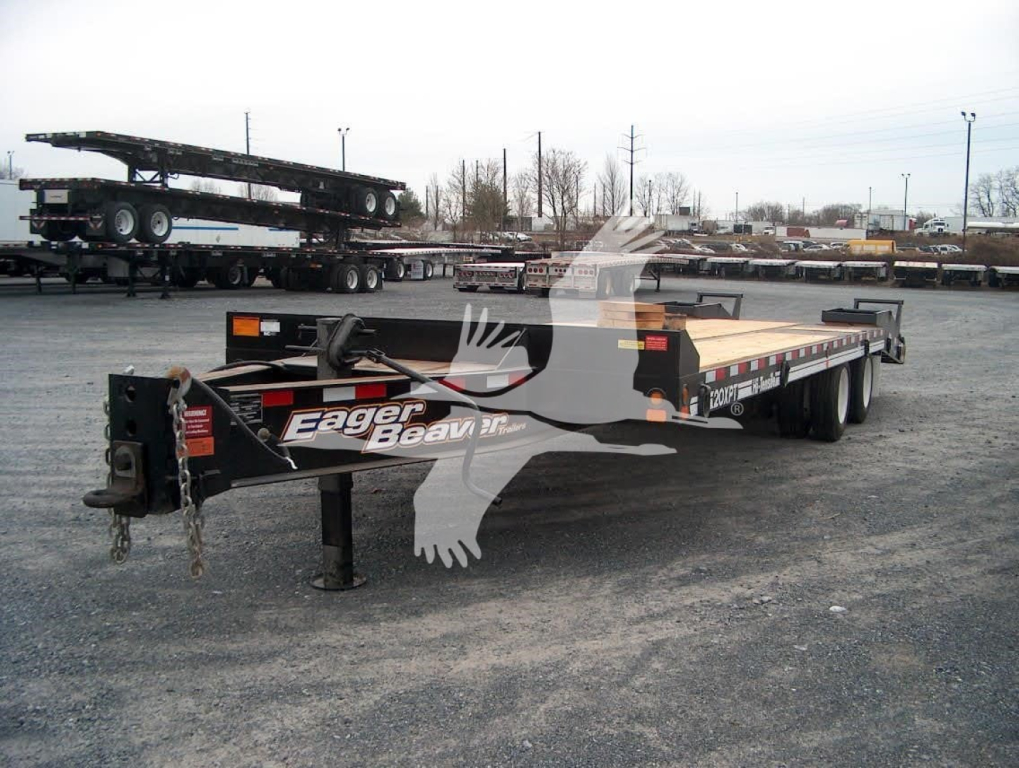
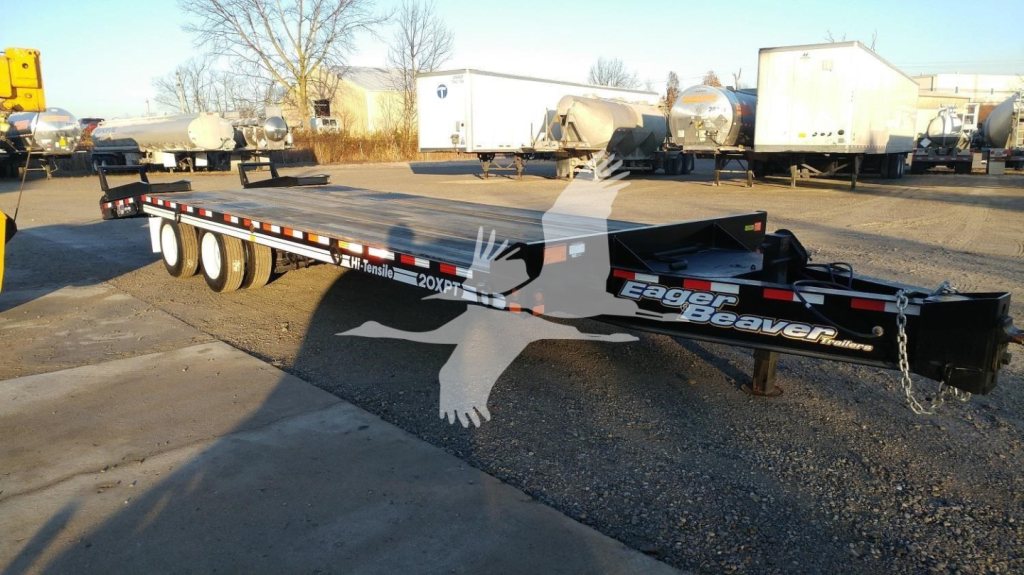
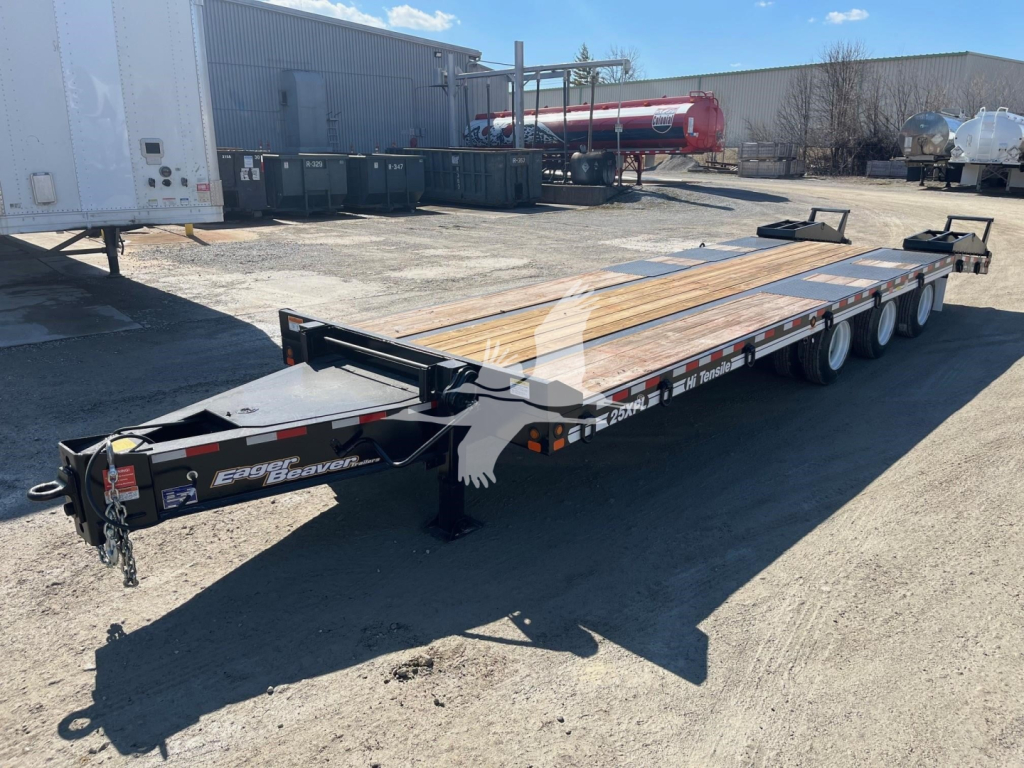
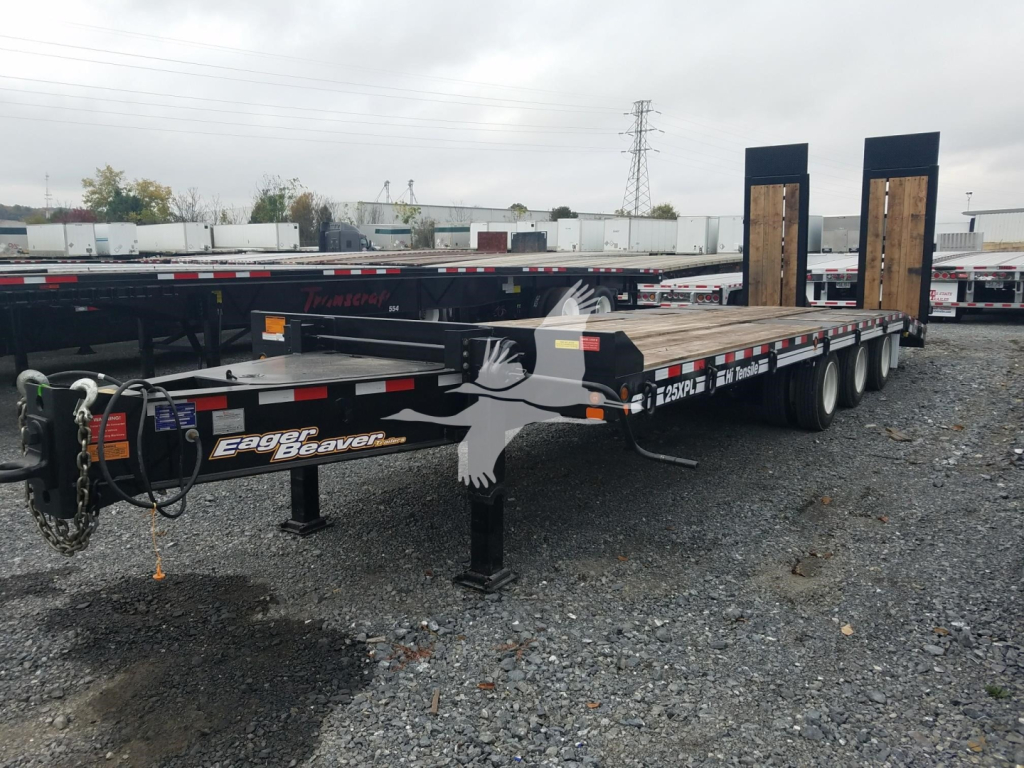
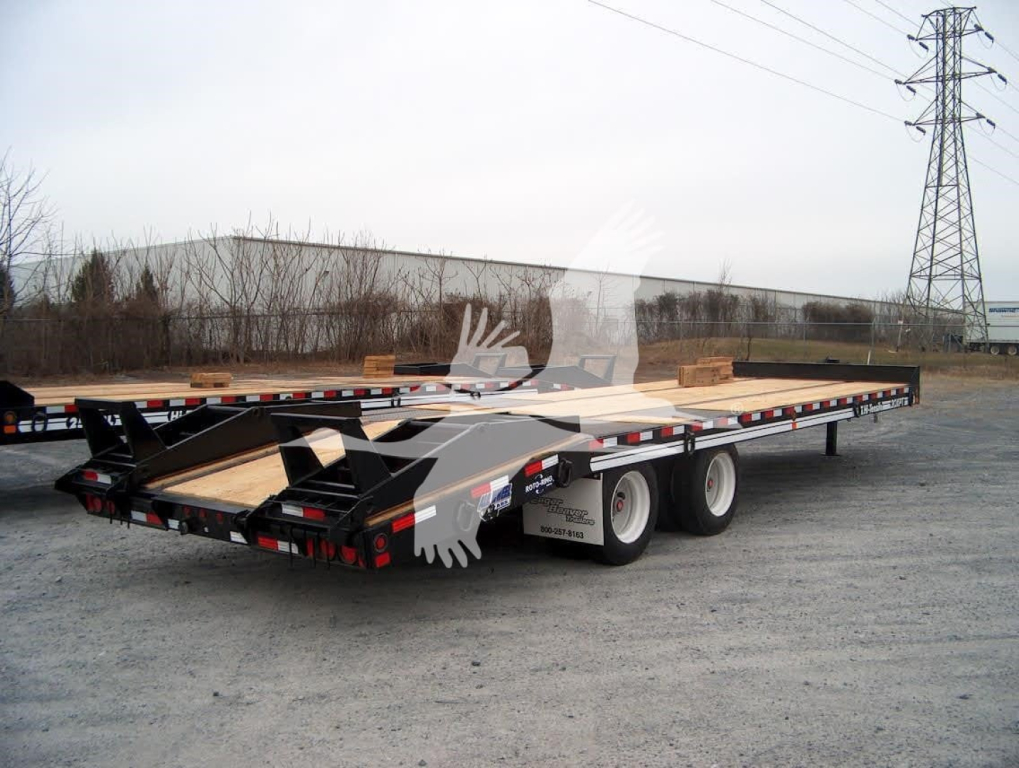
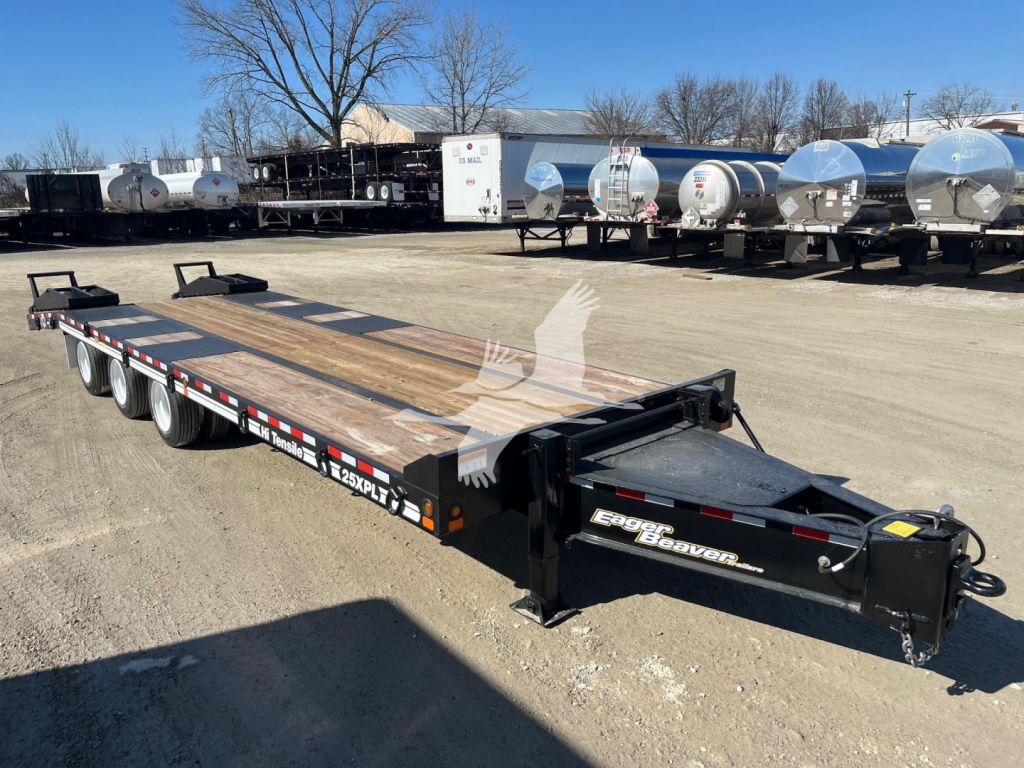
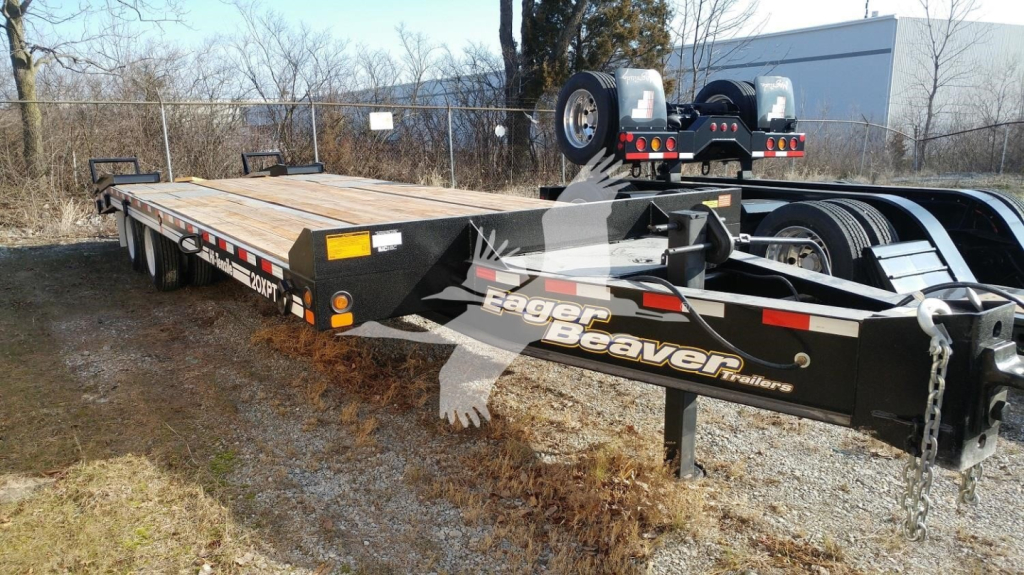
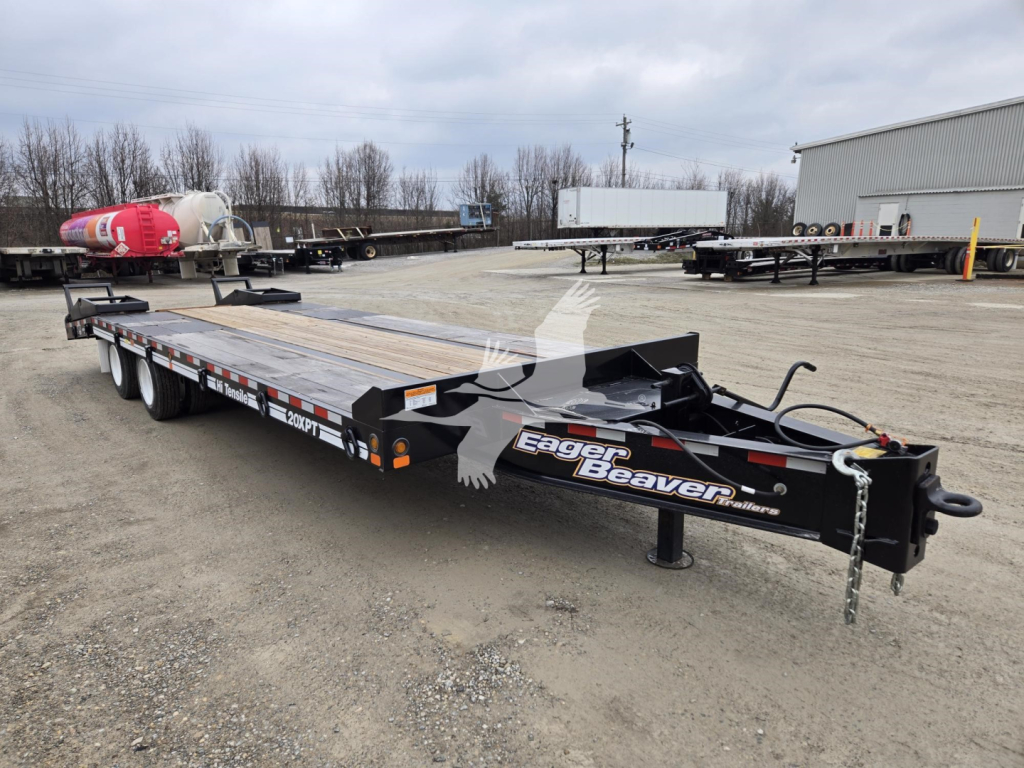
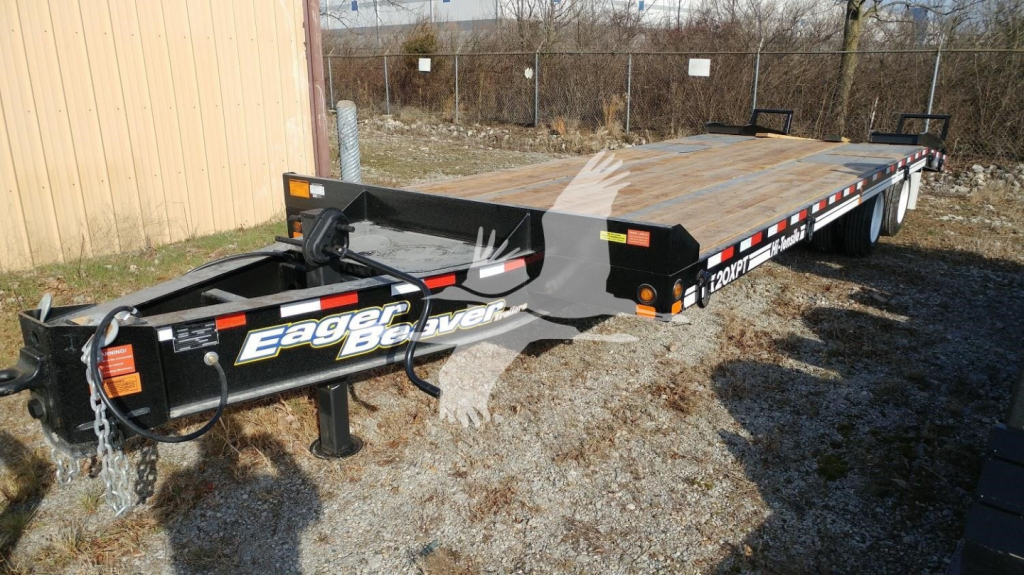
The first spec to focus on is usable deck and loading angle. Many Eager Beaver tag trailers in this class have a main deck around 21 to 24 feet, a beavertail around 6 feet, and deck height near 34 inches. That combination helps keep the load angle manageable for rubber-tired equipment and steel-track machines that need a smoother transition. Wood floors such as apitong or mixed hardwood-softwood layouts are common because they give good traction, are field-serviceable, and hold up well under concentrated equipment weight. D-ring tie-down placement, side rail strength, and bulkhead construction also matter because these trailers are often loaded with machines that need multiple securement points and predictable chain angles.
Suspension and axle layout have a direct effect on how the trailer performs at capacity. Tandem-axle 20-ton models are common for operators hauling lighter construction equipment, while 25-ton tri-axle versions add carrying capacity and can improve load distribution. Spring ride suspensions remain popular in this segment for durability and lower maintenance, and some tri-axle setups include a lift axle to help with tire wear and maneuverability when running empty or lightly loaded. Buyers should also pay attention to tire size, brake configuration, ABS, and spring brakes on all axles, especially if the trailer will see mixed highway and jobsite use. An adjustable pintle height is another useful feature when the trailer may be pulled by different tow vehicles with varying hitch heights.
Eager Beaver has long been associated with equipment trailers that are straightforward, heavy-duty, and easy to put to work. For buyers comparing listings, the important decisions usually come down to rated capacity versus actual machine weight, ramp style versus the equipment being loaded, and overall trailer weight versus available payload. It is also smart to verify deck length in front of the beavertail, loaded deck height, and the exact securement layout if you regularly haul attachments, buckets, or compact machines with short wheelbases. A well-matched Eager Beaver tag trailer can serve contractors, rental fleets, road crews, and municipal operators that need dependable equipment transport without stepping up to a larger lowboy platform.
Frequently Asked Questions about Eager Beaver Tag Trailers
What is an Eager Beaver tag trailer used for?
An Eager Beaver tag trailer is primarily used to haul construction and industrial equipment behind a truck equipped with a pintle hitch. Common loads include skid steers, mini excavators, compact track loaders, rollers, backhoes, and small dozers. The tag-style design, low deck height, beavertail, and rear ramps make it well suited for machines that need to be driven or tracked onto the trailer at jobsites with limited loading space.
How do I choose between a 20-ton and 25-ton Eager Beaver tag trailer?
The right capacity depends on the actual operating weight of the machine, plus attachments, fuel, tools, and any additional cargo carried on the deck. A 20-ton tag trailer is often a good fit for lighter equipment fleets and simpler two-axle operation. A 25-ton model usually adds a tri-axle configuration and more load flexibility for heavier machines or mixed-use fleets. Buyers should compare GVWR, empty weight, axle ratings, and usable payload instead of relying only on the ton-class name.
Why does deck height and beavertail angle matter on a tag trailer?
Deck height and beavertail angle directly affect loading ease, ground clearance, and the risk of equipment hanging up while transitioning onto the trailer. A lower deck and moderate beavertail angle help reduce the breakover point for low-clearance machines and make loading safer for wheeled equipment. This becomes especially important when hauling compact machines, paving equipment, or attachments that can drag on steep ramps.
Are spring ride suspensions common on Eager Beaver tag trailers?
Yes, spring ride suspensions are very common in this trailer class because they are durable, proven, and relatively simple to maintain in severe-duty service. They perform well in construction and rental applications where trailers see rough surfaces, variable loads, and frequent hookup cycles. Some higher-capacity configurations may also include a lift axle, which can improve maneuverability and reduce tire scrub when the trailer is empty or lightly loaded.
What features should I check before buying a used or new Eager Beaver tag trailer?
The most important features to verify are rated capacity, actual empty weight, axle count, suspension type, brake setup, ramp construction, deck length, and floor condition. Buyers should also inspect D-rings, side rails, bulkhead integrity, pintle height adjustment, landing gear, lighting, and tire condition. If the trailer will haul tracked machines, the floor material, crossmember strength, and ramp design deserve extra attention because they have a major impact on long-term durability.