
Eager Beaver Tag Trailers For Sale in Ohio
Shop Eager Beaver tag trailers for hauling equipment and machinery, with low deck heights, beavertails, ramps, and 25-ton class capacity.
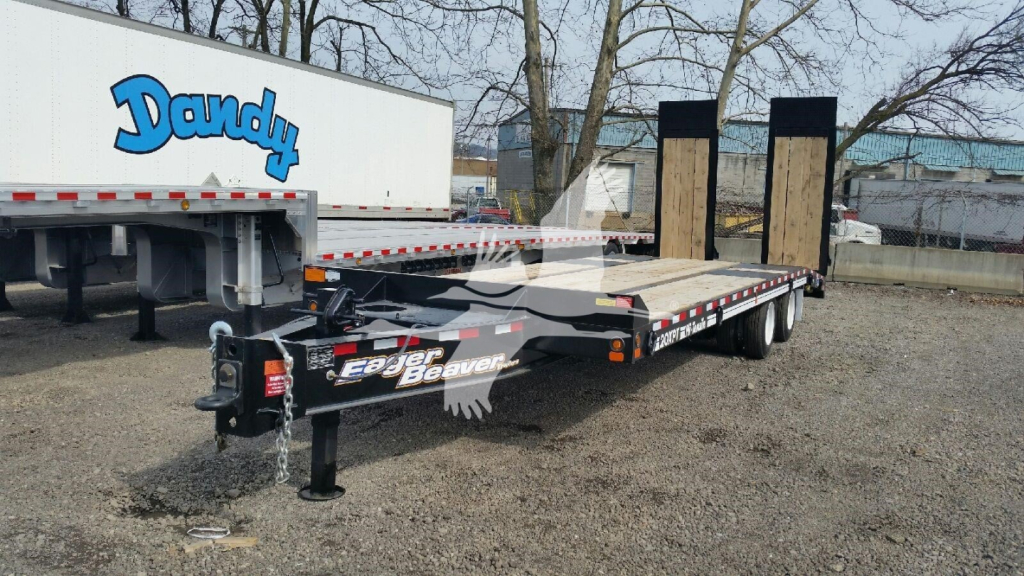
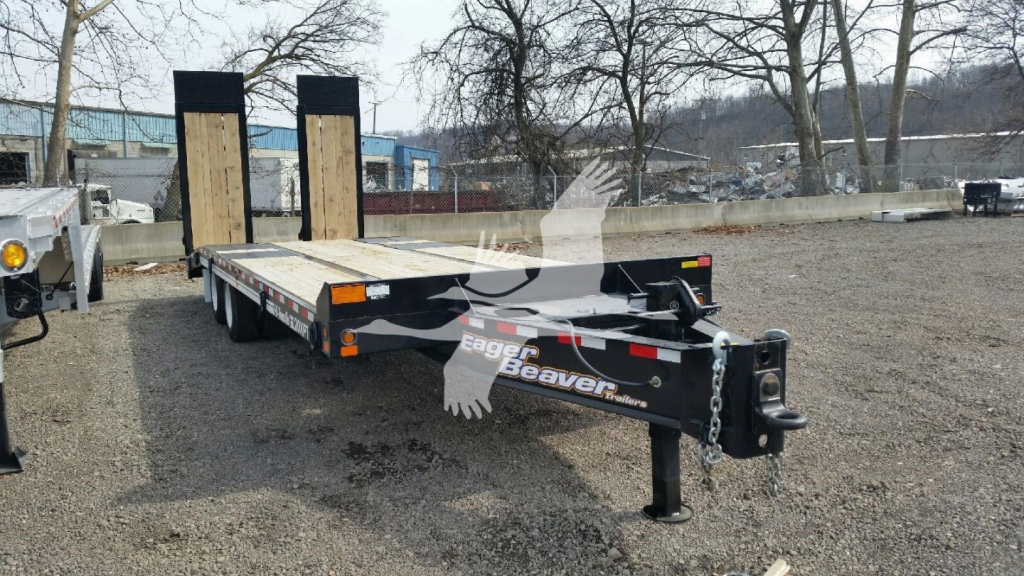
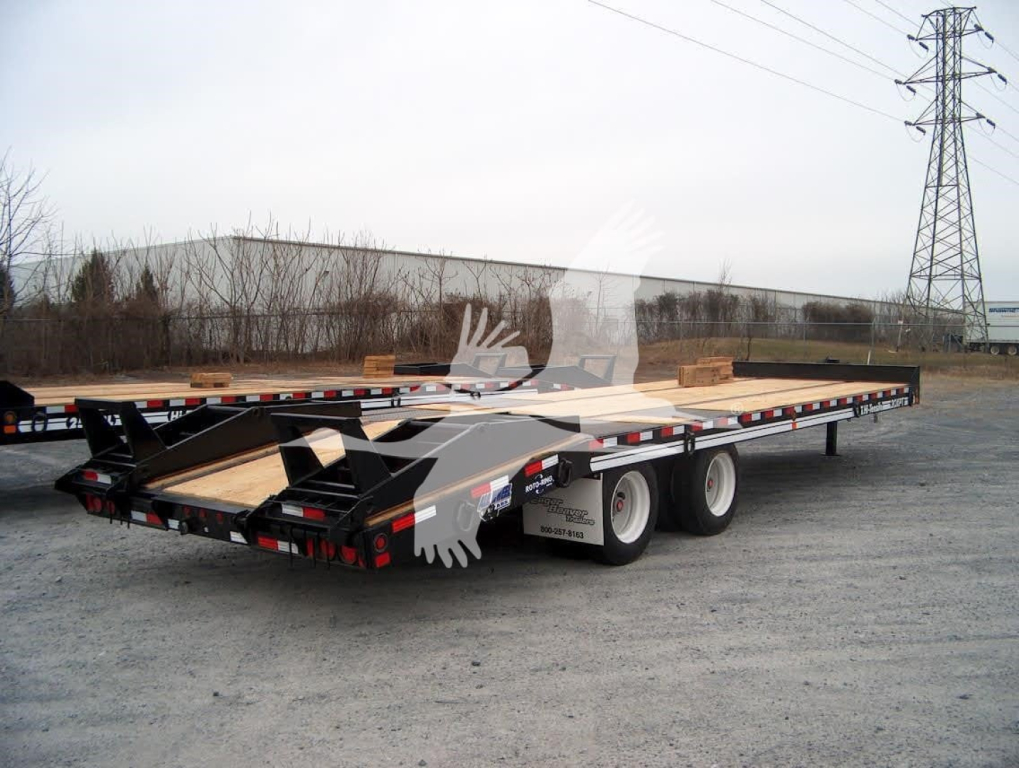
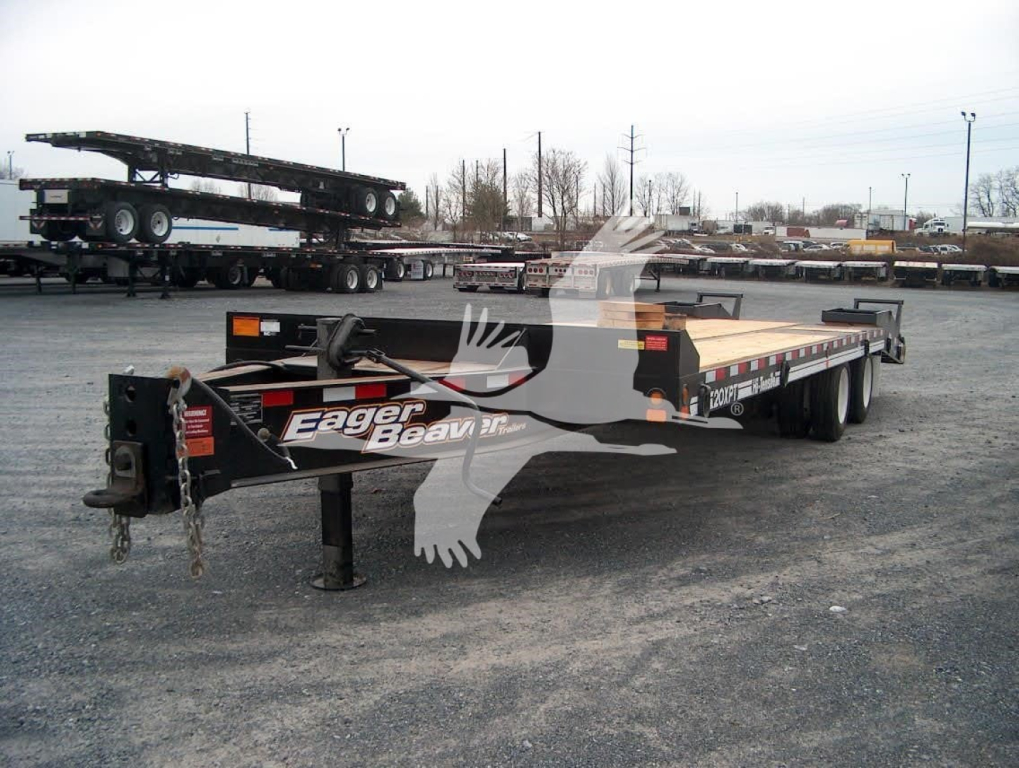
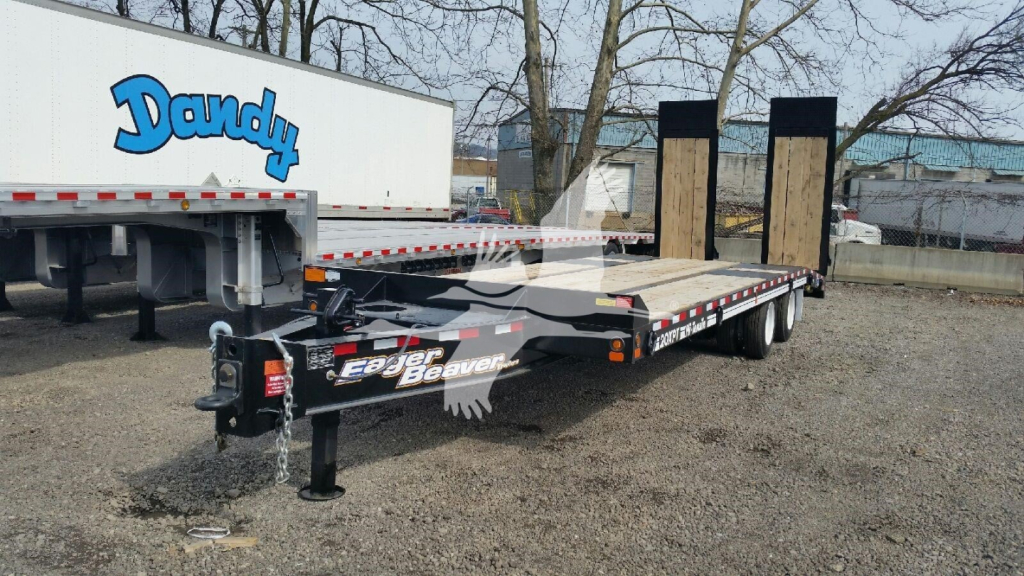
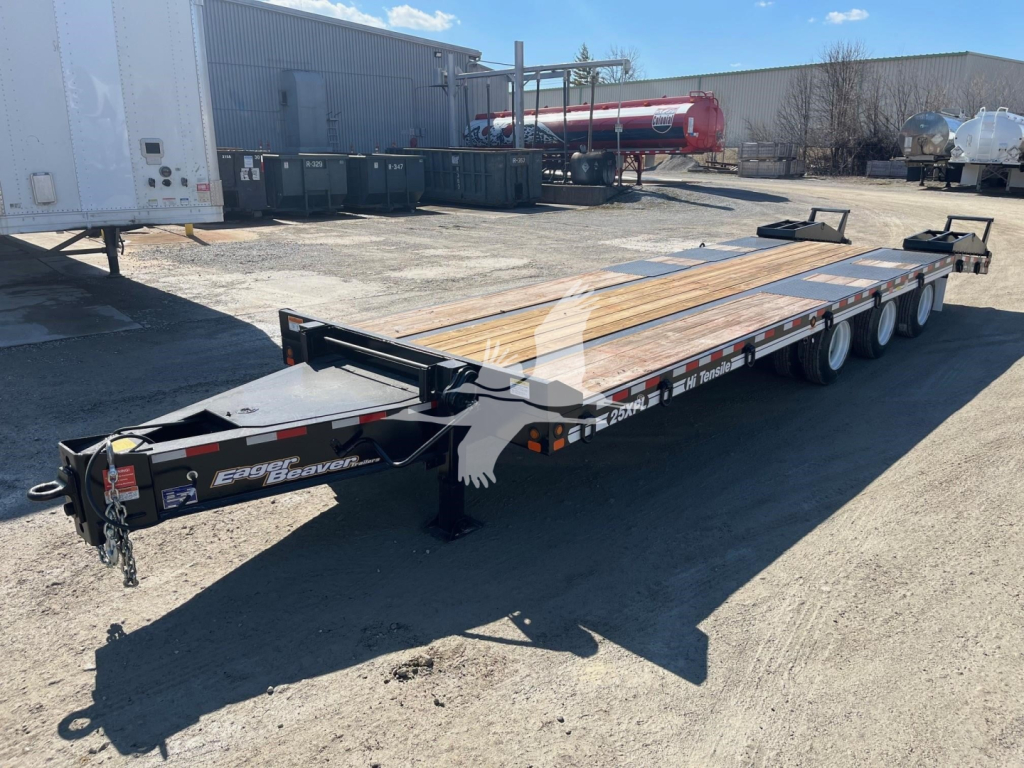
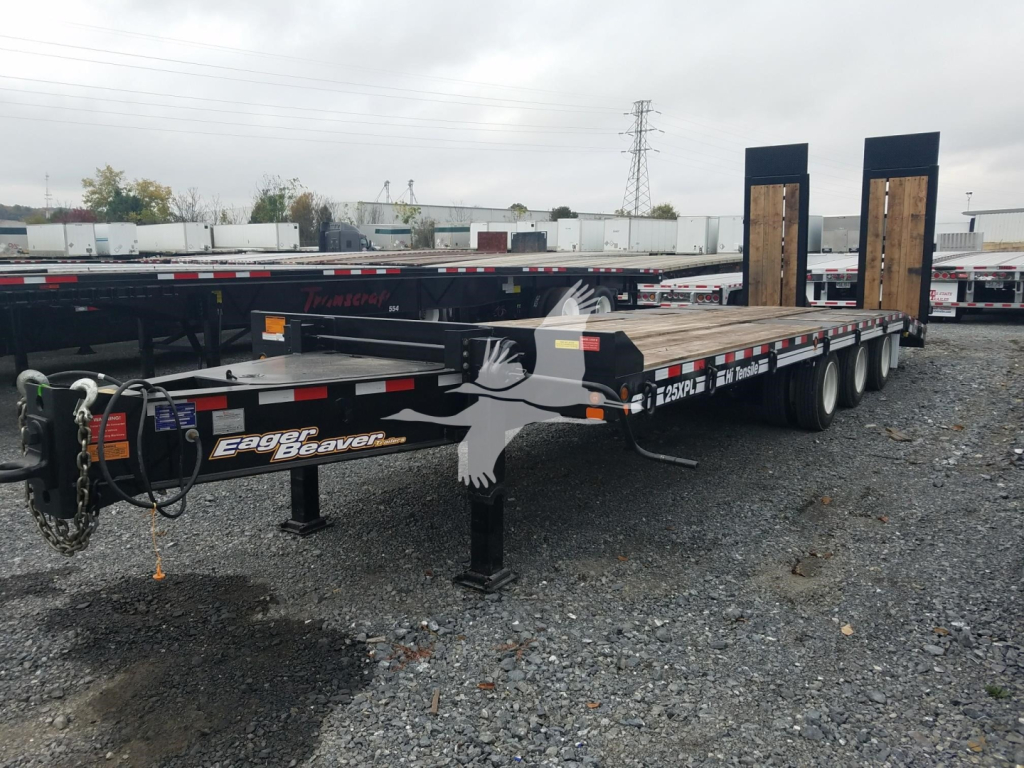
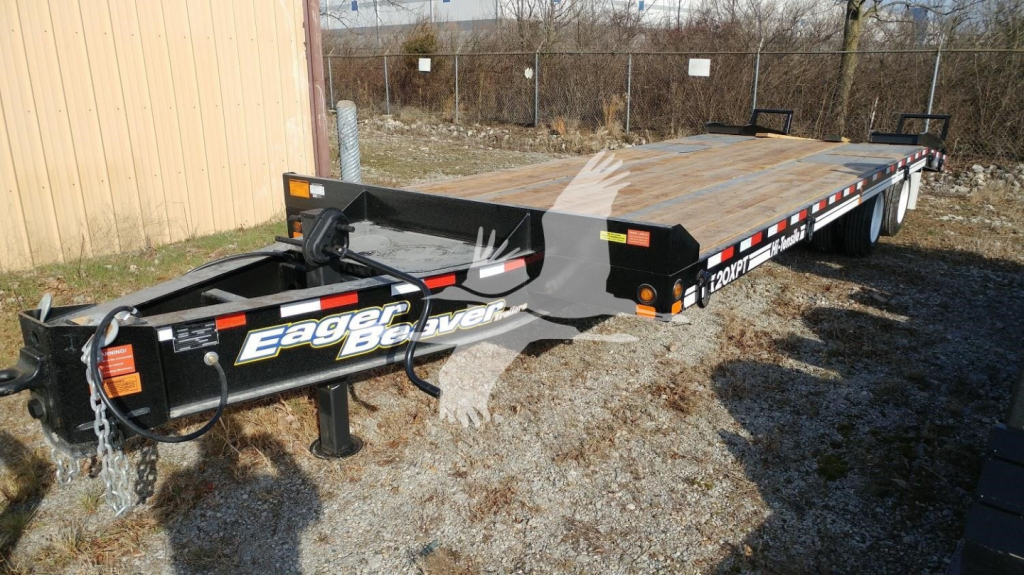
Selling a eager beaver tag trailer? List your eager beaver tag trailer for sale and reach thousands of commercial buyers.
Eager Beaver Tag Trailers in Ohio
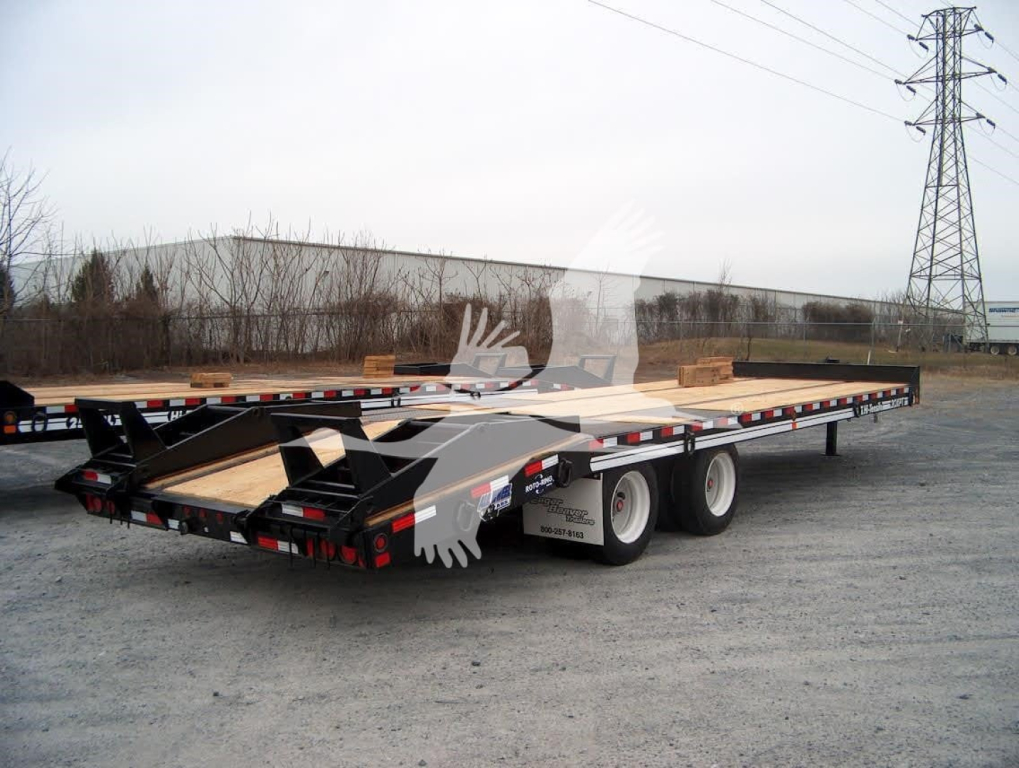
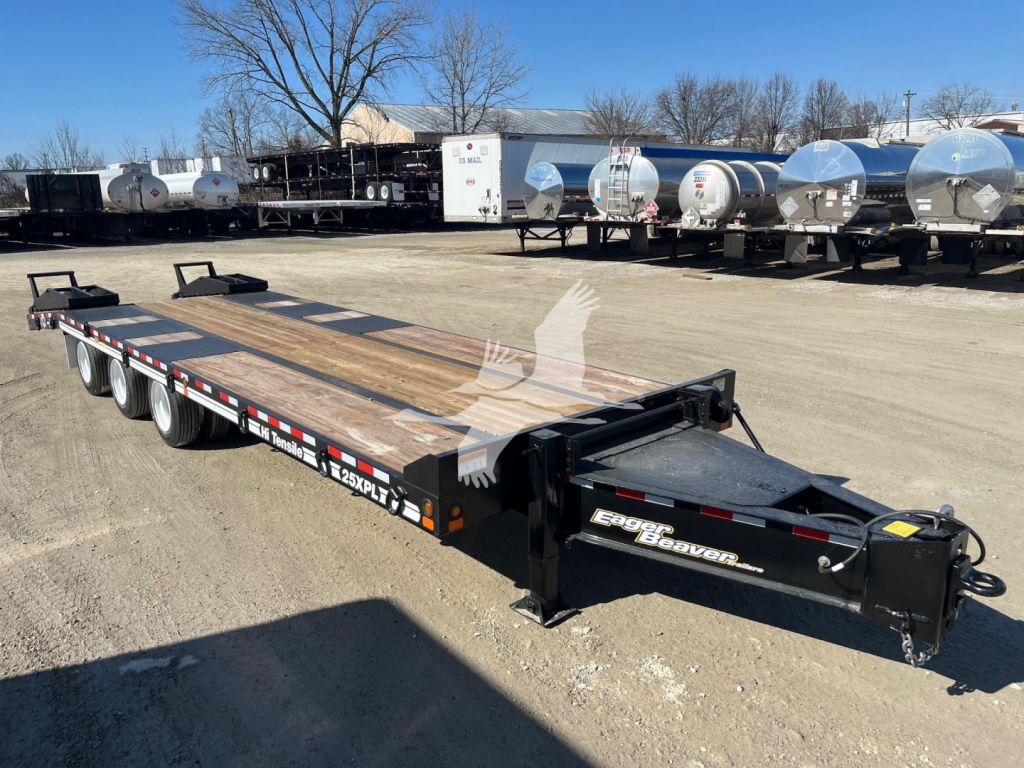
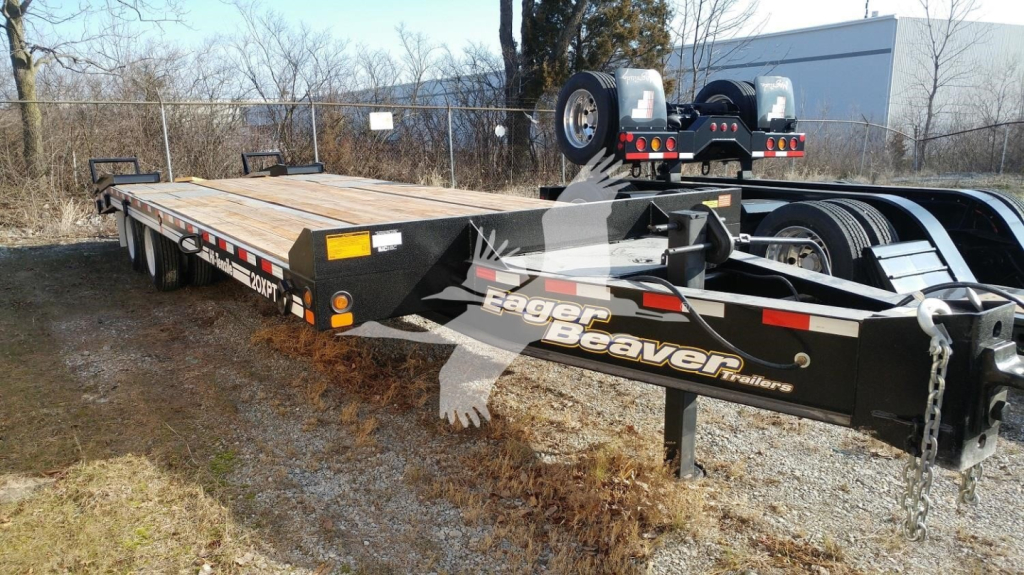
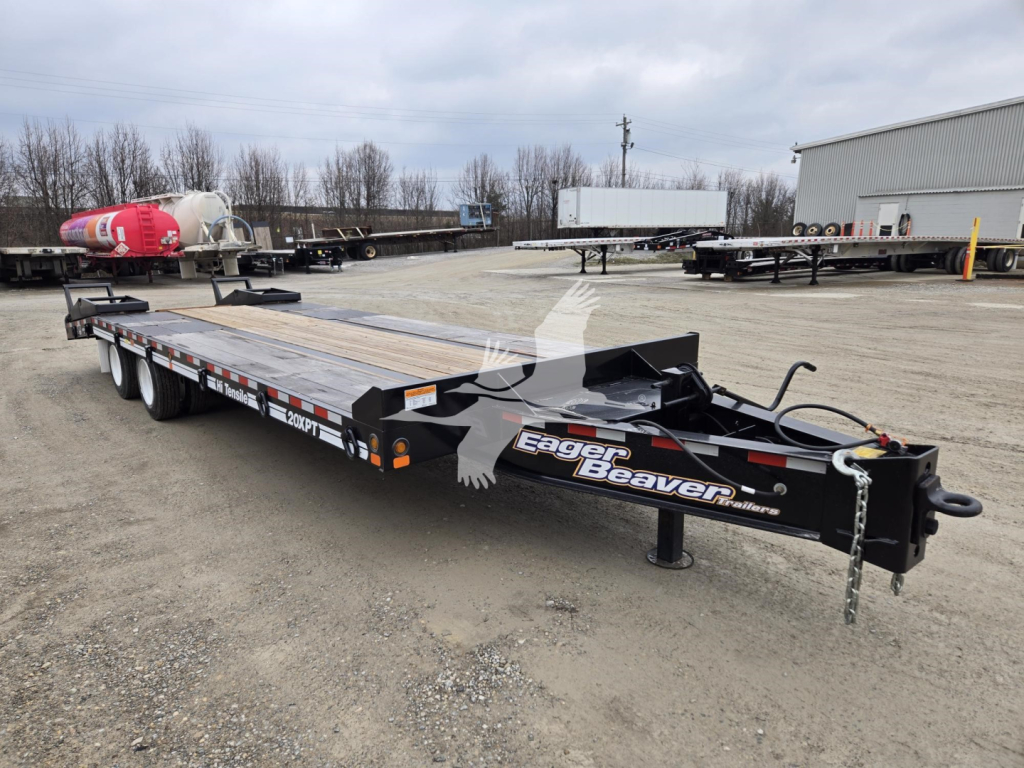
One of the first things buyers compare is capacity versus deck layout. Eager Beaver tag models in the 25-ton class are designed around heavy equipment duty, often with a flat main deck, a beavertail for reduced load angle, and steel ramps sized for tracked or wheeled machines. Deck length, beavertail length, overall width, and loaded deck height all affect what equipment can be hauled safely and how easily it can be loaded. A 102-inch wide trailer with a deck height in the mid-30-inch range is a common setup because it balances stability, road legality, and loading clearance. Flooring matters too. Apitong or mixed hardwood deck construction is common because it stands up well to concentrated equipment weight and repeated track contact.
Suspension, axle configuration, and brake spec are just as important as rated tonnage. Many heavy tag trailers use a tri-axle configuration with spring ride or a lift axle arrangement to help manage weight distribution and maneuverability. Buyers should pay close attention to axle ratings, brake setup, ABS configuration, tire size, and whether the trailer has spring brakes on all axles. The drawbar and pintle height range also matter because a poor truck-to-trailer match can create loading issues, uneven axle loading, and accelerated tire wear. An adjustable pintle eye setup, solid landing gear, full-width bulkhead, D-rings, side rails, and a lockable toolbox area all add real day-to-day value for crews hauling machines, attachments, and chains.
For buyers comparing Eager Beaver tag trailers for sale, the real question is how the trailer fits the work cycle. A contractor hauling compact equipment every day may prioritize a forgiving load angle, rugged ramps, and simple maintenance access. A fleet moving heavier iron may focus more on frame design, brake compliance, lift axle function, and long-term durability under repeated loading. Eager Beaver has long been recognized in the equipment trailer market for purpose-built hauling trailers, and their tag trailers are typically spec'd for practical jobsite use rather than light-duty utility work. The best match comes from verifying GVWR, usable deck space, hitch compatibility, machine weight with attachments, and the legal operating requirements in the states where the trailer will run.
Frequently Asked Questions about Eager Beaver Tag Trailers in Ohio
What is an Eager Beaver tag trailer used for?
An Eager Beaver tag trailer is primarily used to haul construction and agricultural equipment behind a truck equipped with a pintle hitch. Common loads include skid steers, mini excavators, compact track loaders, rollers, tractors, and small to mid-size dozers. The low deck, beavertail, and rear ramps make tag trailers especially useful for machines that need to be driven on and off quickly at jobsites.
What should I look at first when buying a tag trailer?
Start with the trailer's rated capacity, deck length, deck height, and ramp design. Those four items determine whether your equipment can be loaded safely and whether the trailer will handle the machine's operating weight, including buckets, attachments, fuel, and accessories. After that, check axle ratings, suspension type, brake configuration, pintle height range, and tie-down provisions to make sure the trailer matches both your truck and your hauling routine.
Are tri-axle tag trailers better for heavy equipment hauling?
A tri-axle tag trailer is often a strong choice for heavier equipment because it spreads weight more effectively and can improve stability under load. It can also help with legal axle distribution when the trailer is properly matched to the truck. The tradeoff is added maintenance, more tires and brakes to service, and tighter maneuvering in some situations, so the right answer depends on the machine weights and the routes you run.
Why does beavertail length and ramp angle matter on a tag trailer?
Beavertail length and ramp angle directly affect loadability. A longer beavertail and lower load angle reduce the chance of low-clearance equipment dragging during loading, which is important for pavers, scissor lifts, rollers, and certain tracked machines. A trailer with too-steep ramps may still meet the weight rating but can slow down loading, increase risk, and limit the types of equipment you can haul efficiently.
Do I need to match the pintle height carefully on a tag trailer?
Yes. Pintle height has a direct impact on how the trailer sits loaded and unloaded, which affects axle loading, braking behavior, tire wear, and deck angle during loading. If the trailer rides nose-high or nose-low behind the truck, it can create poor weight distribution and handling problems. An adjustable drawbar or pintle setup gives more flexibility and is especially useful when the same trailer may be pulled by different trucks.