
Tag Trailers For Sale
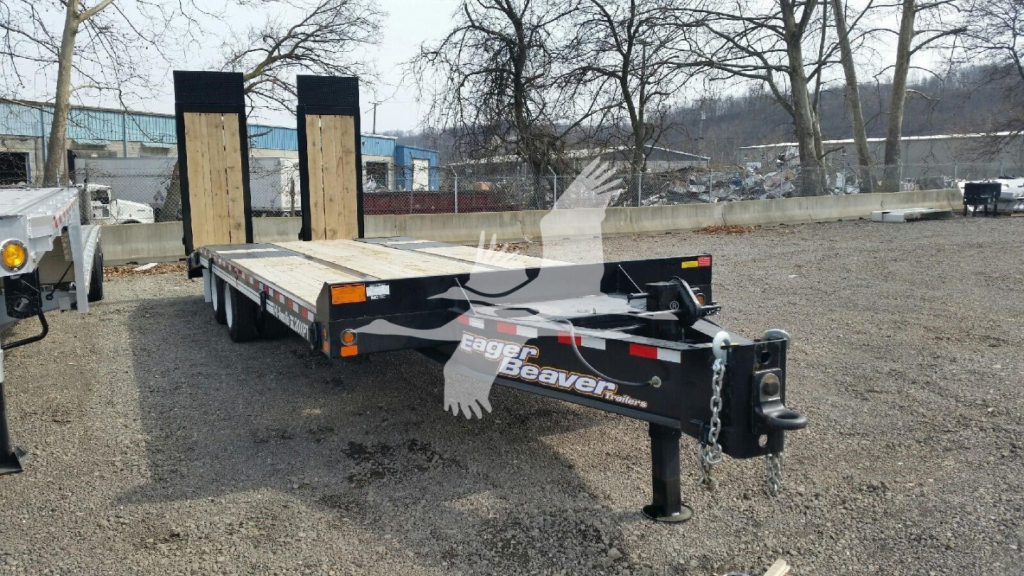
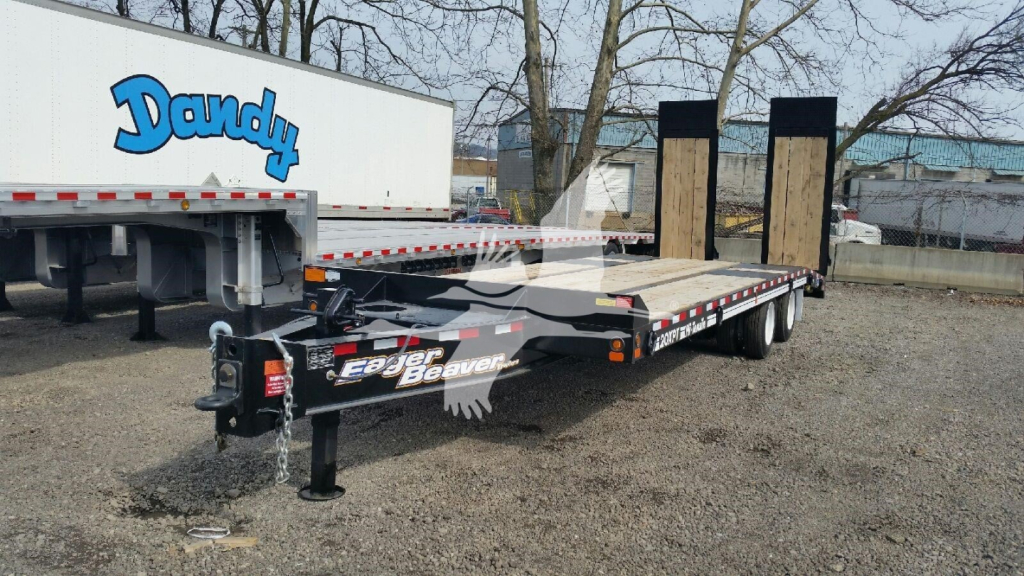
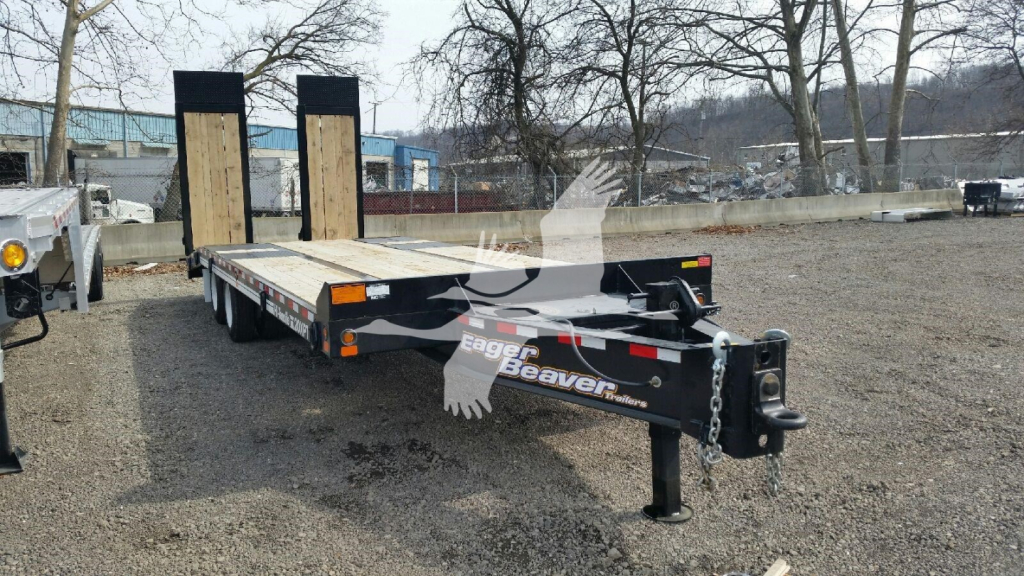
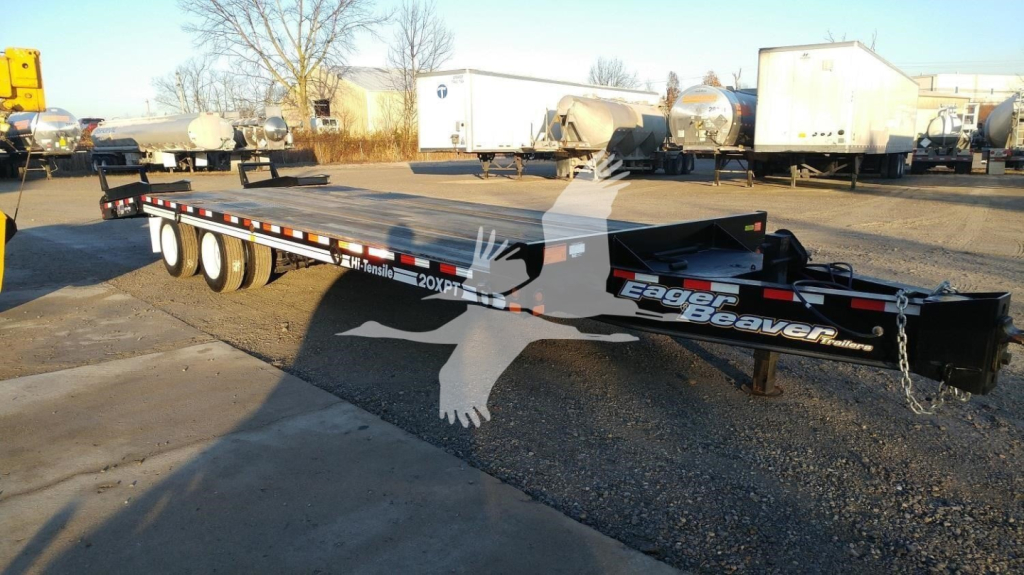
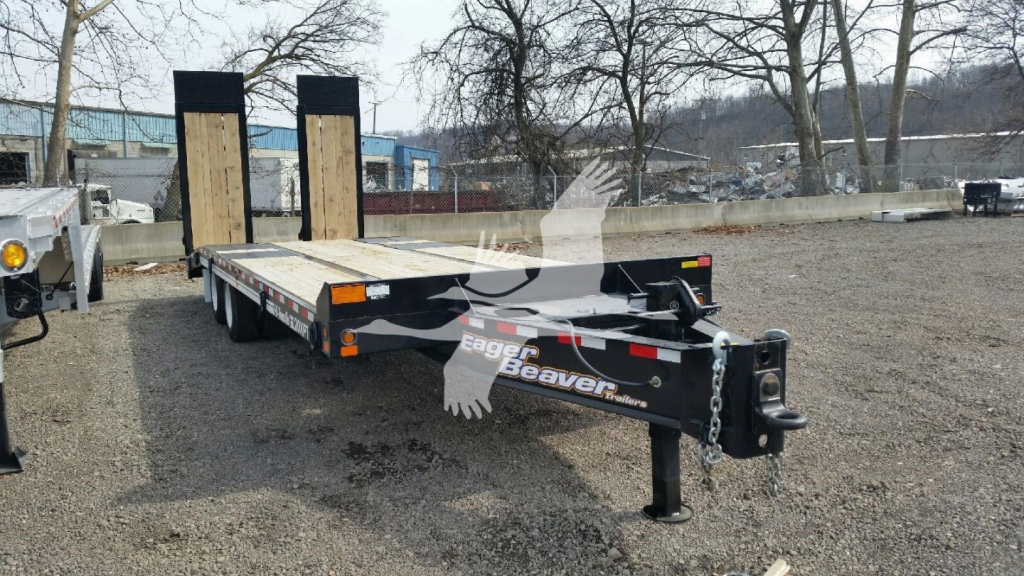
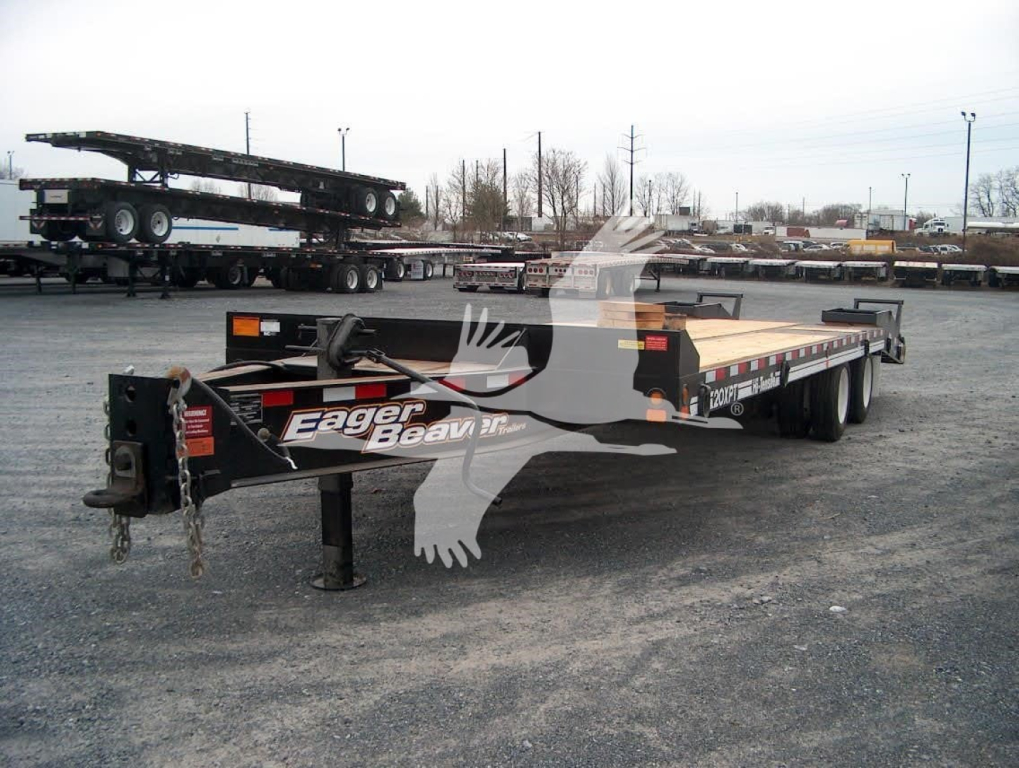
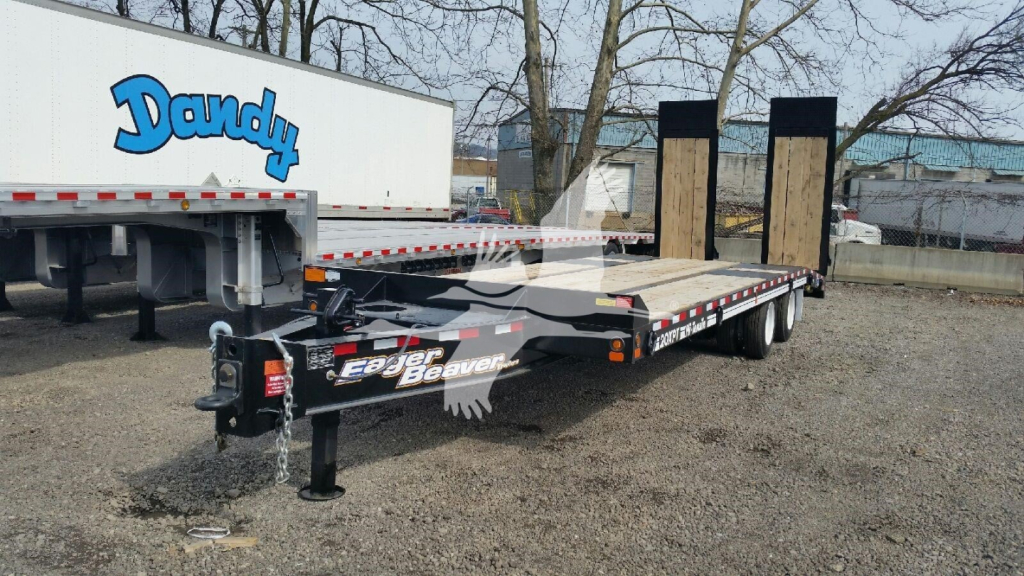
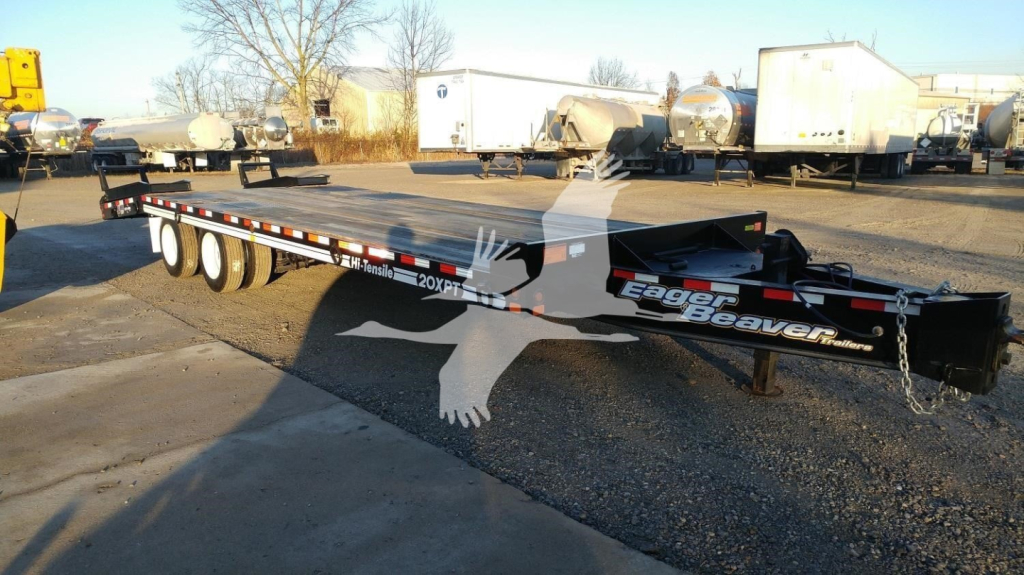
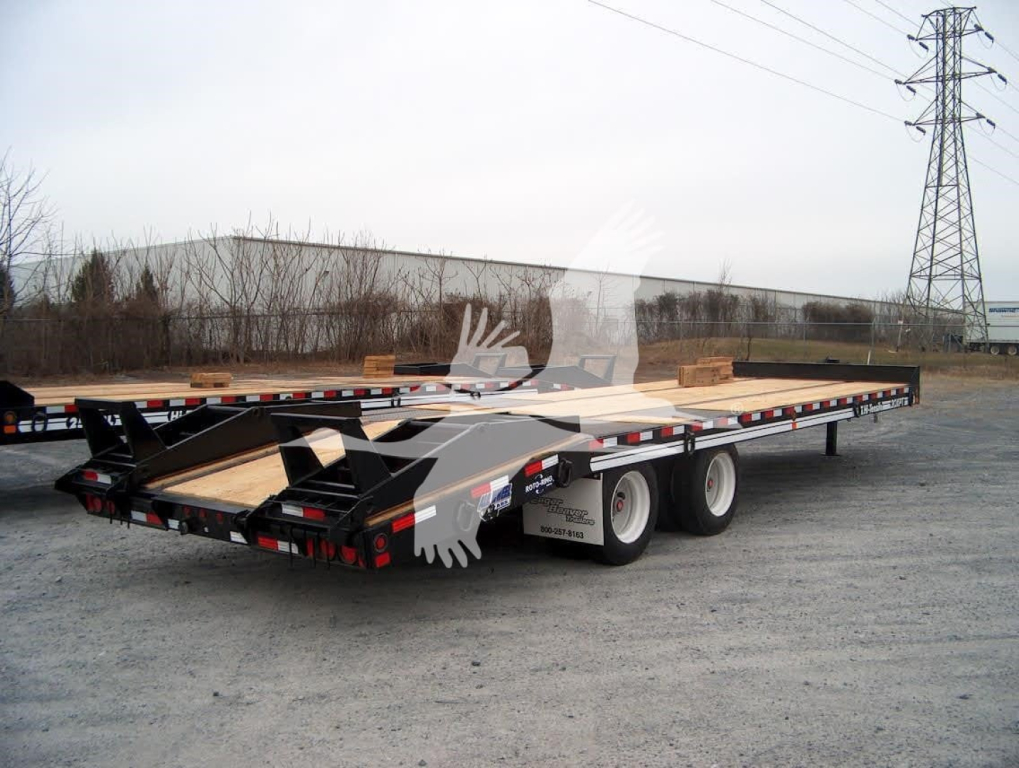
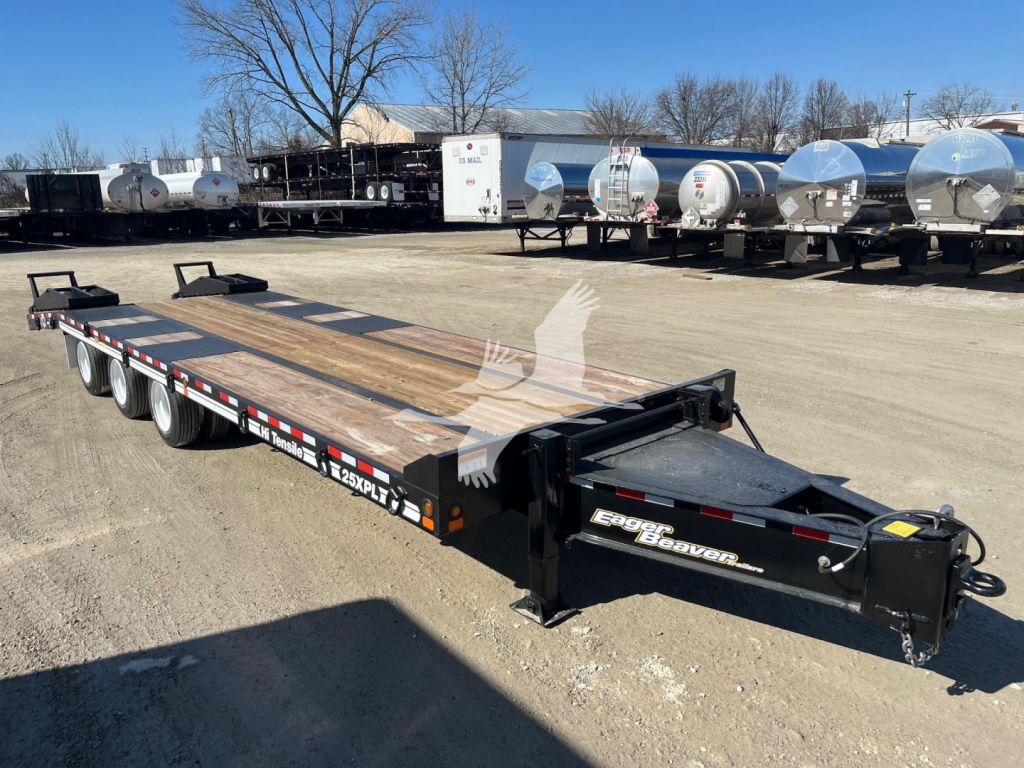
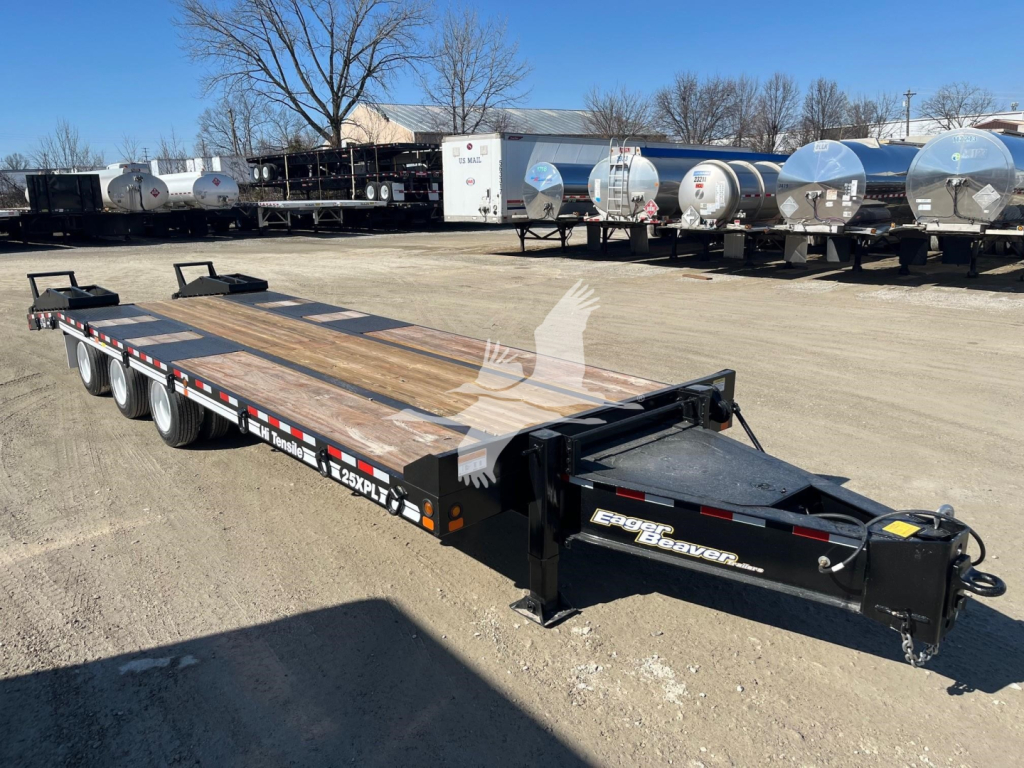
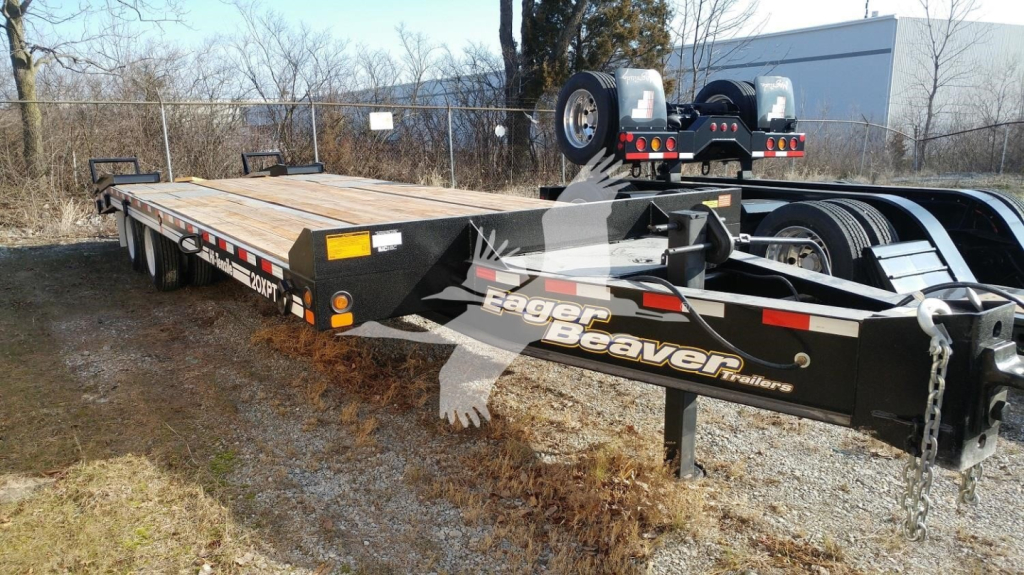
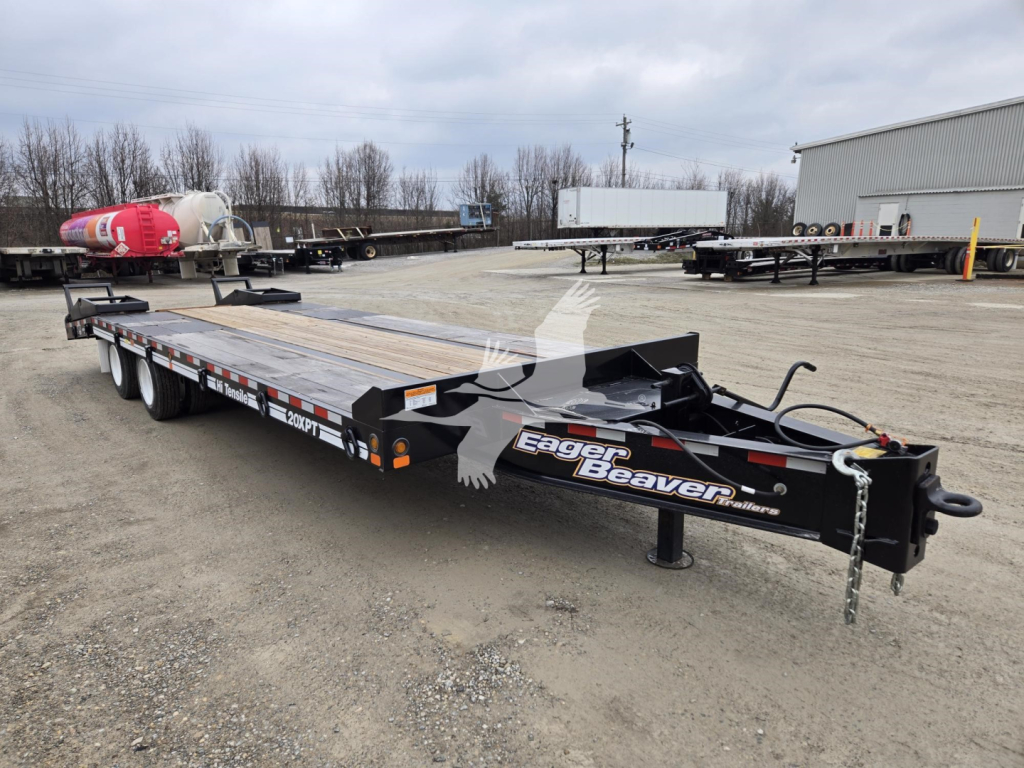
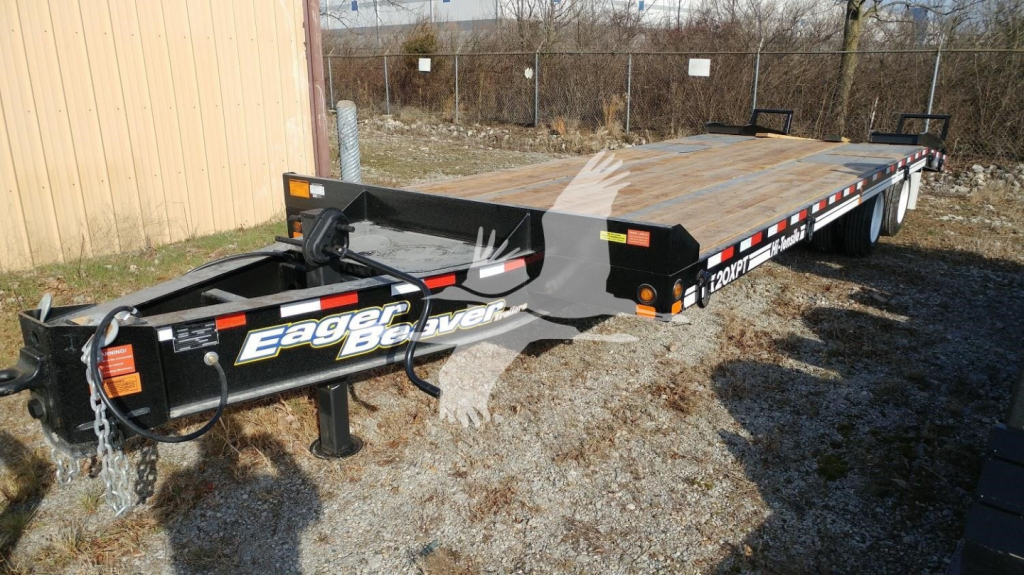
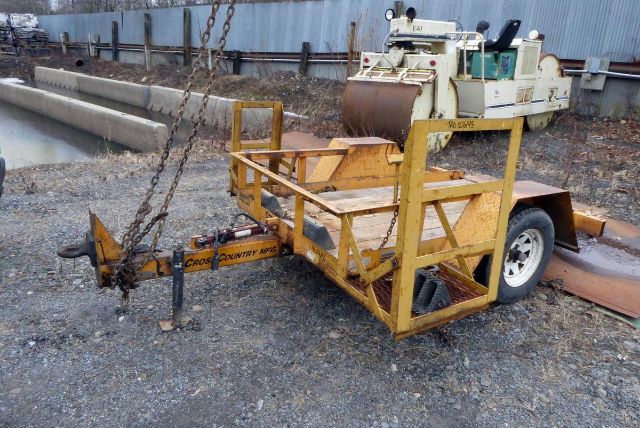
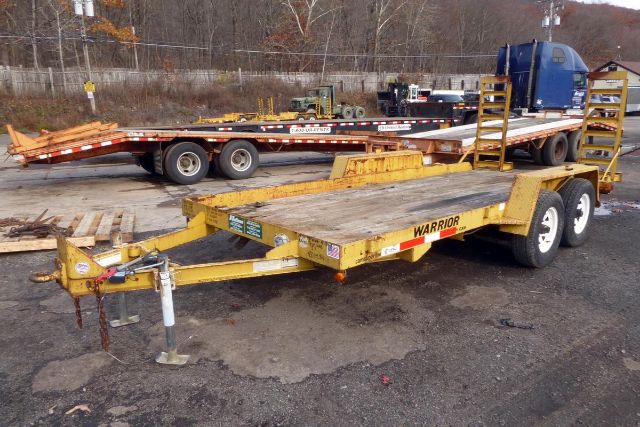
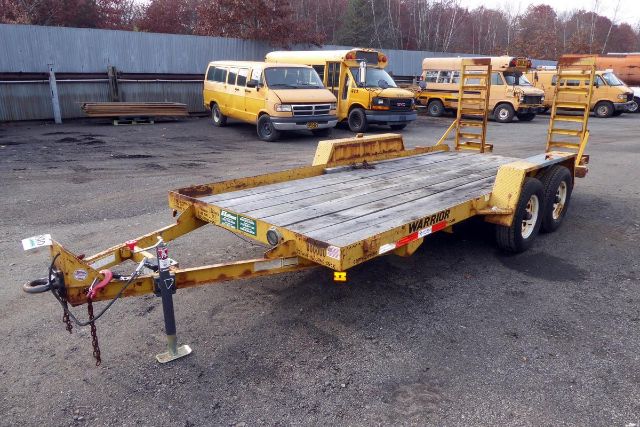
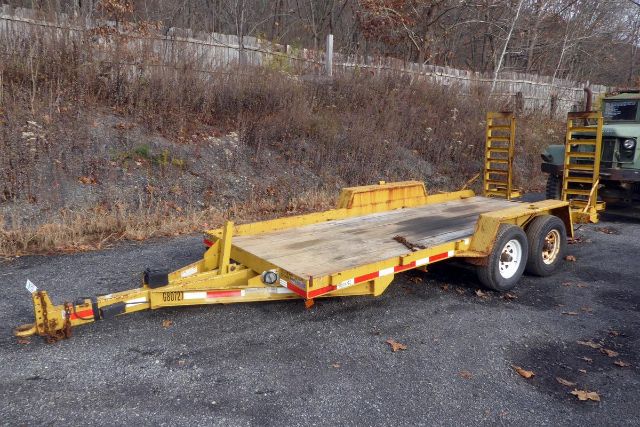
Tag trailers for hauling equipment and machinery, with pintle hitch, low deck heights, ramp options, and capacities from light-duty to 25 ton.
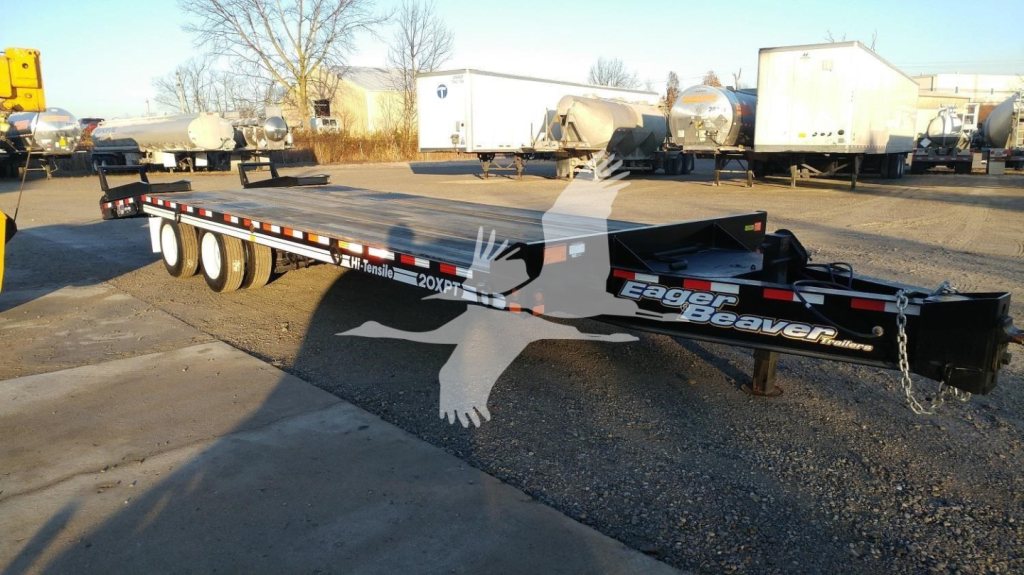
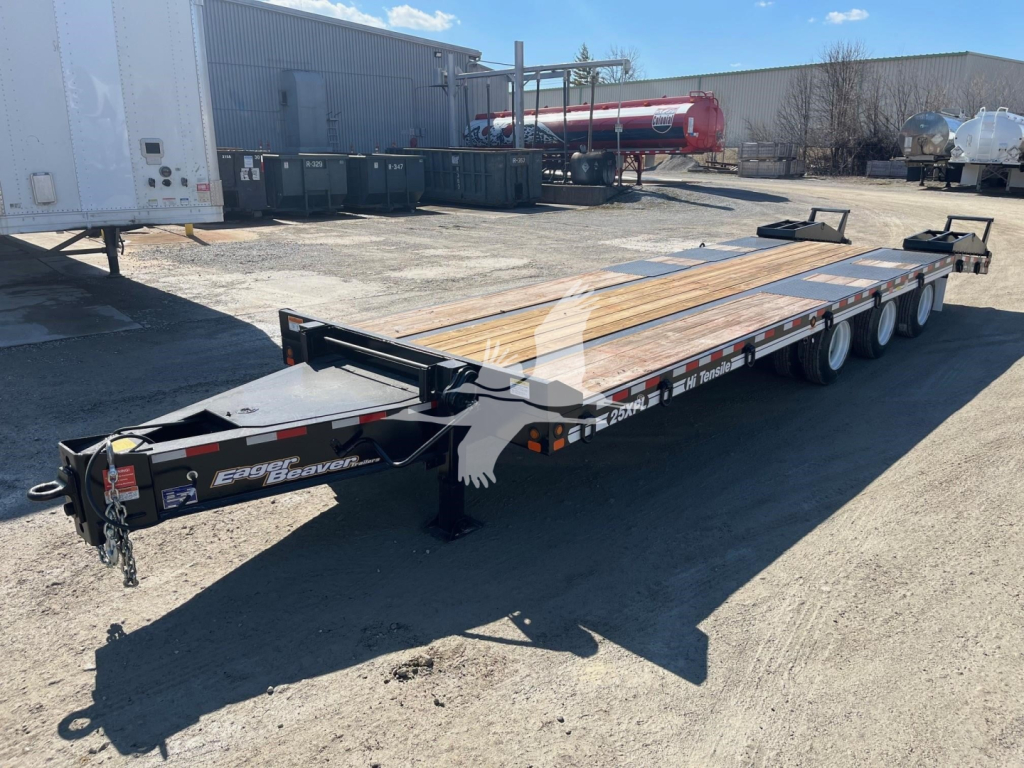
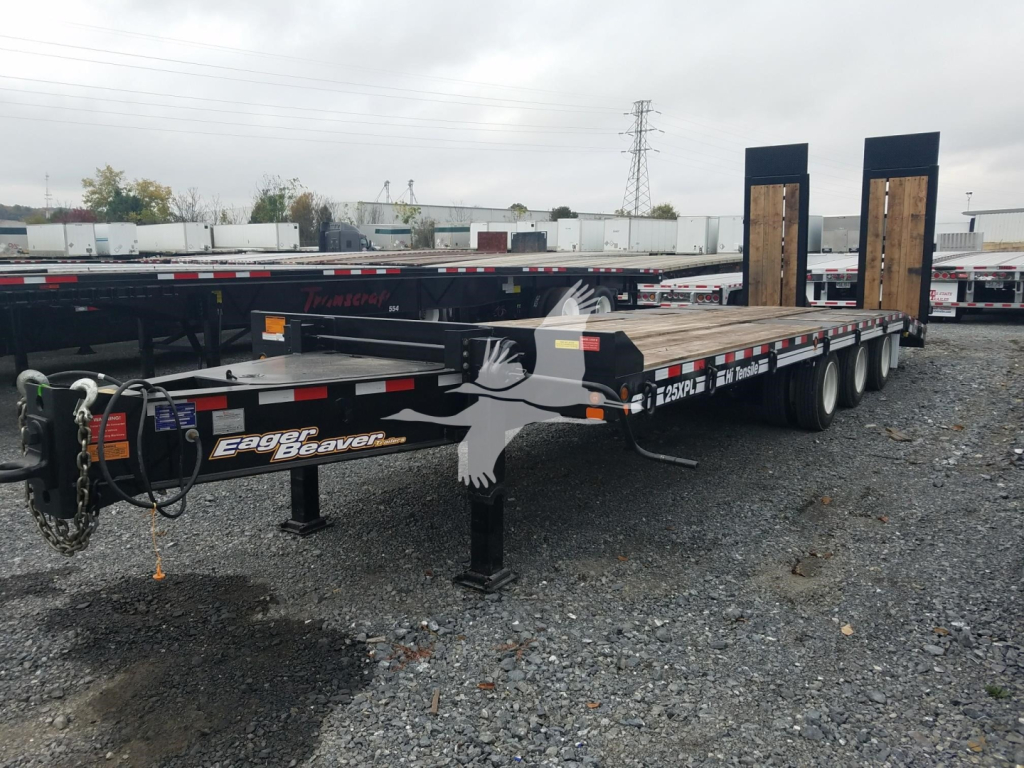
Selling a tag trailer? List your tag trailer for sale and reach thousands of commercial buyers.
Tag Trailers
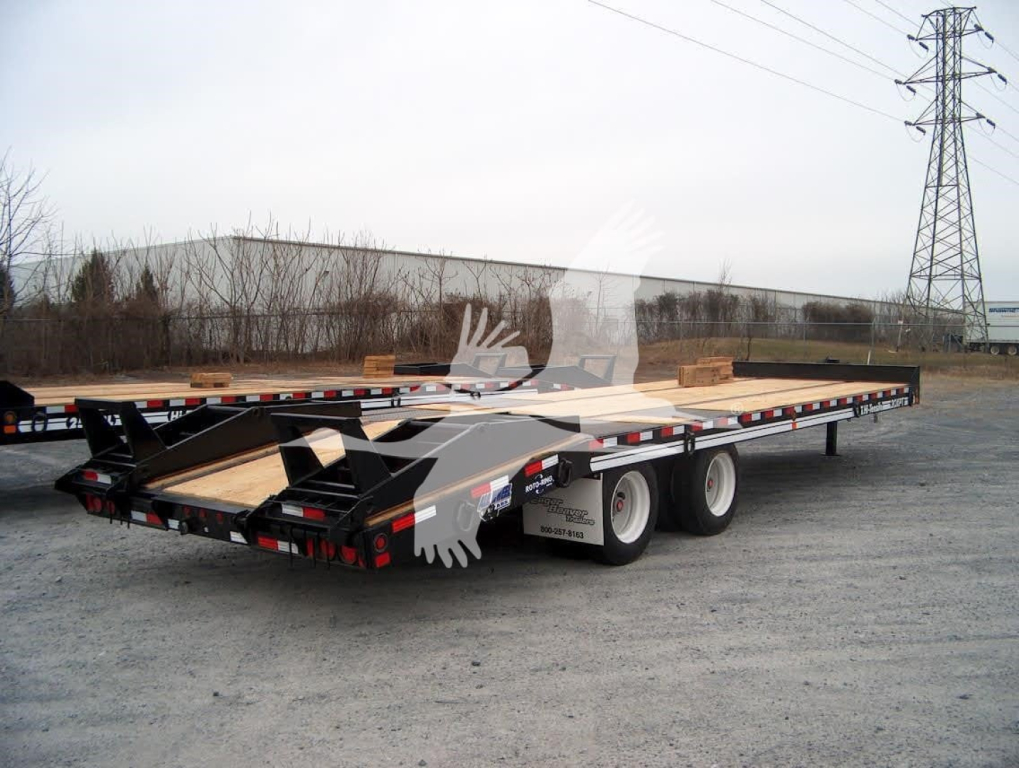
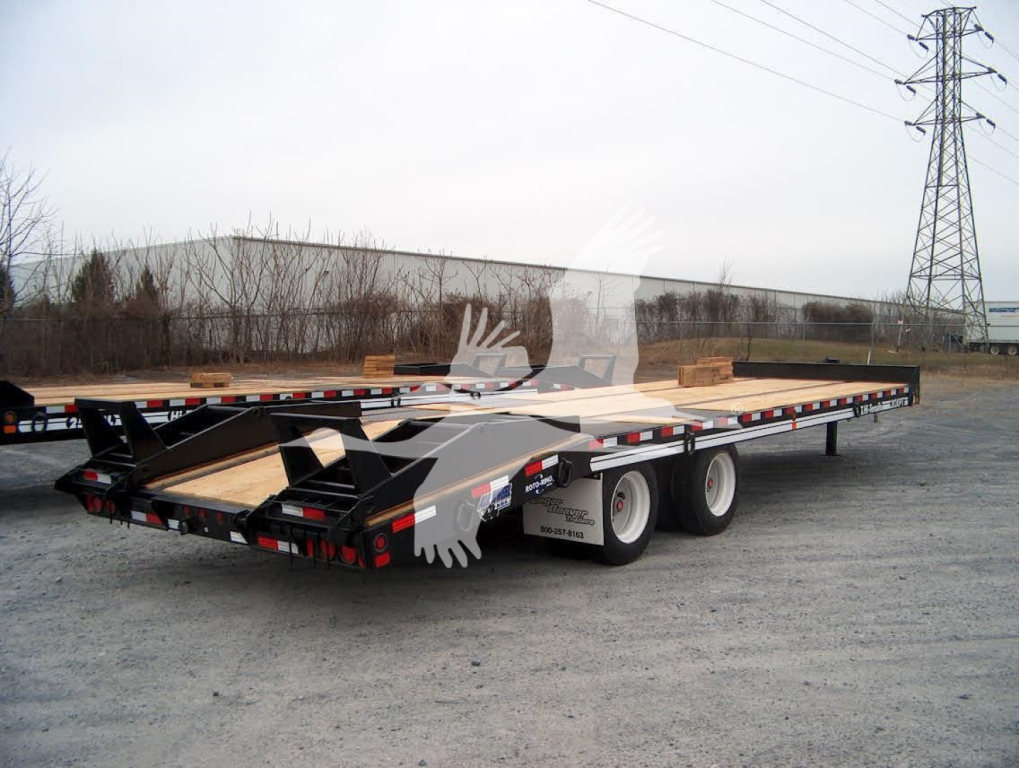
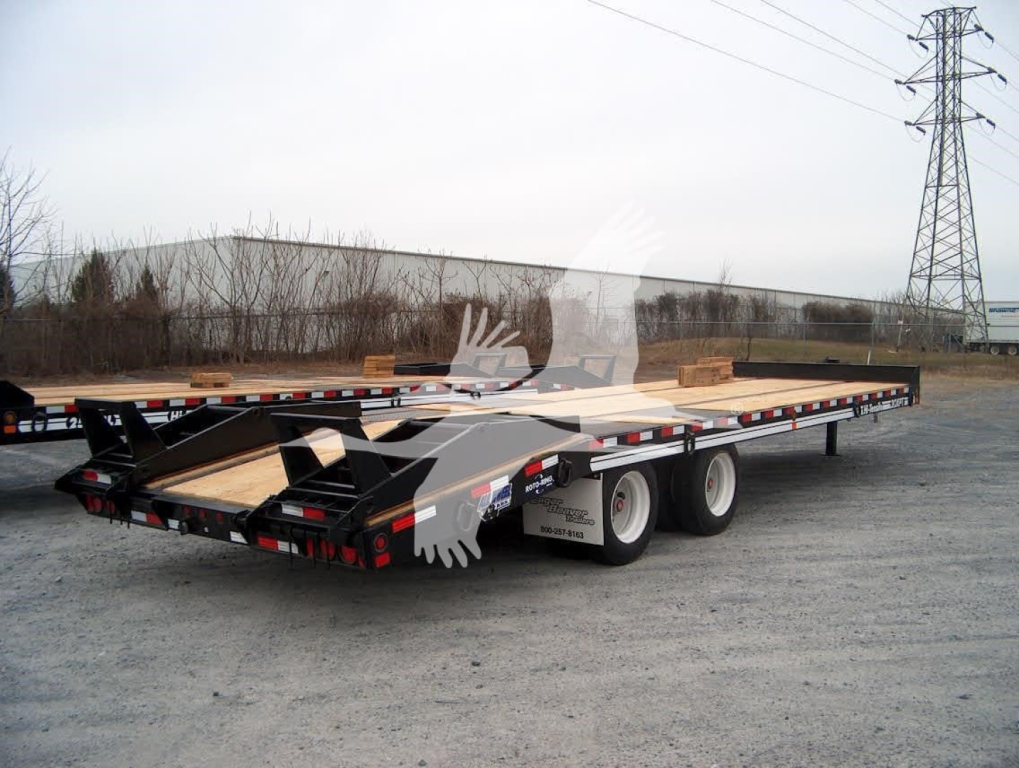
Most tag trailers in this category use a steel frame with a wood floor, fixed axles, and either electric or air brakes depending on GVWR and intended service. Smaller single-axle and tandem-axle trailers are common for landscaping, rental fleets, and contractor use, while tandem and tri-axle commercial tags are more suited to moving heavier construction equipment. Buyers should pay close attention to deck height, suspension type, tire size, and axle spacing. A lower loaded deck can improve stability and loading angle, while spring ride suspensions remain common for durability and simplicity. On heavier units, features like ABS, spring brakes, adjustable pintle height, landing gear, bulkheads, D-rings, stake pockets, and lockable tool storage add real day-to-day value.
Ramp design is another key difference across tag trailers for sale. Fold-up ramps work well on lighter trailers and mixed-use jobs, but heavy equipment haulers often prefer stand-up ramps or angle iron ramps sized for 20 ton or 25 ton service. Beavertails around 5 to 6 feet are common because they reduce load angle and make tracked machines easier to load. Floor material also deserves a close look. Wood decks are easy to repair and offer good traction, while premium hardwood surfaces such as apitong hold up well under repeated equipment loading. Trailer width, usually up to 102 inches on heavier models, affects machine fitment, fender clearance, and tie-down access.
A good tag trailer match depends on what gets hauled most often, not just the maximum machine weight on paper. Buyers should factor in bucket or attachment weight, fuel, chained securement points, and local brake and registration requirements. For frequent commercial use, inspect or compare crossmember spacing, ramp capacity, brake type, coupler setup, and overall empty weight, since trailer tare directly affects usable payload. For mixed fleets, a tag trailer remains one of the most practical choices for short-haul equipment transport because it combines straightforward loading, durable construction, and compatibility with pintle-equipped tow vehicles.
Also known as: Tag-Along Trailer
Frequently Asked Questions about Tag Trailers
What is a tag trailer used for?
A tag trailer is primarily used to haul equipment, machinery, and materials behind a truck or other tow vehicle using a pintle hitch or similar drawbar connection. Common applications include transporting skid steers, mini excavators, compact tractors, rollers, scissor lifts, and other jobsite machines. Smaller tag trailers are often used by landscapers and contractors, while heavier commercial tag trailers are built for construction and rental fleet service.
What is the difference between a tag trailer and a gooseneck or detachable trailer?
A tag trailer pulls from a rear hitch, typically a pintle hook, rather than connecting over the tow vehicle axle like a gooseneck or to a fifth wheel like some detachable lowboys. That makes a tag trailer simpler to hook up and practical for fleets running straight trucks or vocational trucks with pintle setups. Compared with goosenecks and detachables, tag trailers are generally easier to use for shorter hauls and lighter equipment, though they usually offer less overall capacity than a true lowboy configuration.
How do I choose the right capacity for a tag trailer?
Start with the heaviest machine you intend to haul, then add the weight of attachments, buckets, forks, fuel, chains, binders, and any tools carried on the trailer. After that, compare the total against the trailer's payload rating, not just the GVWR. Buyers should leave a safety margin instead of sizing the trailer exactly to the machine's listed operating weight. It is also important to confirm that the tow vehicle, hitch, brakes, and registration class match the loaded trailer weight.
Are air brakes or electric brakes better on a tag trailer?
Electric brakes are common on lighter-duty tag trailers and can be a workable choice for contractor and local use when properly maintained. Air brakes are more common on heavier commercial tag trailers because they offer stronger braking performance, better compatibility with medium-duty and heavy-duty trucks, and are often preferred for higher GVWR applications. On larger units, buyers should also look for ABS and spring brakes, especially if the trailer will see regular road service with heavy machinery.
What features matter most on a heavy-duty tag trailer?
On a heavy-duty tag trailer, the most important features are payload rating, deck height, beavertail length, ramp capacity, brake system, and tie-down provisions. A low deck and properly designed beavertail improve loading angle and reduce the chance of dragging equipment. Strong D-rings, stake pockets, durable floor material, adjustable pintle height, quality suspension, and accessible landing gear also make a difference in daily use. For frequent hauling, details like crossmember construction, tool storage, and axle configuration affect durability and operating efficiency.