
Cam Tag Trailers For Sale
Shop Cam tag trailers built for compact equipment hauling, with tandem axles, fold-up ramps, steel frames, and 8K to 10K GVWR.
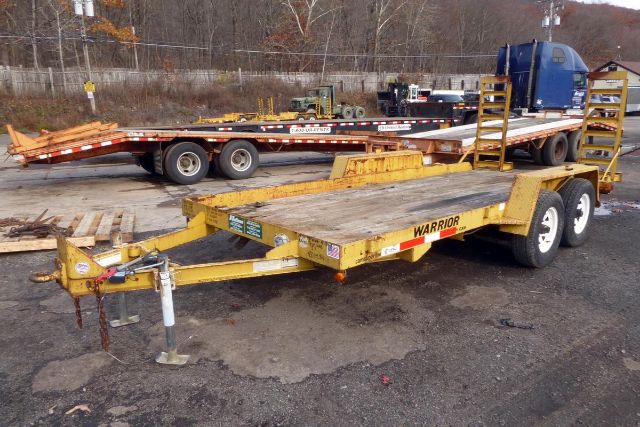
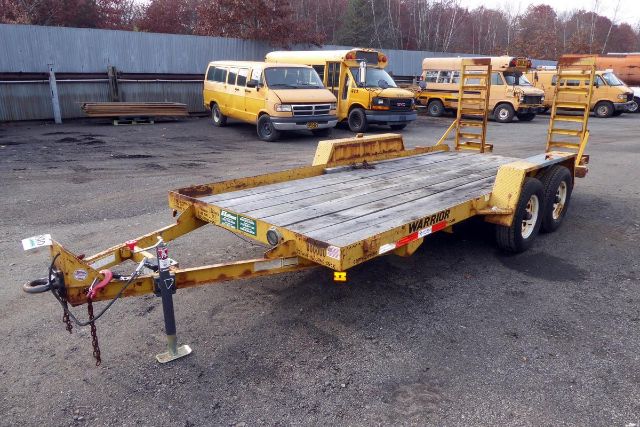
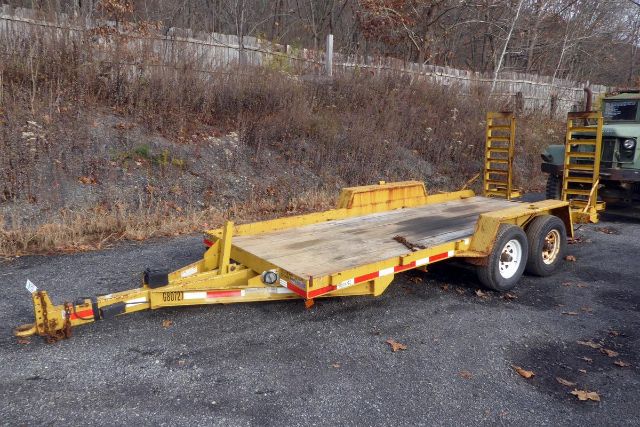
Selling a cam tag trailer? List your cam tag trailer for sale and reach thousands of commercial buyers.
Cam Tag Trailers
A few specs deserve close attention before anything else. GVWR alone does not tell the whole story. A 7,998 lb or 9,996 lb trailer can have very different usable payload depending on empty weight, which in this class can vary by several hundred pounds. Deck dimensions matter just as much. Many Cam tag trailers in this size range carry around a 16-foot deck with an overall trailer length in the low-20-foot range, widths around 96 to 102 inches, and deck heights near 19 inches. That combination works well for compact equipment with moderate ground clearance and makes loading easier than on taller trailers. Fold-up ramps are common, but ramp width, spring assist condition, and hinge wear should be checked carefully if you load tracked machines or equipment with narrow wheel spacing.
Most Cam tag trailers in this category use tandem fixed axles, spring ride suspension, electric brakes, and 15-inch wheels with common tire sizes such as 225/75R15. That is a practical setup for short-haul and regional use, especially for contractors, rental yards, landscapers, and municipal crews. On used units, brake condition is a major buying point because electric brakes can range from fully functional to needing magnets, wiring, or complete service. Buyers should also inspect the wood floor for soft spots, crossmember condition, coupler wear, light circuits, tire age, and any frame repairs around the ramp area and tongue. A steel-frame tag trailer is usually simple to service, but deferred maintenance shows up quickly in braking performance, deck integrity, and tire wear.
Cam tag trailers are a good fit when you need an economical equipment hauler that tows behind a pickup or medium-duty truck without moving into a gooseneck or heavy deckover. The right trailer comes down to matching axle rating, deck space, ramp design, and actual payload to the machine you haul most often. If your equipment is close to the top end of the trailer's capacity, pay extra attention to empty weight, brake performance, and tire load rating. If your loads vary, a slightly higher-rated trailer with a low deck and durable ramp setup usually gives better day-to-day flexibility and less strain on the trailer over time.
Frequently Asked Questions about Cam Tag Trailers
What is a Cam tag trailer typically used for?
A Cam tag trailer is typically used to haul compact equipment and utility loads behind a pickup or medium-duty tow vehicle. Common applications include transporting skid steers, compact tractors, mini excavators, mowers, small construction equipment, and similar machines that fit on a low-profile tandem-axle trailer. This type of trailer is often chosen for local and regional work because it offers easier loading than taller deckover designs and is simpler to tow and store than a larger gooseneck.
What GVWR range is common for Cam tag trailers?
Many Cam tag trailers in this category fall in the 7,000 lb to 10,000 lb GVWR range, with 7,996 lb and 9,996 lb ratings being common examples. Buyers should calculate actual payload by subtracting the trailer's empty weight from its GVWR, because two trailers with the same rating may carry different usable loads. Matching the rated capacity to the real operating weight of the equipment, attachments, fuel, and chains is more important than looking at the advertised tonnage alone.
What should buyers inspect first on a used Cam tag trailer?
Brake system condition should be near the top of the list, especially on electric-brake tag trailers. Buyers should also inspect tire age and wear, spring suspension components, coupler and safety chains, deck condition, ramp hinges, lighting, wiring, and any cracking or repair work on the frame. On wood-deck units, soft spots and fastener pull-through are worth checking closely. A trailer in this class can be economical to own, but poor brake performance or structural wear can turn a low purchase price into a repair project quickly.
Are Cam tag trailers good for skid steers and compact excavators?
Yes, many Cam tag trailers are well suited for skid steers and compact excavators if the machine's operating weight, attachment weight, and dimensions fall within the trailer's true payload and deck limits. The low deck height and rear ramp setup are a good match for compact equipment. Buyers should confirm track or tire width against ramp spacing and deck width, and make sure the machine's loaded weight does not crowd the axle, tire, or brake capacity.
What towing setup is usually required for a Cam tag trailer?
Most Cam tag trailers in this category are bumper-pull trailers that require a properly rated hitch, brake controller, wiring connection, and tow vehicle with enough payload and towing capacity for the trailer plus cargo. Because these trailers commonly use electric brakes, the brake controller and trailer wiring need to be in working order before regular use. Buyers should also verify coupler size, ball size, breakaway system function, and local requirements for trailer registration, lighting, and load securement.