
Tag Trailers For Sale in Pennsylvania
Shop tag trailers for sale in Pennsylvania. Compare 20-ton to 25-ton tags, deck length, ramps, axle setups, suspension, and load angle.
Selling a tag trailer? List your tag trailer for sale and reach thousands of commercial buyers.
Tag Trailers in Pennsylvania
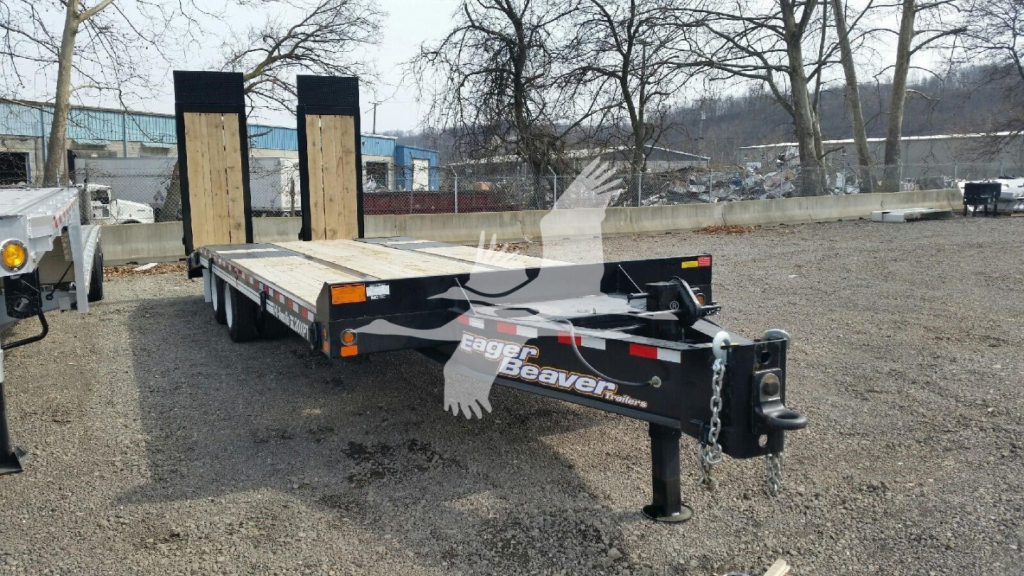
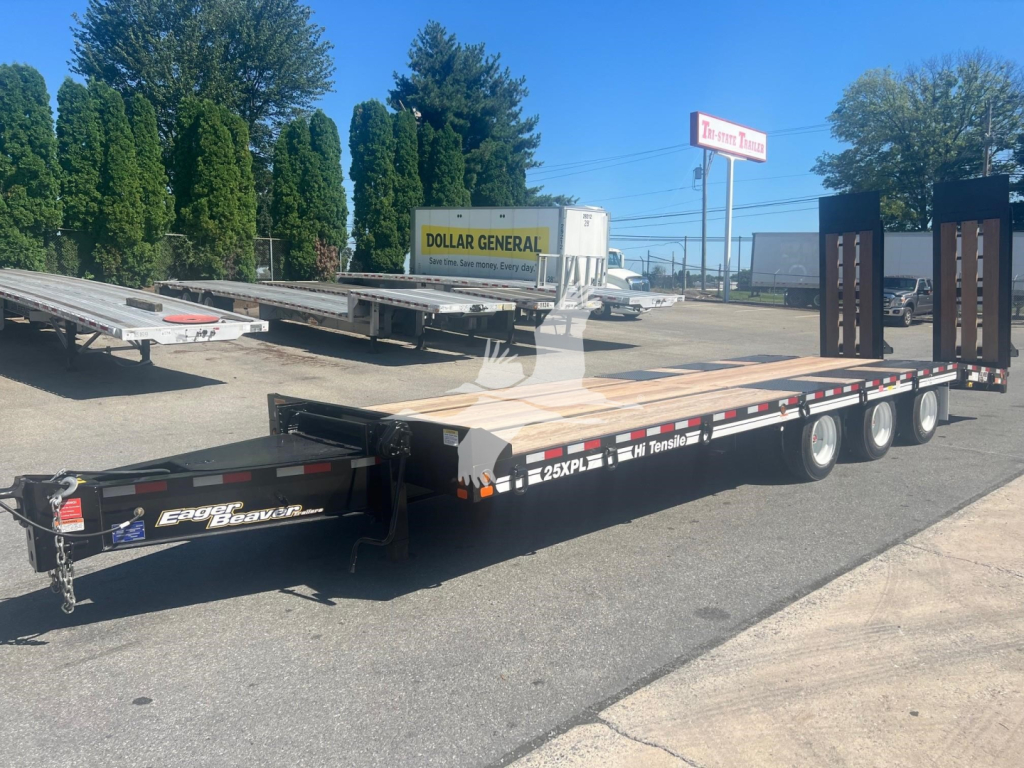
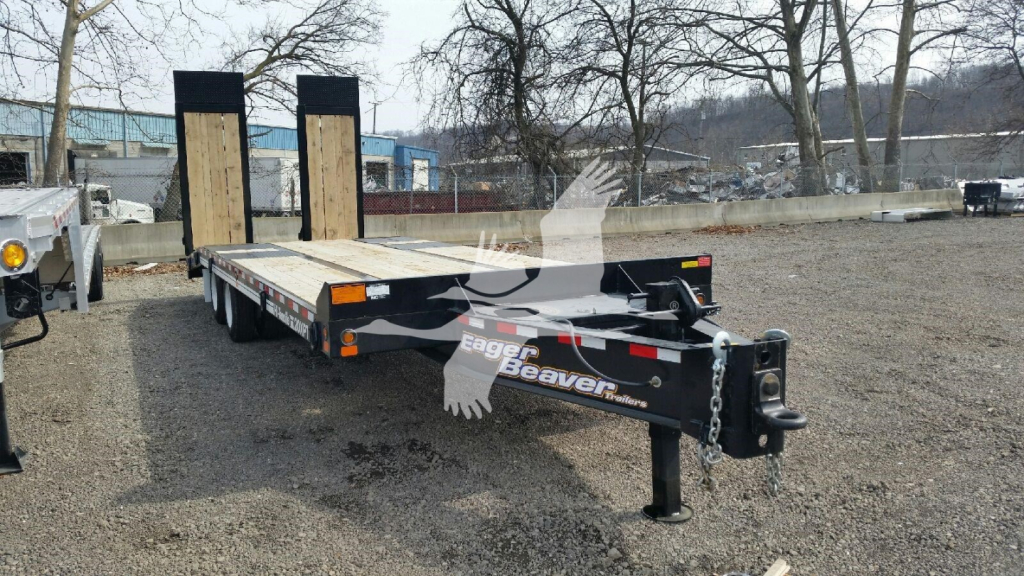
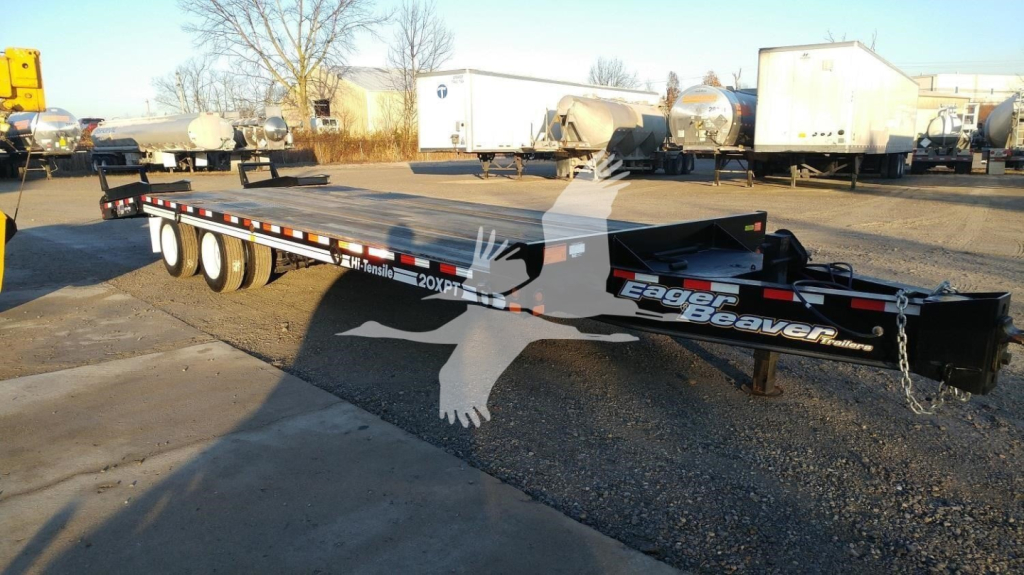
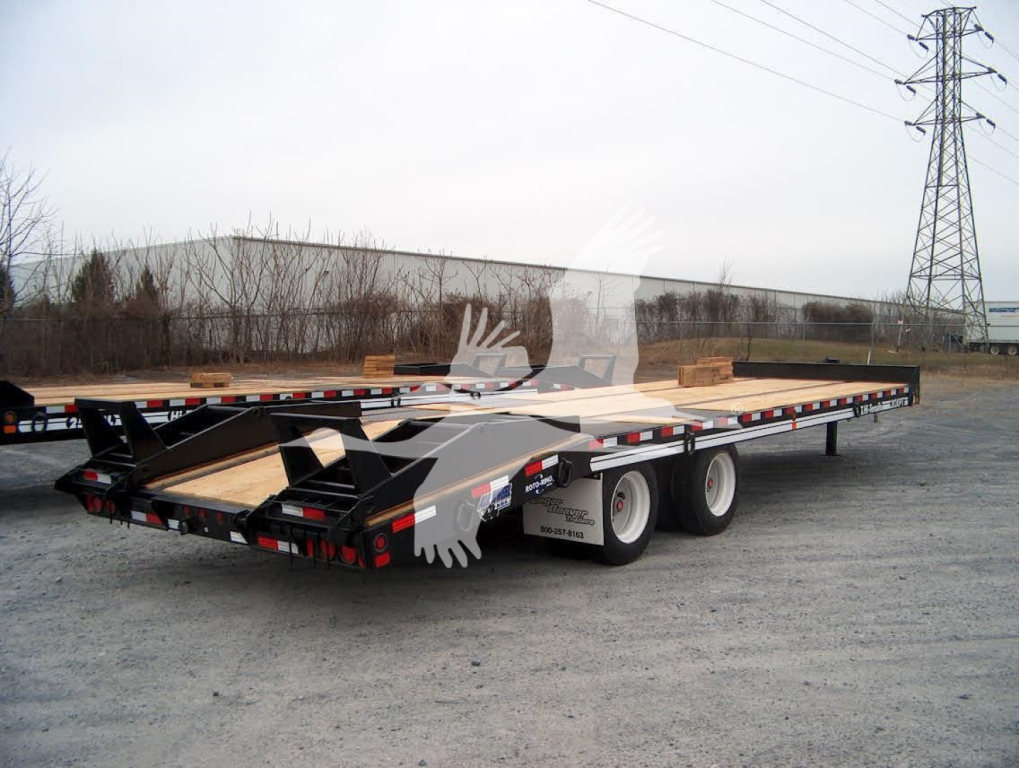
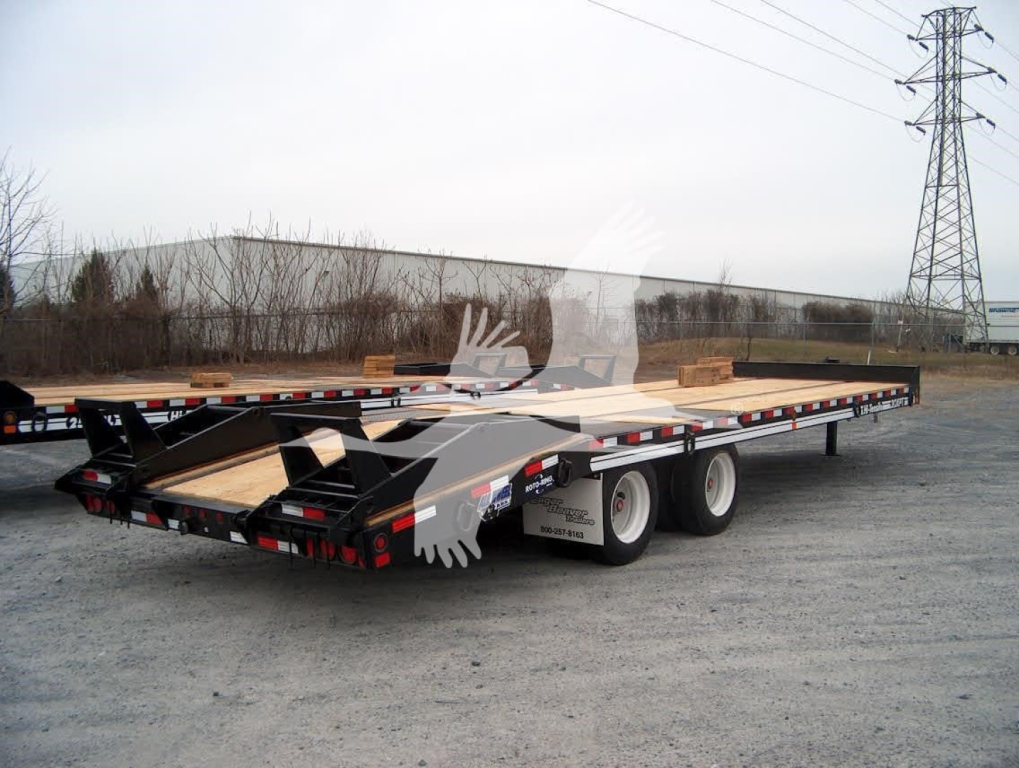
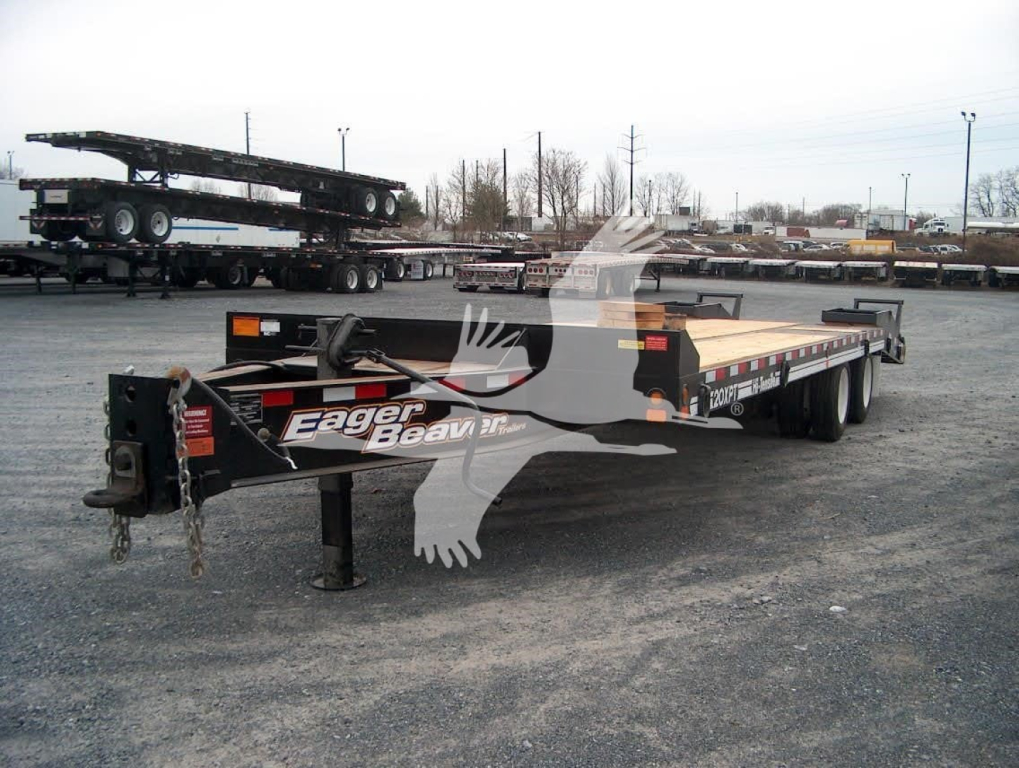
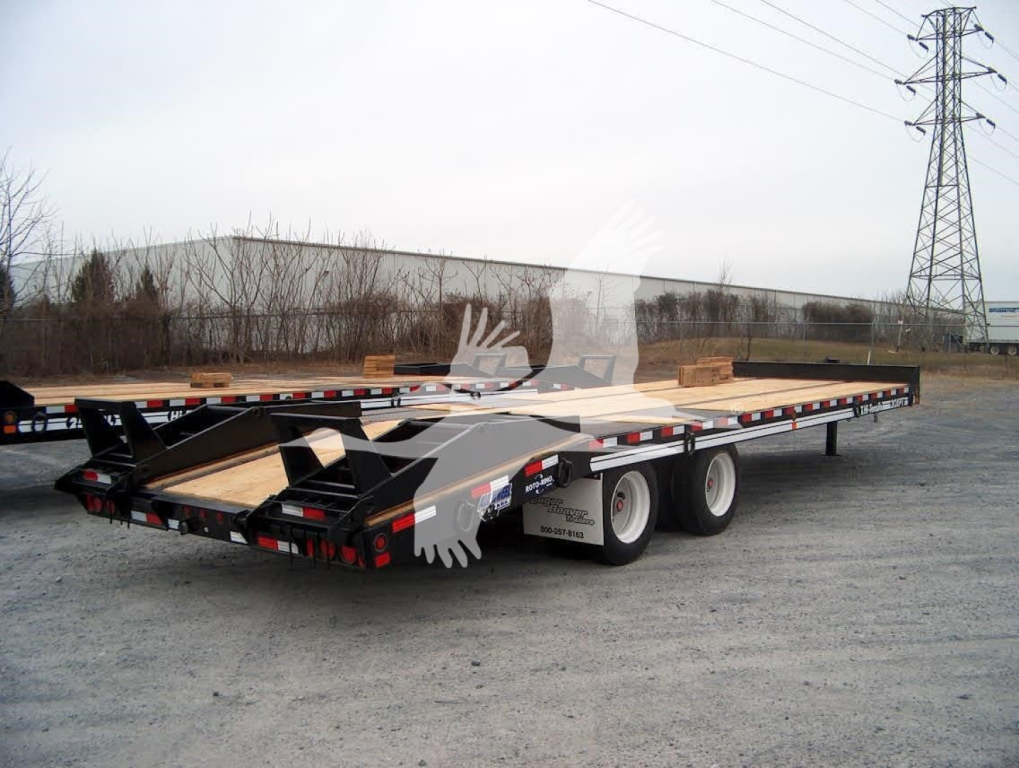
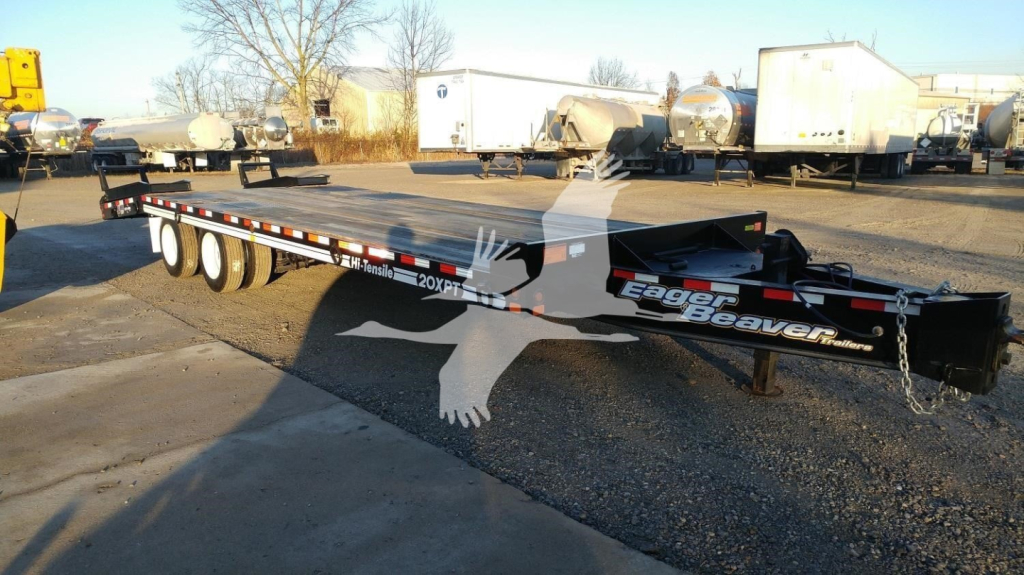
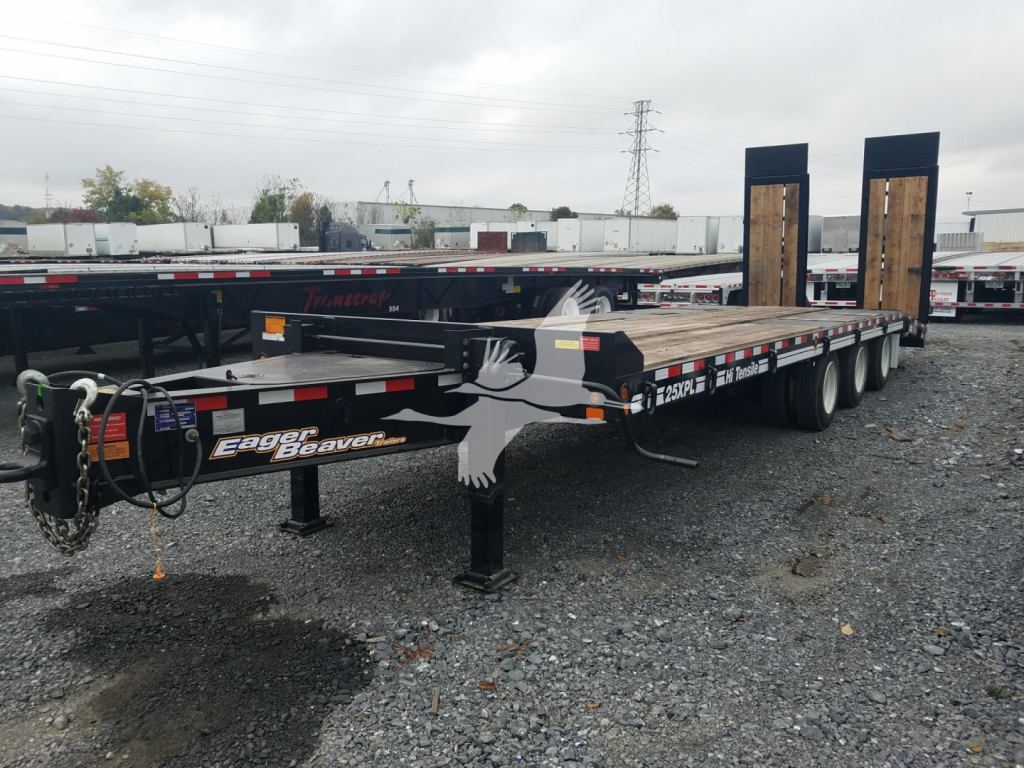
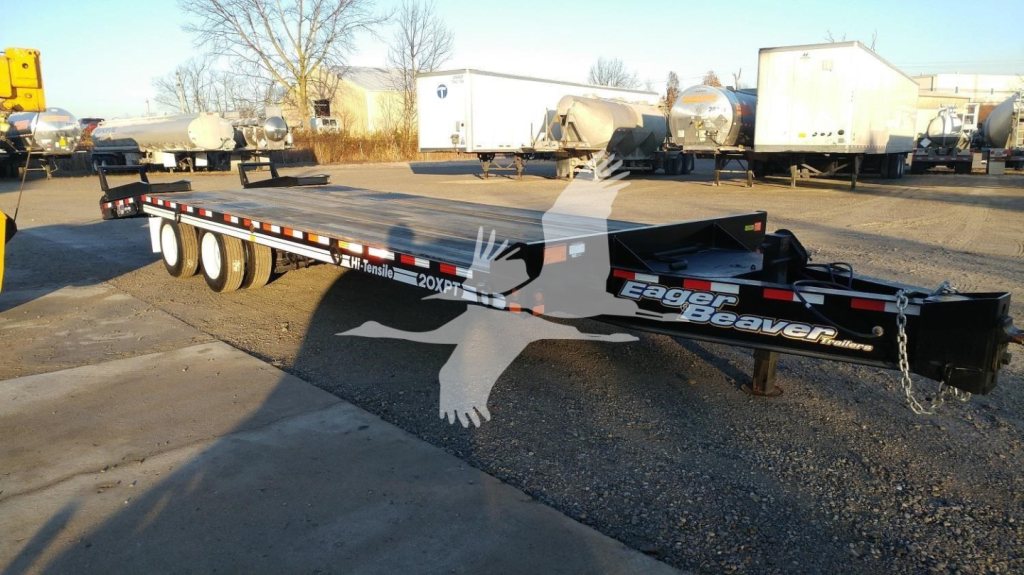
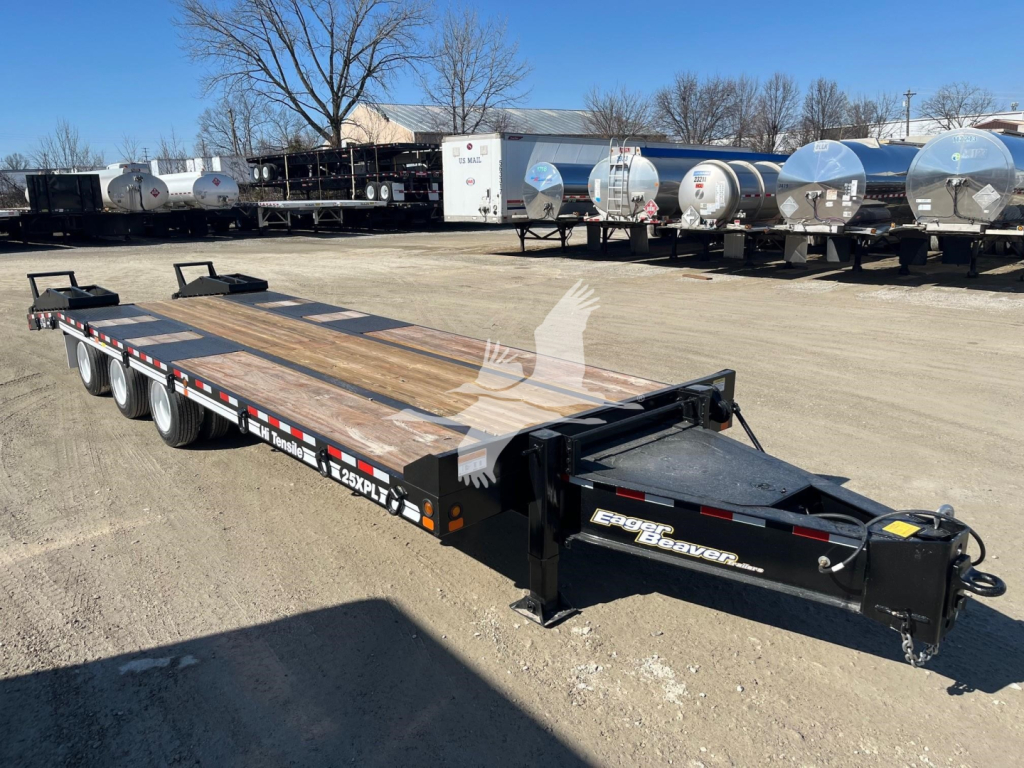
A typical tag trailer in this class has a 102-inch overall width, a steel frame, wood deck, beavertail, and rear loading ramps. Deck lengths often land in the low-20-foot range, with overall trailer length extending into the mid-30-foot range once the drawbar and beavertail are included. Main deck height matters more than many first-time buyers expect because it affects both loading angle and machine stability. A lower deck, paired with a 6-foot beavertail and properly matched ramps, helps when loading low-clearance machines or attachments. Flooring is often apitong or other hardwood on the outer deck with pine or mixed wood center sections, giving a solid balance of durability, serviceability, and traction.
Axle count and suspension design directly affect payload, ride quality, and maintenance. Tandem axle tag trailers are common in the 20-ton range, while tri-axle setups are frequently used on 25-ton tags to spread weight and improve stability. Spring ride suspension is still widely used because it is durable, straightforward to maintain, and well suited for mixed jobsite and highway service. Buyers should also look closely at brake configuration, ABS, spring brakes on all axles, tire size, and wheel type, especially if the trailer will see regular Pennsylvania highway use with changing weather and uneven secondary roads. An adjustable pintle height is another important detail because it helps level the trailer behind different tow vehicles, which improves braking, loading, and tire wear.
The best tag trailer is the one that matches the actual machine fleet, not just the heaviest unit you may haul once or twice a year. Check the operating weight of the machine, bucket or attachment weight, fuel, chains, binders, and any extra tools carried on deck. Then compare that total to the trailer’s payload rating, axle package, deck space, and ramp capacity. Features such as a full-width steel bulkhead, lockable tool storage, D-ring placement, side rails, and a lift axle can make a real difference in daily use. For buyers comparing listings, the most important question is simple: can the trailer safely load, carry, and unload your equipment on the routes and jobsites you run every week.
Frequently Asked Questions about Tag Trailers in Pennsylvania
What is a tag trailer used for?
A tag trailer is used to haul equipment behind a truck with a pintle hitch. It is commonly chosen for skid steers, compact excavators, rollers, backhoes, small dozers, and similar machinery that does not require the capacity or loading style of a detachable gooseneck. Tag trailers are popular in construction, municipal work, utility contracting, and equipment rental because they are simpler to hook up, generally lower in cost than larger lowboys, and well suited for short- to medium-distance hauling.
How do I choose between a 20-ton and 25-ton tag trailer?
Start with the real working weight of the equipment, not the brochure base weight. Add attachments, full fuel, buckets, thumbs, auxiliary tools, chains, and anything else that rides on the trailer. A 20-ton tag trailer is often a good fit for many compact and mid-size machines, while a 25-ton tag gives more margin for heavier equipment and can provide better weight distribution with an extra axle. Buyers should also confirm the tow vehicle is matched to the trailer’s gross weight, brake requirements, and pintle setup.
Why do deck height and beavertail angle matter on a tag trailer?
Deck height and beavertail design control the loading angle, which directly affects how easily a machine can climb the ramps without dragging. A lower main deck combined with a properly designed beavertail and ramp set is especially important for low-ground-clearance equipment, paving machines, scissor lifts, and machines with long attachments or small solid tires. Better loading geometry also improves safety because the machine transitions onto the deck more smoothly and with less chance of hang-up at the tail.
Are spring ride suspensions good on tag trailers?
Spring ride suspensions are a common and proven choice on tag trailers because they are durable, relatively simple, and easier to service than more complex systems. They perform well in construction and mixed-road environments where the trailer may see rough approaches, uneven jobsites, and regular highway miles. Air ride can offer ride advantages in some applications, but many buyers still prefer spring ride for its lower complexity and dependable performance under heavy equipment loads.
What features should I inspect when comparing tag trailer listings?
Focus first on capacity, deck length, axle configuration, ramp rating, and brake setup. Then look at practical details such as D-ring quantity and placement, floor material, side rails, bulkhead construction, toolbox or chain storage, tire condition or specification, and pintle height adjustment. It is also smart to review the beavertail length, load angle, landing gear style, and whether the trailer has spring brakes on all axles and ABS. Those details affect day-to-day usability just as much as the published ton rating.