
2026 Tag Trailers For Sale in Pennsylvania
Shop 2026 tag trailers for sale in Pennsylvania. Compare 20-ton to 25-ton tag equipment trailers with pintle hitches, ramps, and low deck heights.
Selling a 2026 tag trailer? List your 2026 tag trailer for sale and reach thousands of commercial buyers.
2026 Tag Trailers in Pennsylvania
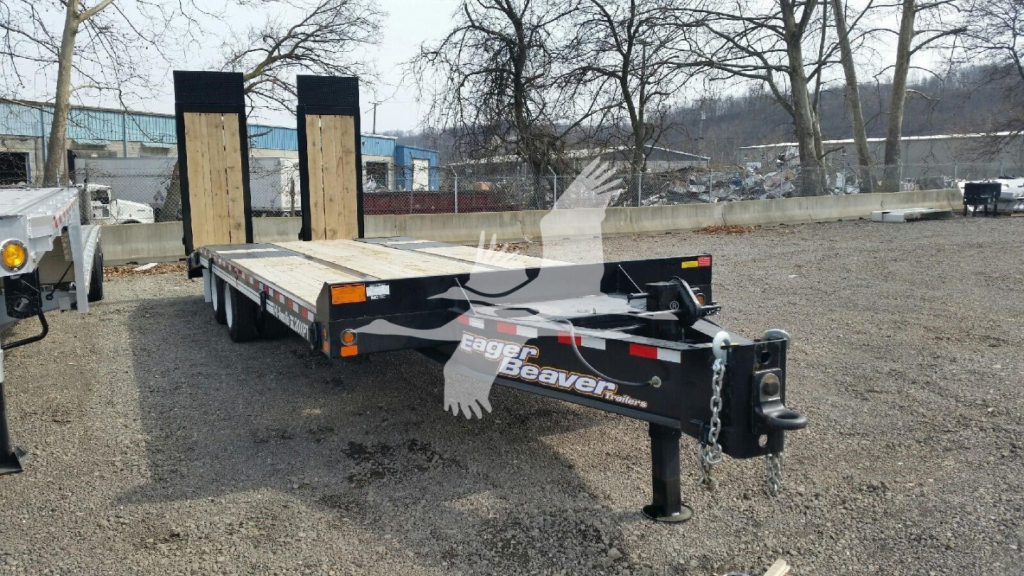
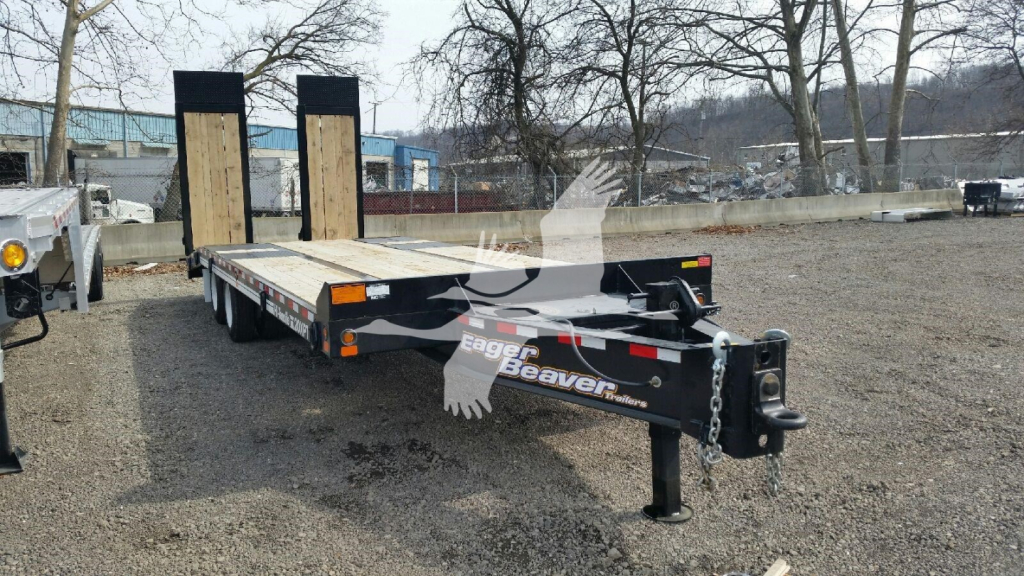
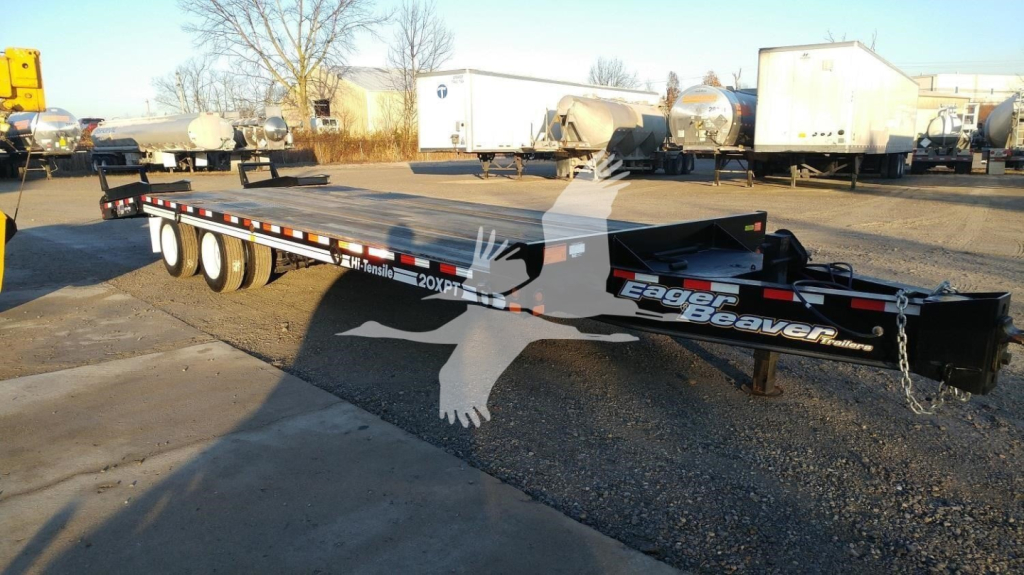
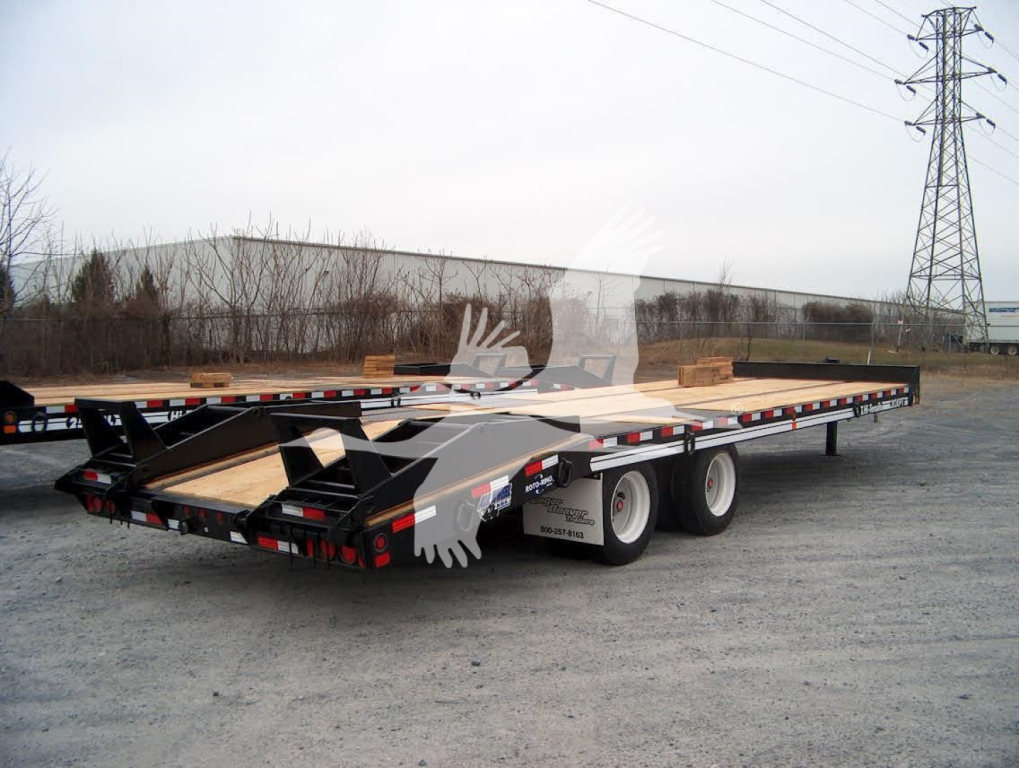
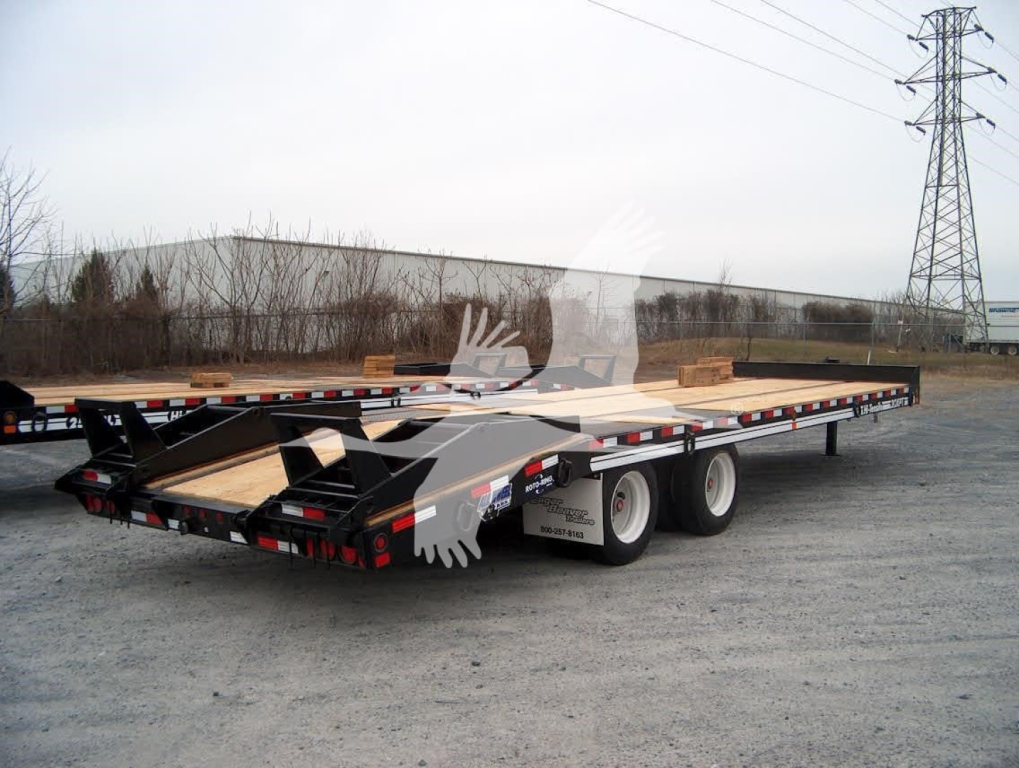
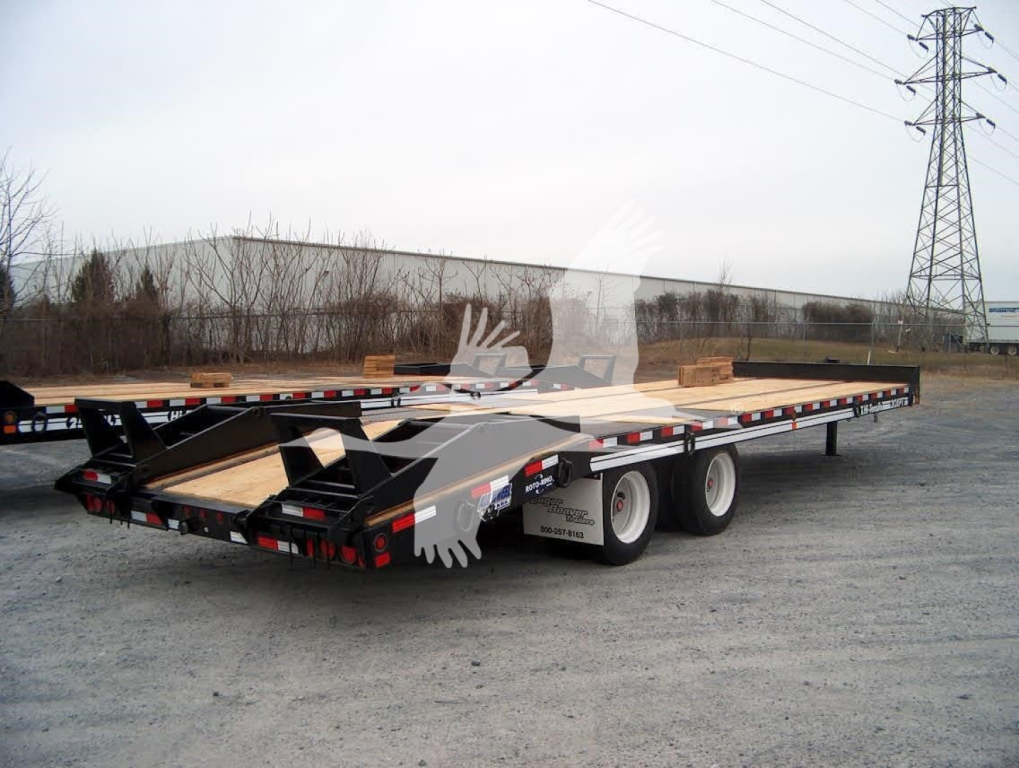
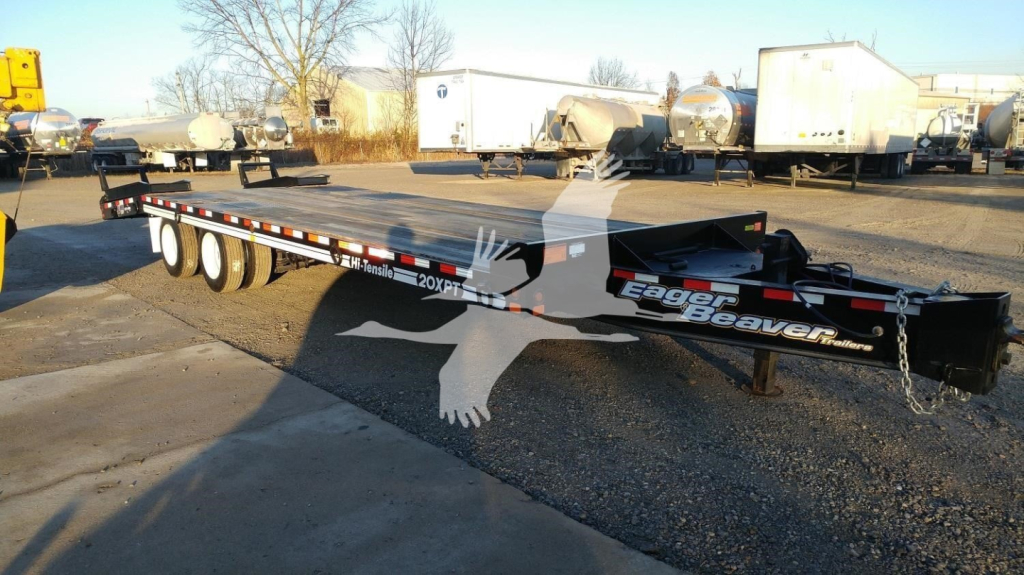
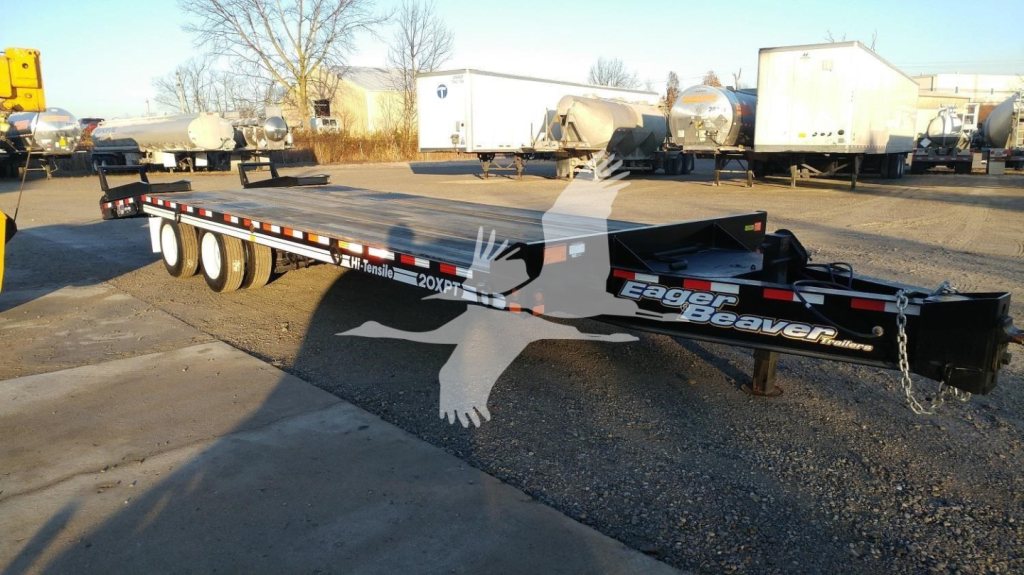
Capacity and loading geometry matter more than almost anything else in this class. Many tag trailers in the market fall into the 20-ton to 25-ton range, often with 102-inch overall width, deck heights around the mid-30-inch range, and a beavertail with a relatively mild load angle. A 6-foot beavertail and 6-foot to 7-foot ramps are common because they help tracked and wheeled machines climb without dragging. Buyers should look closely at flat deck length, total trailer length, and usable deck space in front of the beavertail. A 21-foot deck can be enough for one machine, while a 24-foot deck gives more flexibility for buckets, compact attachments, or a better fore-aft load balance. Hydraulic ramps are a productivity upgrade for frequent loading, while angle iron or wood-filled ramps can still be a practical choice for lighter duty cycles.
Running gear and hitch setup are just as important as rated tonnage. Tandem axle tag trailers are often chosen for lighter fleets and tighter operating costs, while tri-axle configurations are common when buyers want 25-ton class capacity and improved load distribution. Spring ride suspensions remain common in this category because they are durable and straightforward to maintain, though some trailers may add a lift axle to improve carrying capacity and axle flexibility. Check tire size, brake configuration, ABS setup, and whether spring brakes are installed on all axles. The adjustable pintle height range matters if the trailer will be pulled by different trucks, especially in mixed fleets. Landing gear style, bulkhead construction, side rail design, D-ring count and placement, and a lockable toolbox or drawbar storage area all affect day-to-day usability.
Flooring and securement details deserve careful attention because they directly affect longevity and safety. Apitong remains a preferred deck material on many heavy equipment trailers because it holds up well under concentrated machine loads and repeated track contact. Buyers in Pennsylvania should also think about corrosion exposure from road salt, muddy jobsites, and freeze-thaw conditions. A solid paint finish, clean wiring protection, sealed lighting, and robust crossmember construction can make a meaningful difference over time. For many operations, the best 2026 tag trailer is the one that matches the actual machines being hauled, the truck’s pintle and brake setup, and the loading frequency, not simply the highest advertised capacity.
Frequently Asked Questions about 2026 Tag Trailers in Pennsylvania
What is a tag trailer used for?
A tag trailer is used to haul construction and industrial equipment behind a truck or tractor with a pintle hitch. Common loads include skid steers, compact track loaders, mini excavators, small loaders, rollers, forklifts, and backhoes. Tag trailers are popular when operators need a lower deck and easier loading than many flatbeds provide, but do not need the added complexity or cost of a detachable lowboy.
How do I choose between a 20-ton and 25-ton tag trailer?
The right choice depends on the actual operating weight of the machine, any buckets or attachments carried with it, and the truck that will pull the trailer. A 20-ton tag trailer can be a strong fit for compact and mid-size equipment fleets, while a 25-ton class trailer gives more margin for heavier machines and can offer added axle capacity and deck flexibility. Buyers should compare GVWR, empty weight, axle configuration, deck length, and local bridge and registration considerations before deciding.
Are hydraulic ramps worth it on a tag trailer?
Hydraulic ramps are often worth the extra cost for fleets that load and unload equipment frequently. They reduce driver effort, speed up jobsite loading, and can improve safety when handling heavier machines. Manual or fixed angle iron ramps can still work well for lighter use, but hydraulic ramps are usually the better long-term choice when the trailer is used daily or rotated among multiple drivers.
What deck and floor features matter most on a tag trailer?
Deck length, deck height, beavertail design, and floor material are the key items to evaluate. A lower deck and moderate load angle make it easier to load machines with limited ground clearance. Apitong flooring is widely preferred for durability under tracked equipment. D-ring placement, side rails, and bulkhead construction also matter because they affect how easily you can secure different machine sizes and attachments.
What should Pennsylvania buyers watch for on a tag trailer?
Pennsylvania buyers should pay close attention to brake condition and specification, ABS configuration, tire condition and size, lighting protection, and resistance to corrosion from winter road treatment. Pintle height adjustability is also important if the trailer will be moved between trucks. Because many jobs involve short hauls on secondary roads and rough sites, suspension durability, spring brake coverage, and strong ramp construction are especially important in this region.