
2026 Tag Trailers For Sale
Compare 2026 tag trailers with specs that matter: capacity, deck length, ramp style, axle setup, brakes, and pintle-ready equipment hauling design.
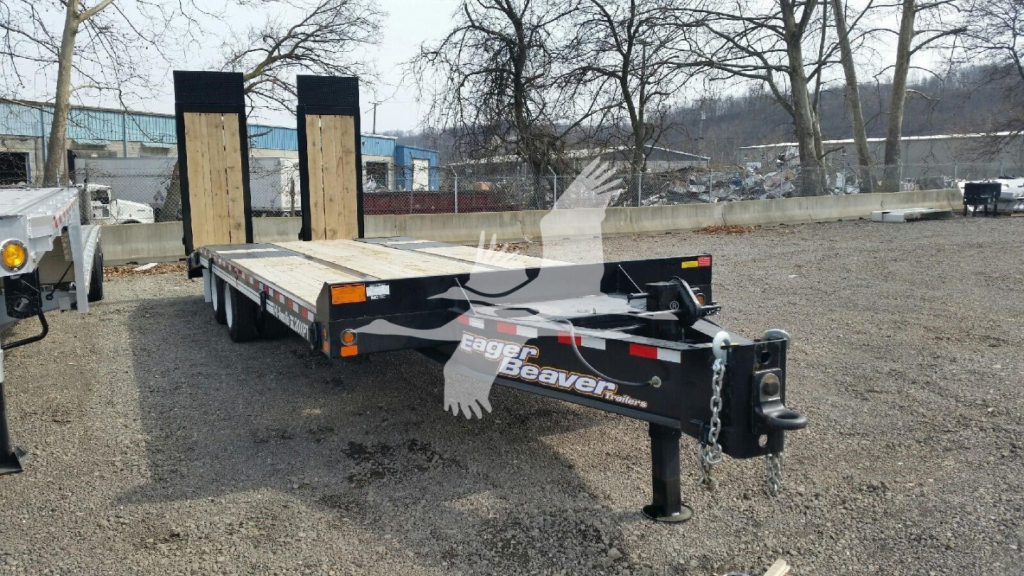
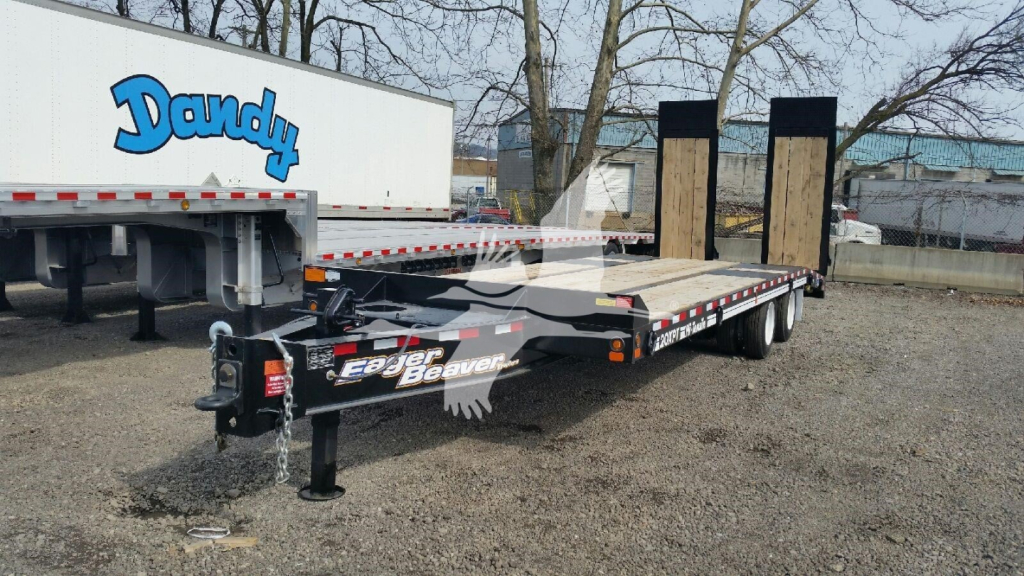
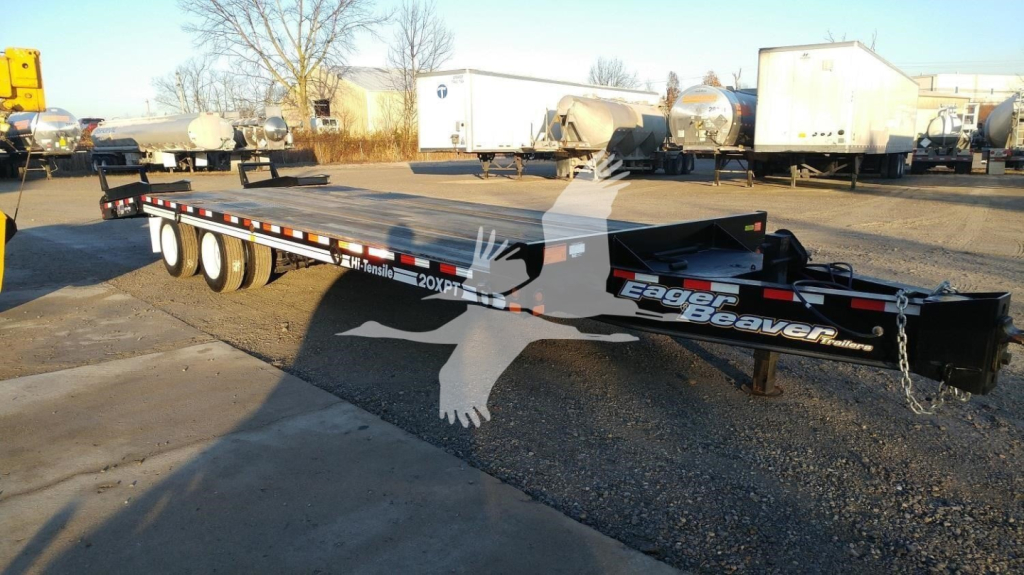
Selling a 2026 tag trailer? List your 2026 tag trailer for sale and reach thousands of commercial buyers.
2026 Tag Trailers
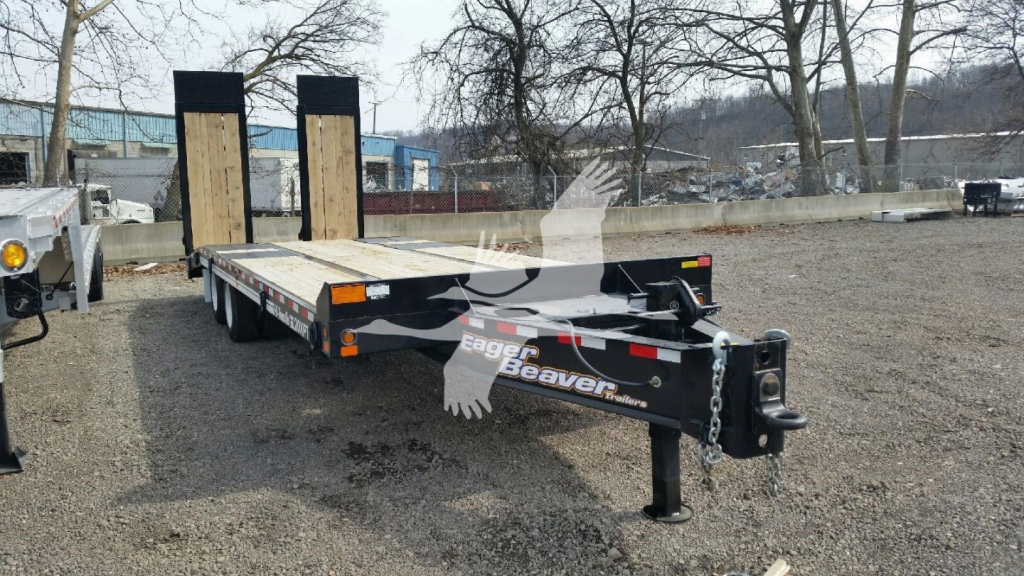
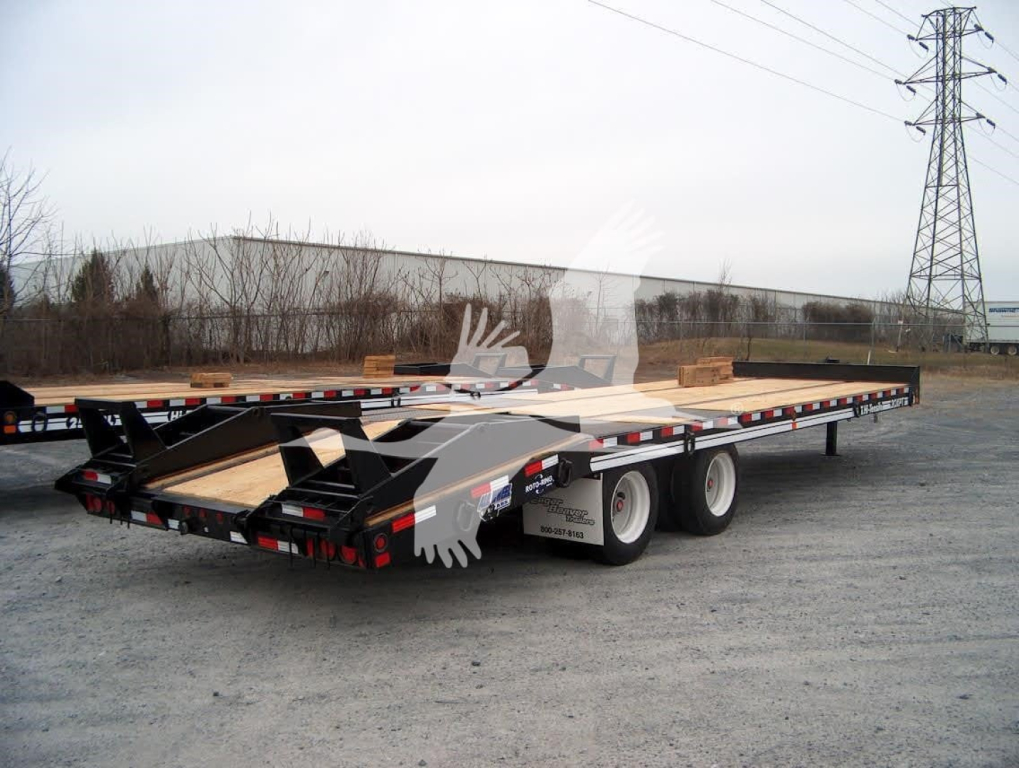
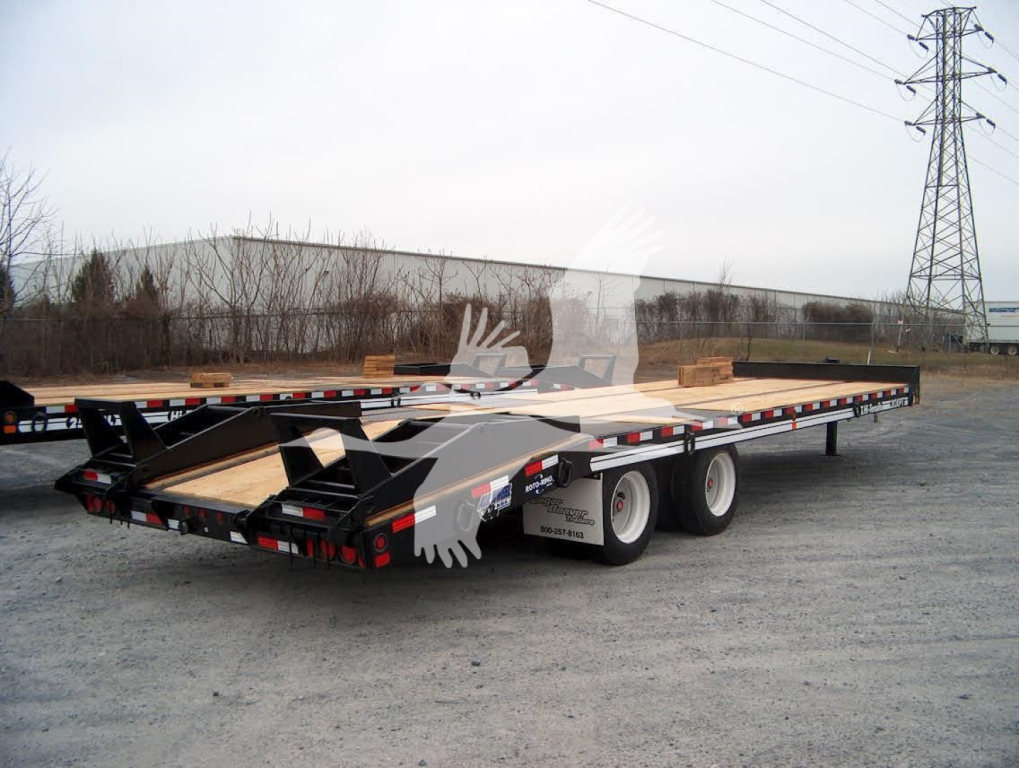
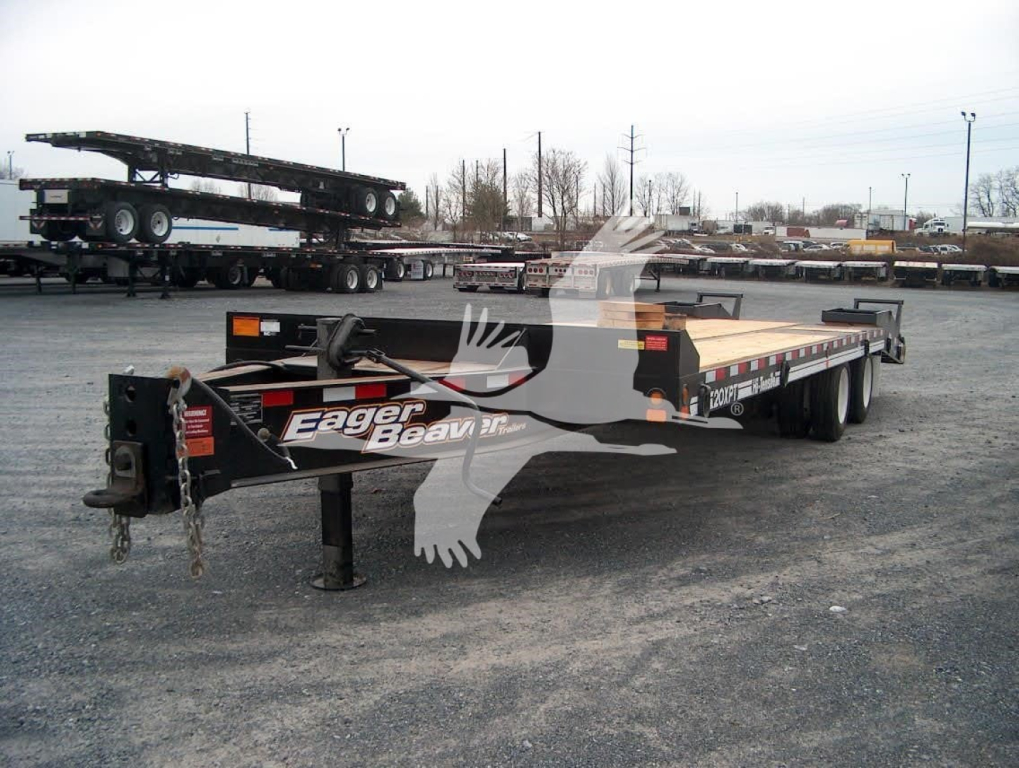
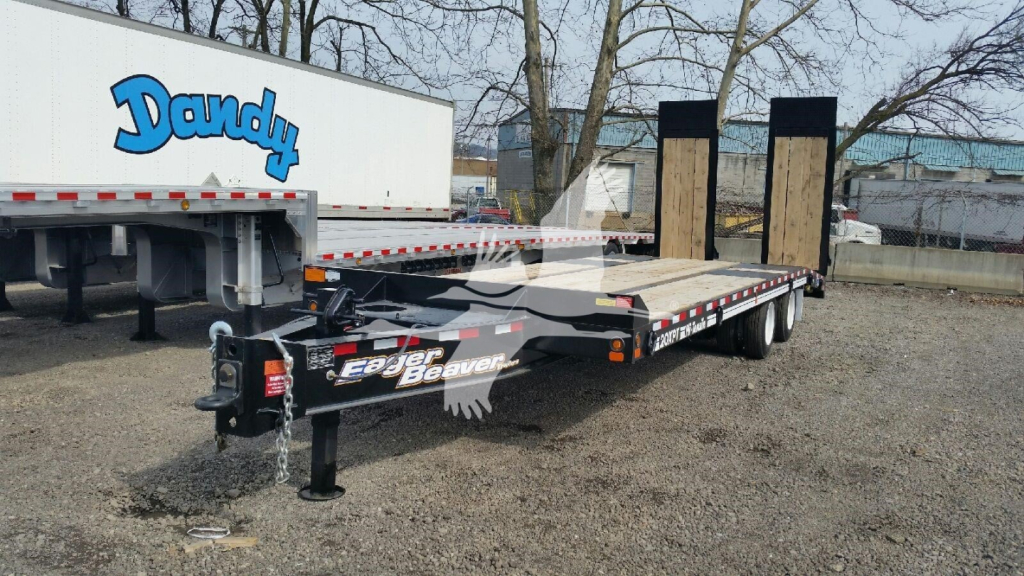
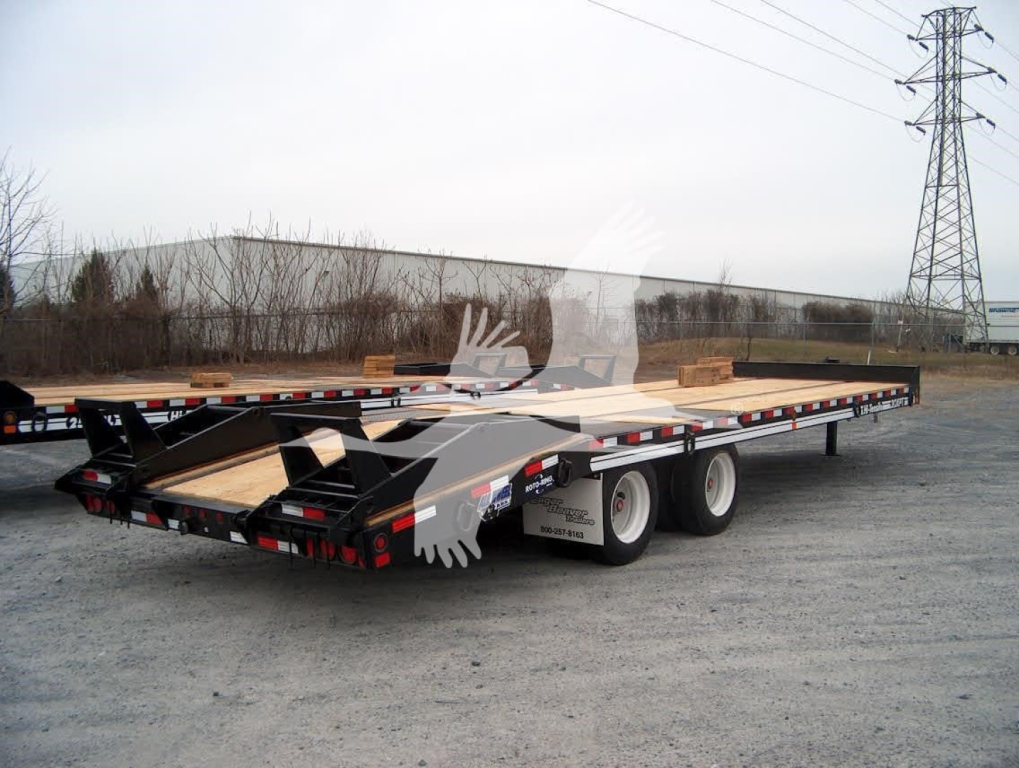
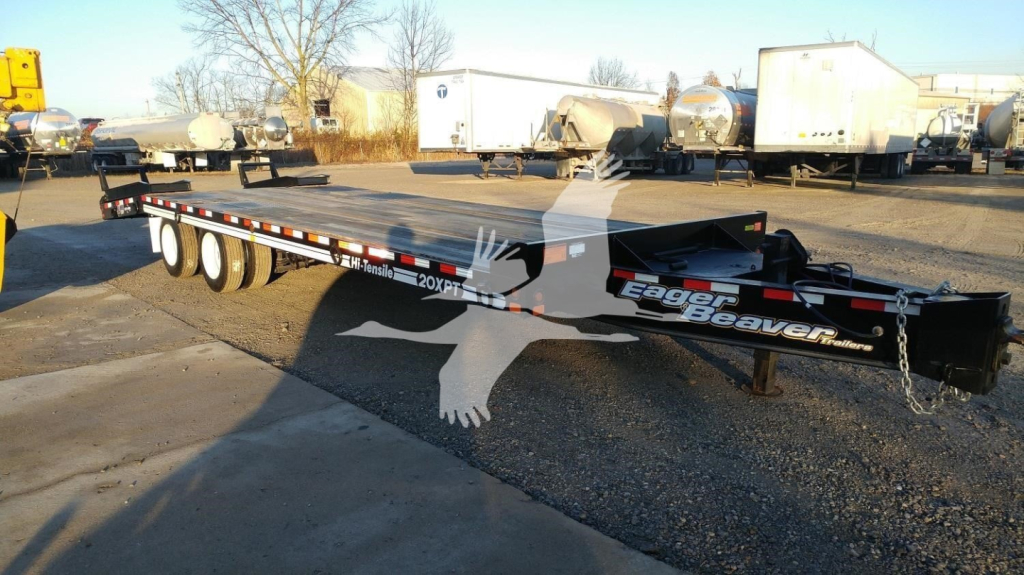
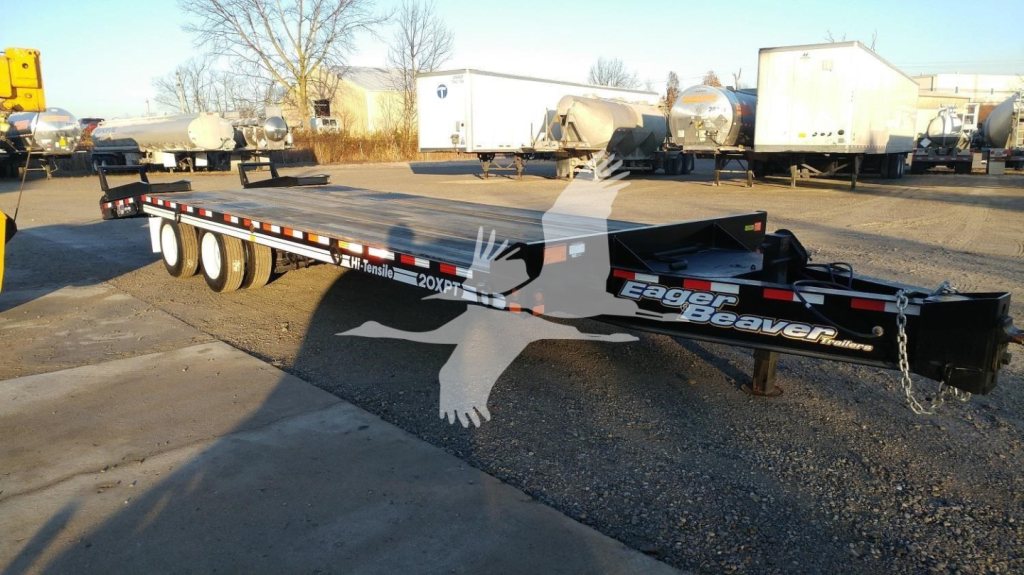
Deck configuration matters as much as gross rating. Many tag trailers use a flat deck with a beavertail to reduce load angle and make tracked equipment easier to load. Common commercial dimensions include 102-inch overall width, main decks in the low-20-foot range, and deck heights around the mid-30-inch range on heavier models. Smaller contractor-grade trailers often sit lower, sometimes with deck heights under 20 inches, which helps with compact equipment and landscaping machines. Flooring is usually wood or apitong over a steel frame. Buyers hauling steel tracks or concentrated point loads should pay close attention to floor type, crossmember construction, and the condition of ramp hinge points and rear support structure.
Ramp style is a major usability and maintenance consideration. Fold-up ramps are simple and cost-effective on lighter trailers, while hydraulic or electric-hydraulic ramps are common on higher-capacity tag trailers where machine weight and loading frequency justify the upgrade. A wider wood-filled ramp can improve traction and reduce equipment bounce during loading. Tie-down provisions are equally important. Look for adequate D-ring quantity and placement, strong side rails, chain storage, adjustable pintle height, and landing gear suited to the trailer's loaded tongue weight. On heavier 2026 tag trailers, buyers should also expect ABS, compliant lighting, safety chains, and 17.5-inch commercial tire packages rather than lighter ST-type tires.
Suspension choice affects ride quality, durability, and service costs. Spring ride remains common on tag trailers because it is simple, proven, and easier to maintain in hard jobsite use. Lift axles may appear on higher-capacity models to improve tire life and maneuverability when running unloaded or lightly loaded. For used-buyer habits applied to new 2026 models, the same checks still matter: match the trailer's rated payload to the real operating weight of the machine, bucket, attachments, fuel, and chains, and confirm the tow vehicle's hitch rating, brake controller compatibility, and legal braking requirements. A tag trailer that is correctly spec'd will load easier, track better, and hold up longer under repeated jobsite cycles.
Frequently Asked Questions about 2026 Tag Trailers
What is a tag trailer used for?
A tag trailer is used to haul equipment behind a pintle-equipped truck or tractor. Common applications include transporting skid steers, mini excavators, compact track loaders, rollers, scissor lifts, and other construction or rental fleet equipment. Heavier tag trailers are also used for larger machines that do not require a detachable lowboy.
What is the difference between a light-duty tag trailer and a heavy-duty commercial tag trailer?
The main differences are capacity, running gear, and loading design. Light-duty tag trailers often have single or tandem axles, electric brakes, lower GVWRs, smaller tires, and simple fold-up ramps. Heavy-duty commercial tag trailers typically use tandem or tridem axles, spring brakes, ABS, 17.5-inch commercial tires, stronger frames, beavertails, and hydraulic ramps, with capacities commonly rated in tons rather than just GVWR.
How do I choose the right capacity for a tag trailer?
Start with the actual operating weight of the machine, not the brochure base weight. Include buckets, forks, augers, thumbs, fuel, and any attachments or tie-down gear carried on the deck. Then compare that total to the trailer's payload rating, axle ratings, and the towing vehicle's hitch and brake capacity. Buyers should leave a safety margin rather than choosing a trailer that will run at its limit every trip.
Are hydraulic ramps worth it on a 2026 tag trailer?
Hydraulic ramps are worth serious consideration if the trailer loads heavy equipment frequently or if one operator regularly handles loading alone. They reduce manual effort, improve setup speed, and can provide a more stable loading surface on larger commercial trailers. Fold-up ramps remain practical for lighter-duty service, but hydraulic systems usually make more sense as trailer capacity and loading cycles increase.
What specs matter most when comparing 2026 tag trailers for sale?
The most important specs are capacity, deck length, deck height, beavertail design, ramp type, axle count, suspension, tire size, brake system, and pintle height range. Buyers should also review floor material, tie-down layout, bulkhead construction, landing gear, and overall empty weight. These details directly affect how safely the trailer loads, how it tows, and how well it matches the equipment being hauled.