
2026 Eager Beaver Tag Trailers For Sale
Shop 2026 Eager Beaver tag trailers built for equipment hauling, with pintle hitch setups, beavertails, hydraulic ramps, and 20 to 25 ton ratings.
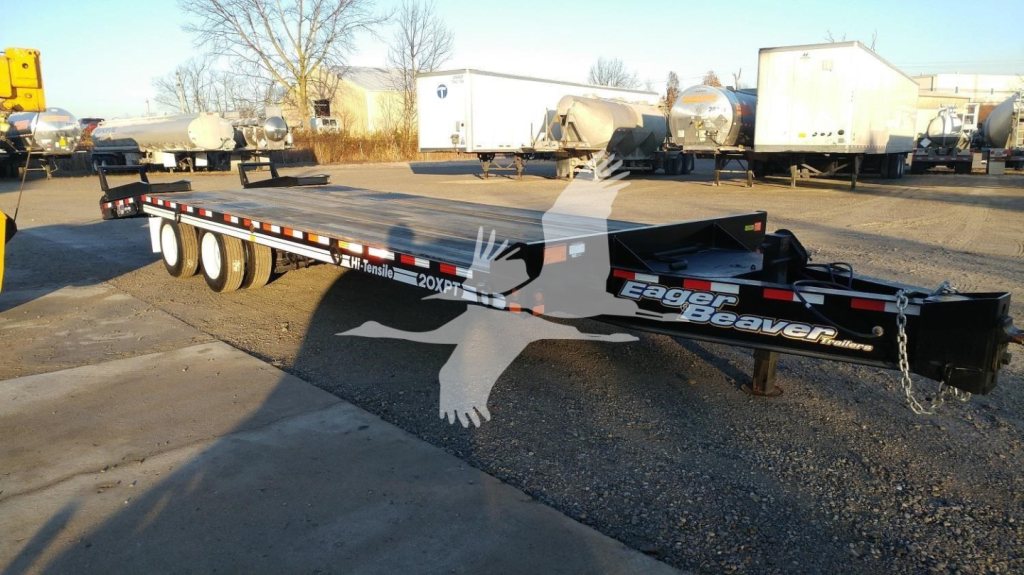
Selling a 2026 eager beaver tag trailer? List your 2026 eager beaver tag trailer for sale and reach thousands of commercial buyers.
2026 Eager Beaver Tag Trailers
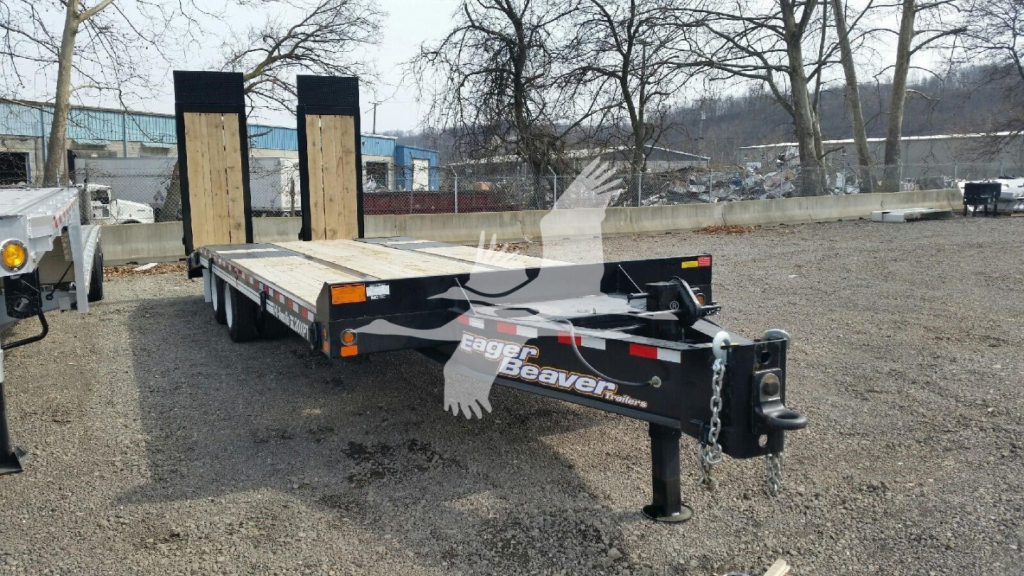
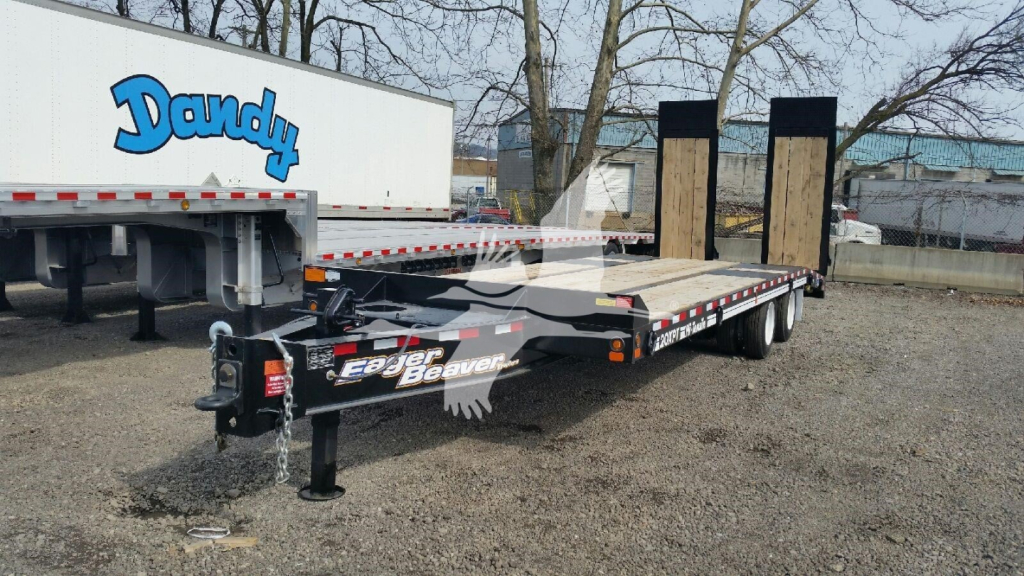
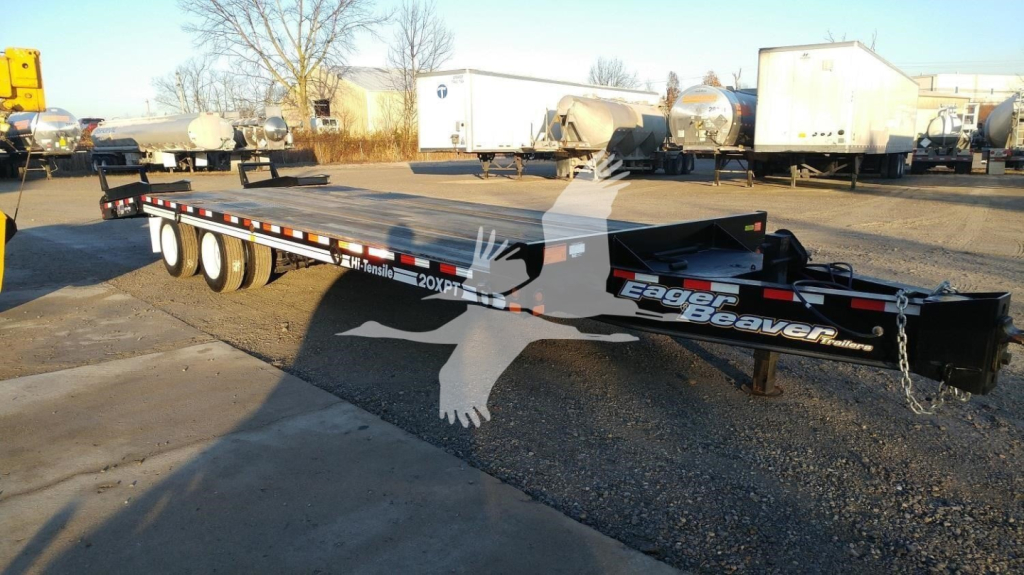
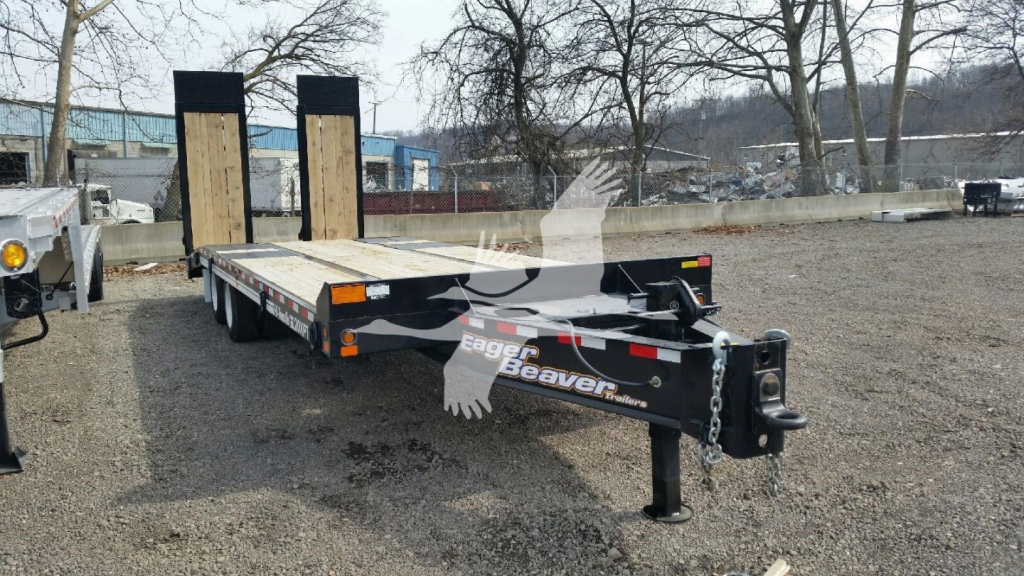
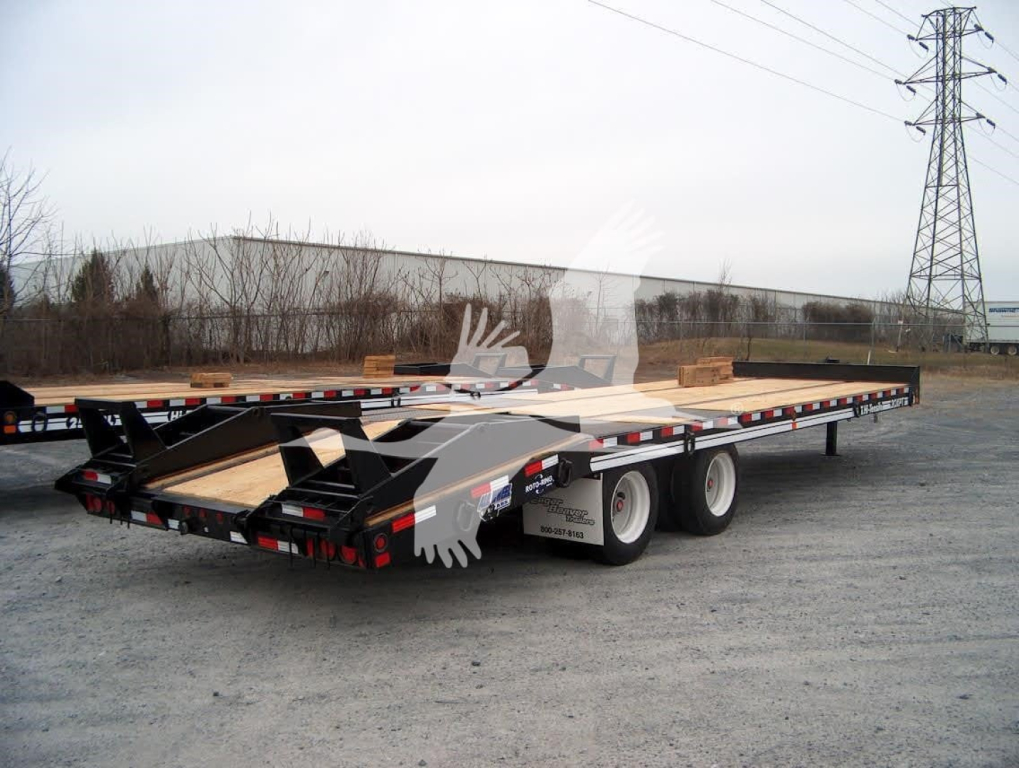
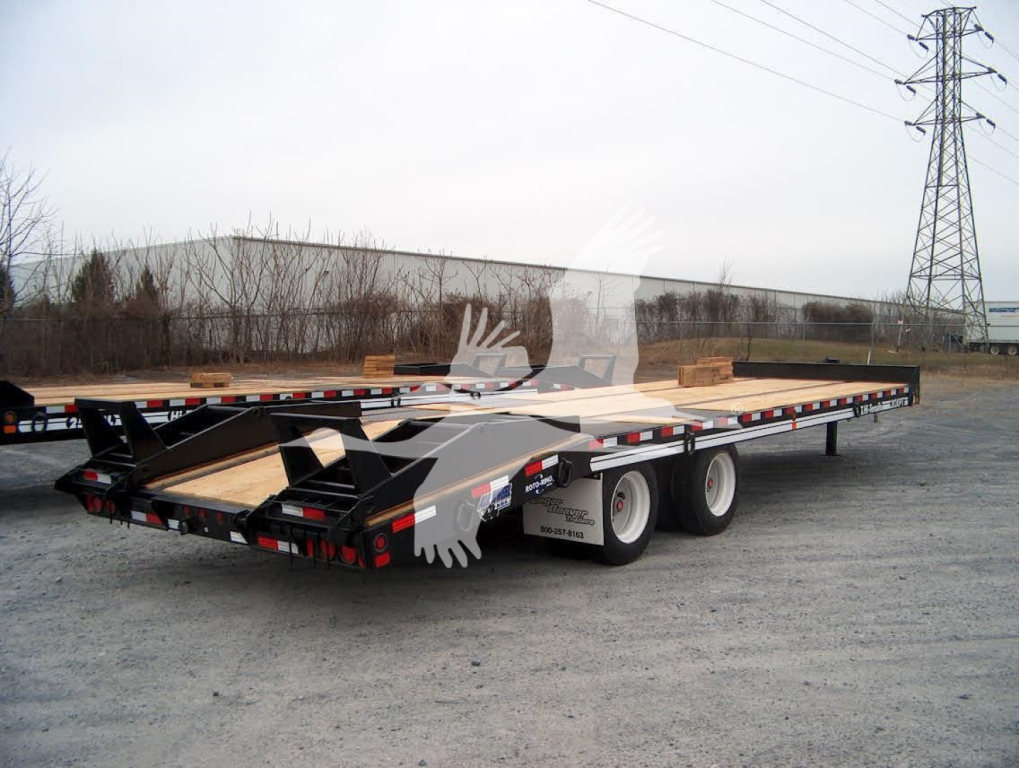
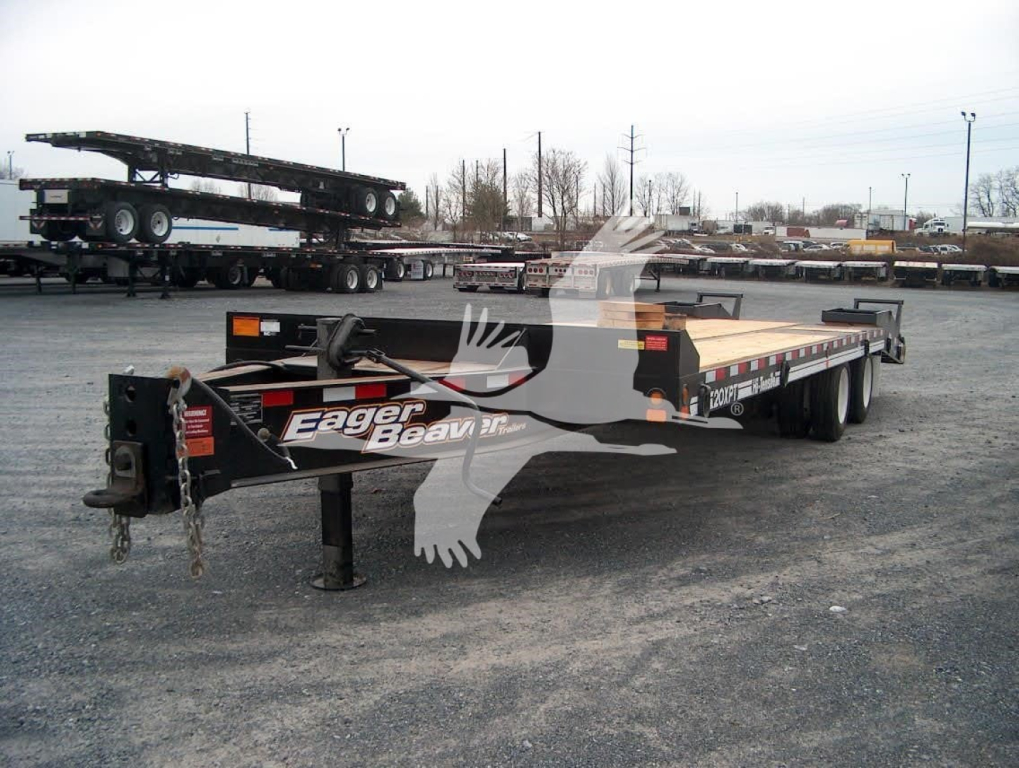
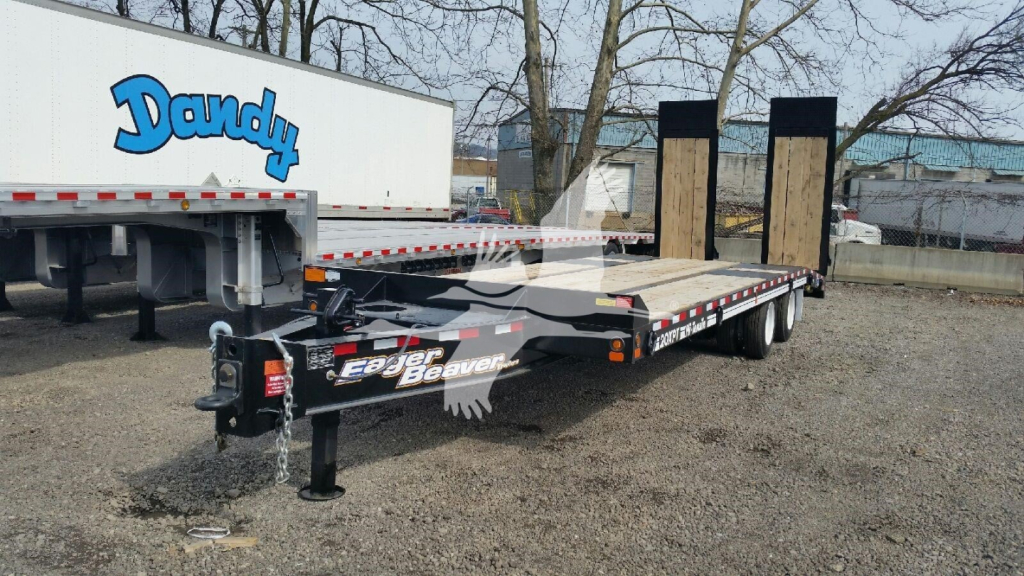
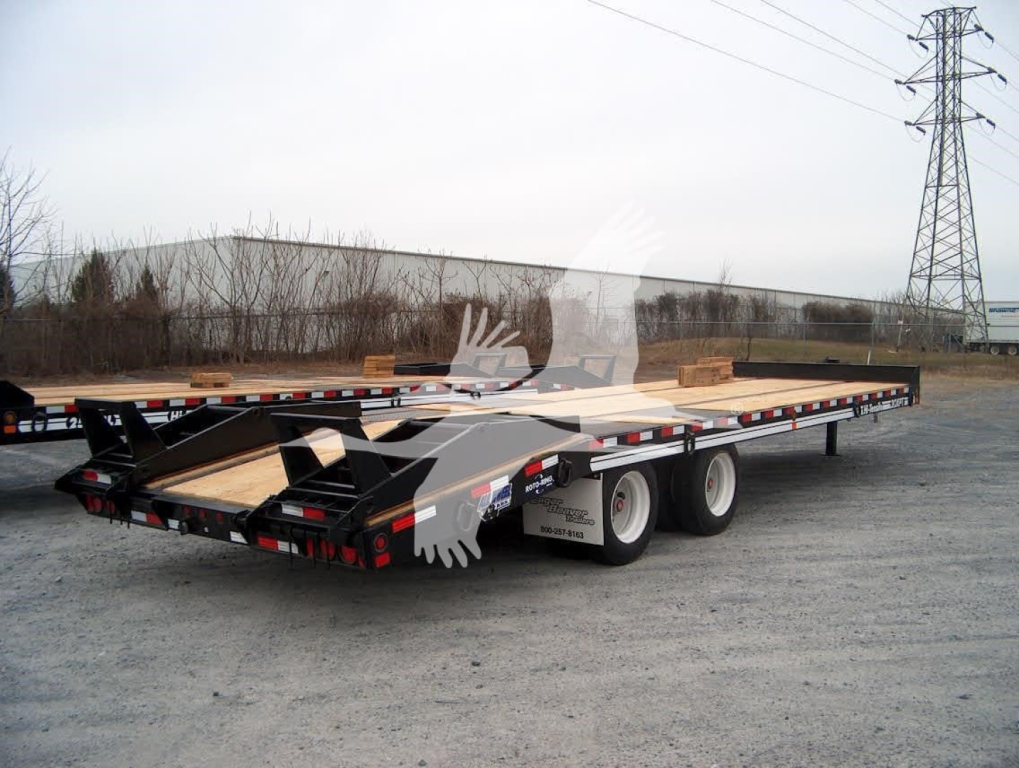
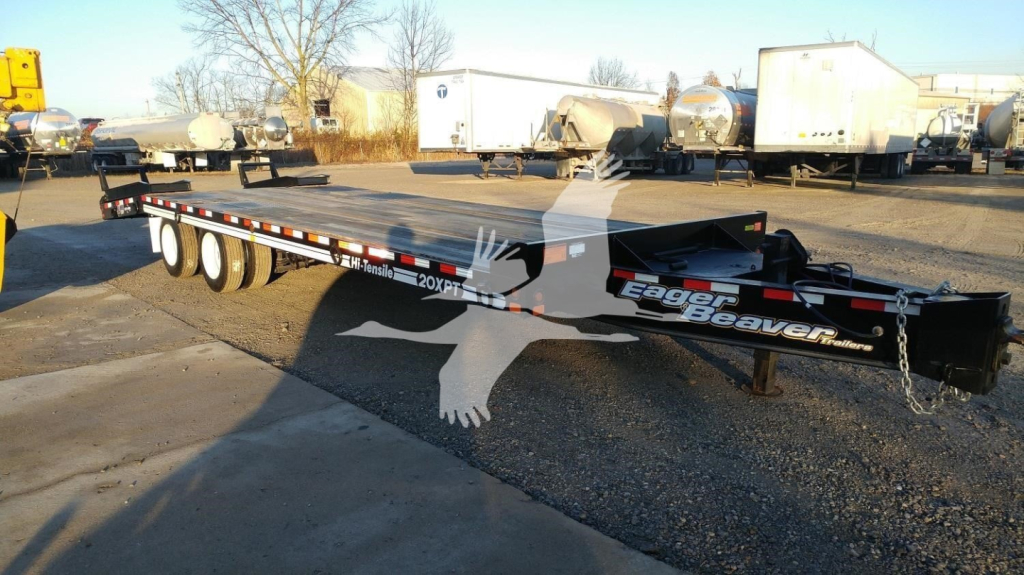
A lot of the buying decision comes down to how the trailer loads in real field conditions. Common setups include a 21-foot to 24-foot flat deck, a 6-foot beavertail with about an 8-degree load angle, and either hydraulic wood-filled ramps or heavy angle-iron ramps. Hydraulic ramps save time and reduce manual handling, especially for crews loading several times a day. Mechanical ramps can still make sense for simpler duty cycles and lower maintenance preference. Apitong flooring is a strong feature in this class because it holds up well under steel tracks and repeated equipment loading, and full-width steel bulkheads, side rails, and multiple pairs of D-rings matter for securement flexibility.
On the chassis side, Eager Beaver tag trailers in this range are typically spring ride with Hutchens suspensions, 215/75R17.5 tires, steel wheels, ABS, and spring brakes on all axles. Buyers will also notice adjustable pintle hook height ranges, lockable drawbar storage, and either single-leg or two-speed landing gear depending on trailer size. A 20 ton tag trailer often uses a tandem axle layout for lighter overall empty weight and simpler operation, while a 25 ton model may add a third axle or lift axle to better distribute payload and improve legal carrying capacity. That difference matters if the trailer will regularly move denser machines with attachments, buckets, hammers, or full fuel loads.
For a buyer comparing listings, the practical questions are payload match, truck compatibility, and loading style. Confirm the trailer’s empty weight, usable deck space, ramp width, and hitch height adjustment against the truck that will pull it and the equipment that will ride on it. Also consider brake configuration, axle spread, and local bridge-law or registration requirements if the trailer will run across state lines. Eager Beaver tag trailers have a long-standing reputation in construction and rental fleets because they are straightforward, durable equipment haulers with the specs most operators actually need on a daily job cycle.
Frequently Asked Questions about 2026 Eager Beaver Tag Trailers
What is a tag trailer used for?
A tag trailer, also called a tag-along trailer, is used to haul equipment behind a truck with a pintle hitch connection. In construction, paving, utility, and rental fleet work, tag trailers commonly carry skid steers, compact excavators, rollers, backhoes, and other machines that need fast loading and unloading at multiple job sites. They are popular because they are simpler and more maneuverable than many detachable gooseneck or lowboy setups for lighter heavy equipment applications.
What capacity range is common for an Eager Beaver tag trailer?
A common range in this category is 20 ton to 25 ton, which fits a wide band of contractor-owned equipment. The right rating depends on the actual operating weight of the machine, plus attachments, fuel, and any accessories left on during transport. Buyers should compare the trailer’s GVWR, empty weight, axle configuration, and legal payload in the states where it will run, rather than relying on the ton rating alone.
Are hydraulic ramps better than mechanical ramps on a tag trailer?
Hydraulic ramps are usually the better choice for fleets that load frequently, handle multiple operators, or move heavier machines with more demanding approach angles. They reduce setup time and manual effort, and wood-filled hydraulic ramps can give better traction and support. Mechanical or angle-iron ramps can still be a solid option for lower-volume users who want a simpler system with fewer hydraulic components to service. The best choice depends on loading frequency, operator preference, and equipment type.
Why does deck height matter on a tag trailer?
Deck height affects loading angle, overall loaded height, and stability. A lower deck height helps reduce the breakover point when loading tracked or low-clearance equipment, and it can help keep the machine lower during transport. On tag trailers in this class, a deck height around 34 inches is common because it balances ground clearance, structural design, and practical loading performance. Buyers hauling taller equipment should also calculate total transport height to avoid clearance problems.
What should I check when matching a tag trailer to my truck?
Start with hitch type, adjustable pintle height range, brake compatibility, and the truck’s rated towing and braking capacity. Then check trailer GVWR, axle count, deck length, and tongue setup against the equipment being hauled. It is also important to confirm that the truck’s wheelbase, suspension, and rear axle ratings are suitable for the trailer’s tongue weight and intended duty cycle. A good match is not just about pulling power. It is about safe braking, balanced loading, and legal operation.