
2026 Eager Beaver Tag Trailers For Sale in Pennsylvania
Shop 2026 Eager Beaver tag trailers in Pennsylvania. Compare 20-ton and 25-ton pintle trailers built for equipment, paving, and construction hauling.
Selling a 2026 eager beaver tag trailer? List your 2026 eager beaver tag trailer for sale and reach thousands of commercial buyers.
2026 Eager Beaver Tag Trailers in Pennsylvania
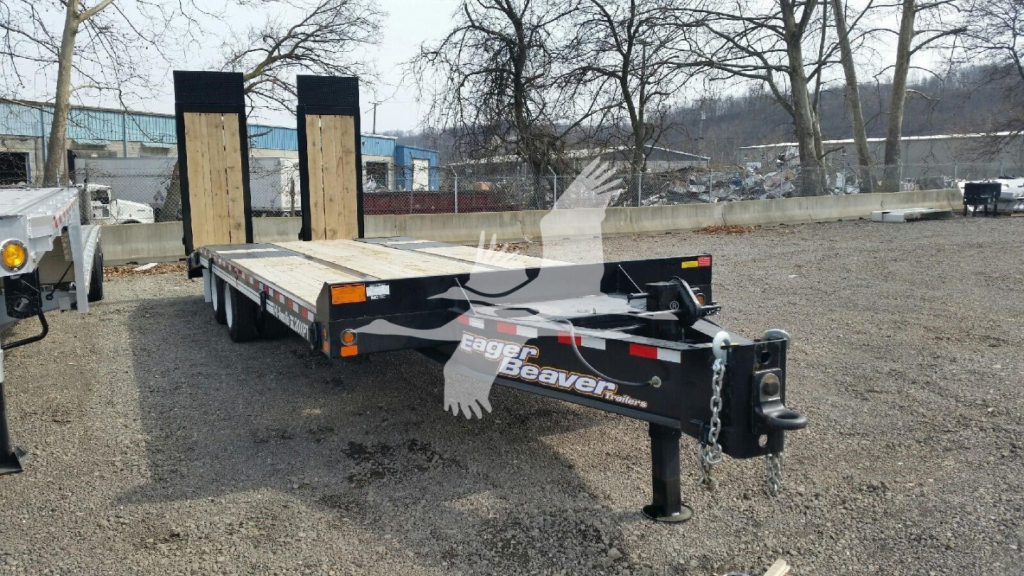
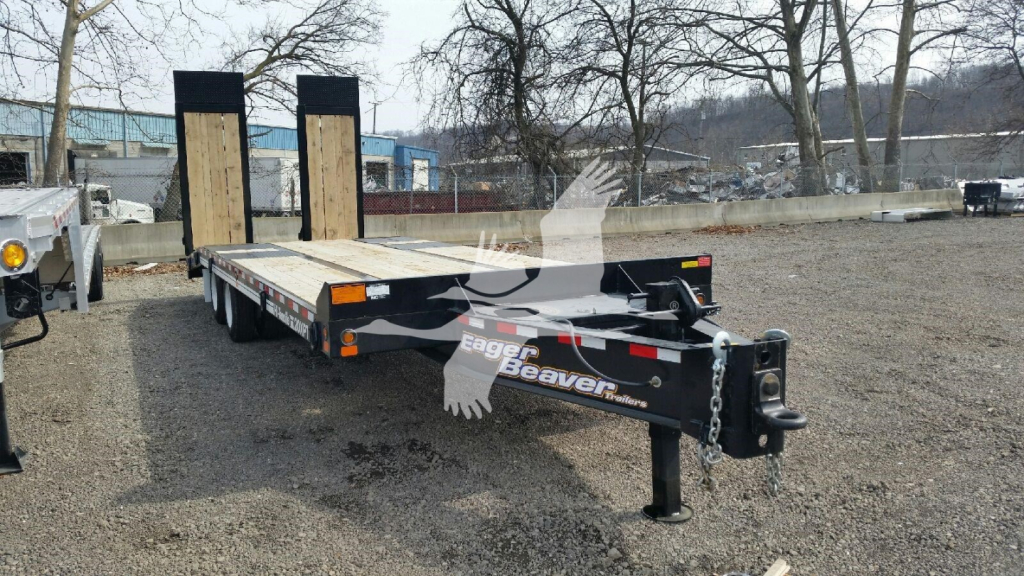
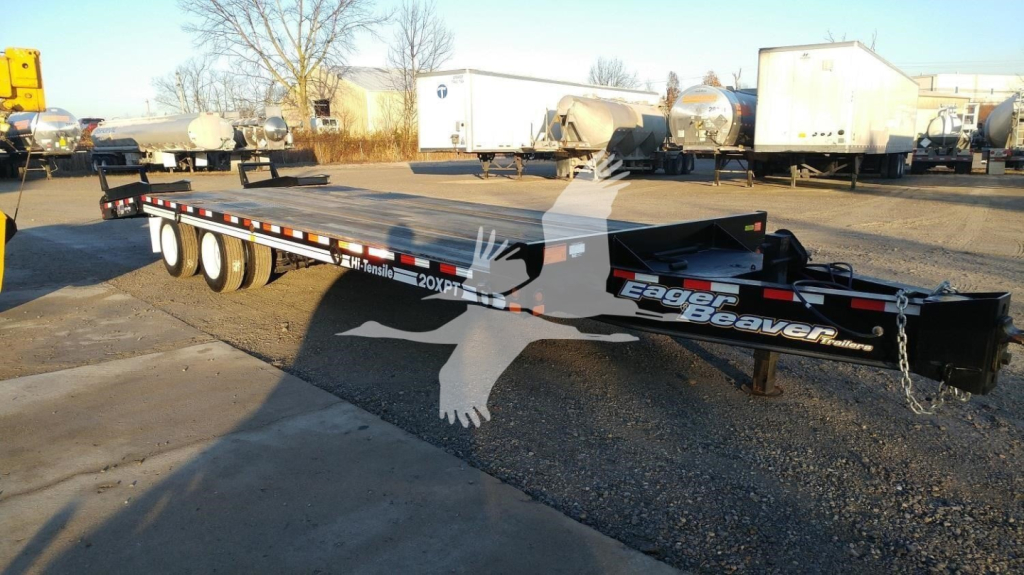
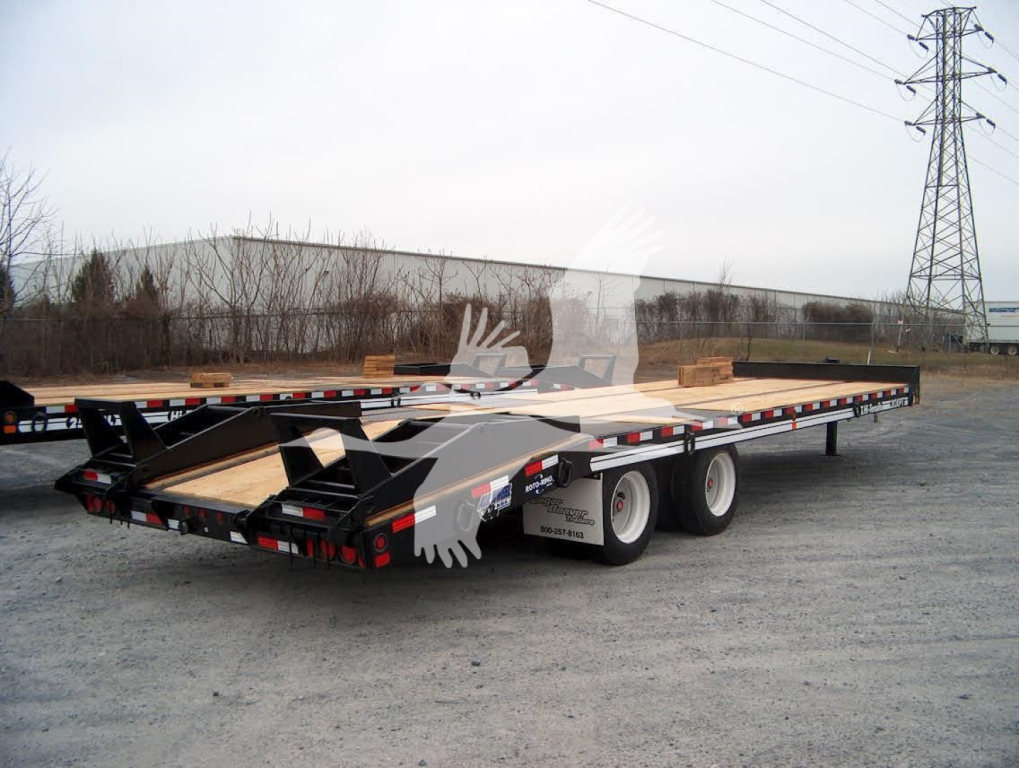
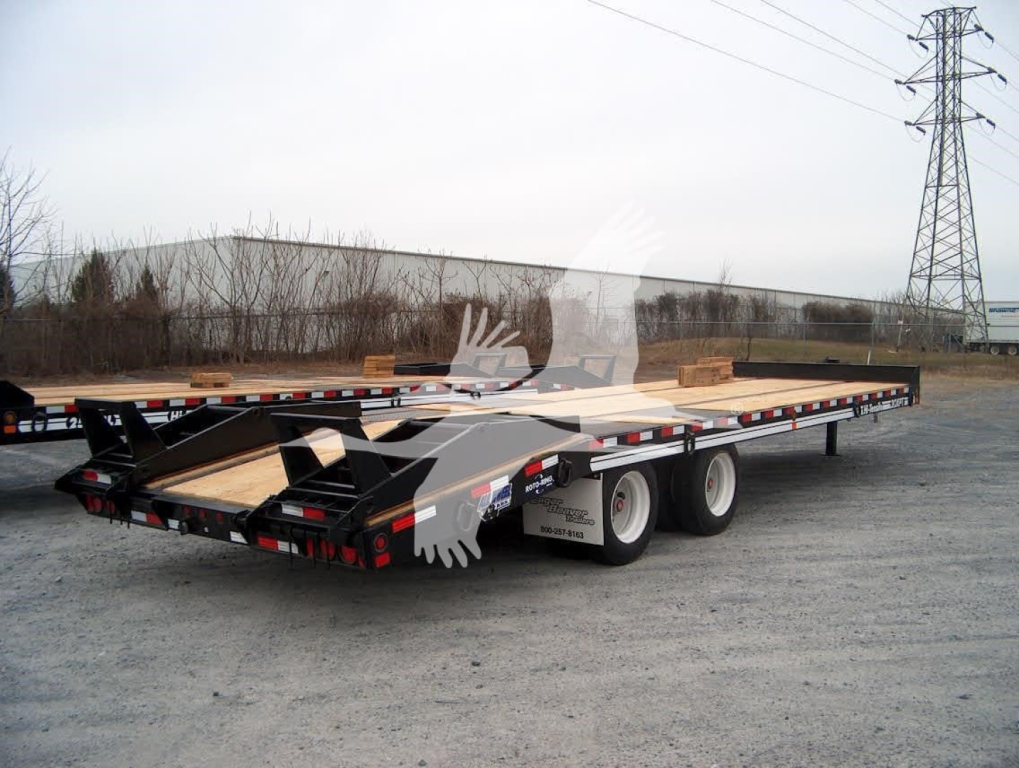
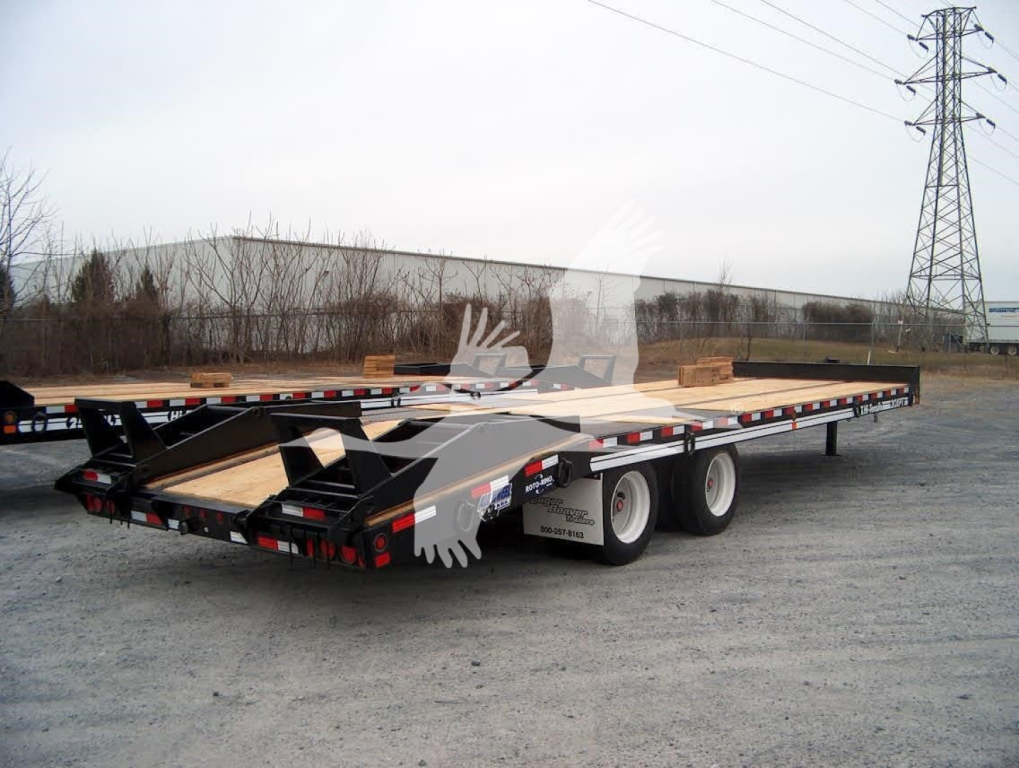
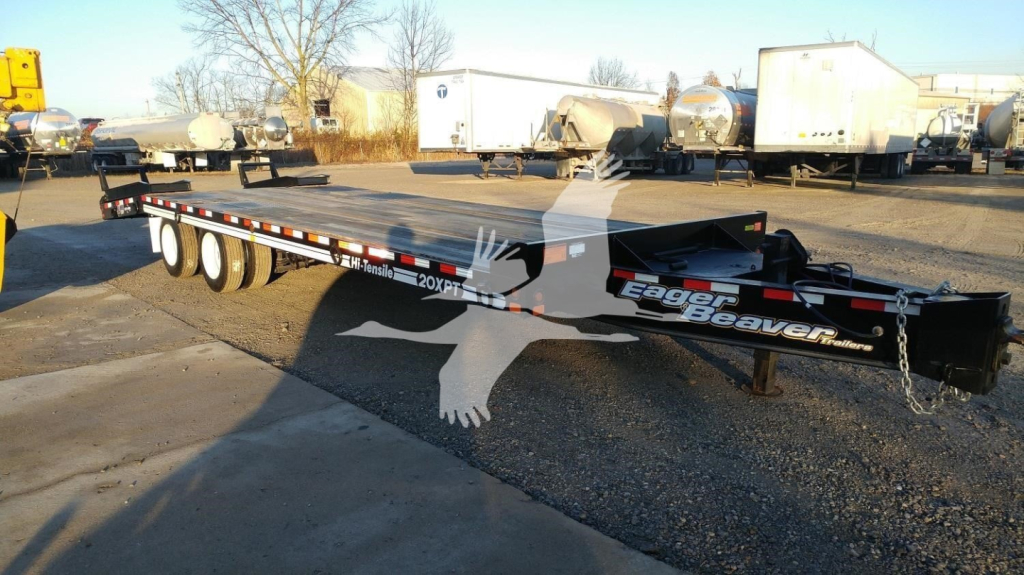
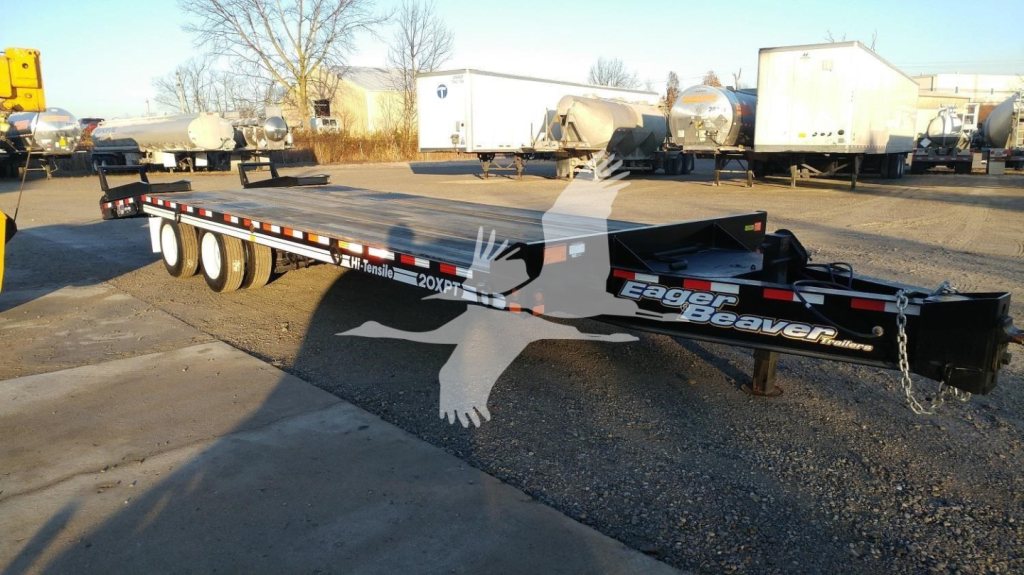
A few specs drive most buying decisions on an Eager Beaver tag. Main deck length is commonly around 21 to 24 feet with a 6-foot beavertail, which gives operators enough usable space for a wide range of iron without moving up to a larger detachable trailer. Deck height around 34 inches helps keep the center of gravity manageable while still allowing good ground clearance. Many trailers in this class use hydraulic, wood-filled ramps in the 7-foot range, although fixed angle-iron ramps also appear on some 25-ton models. Buyers hauling low-clearance equipment should pay close attention to the beavertail angle, ramp length, and transition point from deck to tail, because those details affect real-world loading more than published capacity alone.
On the running gear side, Eager Beaver tag trailers in this group typically use tandem or tri-axle spring ride suspension, often with Hutchens suspension components, 215/75R17.5 tires, steel wheels, and spring brakes on all axles. Higher-capacity 25-ton configurations may include a lift axle to improve weight distribution and help when running loaded versus empty. ABS configuration, brake condition, and axle setup should be reviewed carefully, especially for buyers operating across Pennsylvania and neighboring states where road conditions, bridge formulas, and jobsite access can vary widely. An adjustable pintle eye height is another important feature because matching trailer drawbar height to the truck reduces bounce, improves braking feel, and cuts wear on the hitch and suspension.
Construction details matter on used and new tag trailers alike. Look for hardwood apitong flooring or mixed wood deck construction, full-width steel bulkheads, multiple pairs of D-rings, steel side rails, lockable front tool storage, and landing gear suited to how often the trailer is dropped. Eager Beaver tag trailers are commonly used by paving crews, utility contractors, rental fleets, municipalities, and sitework outfits that need a simple heavy equipment trailer without stepping into a lowboy. If your freight mix includes machines with attachments, uneven weight distribution, or frequent loading on unimproved surfaces, focus on deck length behind the bulkhead, tie-down placement, ramp style, and axle spread before comparing price. Those are the specs that usually decide whether a tag trailer works every day or becomes a compromise.
Frequently Asked Questions about 2026 Eager Beaver Tag Trailers in Pennsylvania
What is an Eager Beaver tag trailer used for?
An Eager Beaver tag trailer is a pintle hitch equipment trailer used to haul construction and support equipment behind a tandem or tri-axle truck. Common loads include skid steers, mini excavators, compact wheel loaders, rollers, pavers, trenchers, and attachments. This trailer type is popular with contractors who need heavy-duty hauling capacity and faster maneuverability than a larger detachable lowboy.
What capacity range is common for Eager Beaver tag trailers?
A common range in this category is 20-ton to 25-ton, which covers a broad mix of compact and mid-size equipment. Capacity should always be evaluated alongside deck length, axle count, trailer weight, and local bridge and registration requirements. A 25-ton trailer may offer more flexibility for heavier machines, but the best choice depends on your truck, your routing, and the actual operating weight of the equipment you move most often.
Are hydraulic ramps better than fixed ramps on a tag trailer?
Hydraulic ramps are often preferred when the trailer is loaded and unloaded frequently because they reduce manual effort and speed up jobsite operation. They can also improve consistency when loading heavier machines. Fixed angle-iron ramps are simpler and may cost less, but they can be less convenient for crews making multiple moves per day. The better option depends on loading frequency, operator preference, and the type of equipment being hauled.
Why do deck height and beavertail angle matter on a tag trailer?
Deck height and beavertail angle directly affect load angle, machine clearance, and overall trailer stability. A lower deck and a moderate beavertail angle help reduce the chance of bottoming out when loading equipment with low ground clearance or long wheelbases. These dimensions also influence center of gravity during transport, which matters for braking, cornering, and overall road manners.
What should buyers inspect first on a tag trailer?
Start with the frame, crossmembers, suspension, brakes, tire condition, ramp operation, deck condition, and pintle connection area. On equipment trailers, heavy loading cycles put real stress on the rear transition, beavertail, and ramp hinges, so those areas deserve close attention. Buyers should also verify tie-down layout, landing gear function, ABS compliance, and whether the axle configuration matches the weights they expect to carry.