
2025 Tag Trailers For Sale
Browse 2025 tag trailers for hauling equipment, skid steers, and compact machines with pintle hitches, beavertails, ramps, and heavy-duty deck options.
Selling a 2025 tag trailer? List your 2025 tag trailer for sale and reach thousands of commercial buyers.
2025 Tag Trailers
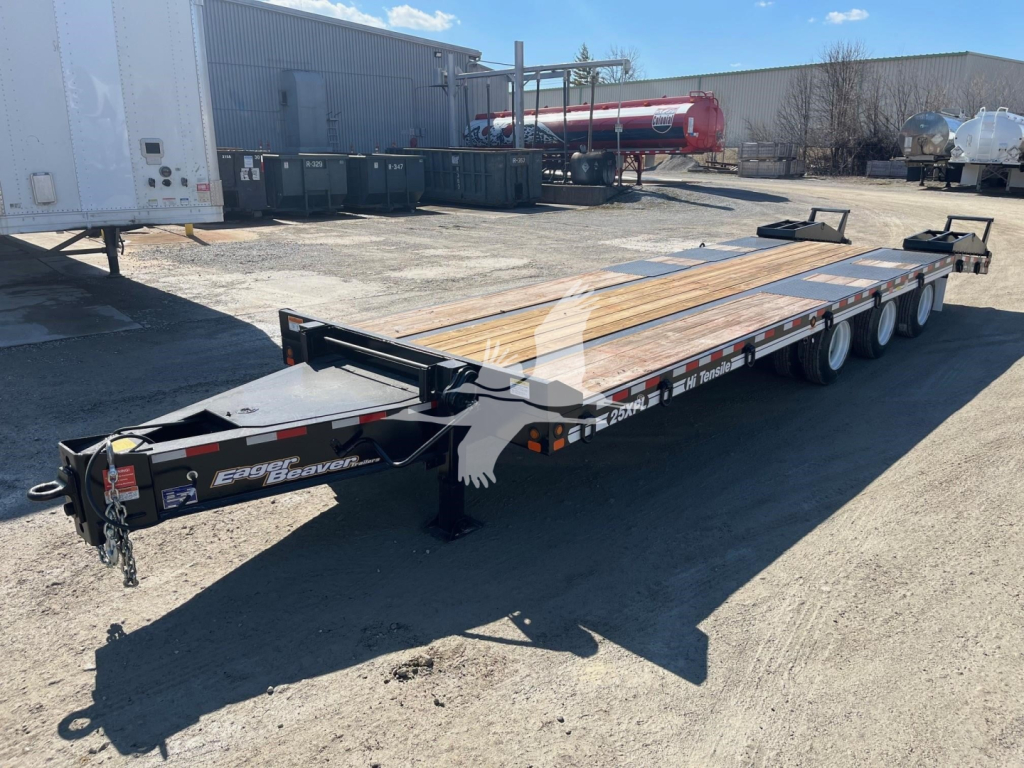
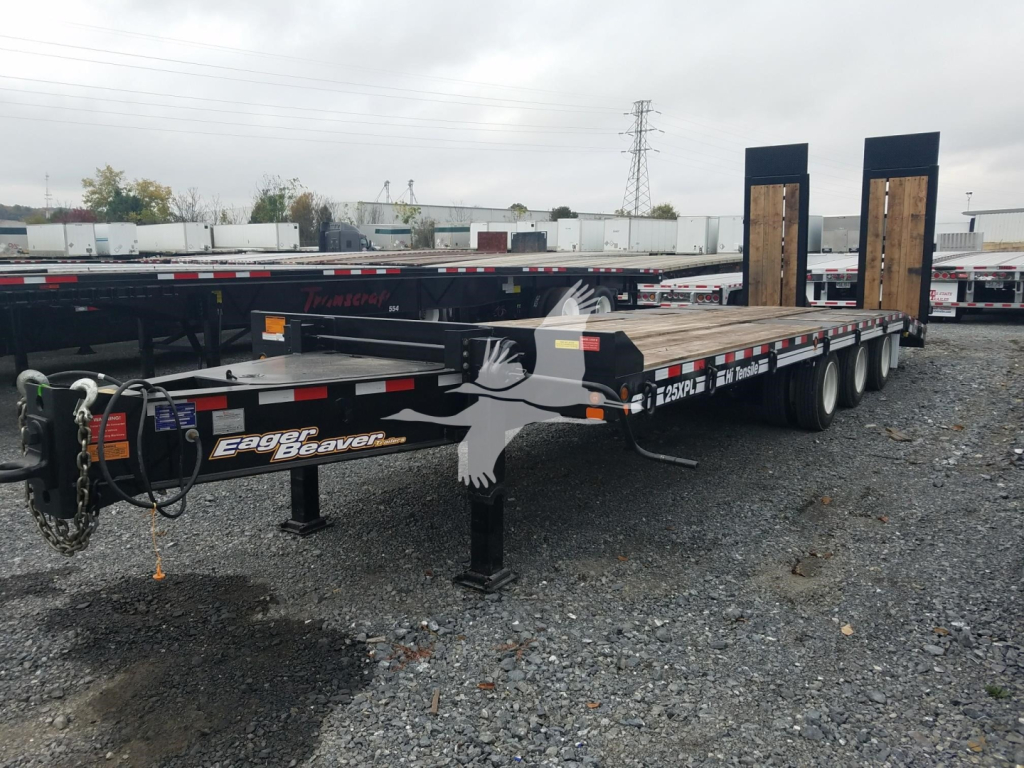
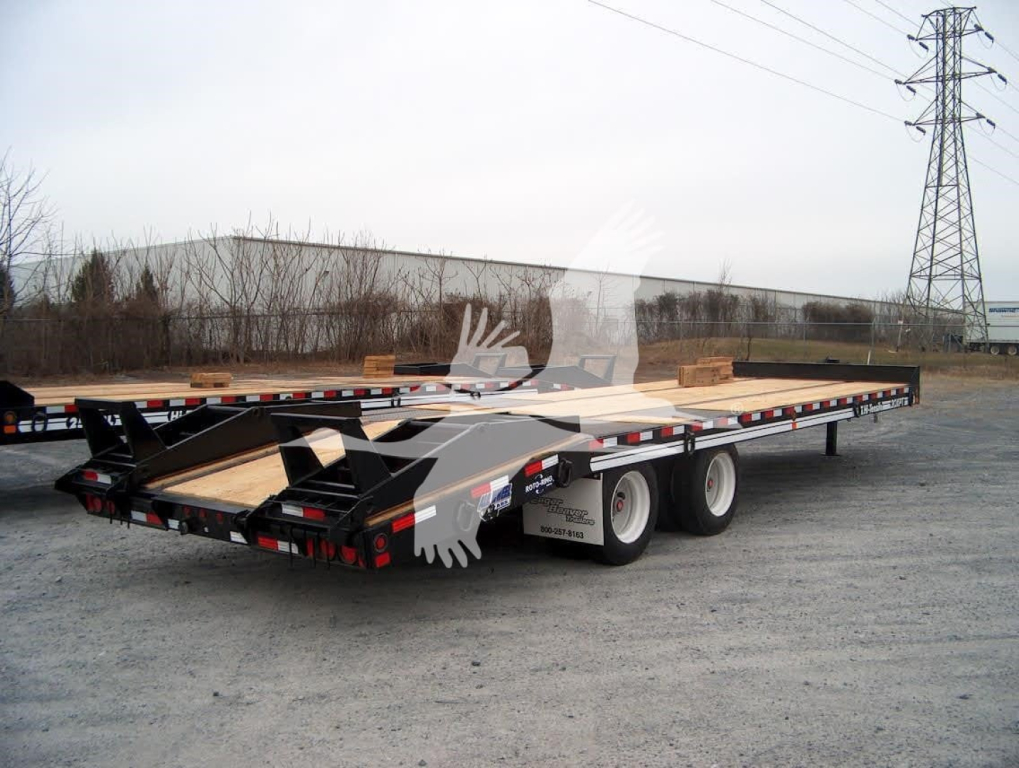
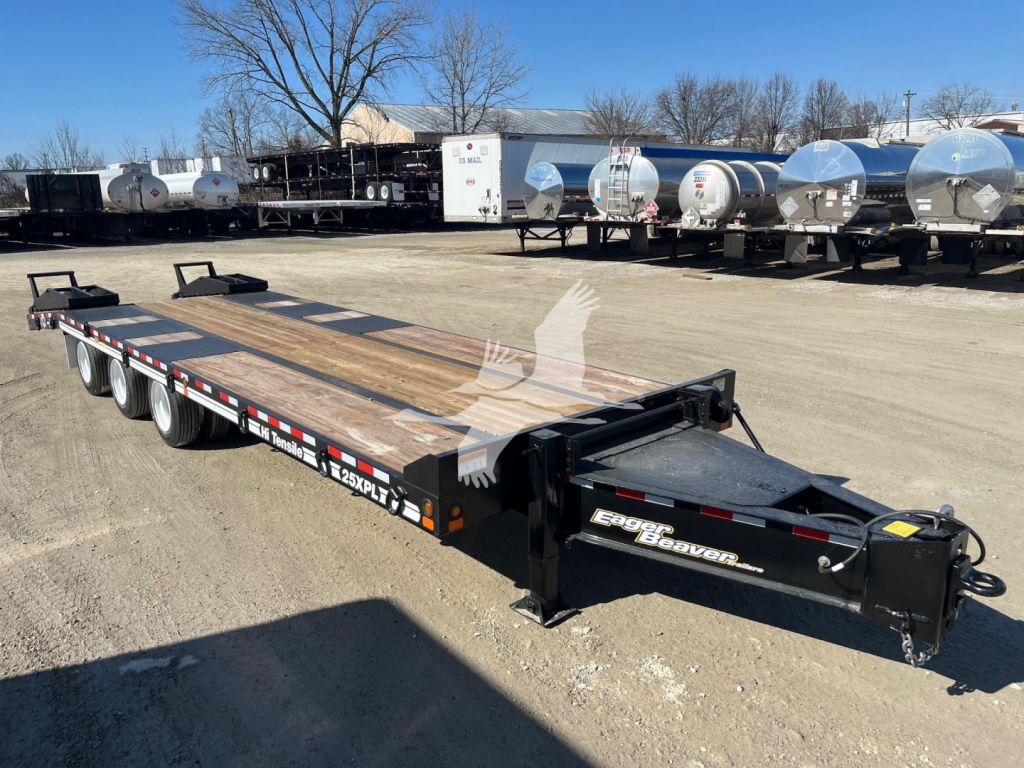
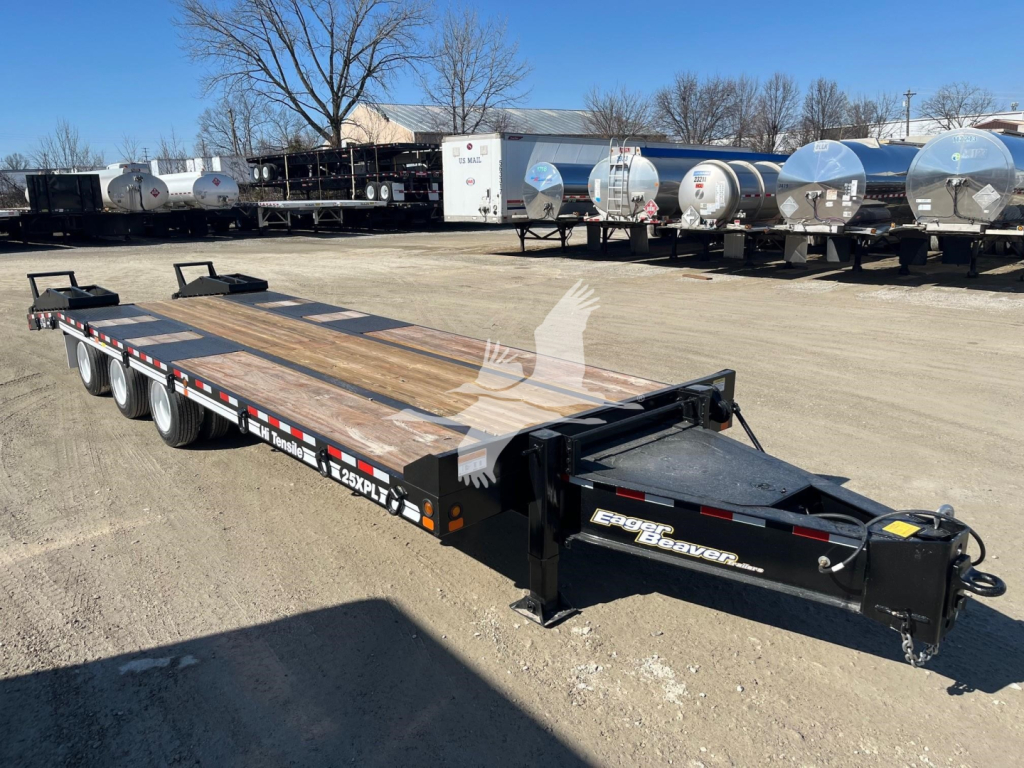
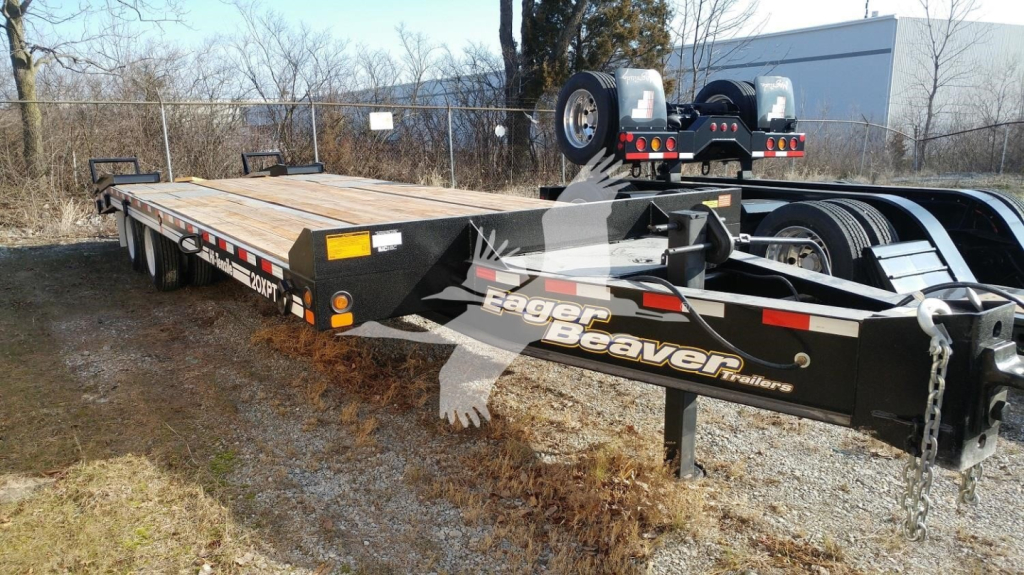
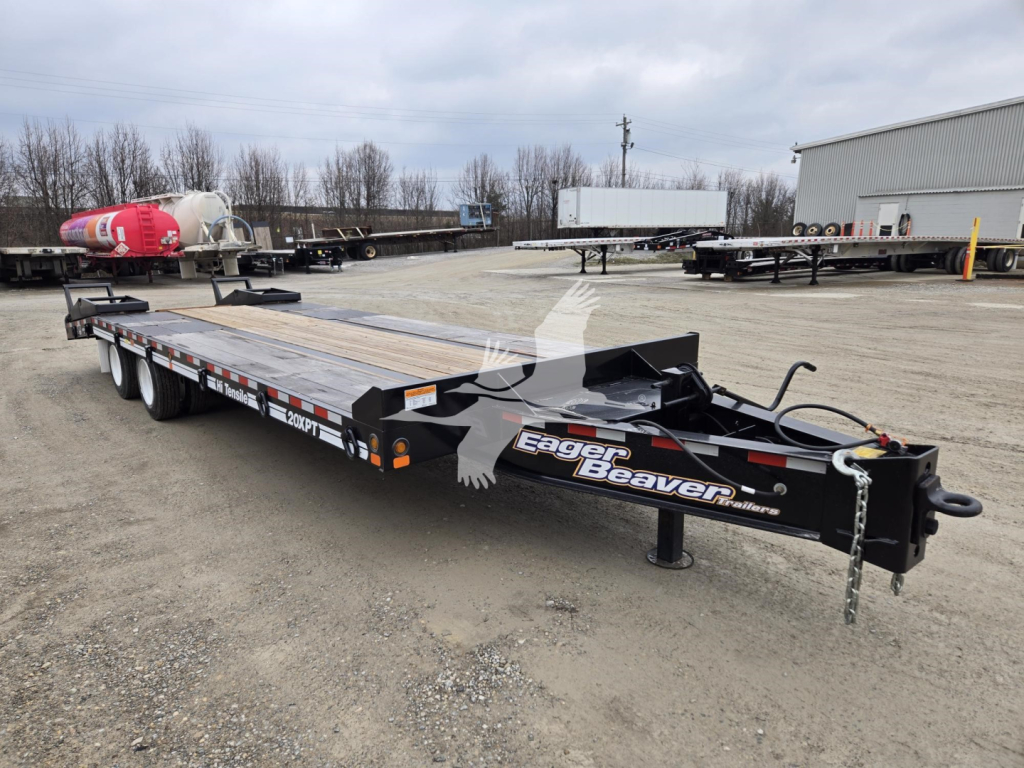
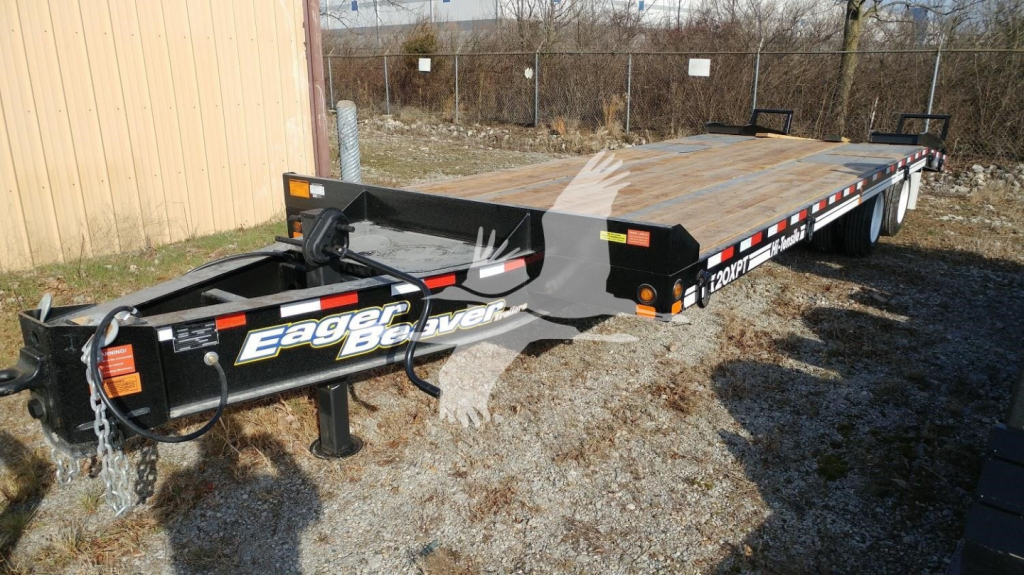
In the current market, many 2025 tag trailers are configured in the 10-ton to 25-ton range, with heavier units using tri-axle layouts and lower-capacity models often set up as tandem axle equipment trailers. Common construction details include a full-width bulkhead, steel side rails, wood decking such as apitong or pine, and integrated D-rings for chaining down compact excavators, skid steers, rollers, small dozers, and attachments. A beavertail is standard on many tag trailers because it reduces the loading angle, and ramp choice matters more than many first-time buyers expect. Angle iron ramps are simple and durable, while hydraulic or wood-filled ramps can improve loading for rubber-tired equipment, lower-clearance machines, and frequent daily use.
Suspension and running gear deserve close attention on a 2025 tag trailer, especially if the trailer will see mixed jobsite and highway service. Spring ride remains common because it is proven, serviceable, and cost-effective, while air-assist or lift axle configurations can add flexibility on higher-capacity trailers. Tire size, wheel rating, brake setup, ABS compliance, and spring brakes on all axles are practical spec points that affect uptime and legal operation. Buyers should also confirm loaded deck height, overall length, width, adjustable pintle height range, and storage features such as lockable toolboxes in the drawbar area. Those details influence tractor compatibility, ease of hookup, and how well the trailer fits your daily routing and permit needs.
For many operations, the right tag trailer comes down to matching the trailer to the machine fleet rather than simply buying the highest ton rating available. A 25-ton tag may offer a 24-foot main deck, a 6-foot beavertail, 102-inch legal width, and a lower deck profile that suits heavier compact equipment and asphalt support machines. Smaller tag trailers may be better for occasional hauling, lighter compact equipment, and crews working with tighter storage or lower acquisition costs. When comparing 2025 tag trailers for sale, pay attention to ramp capacity, deck material, tie-down layout, axle configuration, and hitch adjustability, because those are the specs that most directly affect productivity, load security, and long-term operating cost.
Frequently Asked Questions about 2025 Tag Trailers
What is a tag trailer used for?
A tag trailer is used to haul equipment behind a truck using a pintle hitch or similar towing setup. It is commonly used for skid steers, mini excavators, compact track loaders, rollers, backhoes, small dozers, and attachments. Tag trailers are popular with contractors and municipalities because they are simpler to load than many higher-deck trailers and are well suited for regional equipment moves between yards, jobsites, and rental locations.
What capacity should I look for in a 2025 tag trailer?
The right capacity depends on the operating weight of the machine, the weight of attachments, fuel, buckets, and any support materials carried on deck. Many buyers shop in ranges such as 10-ton, 20-ton, or 25-ton, but the safest approach is to size the trailer with enough margin for real-world hauling rather than bare machine weight. Axle ratings, tire ratings, ramp ratings, and coupler or pintle capacity should all align with the trailer's intended payload.
Are hydraulic ramps better than fixed or angle iron ramps on a tag trailer?
Hydraulic ramps are often a better fit for fleets that load and unload equipment frequently because they reduce manual handling and can improve loading efficiency. They are especially useful for heavier machines and rubber-tired equipment that benefits from a broader, more supportive ramp surface. Angle iron ramps remain a durable and lower-cost option, but they can be less convenient in daily service and may not suit every machine or attachment combination as well.
What specifications matter most when comparing tag trailers?
The most important specs are capacity, deck length, deck height, beavertail length and angle, ramp type, axle configuration, suspension type, brake system, and pintle height adjustability. Buyers should also look at decking material, tie-down placement, side rail design, and toolbox storage. These details affect loading angle, machine fit, securement options, truck compatibility, maintenance cost, and how efficiently the trailer works in day-to-day operations.
Is a tri-axle tag trailer better than a tandem axle model?
A tri-axle tag trailer is generally better for higher payloads and for distributing weight more effectively on heavier equipment applications. It can provide improved carrying capacity and may include a lift axle setup on some configurations. A tandem axle model is often more economical, lighter, and easier to maintain for lower-capacity work. The better choice depends on the heaviest machine you plan to move, the truck pulling it, and the type of roads and jobsites the trailer will see.