
2025 Tag Trailers For Sale in Ohio
Browse 2025 tag trailers for sale in Ohio. Compare 25-ton equipment trailers with pintle hitches, beavertails, hydraulic ramps, and tri-axle setups.
Selling a 2025 tag trailer? List your 2025 tag trailer for sale and reach thousands of commercial buyers.
2025 Tag Trailers in Ohio
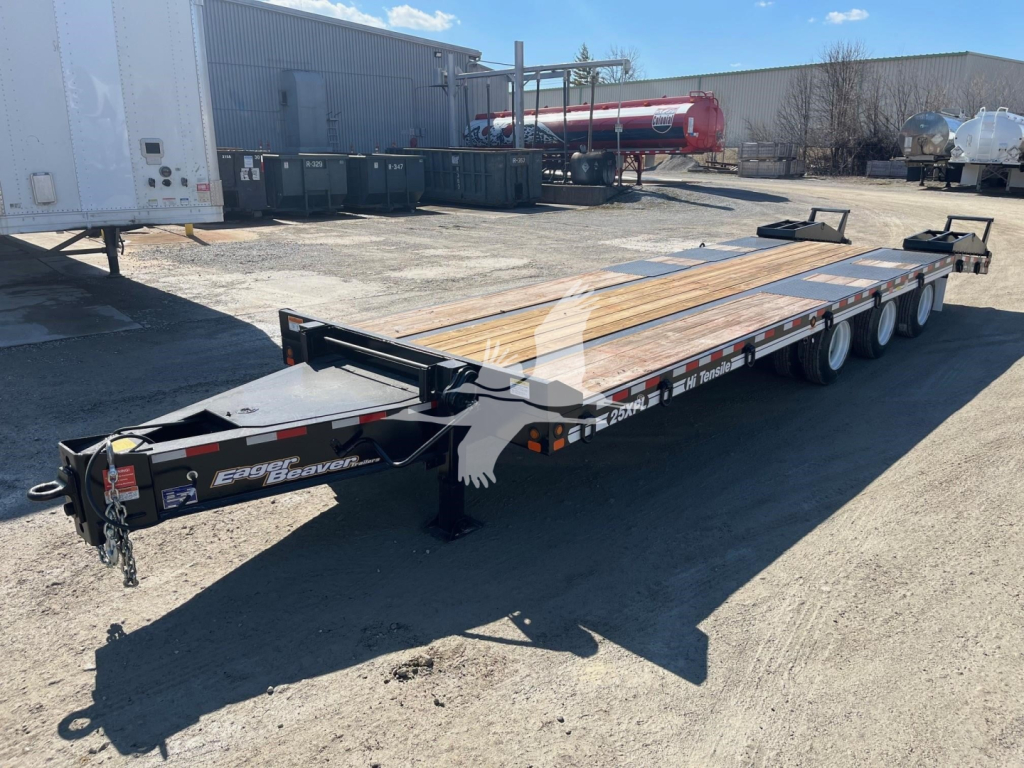
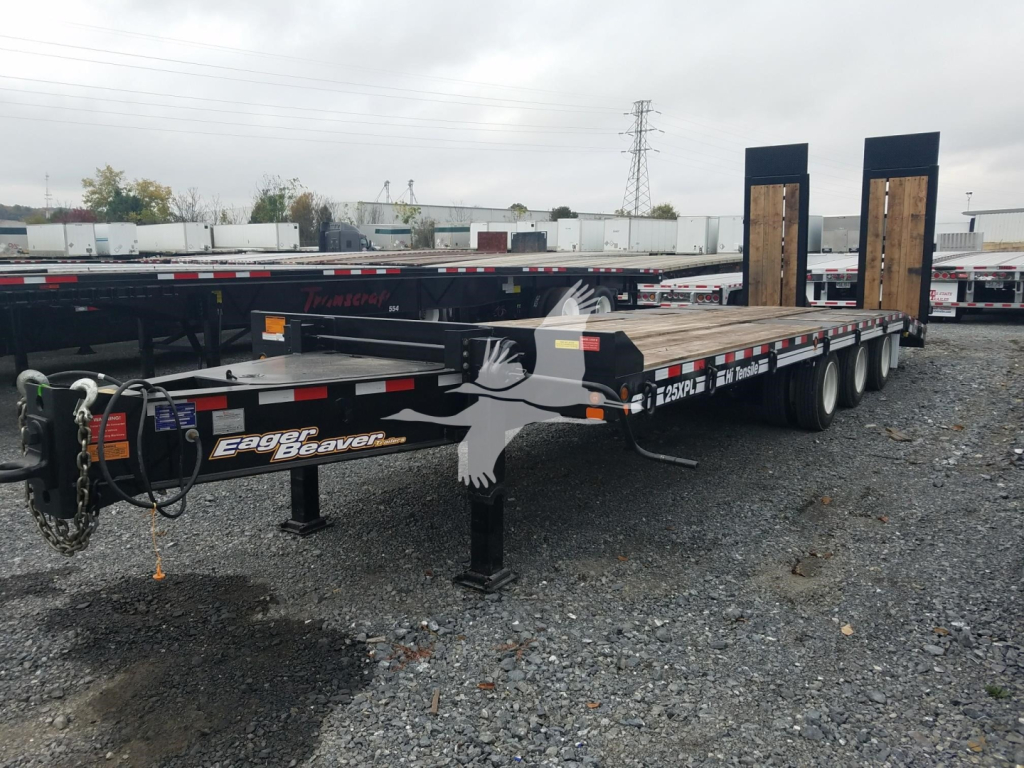
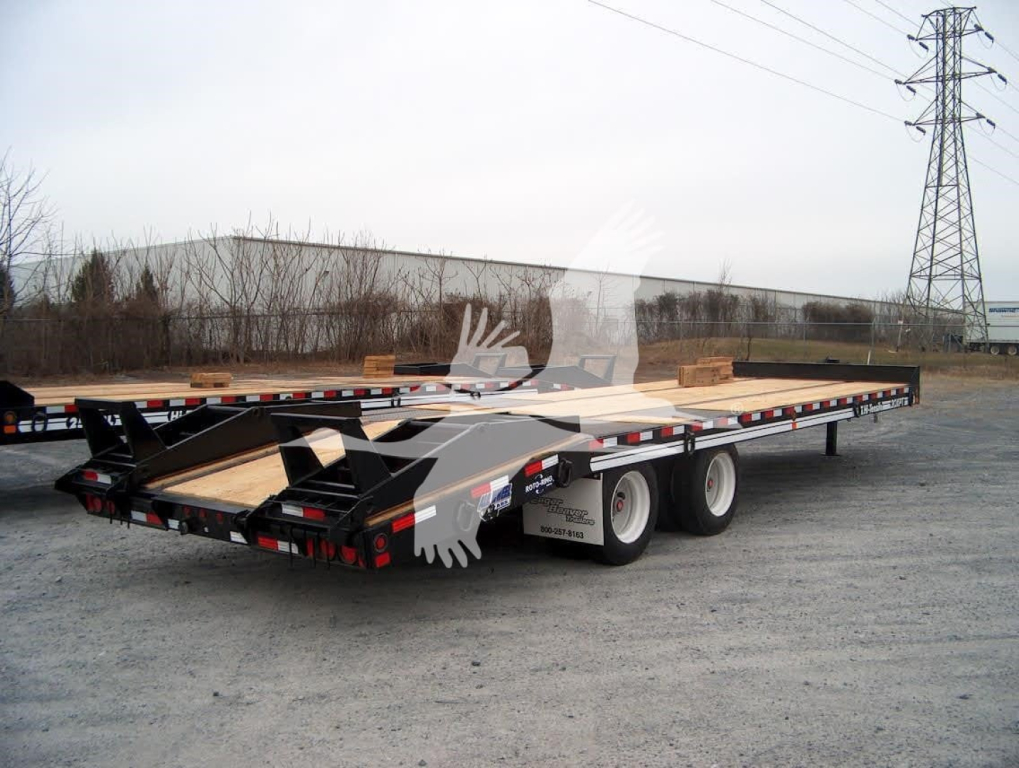
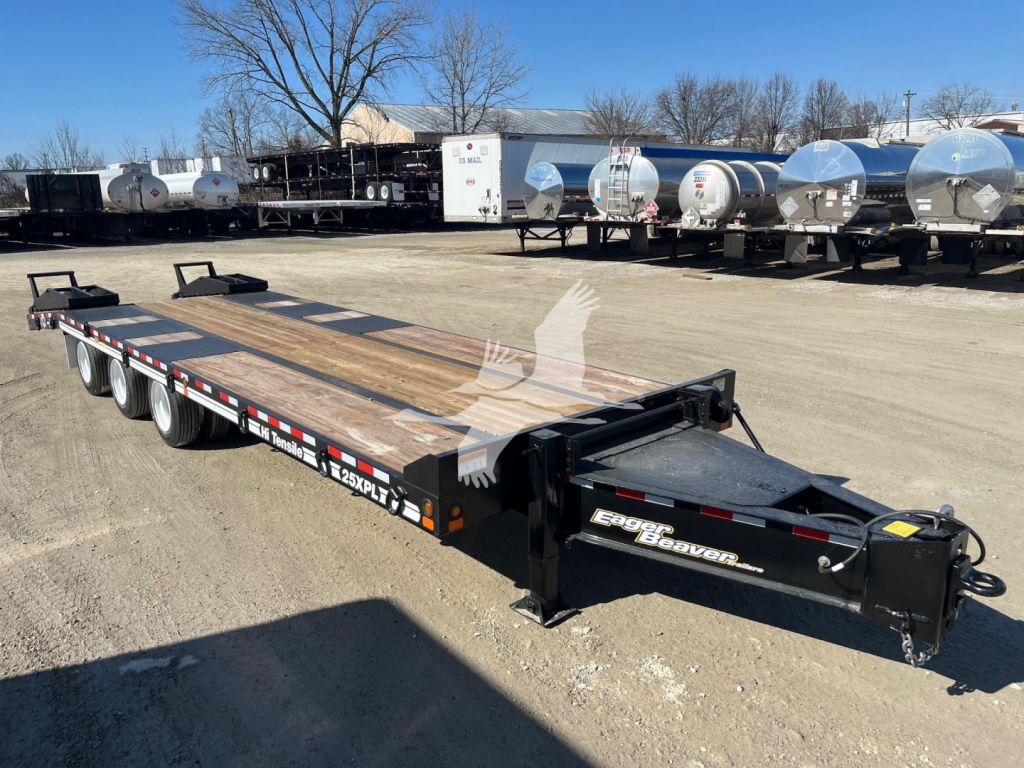
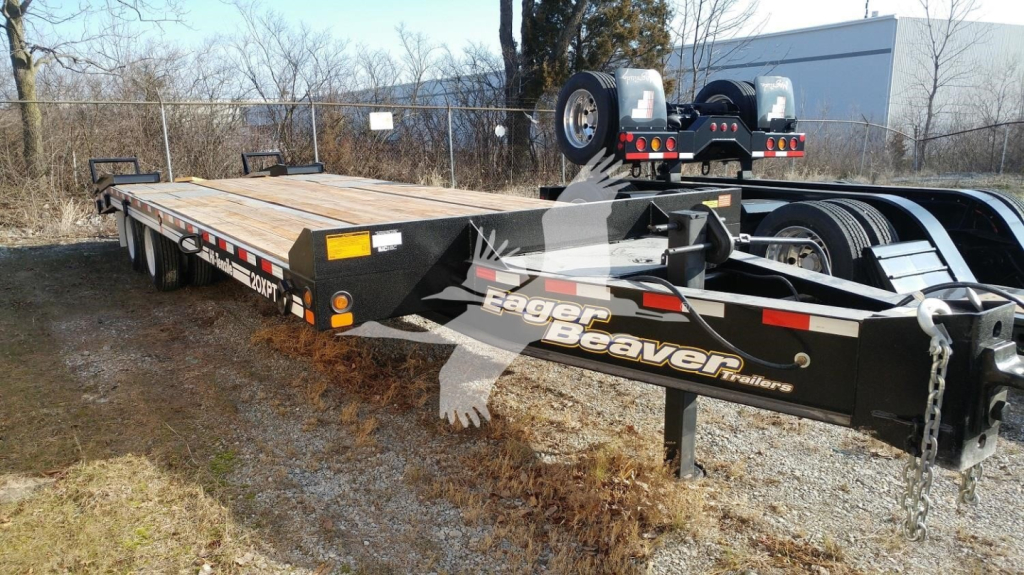
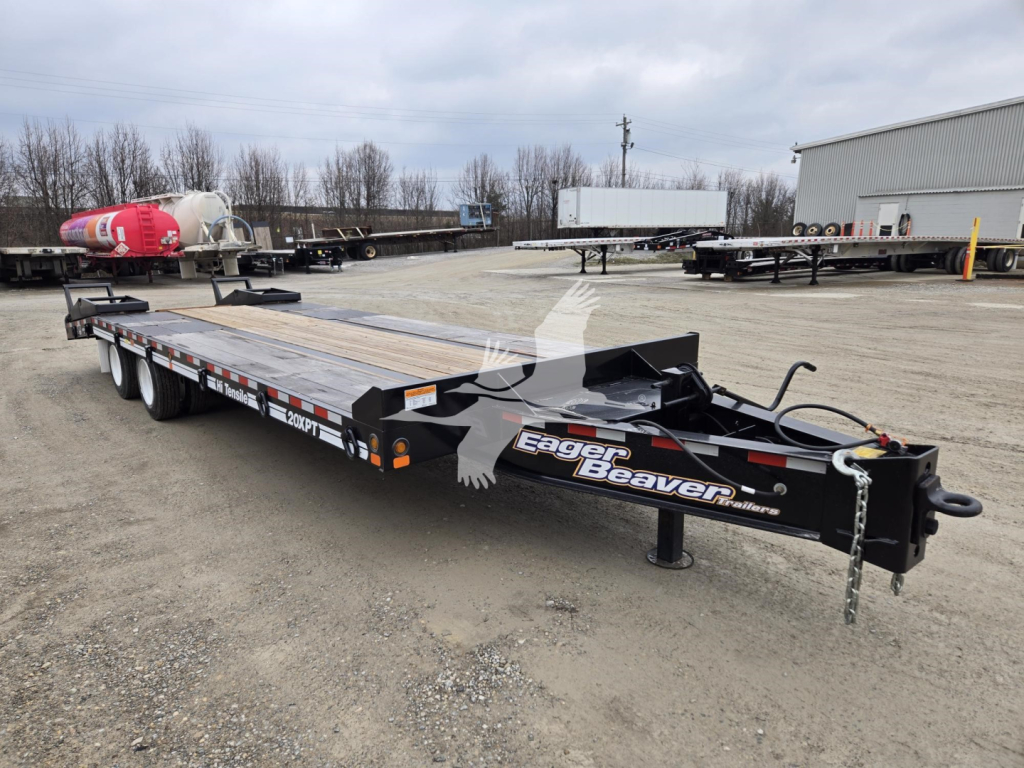
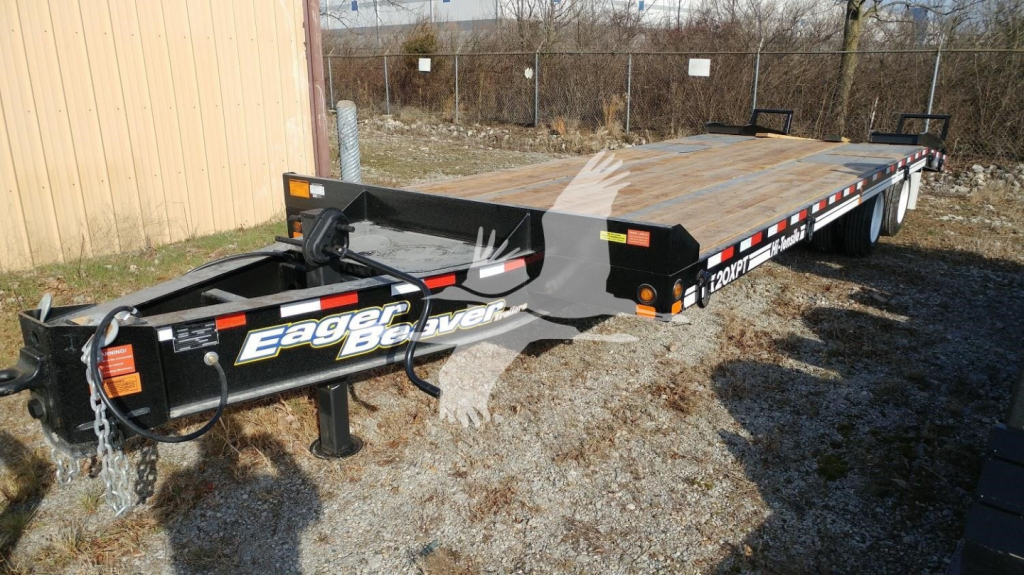
For many buyers, the key decision starts with capacity and deck geometry. A common spec in this segment is a 25-ton tag trailer with a 102-inch overall width, a flat main deck around 24 feet, total length in the upper-30-foot range, and a loaded deck height low enough to keep loading angles manageable. Beavertails in the 6-foot range and ramp options such as hydraulic ramps or angle-iron spring assist ramps directly affect how easily machines with low ground clearance or short track footprints can be loaded. Buyers moving pavers, rollers, compact dozers, or rubber-tired equipment should pay close attention to beavertail angle, ramp length, ramp width, and whether the ramp surface is wood-filled or open angle style.
Tri-axle configurations are common on heavier tag trailers because they improve weight distribution and braking performance while supporting higher GVWR ratings. Spring ride suspensions remain popular for simplicity and cost control, while lift axles can add flexibility when running empty or adjusting axle loading. Standard equipment often includes ABS, spring brakes on all axles, adjustable pintle eyes or pintle hook heights, two-speed landing gear, steel wheels, and commercial tire sizes such as 215/75R17.5. Deck construction matters too. Apitong or mixed hardwood-softwood floors are valued for durability under steel tracks and concentrated point loads, while steel side rails, full-width bulkheads, integrated tie-downs such as multiple D-ring pairs, and lockable drawbar tool storage improve daily usability.
A buyer comparing 2025 tag trailers should look beyond ton rating and focus on how the trailer matches the truck, the cargo, and the routes. Verify empty weight, usable deck length ahead of the beavertail, hitch height range, axle spacing, and state bridge and registration considerations for Ohio operation. Check how often the trailer will carry tracked equipment versus wheeled machines, because that affects floor choice, ramp style, and tie-down layout. The best tag trailer is one that loads safely, tracks straight behind the truck, gives enough deck for your most common machines, and holds up under repeated jobsite loading without becoming maintenance-heavy.
Frequently Asked Questions about 2025 Tag Trailers in Ohio
What is a tag trailer used for?
A tag trailer is used to haul equipment behind a truck using a pintle-style connection rather than a fifth wheel. It is commonly used for skid steers, mini excavators, rollers, compact loaders, forklifts, attachments, and other contractor or municipal equipment. Tag trailers are popular because they are simpler to hook up than a semi trailer and typically cost less to operate for lighter equipment-hauling applications.
What should I look for when buying a 25-ton tag trailer?
Start with actual payload needs, then compare deck length, beavertail angle, ramp design, and empty trailer weight. A 25-ton rating sounds straightforward, but real-world usability depends on where the machine sits on the deck, how axle weight distributes, and whether the ramps and deck height work with your equipment's ground clearance. Buyers should also review suspension type, brake configuration, tie-down points, floor material, hitch height adjustment, and whether a lift axle adds value for their operation.
Are hydraulic ramps better than fixed or angle-iron ramps on a tag trailer?
Hydraulic ramps are often preferred when trailers are loaded frequently or when operators handle heavier equipment because they reduce manual effort and speed up loading cycles. They can also provide a more controlled loading process for machines with low approach angles. Angle-iron or spring-assist ramps are simpler and may cost less to maintain, but they are not always as convenient for repeated daily loading or for equipment with sensitive undercarriage clearance.
Why are tri-axle tag trailers common in this category?
Tri-axle setups are common because they help spread heavier loads across more axle positions, which supports higher capacity ratings and improves braking stability. This layout is well suited to 25-ton-class tag trailers used for construction equipment. It can also provide better balance when machines need to be positioned carefully for tongue weight and axle compliance, although tire scrub and turning wear should still be considered in tight jobsite conditions.
Is a tag trailer a good fit for Ohio contractors?
Yes, tag trailers are a strong fit for many Ohio contractors because they suit short to medium regional hauls, mixed road conditions, and a wide range of construction and municipal equipment. They are especially useful for fleets that already run pintle-equipped trucks and need dependable loading for compact to mid-size machines. Buyers should still confirm Ohio registration, brake, lighting, axle, and weight compliance based on how the trailer will actually be used on public roads.