
2025 Eager Beaver Tag Trailers For Sale in Ohio
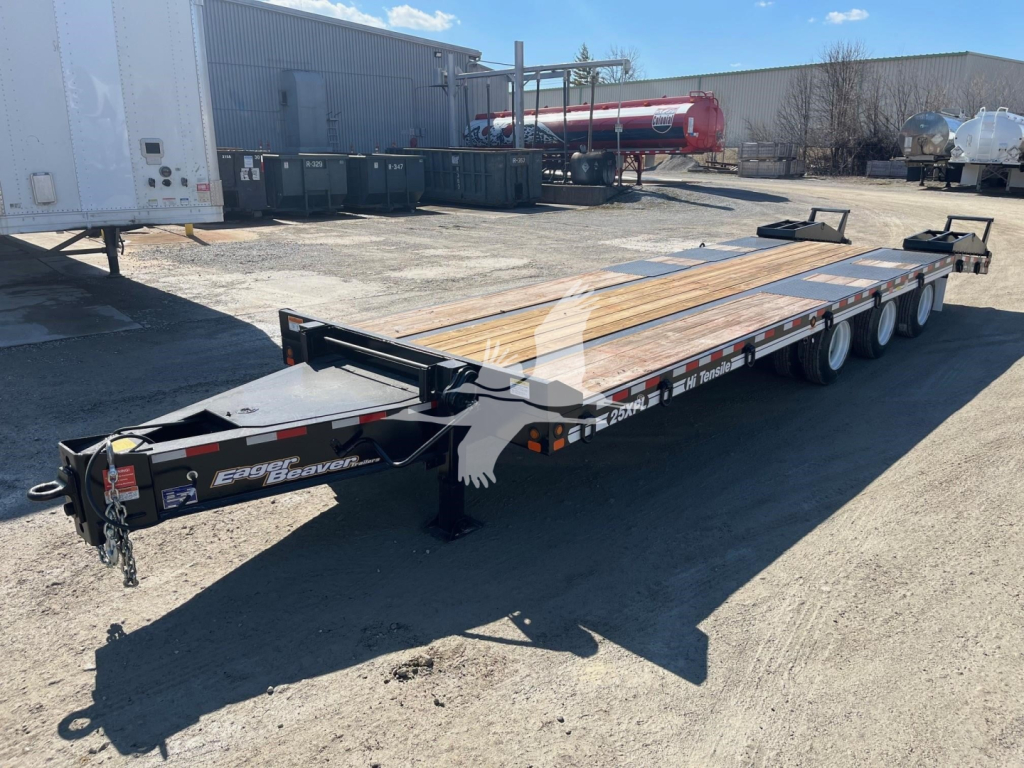
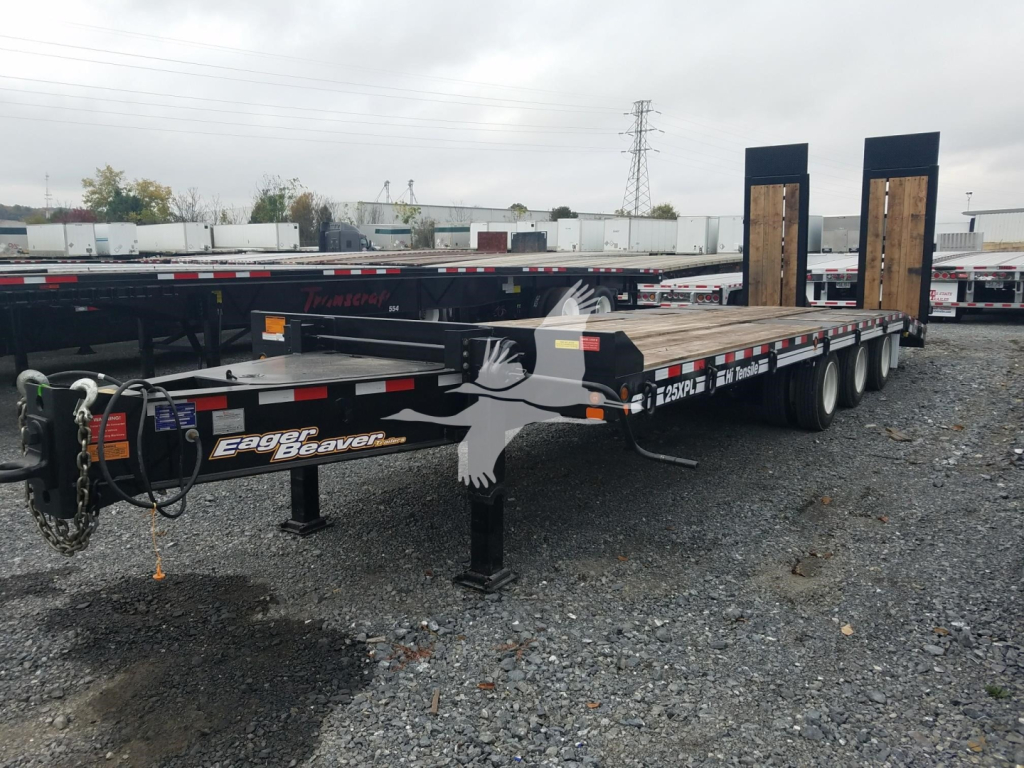
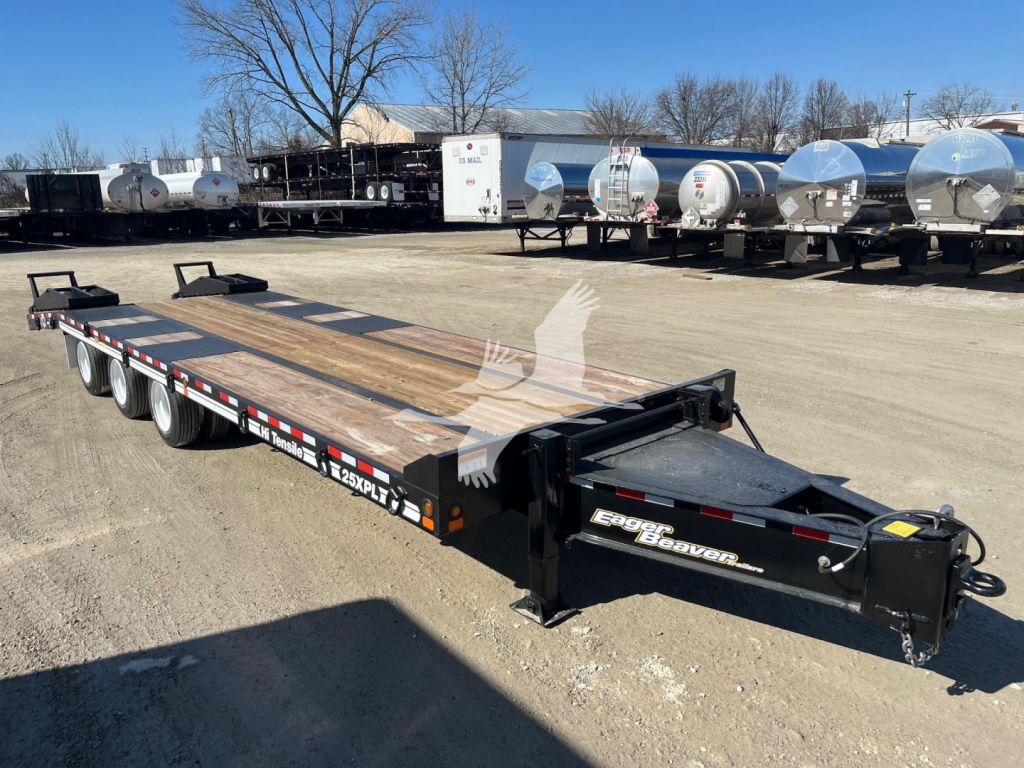
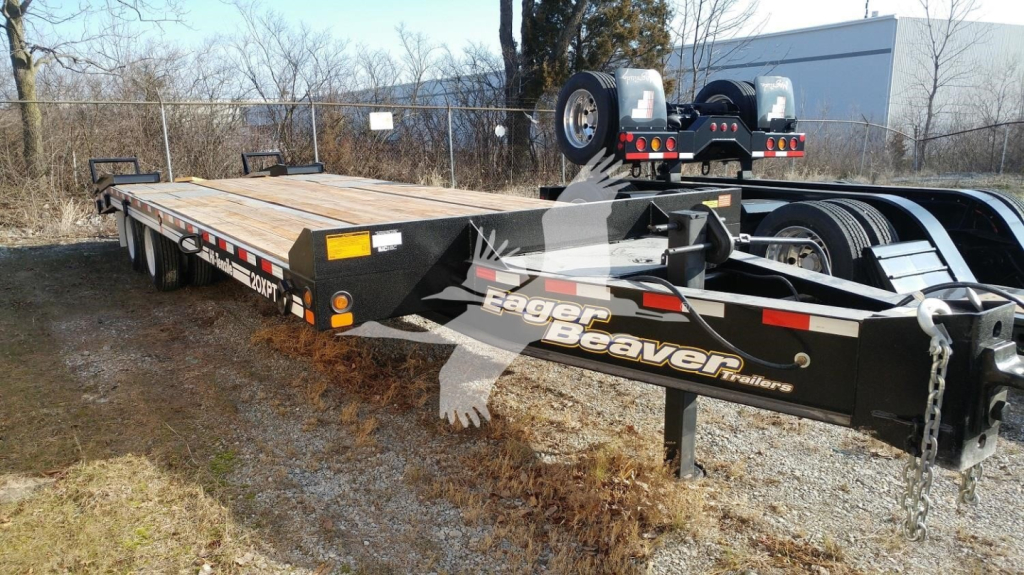
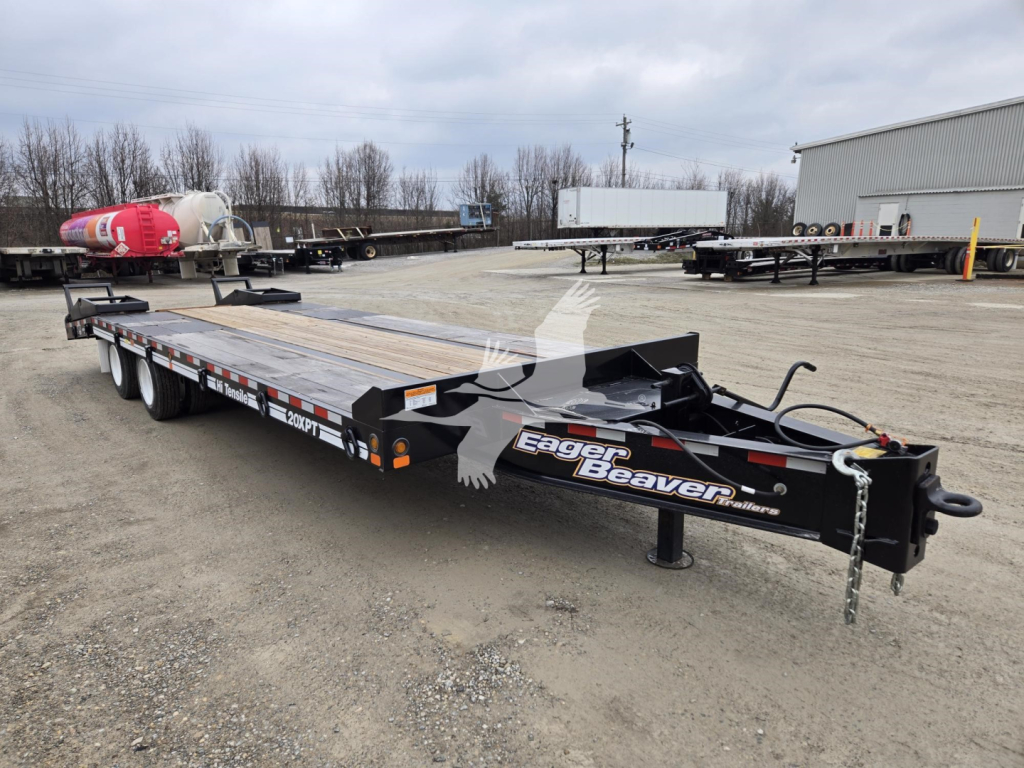
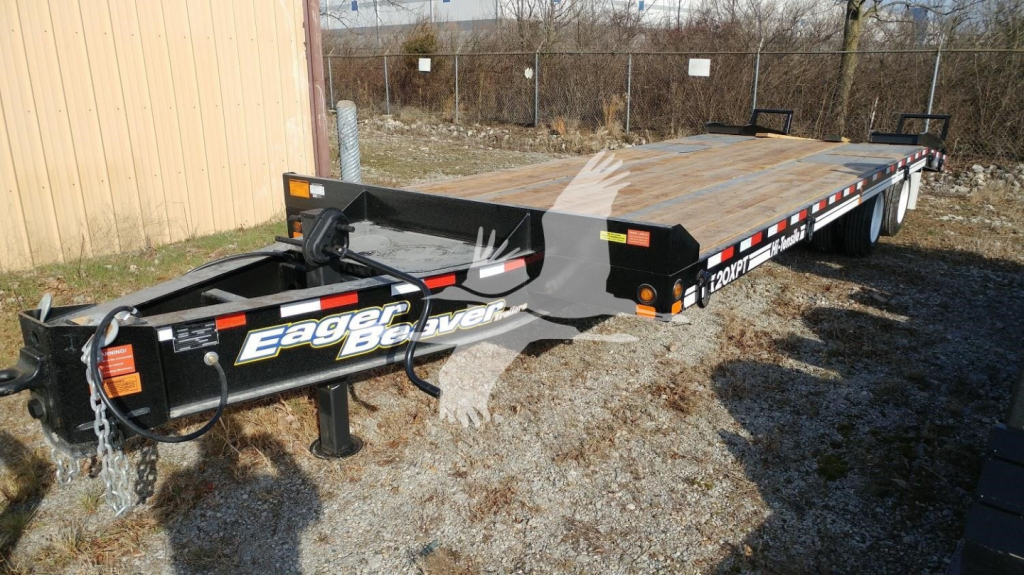
Shop 2025 Eager Beaver tag trailers built for equipment hauling, with 25-ton ratings, low deck heights, beavertails, ramps, and pintle hookups.
Selling a 2025 eager beaver tag trailer? List your 2025 eager beaver tag trailer for sale and reach thousands of commercial buyers.
2025 Eager Beaver Tag Trailers in Ohio
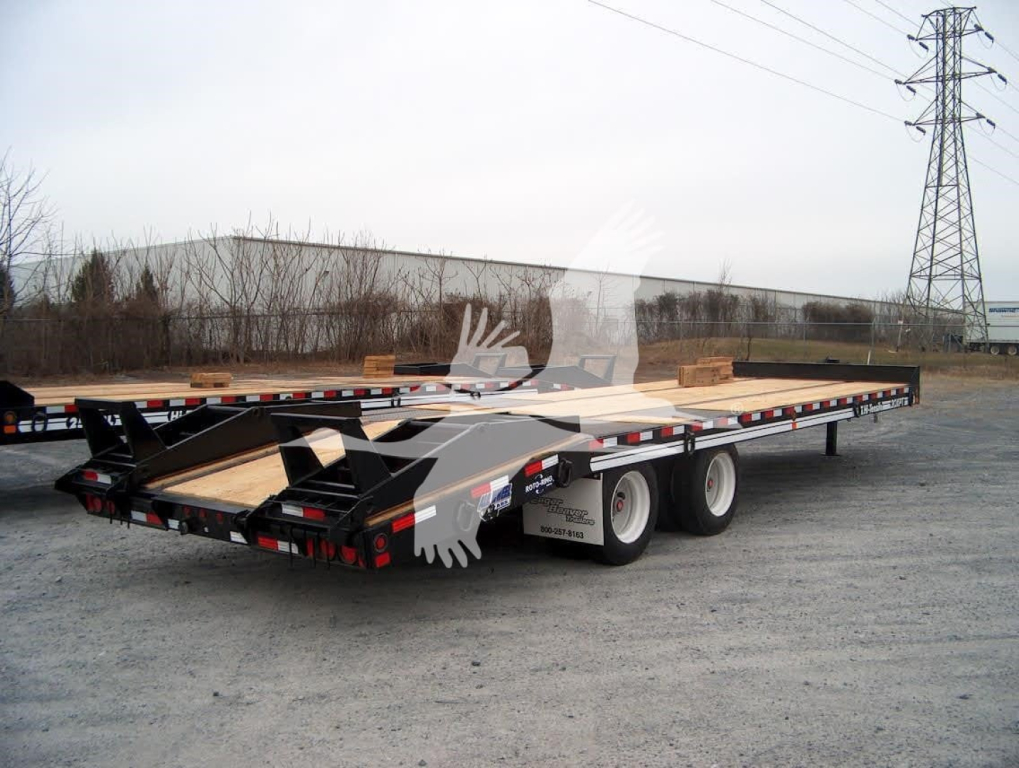
One of the biggest spec decisions is the ramp package. Hydraulic ramps speed up loading and reduce driver effort, while angle iron or wood-filled stand-up ramps can be simpler and lighter. Buyers should also look closely at beavertail length and load angle, especially if they routinely move low-clearance machines or rubber-tired equipment. A 6-foot beavertail with roughly an 8-degree load angle is common in this class and usually offers a solid balance between deck space and loading ease. Floor construction matters too. Apitong outer decking with a hardwood or pine center is a common setup because it gives good wear resistance under tracked equipment while keeping repair costs manageable over the life of the trailer.
Under the deck, tag trailers in this category are often configured with three axles, spring ride suspension, electric or ABS-equipped brake systems, and a lift axle arrangement to help with maneuverability, tire wear, and bridge compliance depending on how the trailer is used. Common running gear details include 17.5-inch rubber, steel wheels, spring brakes on all axles, and adjustable pintle eyes or pintle hook heights to match different tow vehicles. A two-speed landing gear, lockable front toolbox or drawbar storage, full-width bulkhead, safety chains, and multiple pairs of D-rings are all important details because they affect daily usability as much as the published ton rating. On a tag trailer, secure tie-down placement and durable side rails matter just as much as raw payload.
For Ohio buyers, road conditions, seasonal use, and registration requirements make build quality worth close attention. A black-painted steel frame, heavy side rails, quality lighting, and proven suspension components from brands like Hutchens are all positives in a trailer that may see mixed pavement, gravel lots, and jobsite loading. The key is to match the trailer to the equipment mix, not just the maximum capacity number. Check the actual deck length available ahead of the beavertail, confirm the loaded machine weight with attachments and fuel, and make sure the tow vehicle, pintle setting, and brake setup are compatible. A properly spec'd Eager Beaver tag trailer is a durable equipment-hauling platform that fits many construction, utility, paving, and municipal applications.
Frequently Asked Questions about 2025 Eager Beaver Tag Trailers in Ohio
What is a tag trailer used for?
A tag trailer, also called a tag-along trailer, is used to haul construction and industrial equipment behind a truck or tractor using a pintle connection. This trailer type is common for moving skid steers, compact excavators, rollers, backhoes, and similar machines that need a low deck and rear ramps for loading. Tag trailers are popular with contractors because they are straightforward to operate, durable on jobsite duty, and available in payload classes that fit many everyday equipment moves.
What should I look for when comparing 25-ton tag trailers?
The most important comparison points are actual usable deck length, loaded deck height, beavertail angle, ramp design, axle configuration, and tie-down layout. Buyers should also verify suspension type, tire size, brake specification, and pintle height adjustment to make sure the trailer matches the tow vehicle and the equipment being moved. A 25-ton rating is only part of the picture because attachment weight, machine dimensions, and how the load sits across the deck all affect real operating suitability.
Are hydraulic ramps better than fixed stand-up ramps on a tag trailer?
Hydraulic ramps are usually better for frequent loading because they reduce manual handling, improve convenience, and can make the trailer easier and safer to use during a busy workday. Fixed stand-up ramps or angle iron ramps are simpler and often cost less, but they can require more effort from the operator and may be less ideal for repeated loading cycles. The better choice depends on how often the trailer is used, the type of equipment being loaded, and how important loading speed is to the operation.
Why does deck height matter on an equipment tag trailer?
Deck height directly affects loading angle, machine stability during loading, and overall ease of use. A lower deck typically creates a shallower approach angle, which is important for equipment with low ground clearance, small tires, or attachments that can drag at the transition point. It can also improve hauling stability by keeping the center of gravity lower, but buyers still need to balance low deck height against ground clearance and frame design for rough jobsite conditions.
Is spring ride suspension common on tag trailers?
Yes, spring ride suspension is common on tag trailers because it is durable, proven, and generally easier to maintain in demanding construction applications. It holds up well under repeated loading and rough surface use, which is why many equipment trailers in this class still use multi-leaf spring setups. Buyers who prioritize simplicity and serviceability often prefer spring ride, while others may look for specialty axle or lift axle configurations to improve flexibility and tire life.