
2011 Tag Trailers For Sale
Have 2011 tag trailer to sell? List it here to reach thousands of buyers.
2011 Tag Trailers
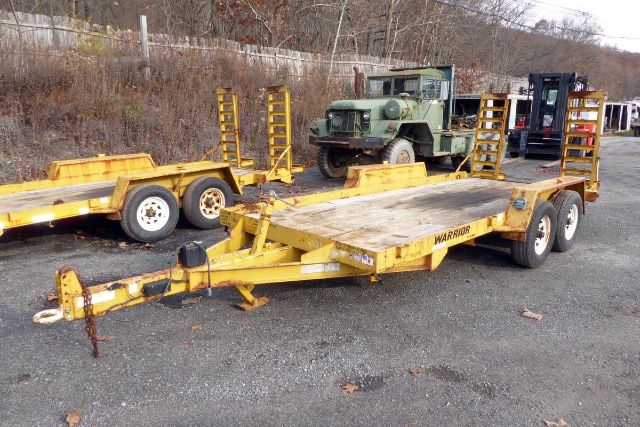
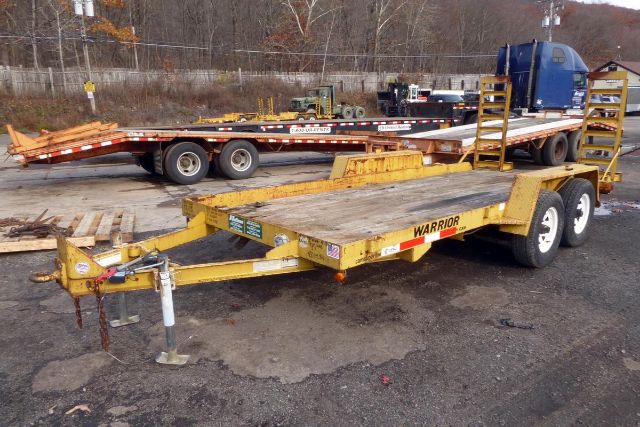
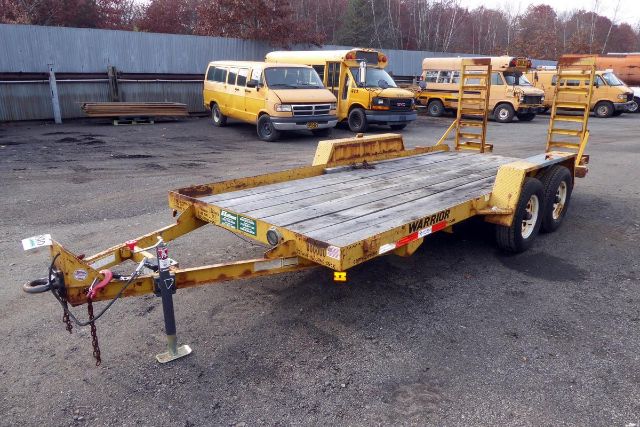
The most important fit question is the heaviest machine you plan to move and how that machine loads. A low deck height helps with taller equipment and improves loading confidence, while a beavertail and spring-assisted, flip-over, or hydraulic ramps can make a major difference for machines with low ground clearance. Deck length, usable flat deck ahead of the beavertail, and trailer width all matter if you are hauling attachments, buckets, or machines with offset tracks. Many 2011 tag trailers use wood decking over a steel frame, and buyers should look closely at crossmember condition, deck wear, side rail integrity, D-ring placement, and the condition of the tongue and pintle eye.
Running gear and brake setup deserve close attention on any 2011 tag trailer. Common configurations include tandem axles with leaf spring suspension, electric brakes on lighter trailers, and air brakes on heavier commercial equipment tags. Tire size, wheel bolt pattern, and axle ratings should match the work, but so should the tow vehicle. A trailer may have the rated capacity you need, but tongue weight, brake controller compatibility, pintle height, and overall combination length still have to work with the truck. On older tags, check for brake function, wiring repairs, ABS components where applicable, suspension wear, cracked spring hangers, frame repairs, and uneven tire wear that may point to alignment or axle issues.
For many buyers, a 2011 tag trailer makes sense because it can deliver equipment-hauling capability at a lower cost than a newer trailer, provided the structural condition is sound. The best units are the ones with a straight frame, solid ramp system, usable tie-down points, and a capacity rating that leaves margin above your actual load. If the trailer will see frequent jobsite loading, pay attention to ramp angle, traction on the deck, and how well the trailer handles concentrated machine weight over the axles. A well-matched tag trailer is simple, durable, and efficient for short-haul and regional equipment moves.
Frequently Asked Questions about 2011 Tag Trailers
What is a tag trailer used for?
A tag trailer is commonly used to haul equipment that can be driven or rolled onto a low deck from the rear. Typical loads include skid steers, mini excavators, compact tractors, scissor lifts, forklifts, and small paving or landscaping equipment. The drawbar and pintle hitch setup makes tag trailers popular for contractors, municipalities, rental fleets, and owner-operators moving equipment locally or regionally.
How do I know what capacity 2011 tag trailer I need?
Start with the operating weight of your heaviest machine, then add the weight of attachments, fuel, chains, binders, and any other gear carried on the deck. You want enough capacity margin so the trailer is not operating at its limit on every trip. Capacity should also be evaluated alongside axle ratings, brake type, deck length, and the towing ability of the truck, because the trailer and tow vehicle have to work as a matched combination.
What should I inspect on a used 2011 tag trailer?
Focus first on structural condition. Check the main frame, neck, tongue, ramp pivots, crossmembers, and beavertail for cracks, poor weld repairs, corrosion, or bending. Then inspect the decking, tie-down points, suspension, axles, tires, wheels, lights, wiring, coupler or pintle eye, and all brake components. Uneven tire wear, non-working brakes, or fresh paint over repaired areas can indicate issues that deserve a closer look.
Are electric brakes or air brakes better on a tag trailer?
That depends on trailer size and application. Electric brakes are common on lighter tag trailers and can be a workable setup for lighter equipment and shorter hauls when properly maintained. Air brakes are more common on heavier commercial tag trailers and are typically preferred for higher-capacity use, more frequent operation, and better integration with medium-duty or heavy-duty trucks equipped for air. The key is matching the brake system to the trailer rating, the load, and the tow vehicle.
What deck features matter most on a tag trailer?
Deck height, deck length, beavertail design, ramp style, and tie-down placement usually matter most. A lower deck and gentler load angle help with machines that have low clearance. Sufficient flat deck space is important if attachments need to ride ahead of the machine. Strong D-rings, stake pockets, or side rails improve securement flexibility, and a durable deck surface helps with traction and long-term wear.