
New 2025 Eager Beaver Tag Trailers For Sale
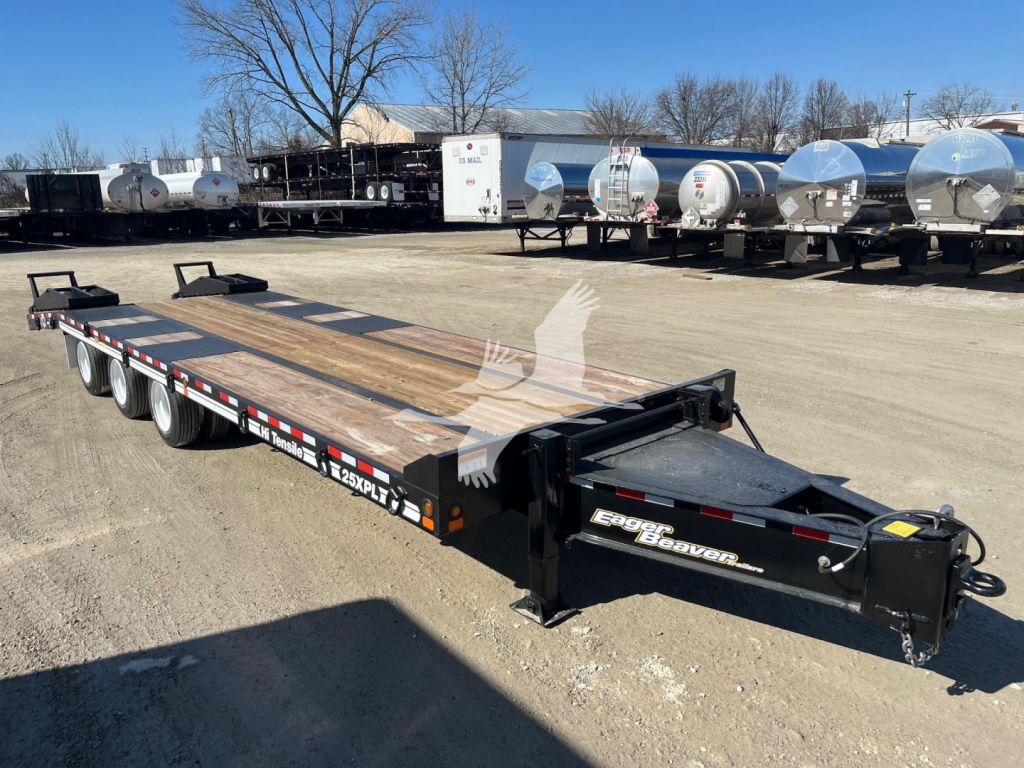
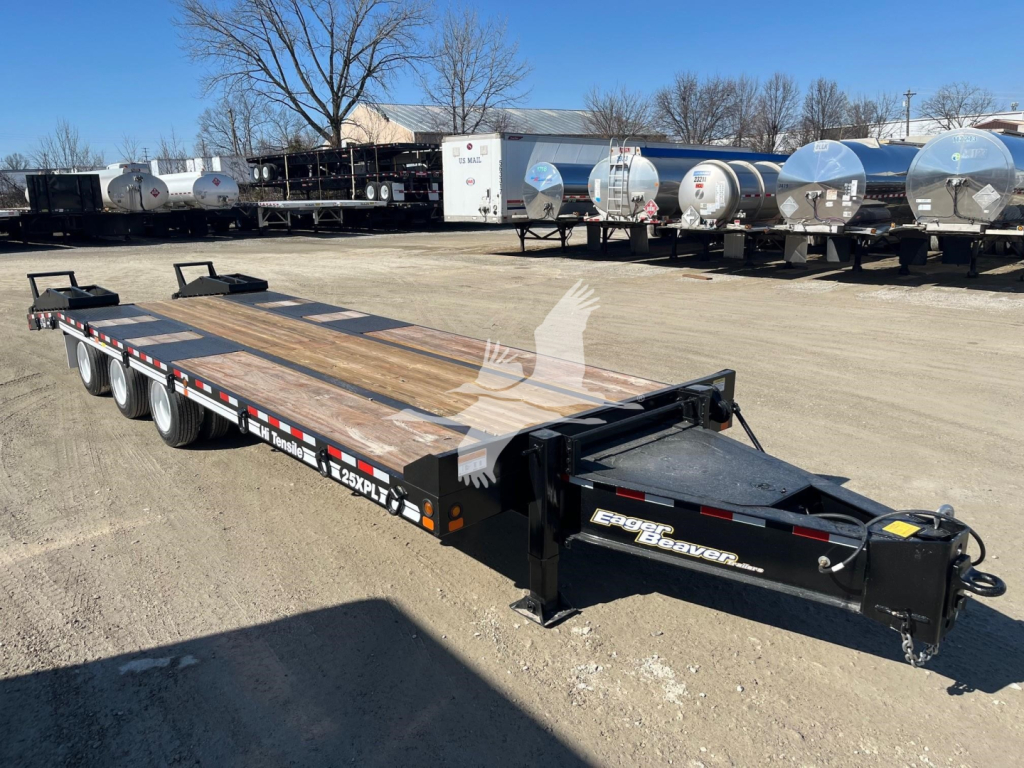
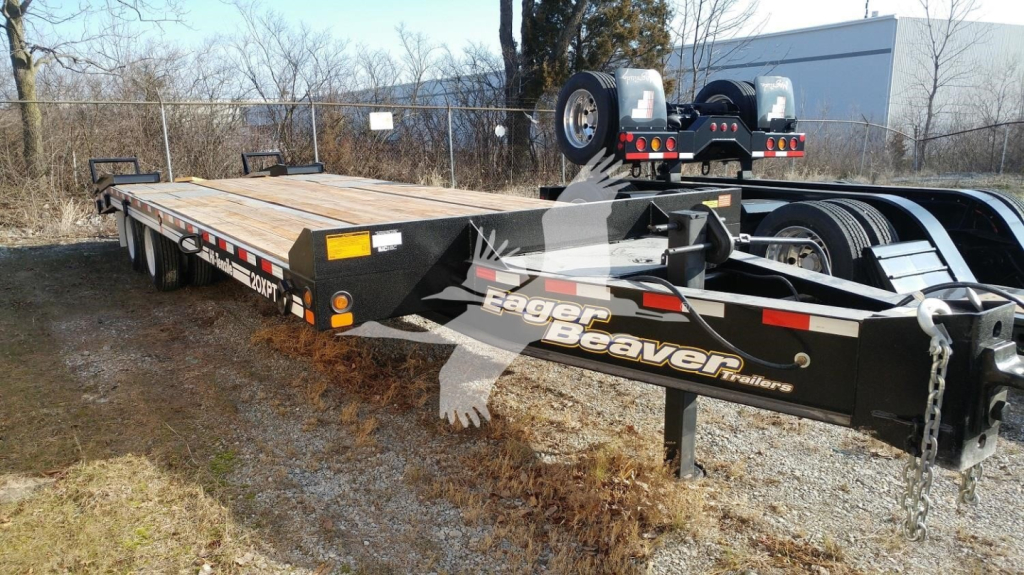
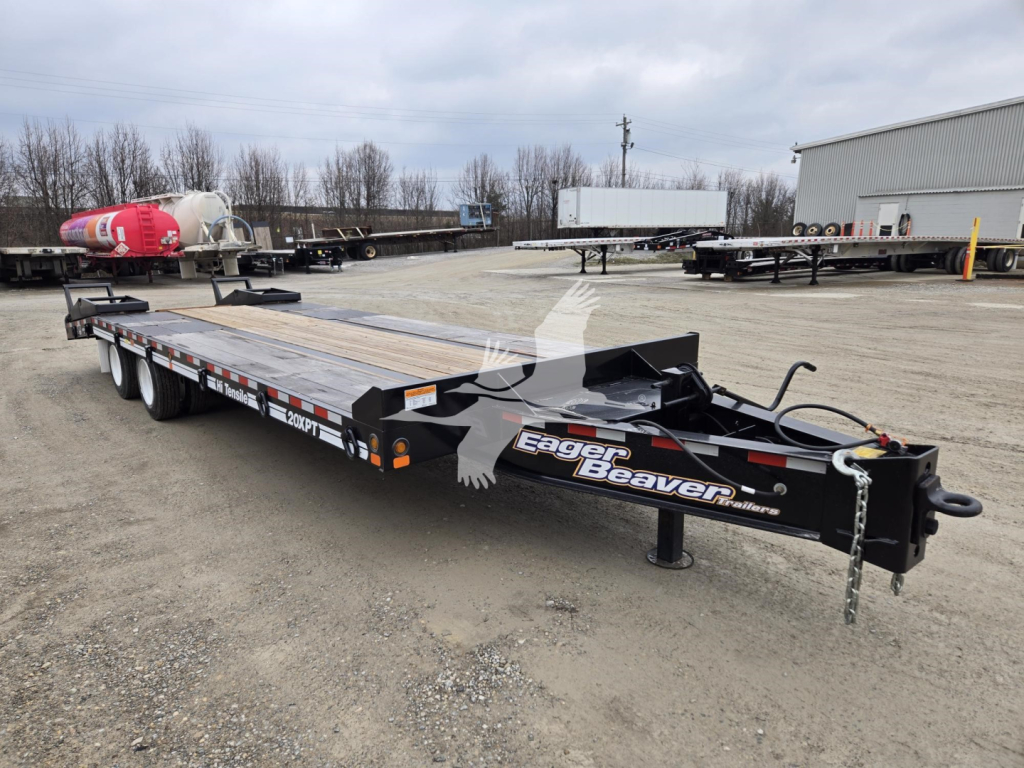
New 2025 Eager Beaver tag trailers built for 25-ton hauling, with low deck heights, pintle hookups, beavertails, and heavy equipment ramps.
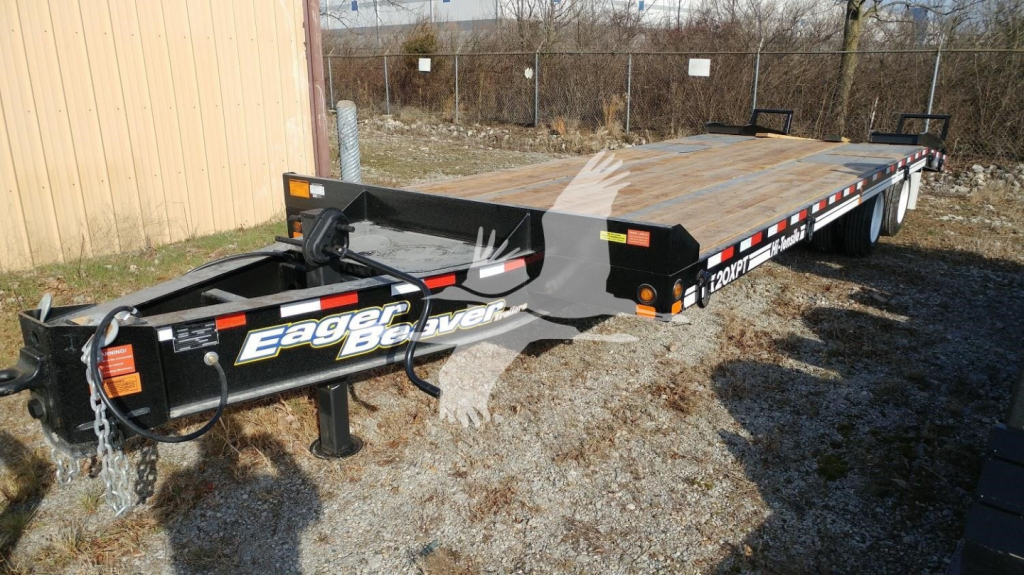
Selling a new 2025 eager beaver tag trailer? List your new 2025 eager beaver tag trailer for sale and reach thousands of commercial buyers.
New 2025 Eager Beaver Tag Trailers
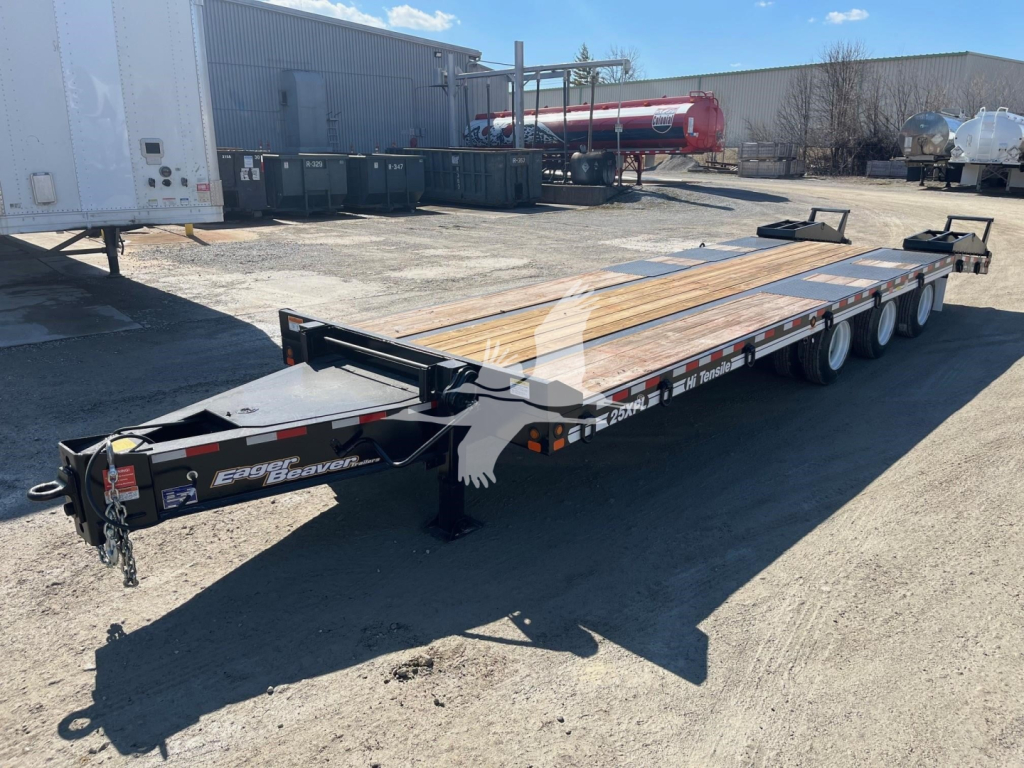
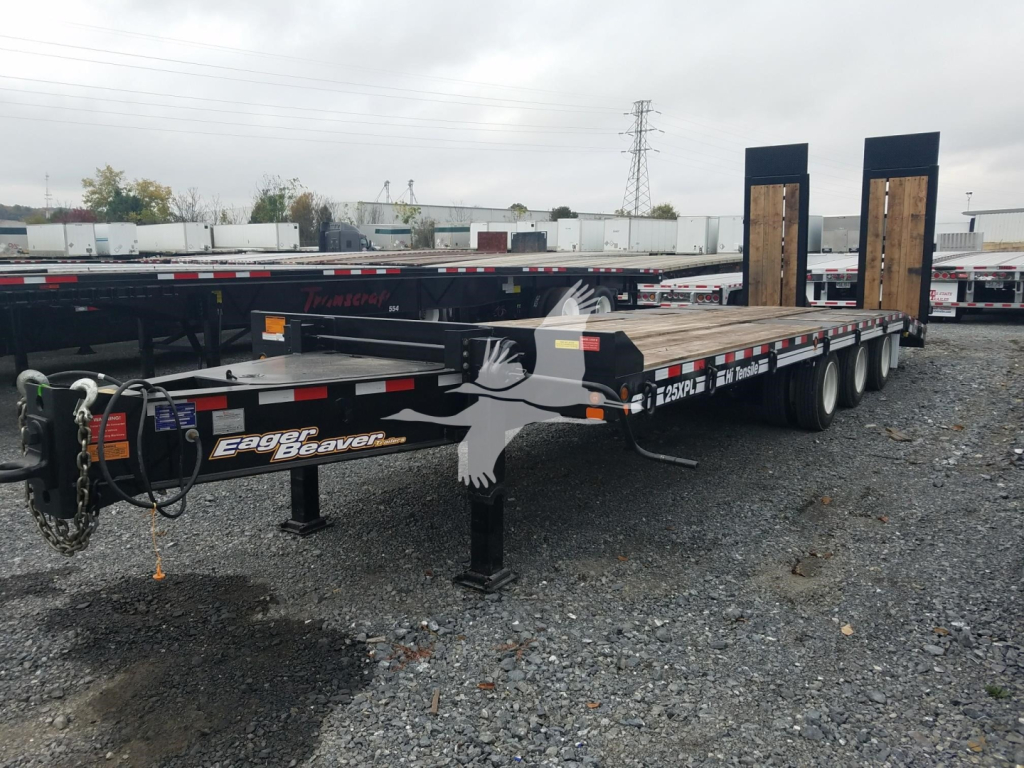
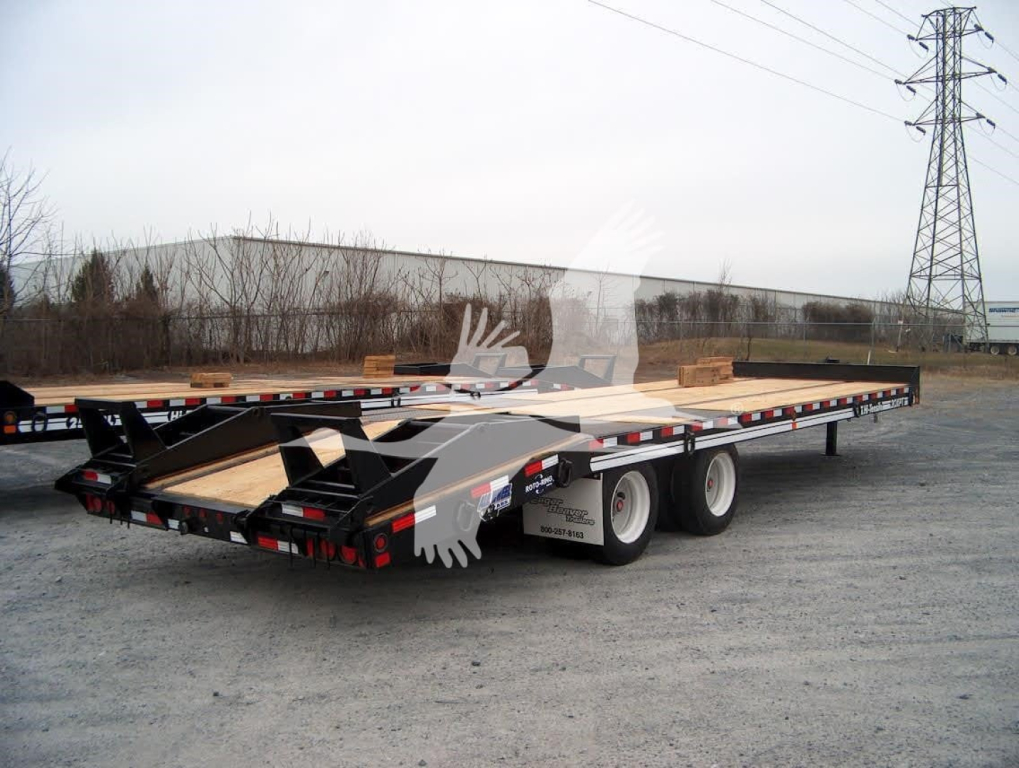
A common configuration in this class is a 25-ton trailer with a 102-inch overall width, roughly 37-foot overall length, a 24-foot flat deck, and a 6-foot beavertail. That combination gives buyers a useful balance between payload capacity, deck space, and maneuverability. Main deck height matters on a tag trailer because it affects center of gravity and load angle. A deck height around 34 inches, paired with an 8-degree beavertail, helps reduce the breakover issue that can come up when loading low-clearance machines. Buyers should pay close attention to ramp style as well. Fixed angle-iron ramps are simple and durable, while hydraulic wood-filled ramps can speed up loading and offer better traction and support for rubber-tracked equipment.
Suspension and axle layout are key buying points in this category. Many heavy-duty tag trailers use a tri-axle setup with spring ride suspension and an air lift axle, which helps balance loaded stability with tire wear and maneuverability when empty. On trailers in this range, you will often see 215/75R17.5 tires, steel wheels, spring brakes on all axles, and ABS systems such as 4S/3M. An adjustable pintle height is important if the trailer may be pulled by different trucks, especially across mixed vocational fleets. Buyers should also look at deck construction details like Apitong flooring, steel side rails, full-width steel bulkheads, lockable toolbox space in the drawbar area, and the number and placement of D-rings for securement flexibility.
The best way to shop this category is to match the trailer to the machines you move most often, not just the maximum rating on paper. Check operating weight, track width, attachment length, and how the machine sits across the beavertail and main deck. A 25-ton Eager Beaver tag trailer is often a strong fit for construction, utility, paving, and municipal fleets that need a rugged trailer with predictable loading characteristics and low maintenance running gear. If your work includes frequent loading cycles, mixed operators, or a variety of tracked equipment, features like hydraulic ramps, quality hardwood decking, and a well-designed lift axle setup can make a noticeable difference in productivity and trailer longevity.
Frequently Asked Questions about New 2025 Eager Beaver Tag Trailers
What is a tag trailer used for?
A tag trailer is used to haul equipment behind a truck using a pintle hitch connection. In the heavy equipment market, tag trailers are commonly used for skid steers, mini excavators, compact track loaders, rollers, small dozers, and similar construction or municipal equipment. They are popular because they are simpler than many detachable trailers, easier to connect to vocational trucks, and well suited for regional equipment moves between yards and jobsites.
What should I look for in a 25-ton tag trailer?
The most important factors are actual payload needs, deck length, deck height, beavertail angle, ramp style, and axle configuration. A buyer should also verify the hitch height range, brake system, suspension type, flooring material, and securement points. On a 25-ton trailer, these details affect how safely and efficiently the trailer can load, haul, and unload the equipment you move every week.
Are hydraulic ramps better than fixed ramps on a tag trailer?
Hydraulic ramps are often preferred when the trailer is loaded frequently or when different operators use it, because they reduce manual effort and can improve loading speed. Wood-filled hydraulic ramps can also provide a better contact surface for rubber tracks and tires. Fixed ramps are simpler, lighter in some cases, and usually less expensive to maintain, so they remain a solid choice for buyers who want a more basic trailer setup.
Why does deck height matter on a tag trailer?
Deck height affects both loading angle and on-road stability. A lower main deck generally makes it easier to load machines with low ground clearance and helps keep the center of gravity lower during transport. When a trailer combines a manageable deck height with a properly designed beavertail and ramp package, it can reduce hang-ups during loading and improve confidence when handling tracked equipment.
What types of fleets typically use Eager Beaver tag trailers?
Eager Beaver tag trailers are commonly used by construction contractors, asphalt and paving crews, utility fleets, rental companies, and municipalities. These buyers usually need a durable trailer for regular local or regional hauling, with straightforward serviceability and specs that fit common equipment classes. The brand is well known in equipment hauling because its trailers are typically built around practical vocational use rather than specialized over-the-road freight applications.