
New Eager Beaver Tag Trailers For Sale in Pennsylvania
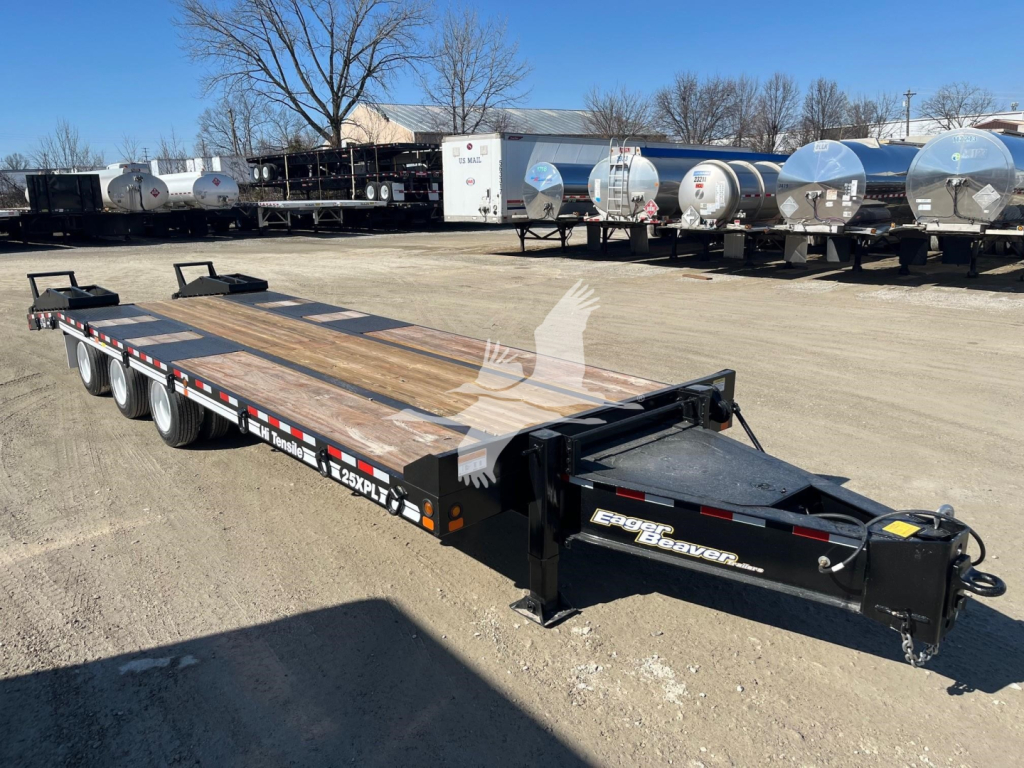
New Eager Beaver tag trailers for sale in Pennsylvania. Compare 20-ton and 25-ton pintle tag trailers with hydraulic ramps and low deck heights.
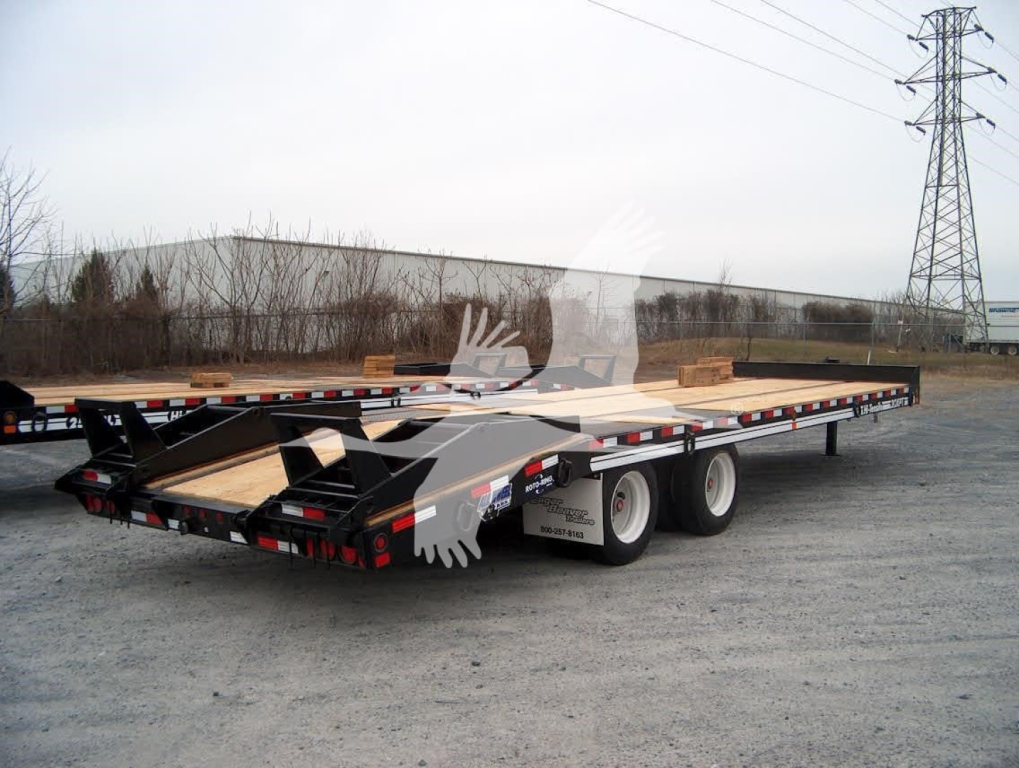
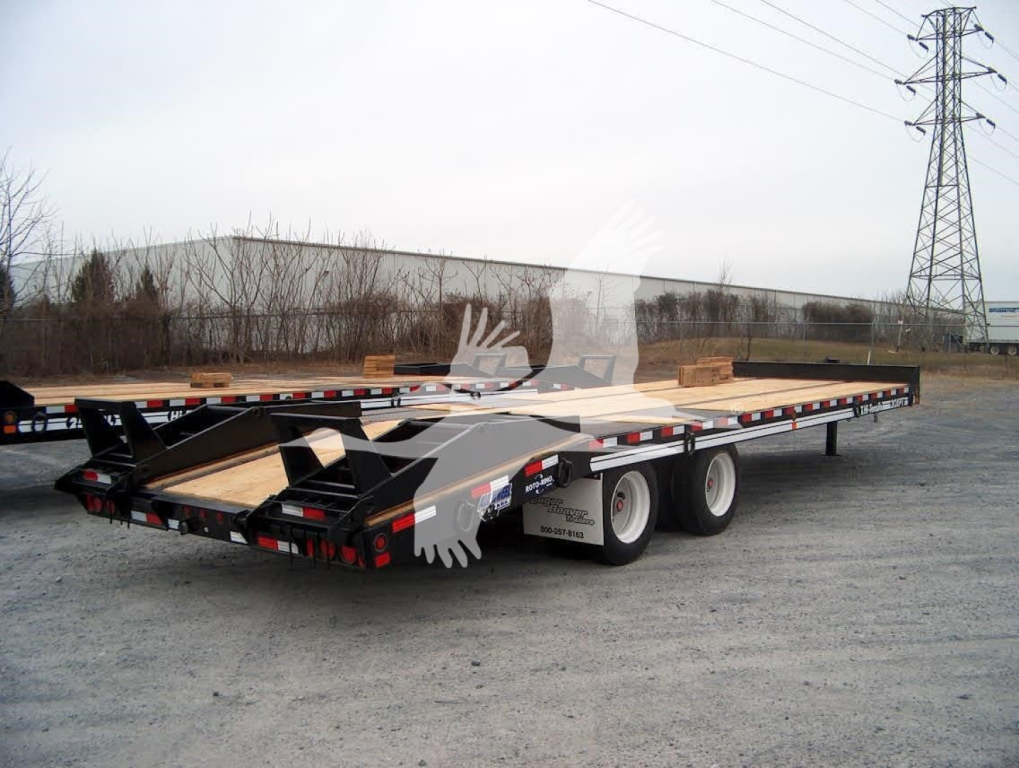
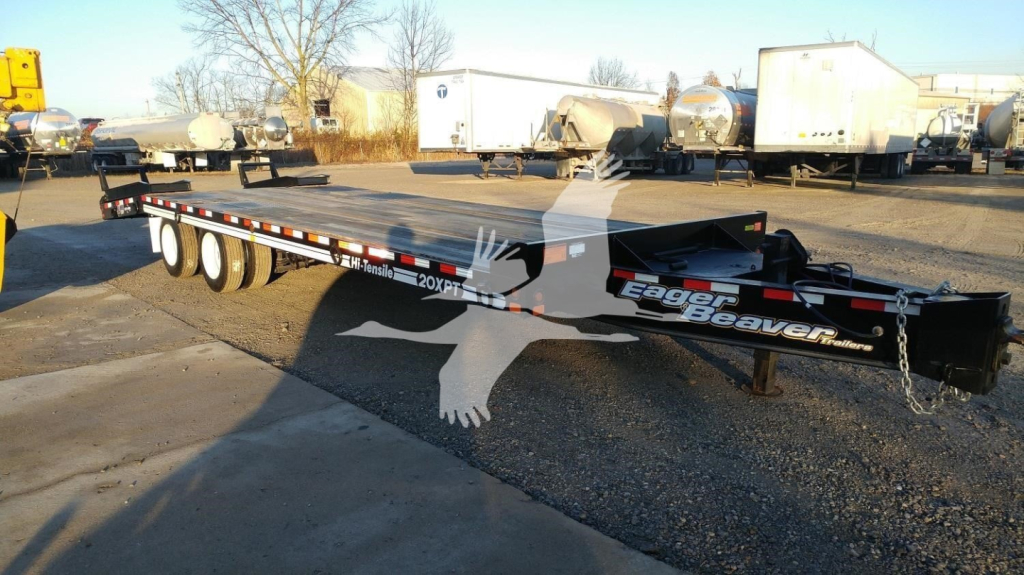
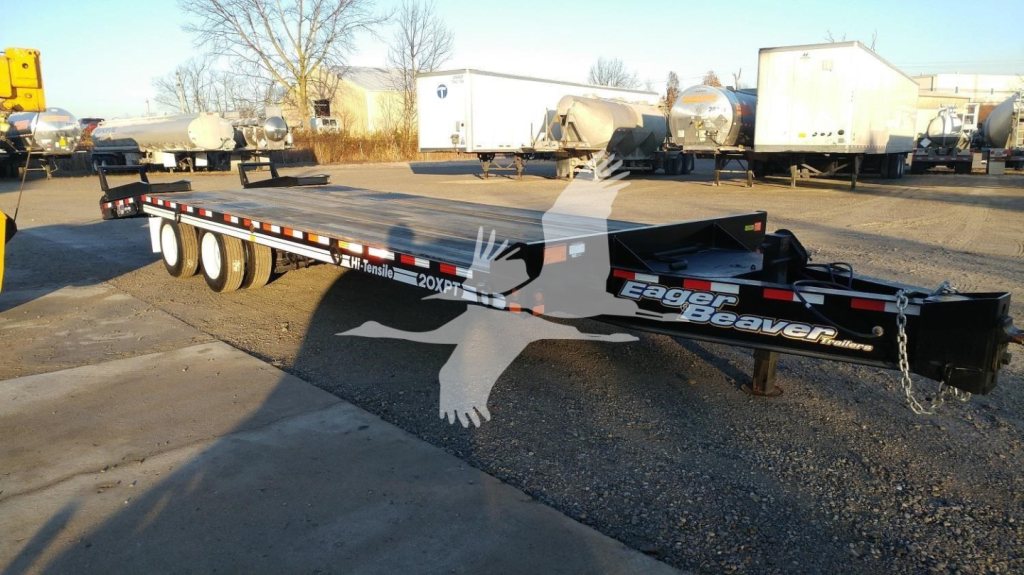
Selling a new eager beaver tag trailer? List your new eager beaver tag trailer for sale and reach thousands of commercial buyers.
New Eager Beaver Tag Trailers in Pennsylvania
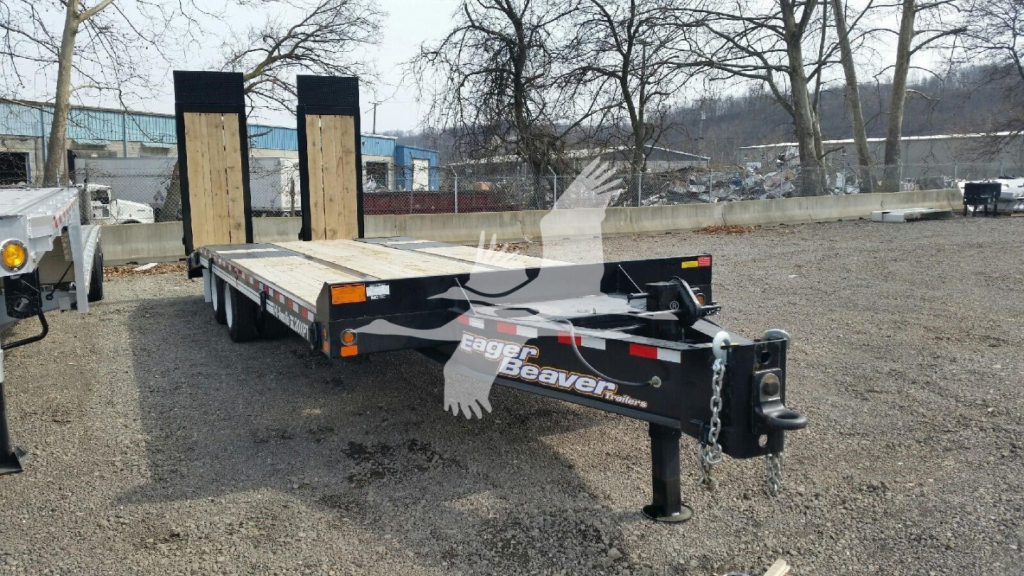
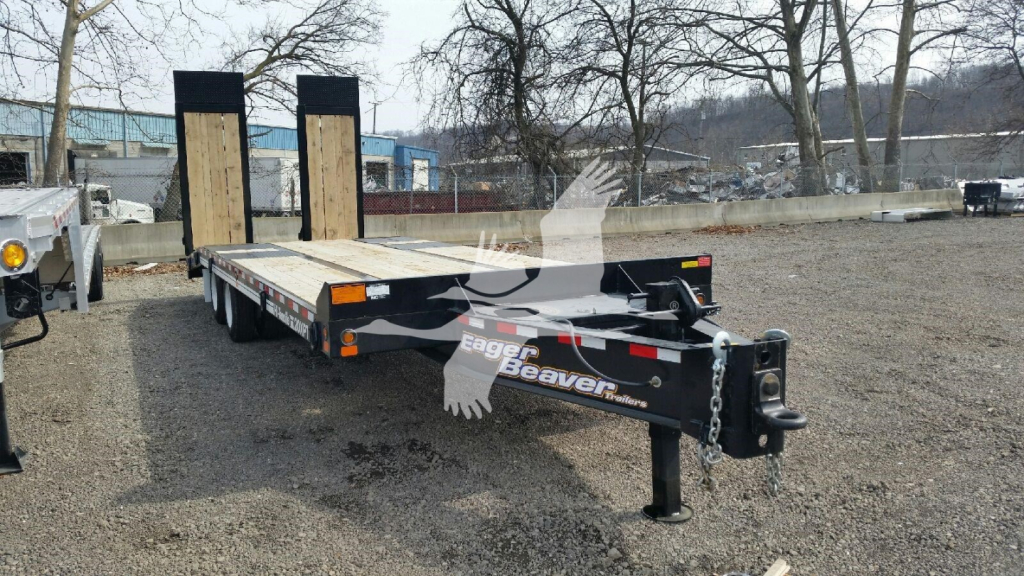
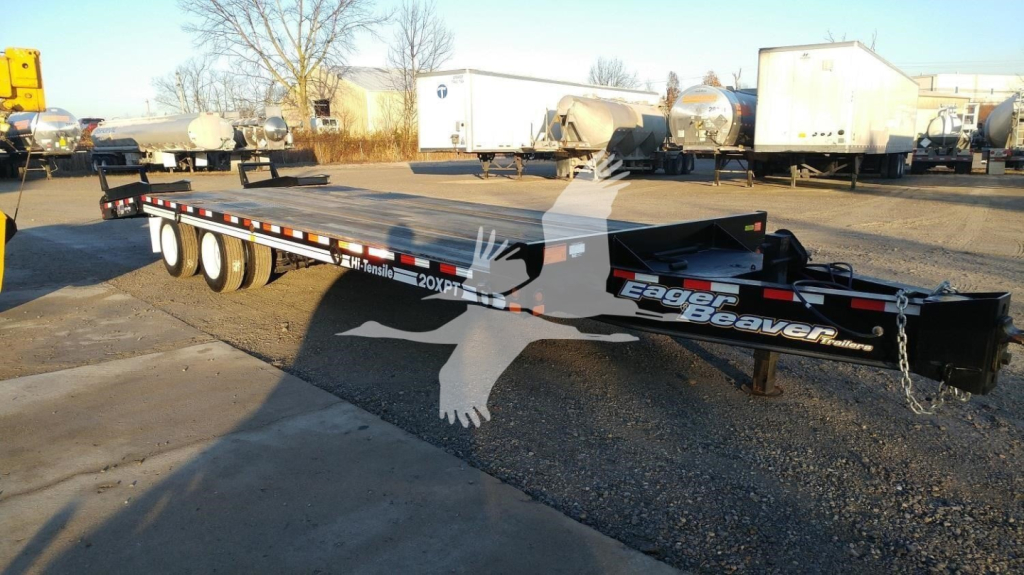
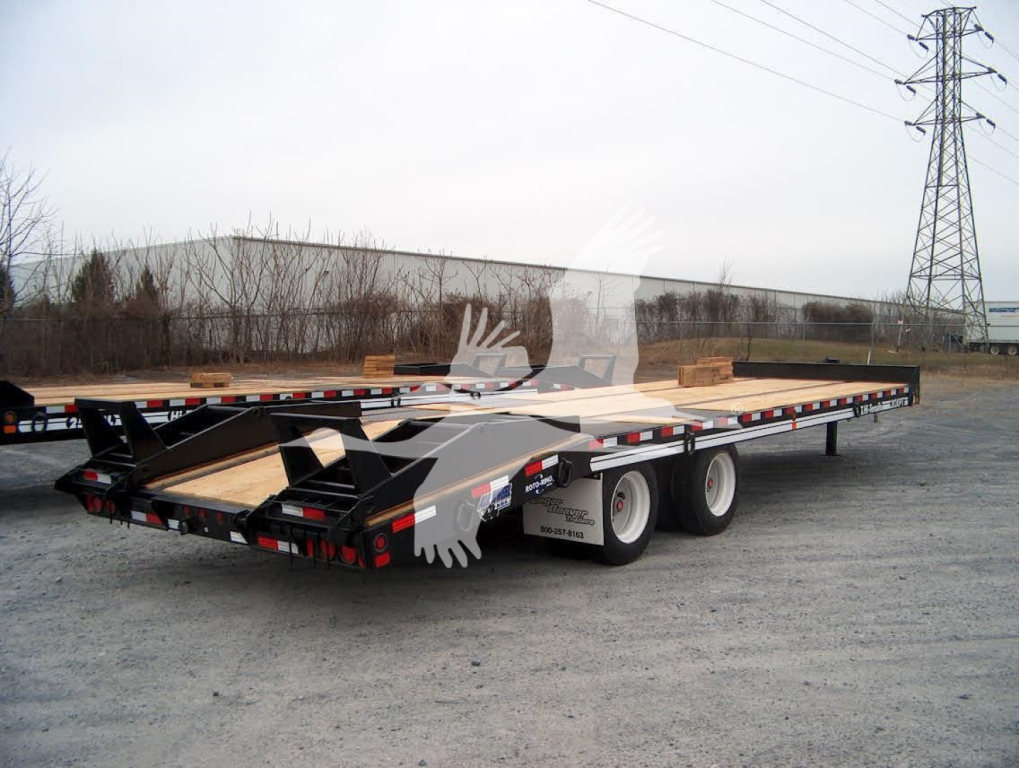
The key buying decisions usually come down to capacity, axle configuration, ramp style, and deck geometry. Common specs in this group include 102-inch overall width, roughly 21-foot to 24-foot main deck length, about a 34-inch loaded deck height, and a 6-foot beavertail with an 8-degree load angle. That combination matters because load angle affects how easily low-clearance machines transition onto the deck without dragging. Eager Beaver tag trailers in this class are often set up with two or three axles, spring ride suspensions, and hydraulic or electric-hydraulic ramps. On heavier 25-ton trailers, a lift axle may be part of the package, which can help balance load requirements and improve tire life when the trailer is empty or lightly loaded.
Deck construction and tie-down layout are just as important as the ton rating on the data plate. Buyers should pay attention to flooring material such as apitong, steel side rails, full-width steel bulkheads, and the number and placement of D-rings. A trailer with seven or eight pairs of D-rings gives better flexibility for securing different machine footprints and attachment combinations. Hydraulic wood-filled ramps are popular in this category because they reduce setup effort and provide better traction than bare angle iron in many loading conditions. Adjustable pintle height, lockable toolbox storage in the drawbar area, spring brakes on all axles, ABS, and heavy safety chains are also standard features worth comparing because they affect day-to-day usability and compliance, not just spec-sheet appeal.
For Pennsylvania buyers, road weight, registration class, and jobsite terrain should factor into the choice between a 20-ton and 25-ton tag. A lighter 20-ton trailer can be a strong fit for compact equipment fleets and shorter regional runs, while a 25-ton model offers more margin for heavier iron and mixed-load applications. Eager Beaver has long been a recognized name in the equipment trailer market, and their tag trailers are generally known for practical deck layouts, solid frame construction, and contractor-friendly loading features. When comparing listings, focus on actual empty weight, ramp configuration, deck length, and axle setup first. Those details will tell you more about real hauling capability than model name alone.
Frequently Asked Questions about New Eager Beaver Tag Trailers in Pennsylvania
What is a tag trailer used for?
A tag trailer is used to haul equipment behind a truck with a pintle hitch. It is commonly used for transporting skid steers, mini excavators, compact loaders, rollers, backhoes, small dozers, and similar machinery. Tag trailers are popular with construction and utility fleets because they are simpler and typically less expensive than larger lowboy or detachable gooseneck setups.
What is the difference between a 20-ton and 25-ton Eager Beaver tag trailer?
The main differences are payload capacity, axle configuration, and often trailer weight and running gear. A 20-ton tag trailer is usually better suited for lighter equipment and lower operating cost, while a 25-ton tag trailer gives more headroom for heavier machines and may include a three-axle layout or lift axle configuration. Buyers should confirm GVWR, empty weight, legal load limits, and hitch requirements before matching a trailer to their truck and equipment.
Why do deck height and beavertail angle matter on a tag trailer?
Deck height and beavertail angle directly affect load angle, breakover clearance, and ease of loading. A lower deck height combined with a moderate beavertail angle helps reduce the chance of low-clearance machines dragging while climbing onto the trailer. This is especially important for pavers, scissor lifts, trench rollers, and compact equipment with small tires or long wheelbases.
Are hydraulic ramps better than flip-over or angle iron ramps on a tag trailer?
Hydraulic ramps are often preferred for frequent loading because they reduce manual handling and speed up the load cycle. Wood-filled hydraulic ramps also tend to provide better tire contact and traction than open angle iron ramps. Angle iron ramps can be durable and lighter in some applications, but buyers moving rubber-tired equipment every day often favor hydraulic ramp setups for convenience and safer operation.
What should I check first when comparing new tag trailer listings?
Start with rated capacity, empty weight, deck length, deck height, ramp type, and axle layout. Then look at tie-down equipment, flooring material, suspension type, brake and ABS configuration, and pintle height adjustability. Those details determine how well the trailer matches your truck, your legal weight targets, and the types of equipment you load most often.