
New 2026 Tag Trailers For Sale in Pennsylvania
Shop new 2026 tag trailers in Pennsylvania. Compare 20-ton to 25-ton models with pintle hitches, beavertails, hydraulic ramps, and ABS.
Selling a new 2026 tag trailer? List your new 2026 tag trailer for sale and reach thousands of commercial buyers.
New 2026 Tag Trailers in Pennsylvania
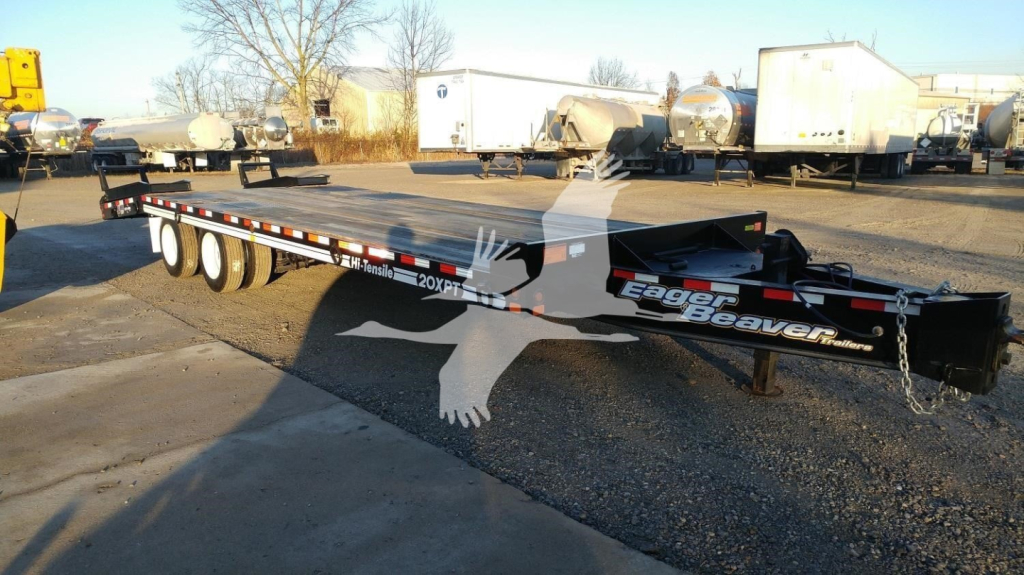
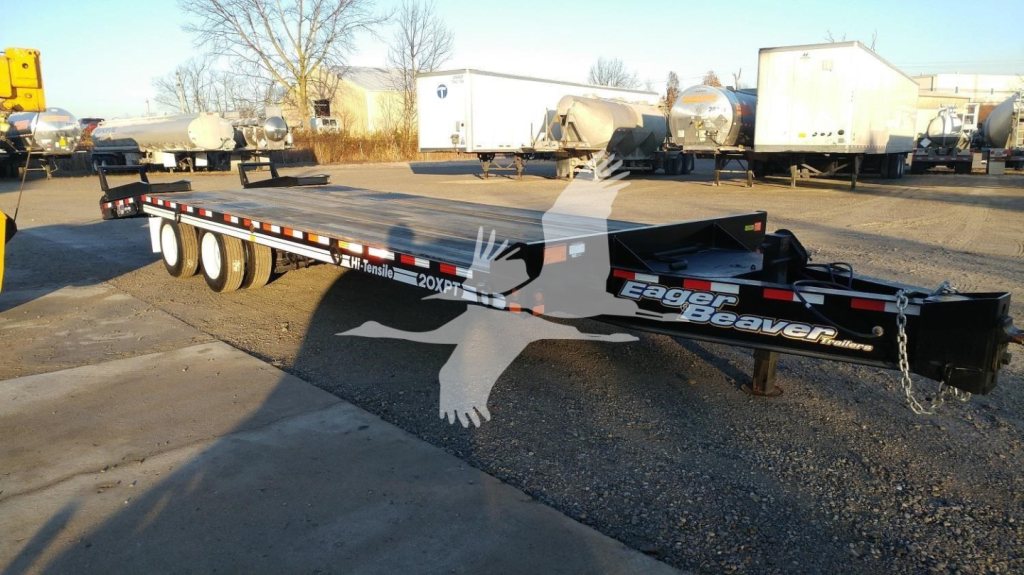
Capacity and axle layout should be the first filter. In this class, 20-ton and 25-ton tags are common, with tandem axle layouts on lighter units and tri-axle configurations on heavier trailers. Spring ride suspension remains common because it is simple, proven, and cost-effective, while lift axles may be added on higher-capacity models to help with tire wear and maneuverability when lightly loaded. Buyers in Pennsylvania should pay attention to loaded equipment weight, attachment weight, and tongue load, then match that to GVWR, axle ratings, brake configuration, and tow vehicle capability. A tag may be rated for the machine, but the combination still has to work with the truck’s hitch, frame, brakes, and registration class.
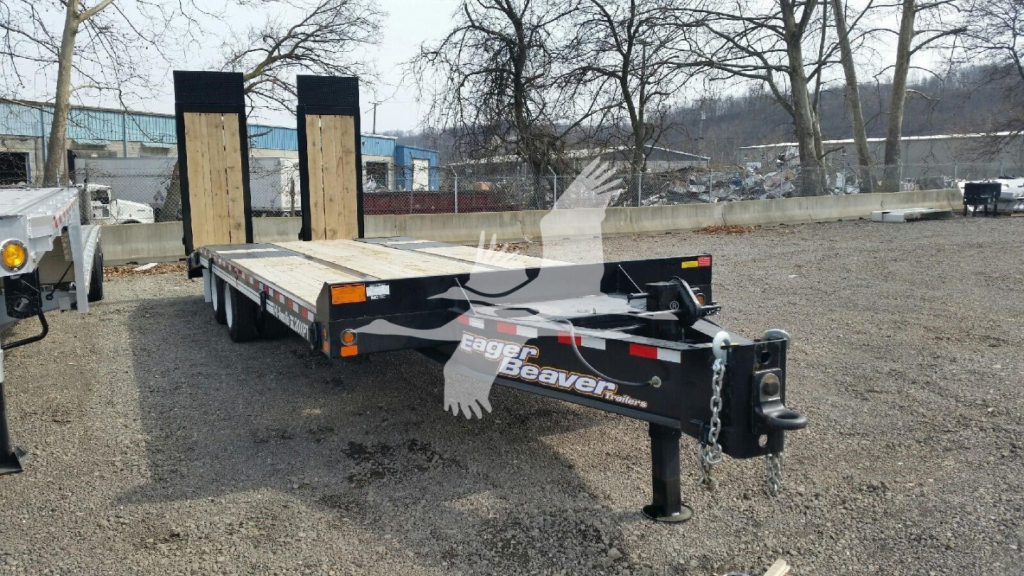
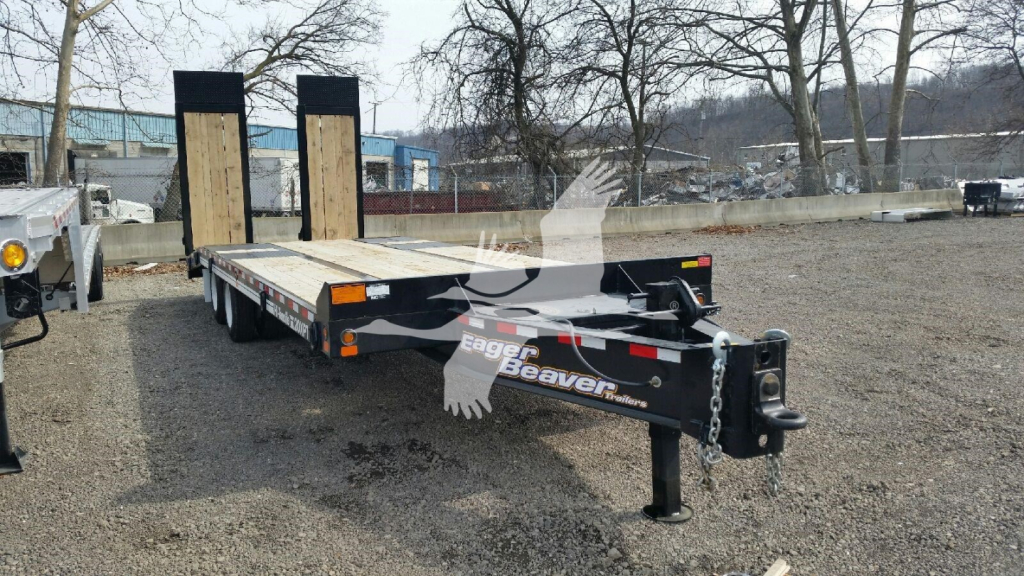
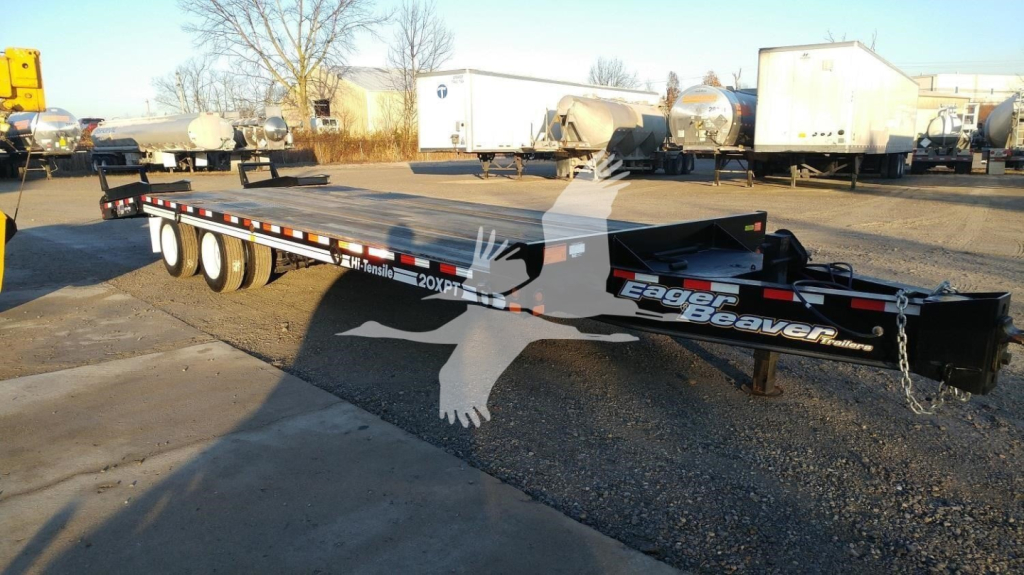
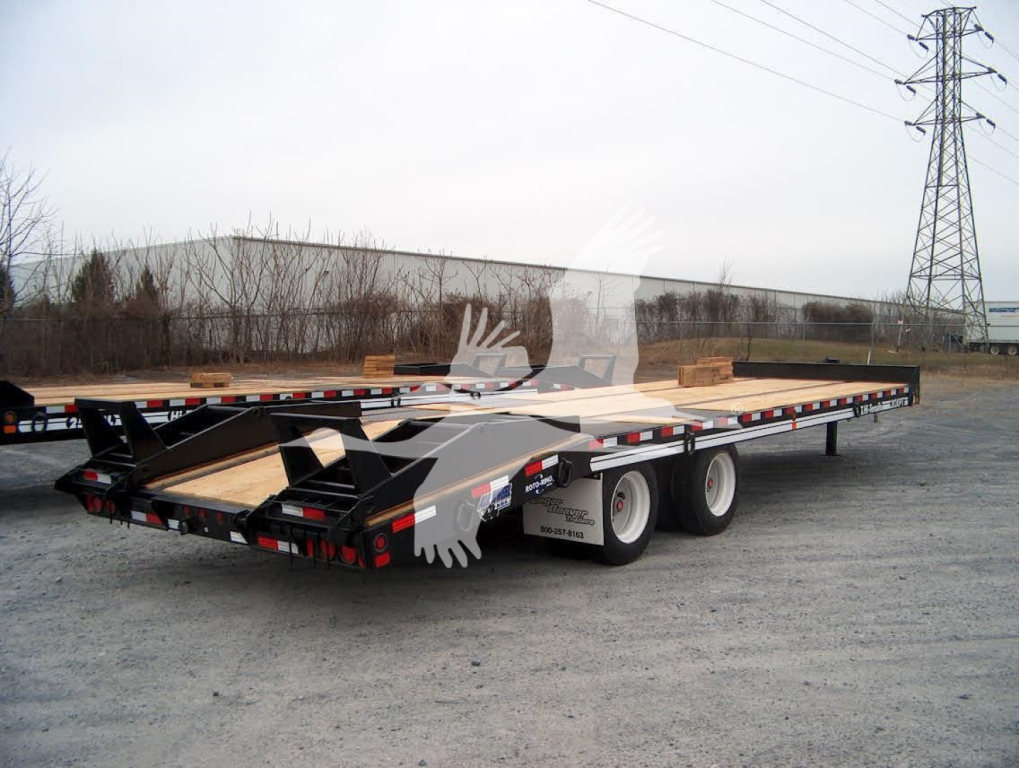
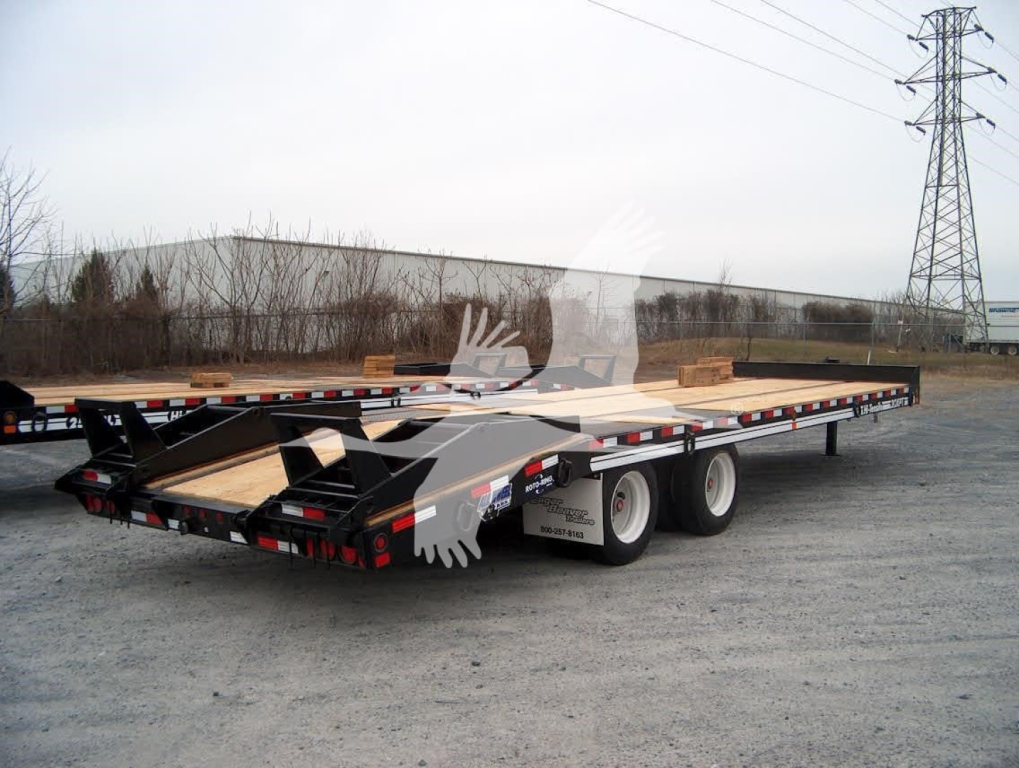
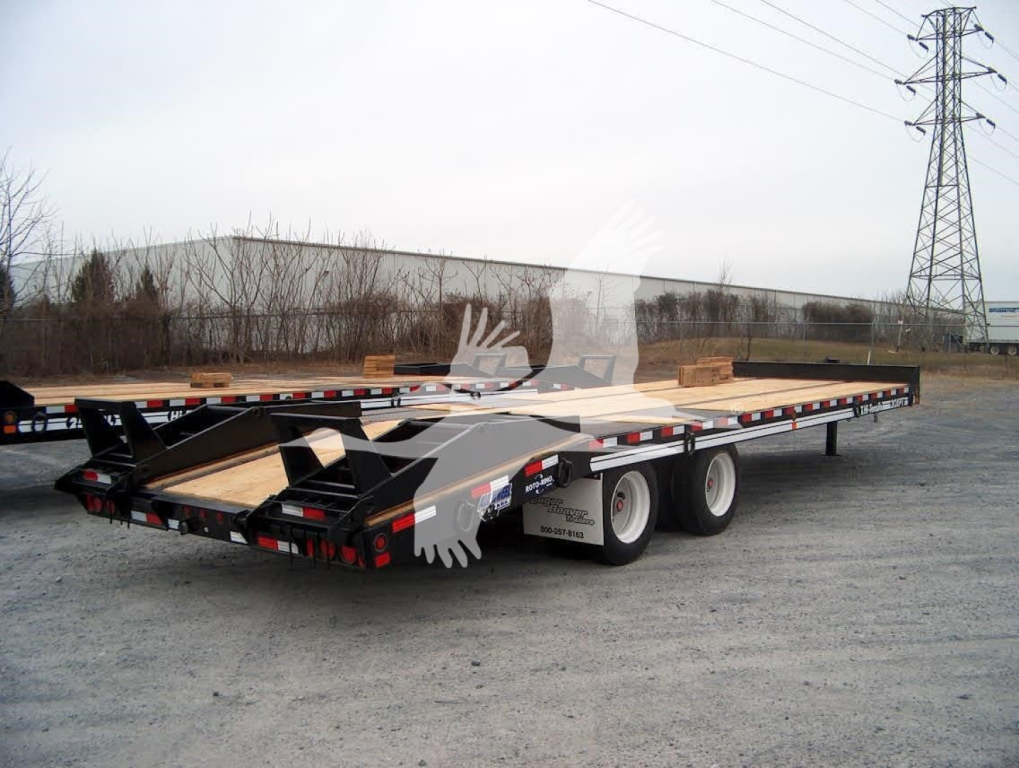
Loading setup matters as much as capacity. Many new tag trailers use a 6-foot beavertail with about an 8-degree load angle, paired with either angle-iron ramps or hydraulic wood-filled ramps. Hydraulic ramps speed up loading and reduce driver effort, especially for fleets making multiple equipment moves per day. Flooring is often Apitong or a mixed hardwood arrangement because it stands up well to steel tracks, concentrated wheel loads, and repeated loading cycles. Practical spec details such as full-width steel bulkheads, multiple pairs of D-rings, steel side rails, lockable drawbar toolboxes, adjustable pintle heights, spring brakes on all axles, and 4S/2M or 4S/3M ABS are worth comparing because they affect securement flexibility, hookup compatibility, and day-to-day durability.
For buyers comparing new 2026 tag trailers, the best value is usually found by matching trailer geometry to the equipment you actually move. Deck length, ramp style, beavertail length, floor material, and tire size all influence how easily machines load and how stable they ride. A 21-foot deck may be right for compact equipment, while a 24-foot main deck and tri-axle setup give more room for larger machines and attachments. Pennsylvania buyers should also consider road conditions, seasonal corrosion exposure, service access for suspension and brake components, and how often the trailer will be loaded on uneven job sites. A properly spec'd tag trailer should load safely, track straight, and hold up under constant commercial use without forcing compromises on the truck pulling it.
Frequently Asked Questions about New 2026 Tag Trailers in Pennsylvania
What is a tag trailer used for?
A tag trailer is used to haul equipment that is too heavy or awkward for a light equipment trailer but does not require a detachable gooseneck or lowboy. Common loads include skid steers, compact excavators, small dozers, trenchers, rollers, loaders, and attachments. Tag trailers are popular with construction, paving, utility, landscaping, and municipal fleets because they combine a low deck height, straightforward pintle hookup, and strong load securement options.
What is the difference between a 20-ton and 25-ton tag trailer?
The main differences are payload capacity, axle configuration, trailer weight, and deck space. A 20-ton tag trailer is often a tandem axle unit suited for lighter machines and simpler hauling needs. A 25-ton tag trailer is commonly built with three axles and may include a lift axle, giving more carrying capability and better distribution for heavier equipment. Buyers should compare not only the ton rating, but also GVWR, empty weight, deck length, ramp system, and the towing truck’s rated capacity.
Are hydraulic ramps better than flip-over or angle-iron ramps on a tag trailer?
Hydraulic ramps are usually the better choice for fleets that load often, handle heavier machines, or want faster turnaround with less manual effort. They also tend to provide a more controlled loading process and can be easier to use on uneven ground. Angle-iron or manual ramps cost less and are simpler, but they require more labor and may be less convenient in high-cycle operations. The right choice depends on loading frequency, operator preference, and the type of equipment being hauled.
What should Pennsylvania buyers look for in a new tag trailer?
Pennsylvania buyers should look closely at brake system spec, ABS, suspension type, corrosion resistance, and hitch height compatibility with the intended truck. Road salt, rough seasonal conditions, and mixed highway and jobsite use make durable finishes, dependable wiring, and easy-to-service running gear important. Buyers should also verify that the trailer’s deck length, beavertail angle, floor material, and D-ring placement fit the machines they move most often, not just the heaviest machine they move occasionally.
How do I know if my truck can pull a tag trailer safely?
Start with the truck’s towing rating, hitch rating, frame capability, brake system, and registration or legal weight limits. Then compare those numbers to the trailer GVWR, empty weight, and the actual operating weight of the equipment plus attachments, chains, and tools. Pintle height range and tongue load are also important because poor trailer attitude can affect braking, tire wear, and loading angle. A safe match is based on the entire combination, not just the trailer’s advertised ton rating.