
New Tag Trailers For Sale
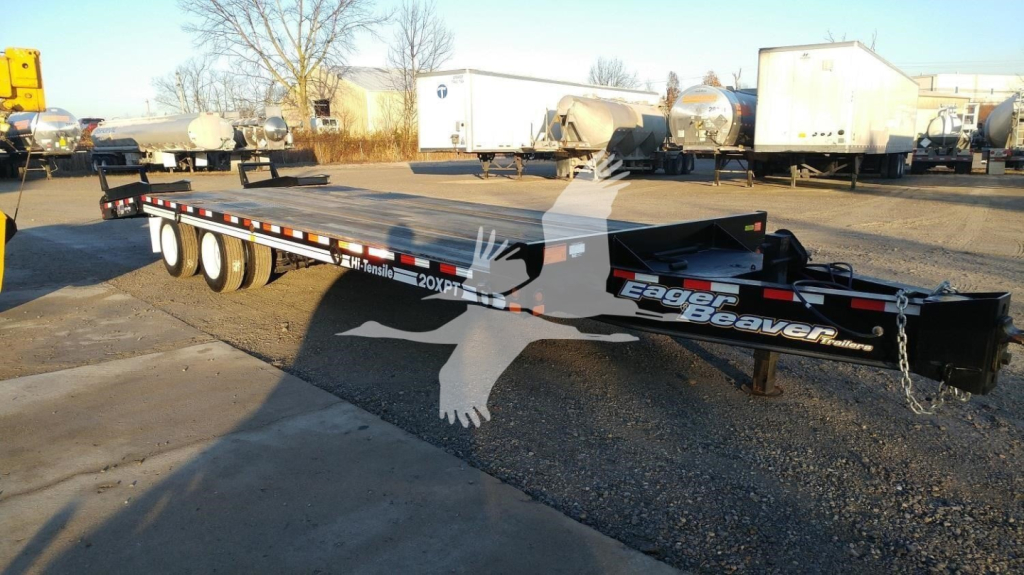
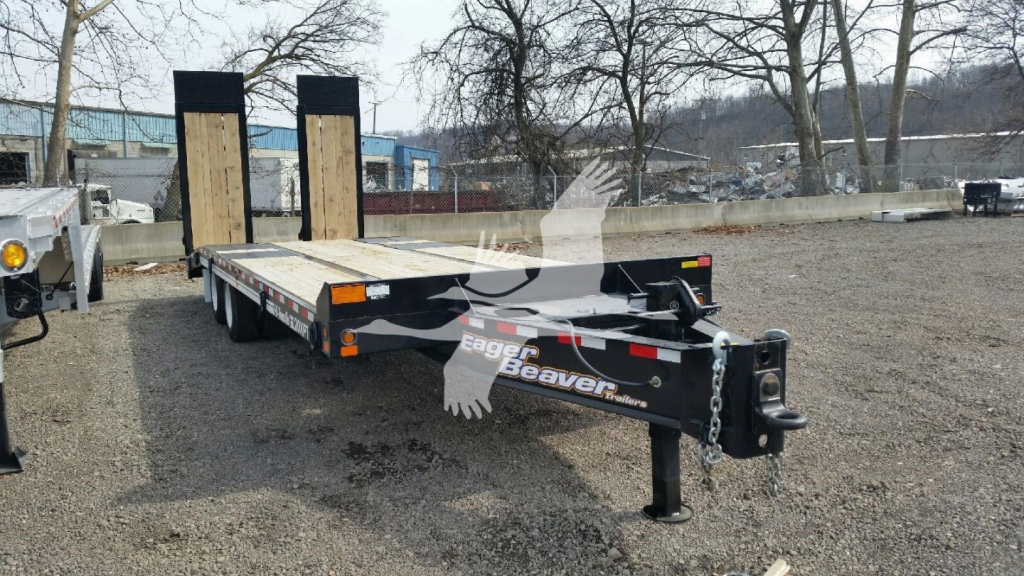
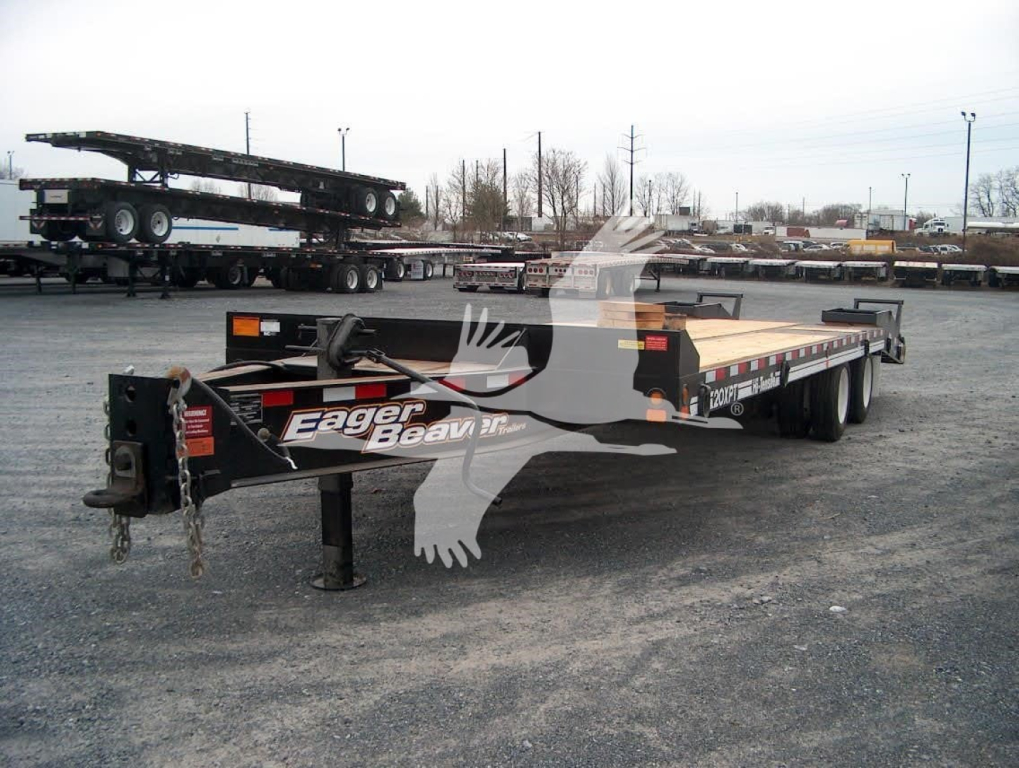
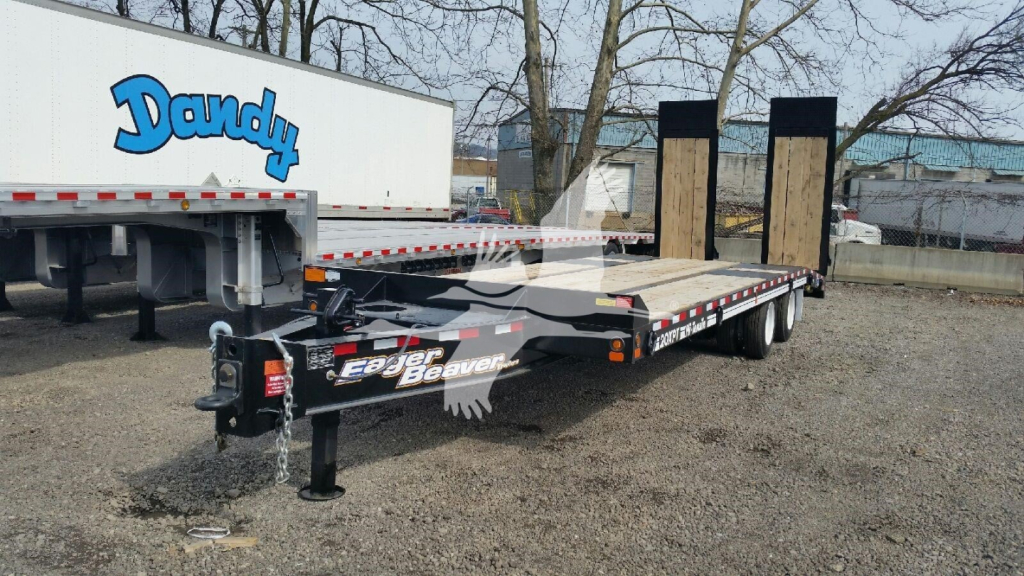
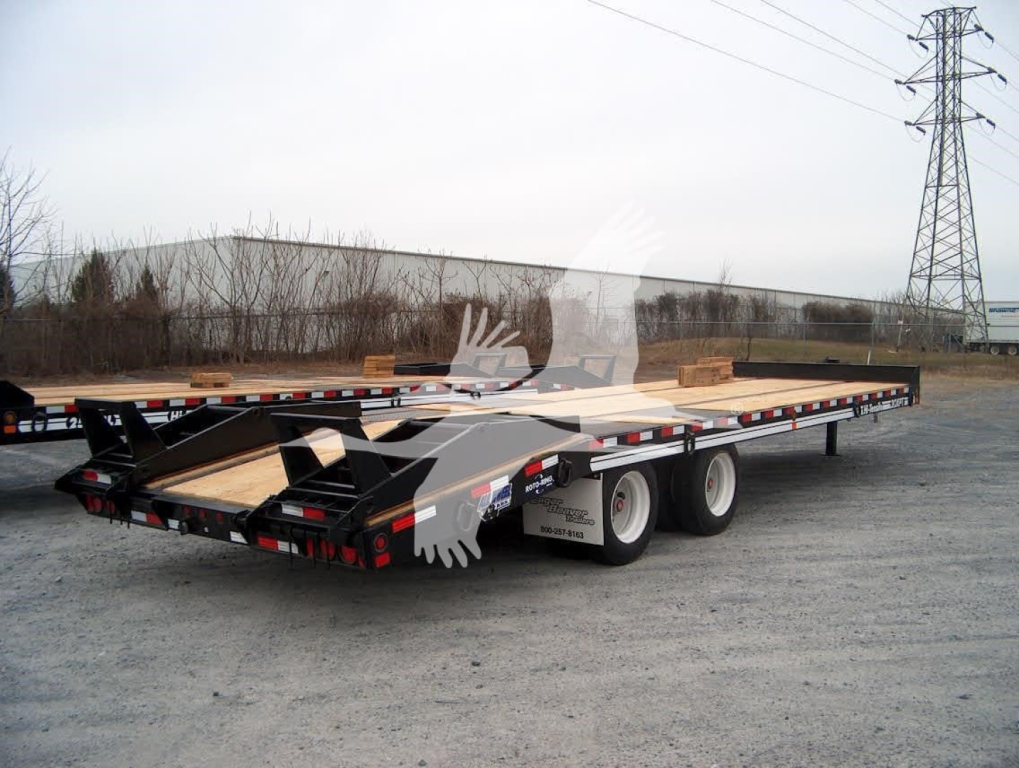
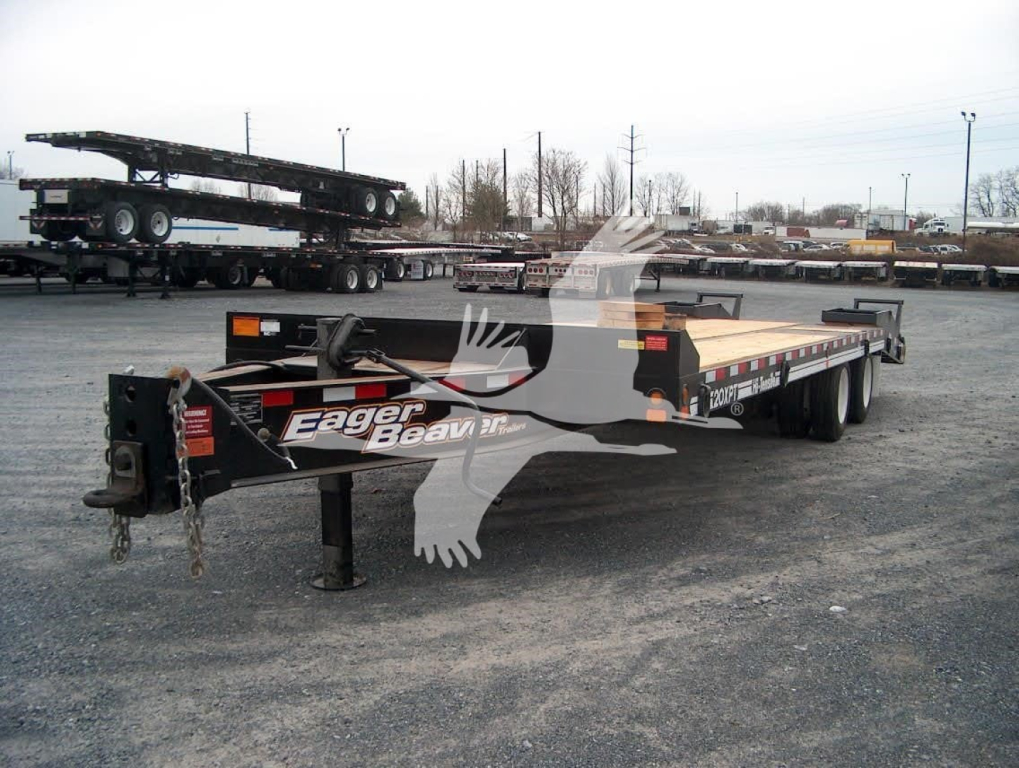
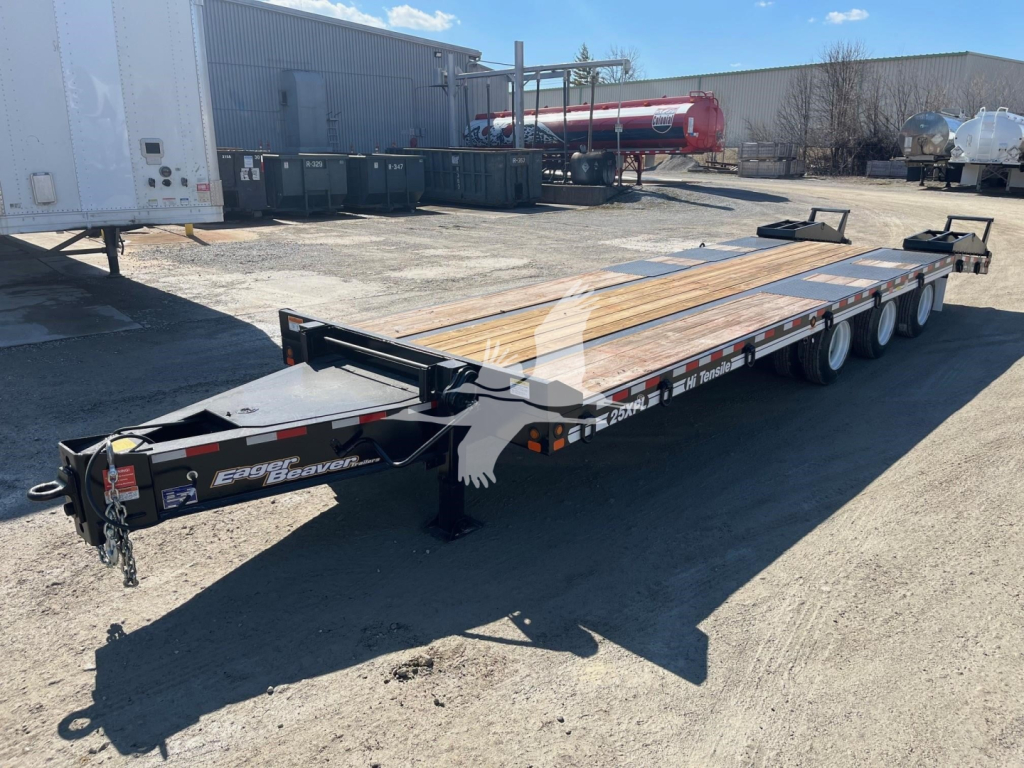
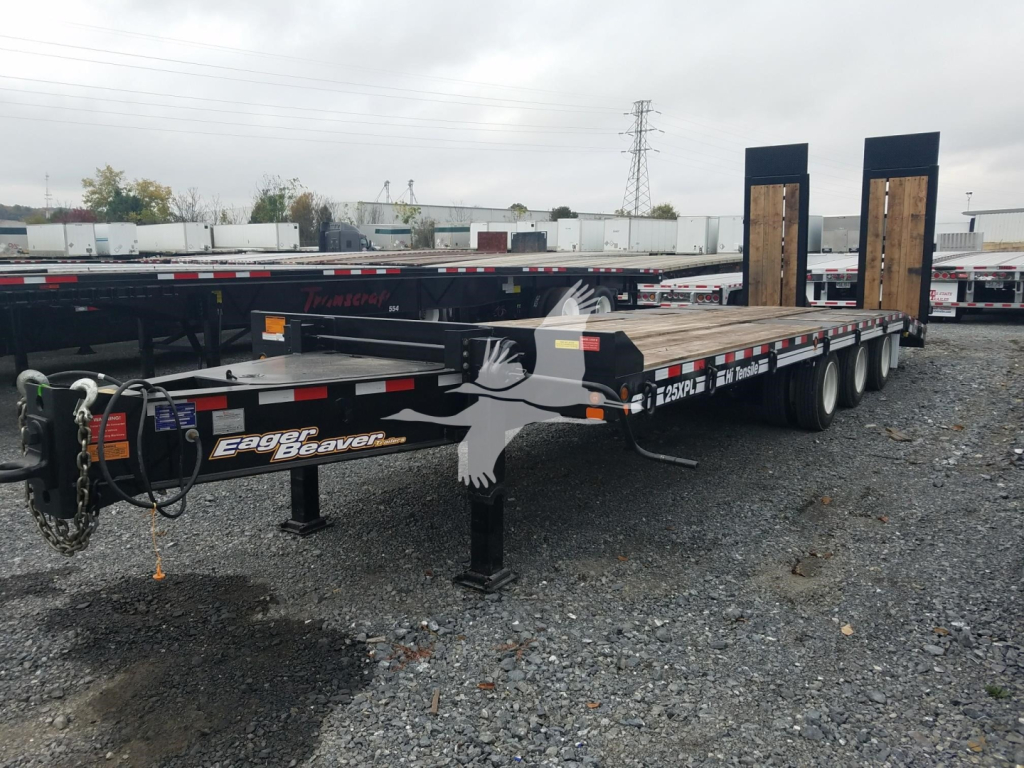
New tag trailers for hauling equipment and machinery. Compare 20-ton to 25-ton tag trailers with ramps, beavertails, pintle hitches, and steel frames.
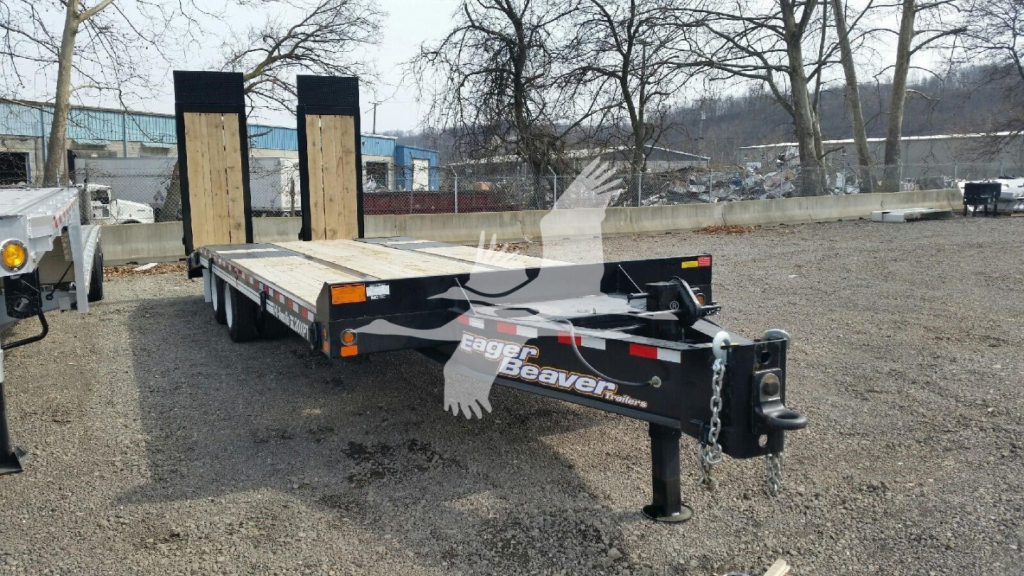
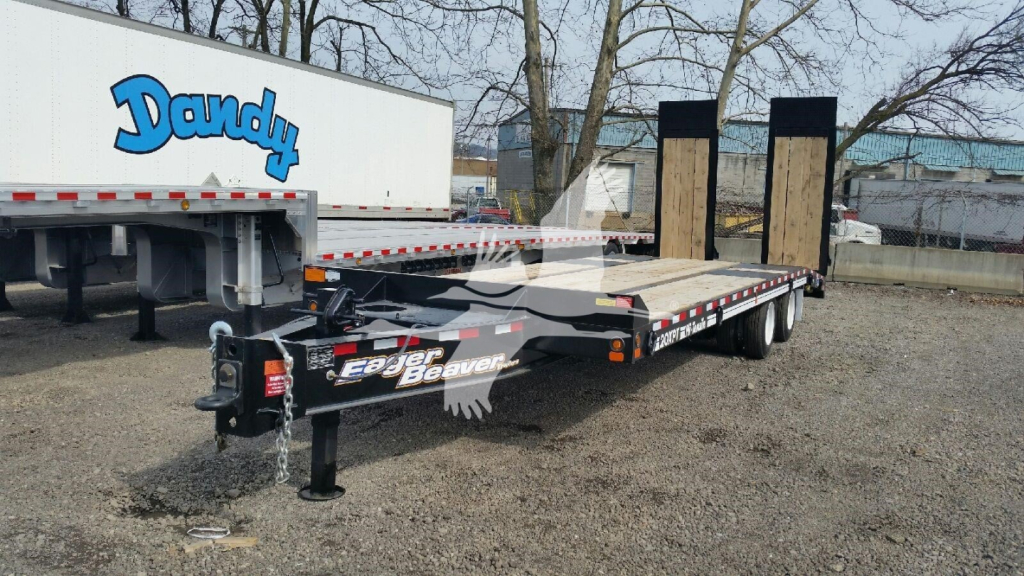
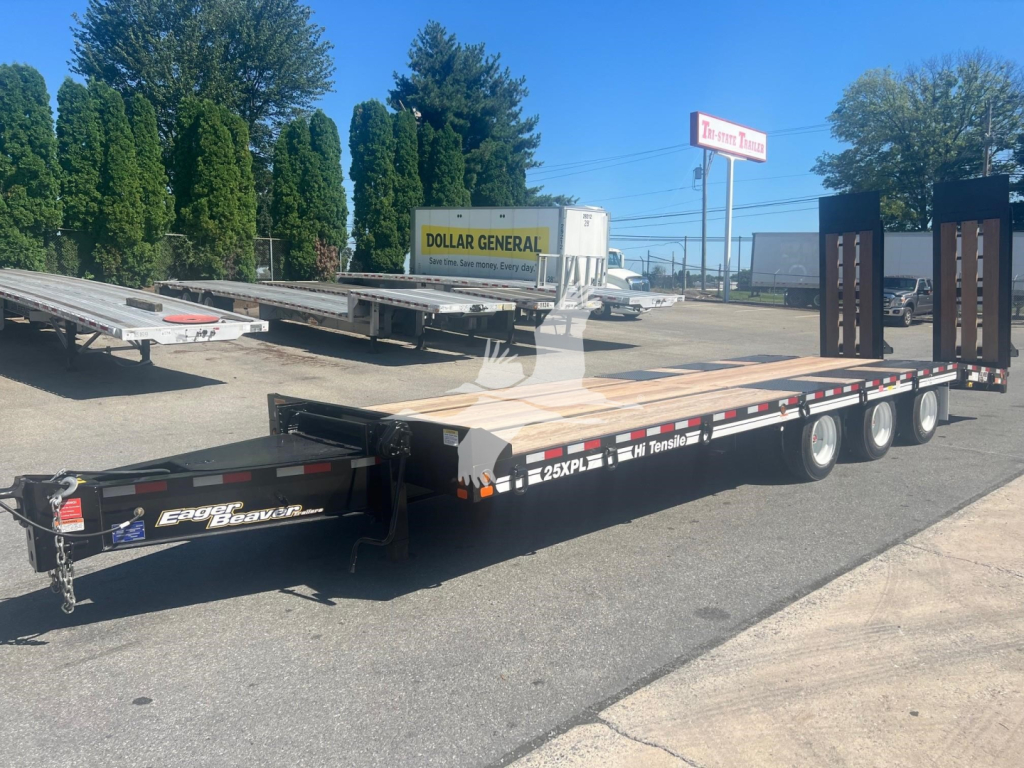
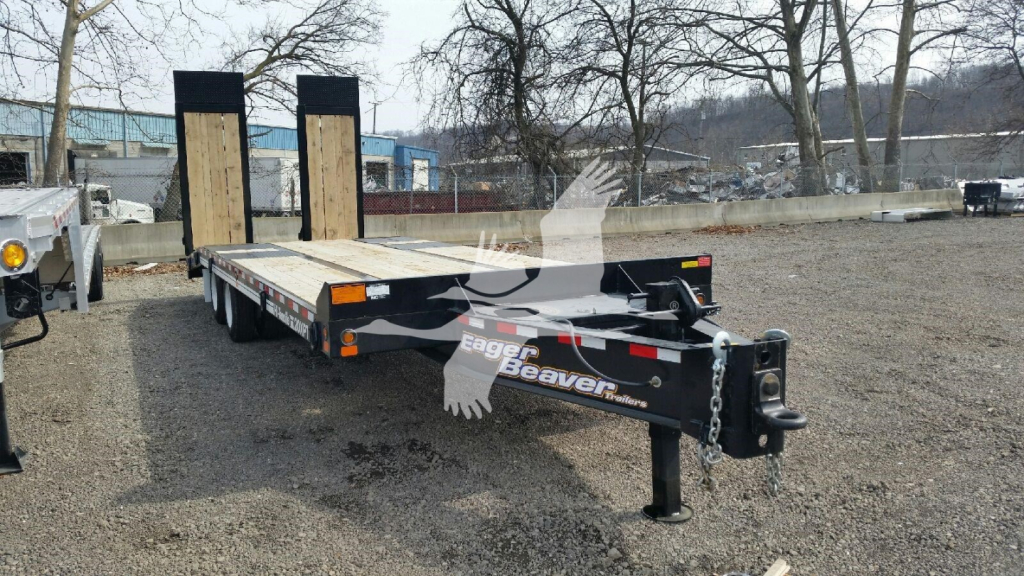
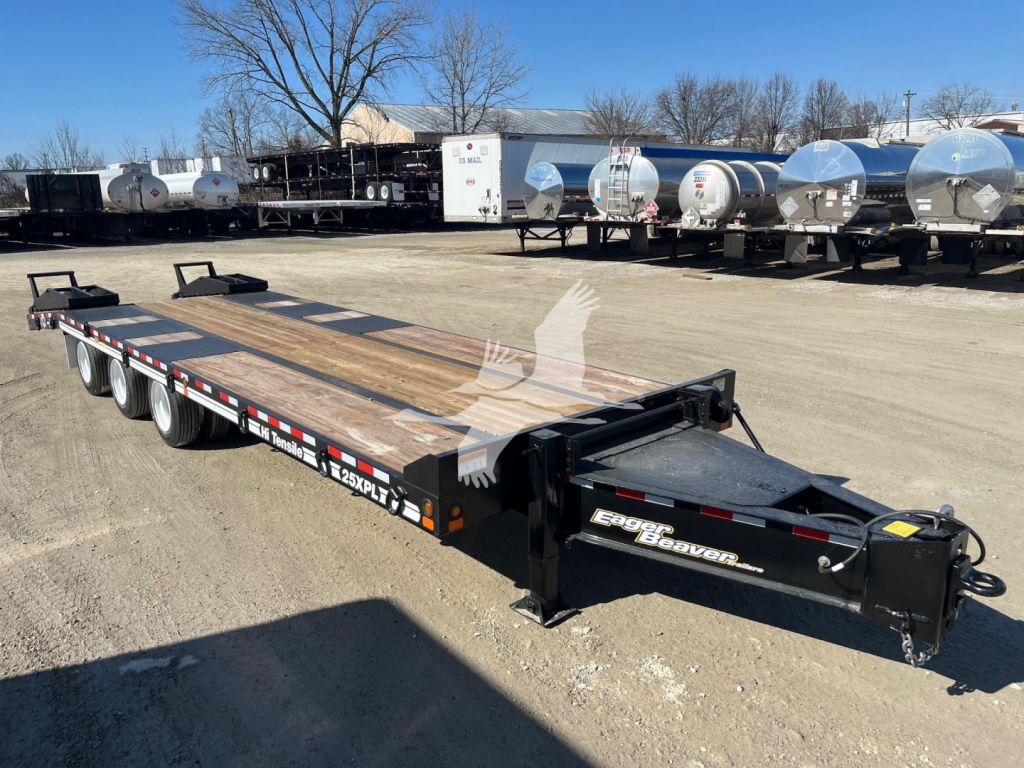
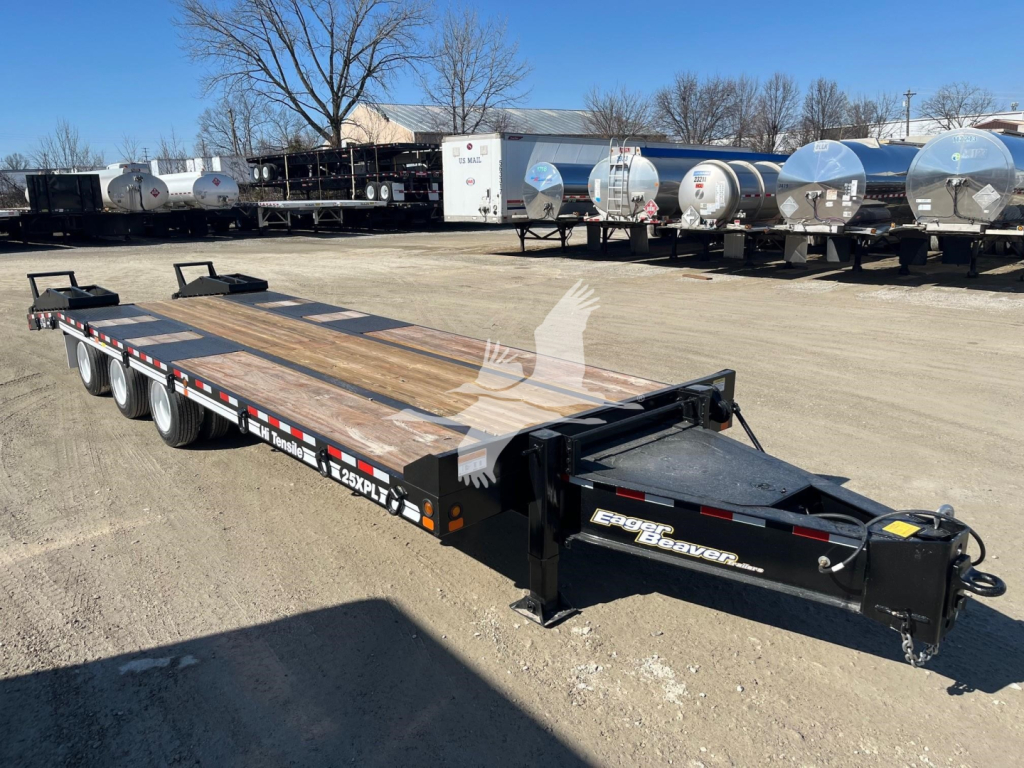
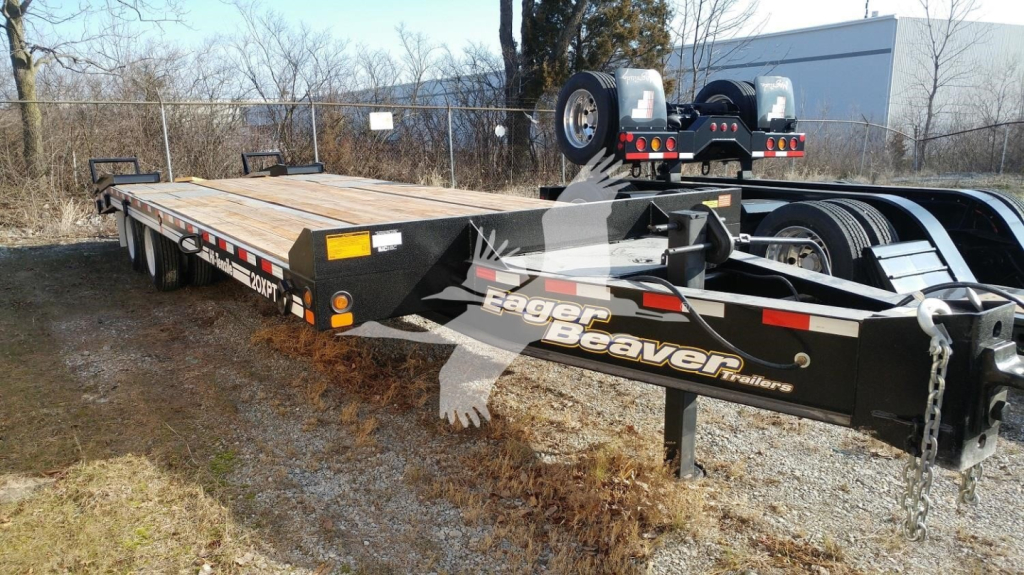
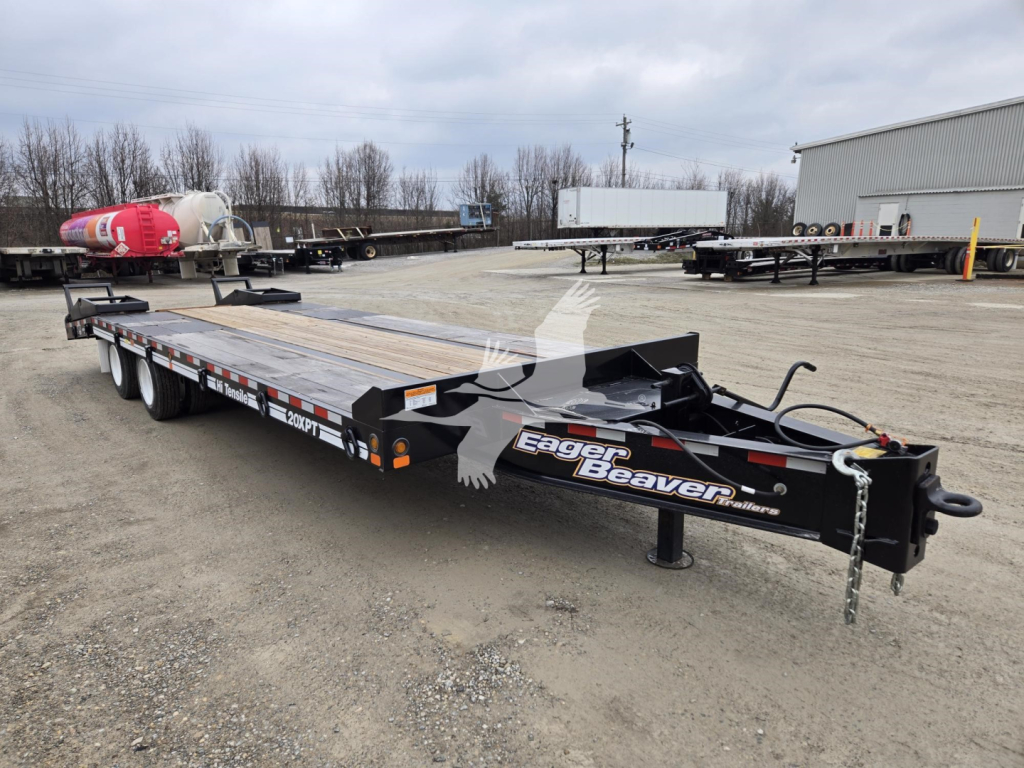
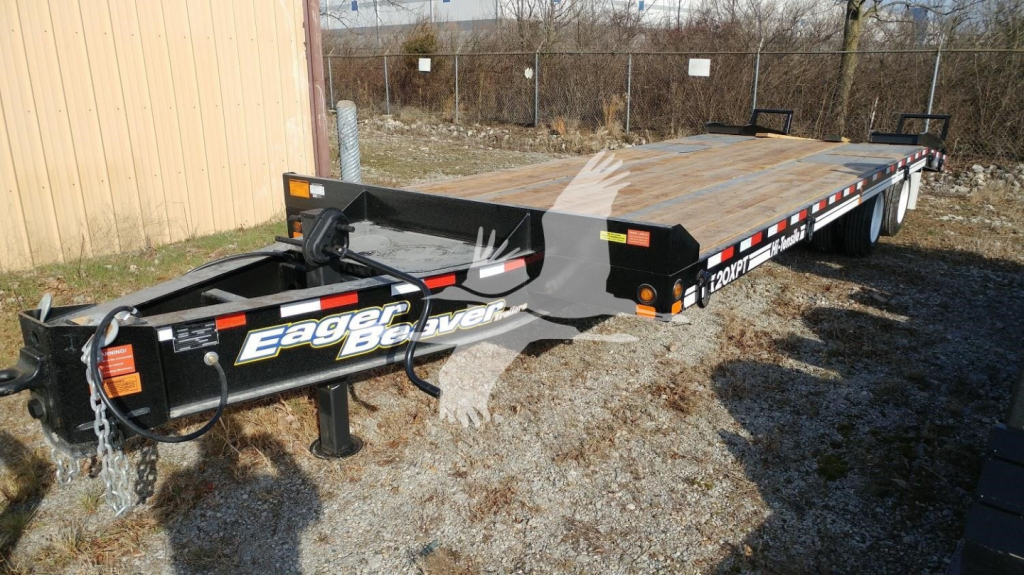
Selling a new tag trailer? List your new tag trailer for sale and reach thousands of commercial buyers.
New Tag Trailers
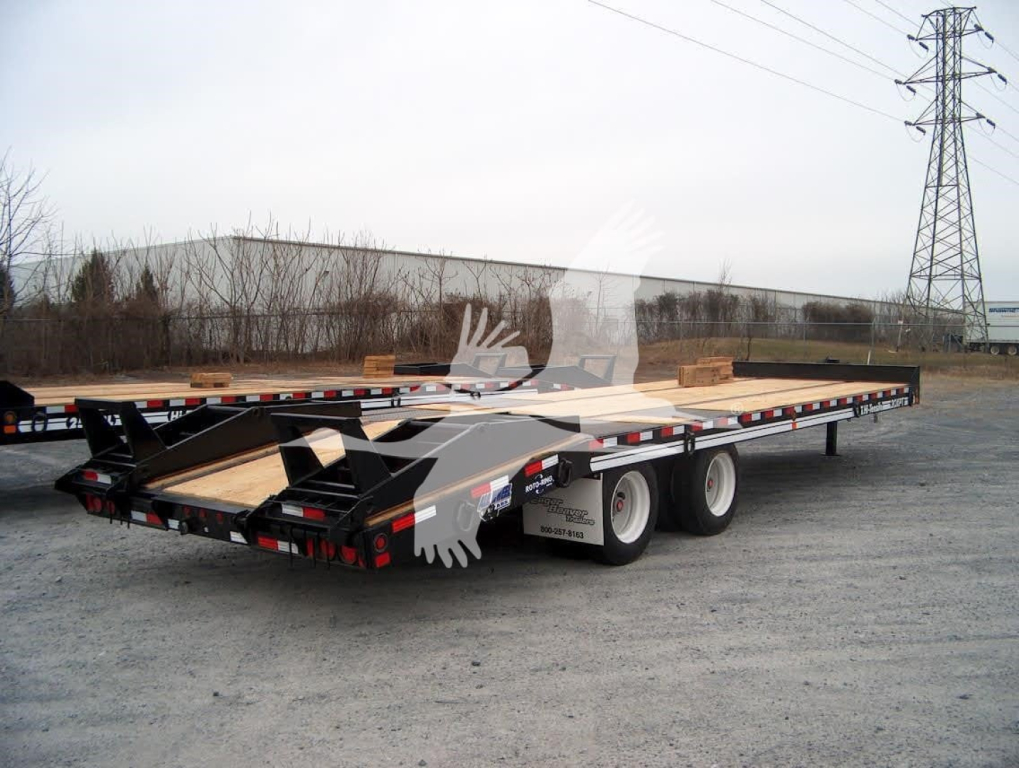
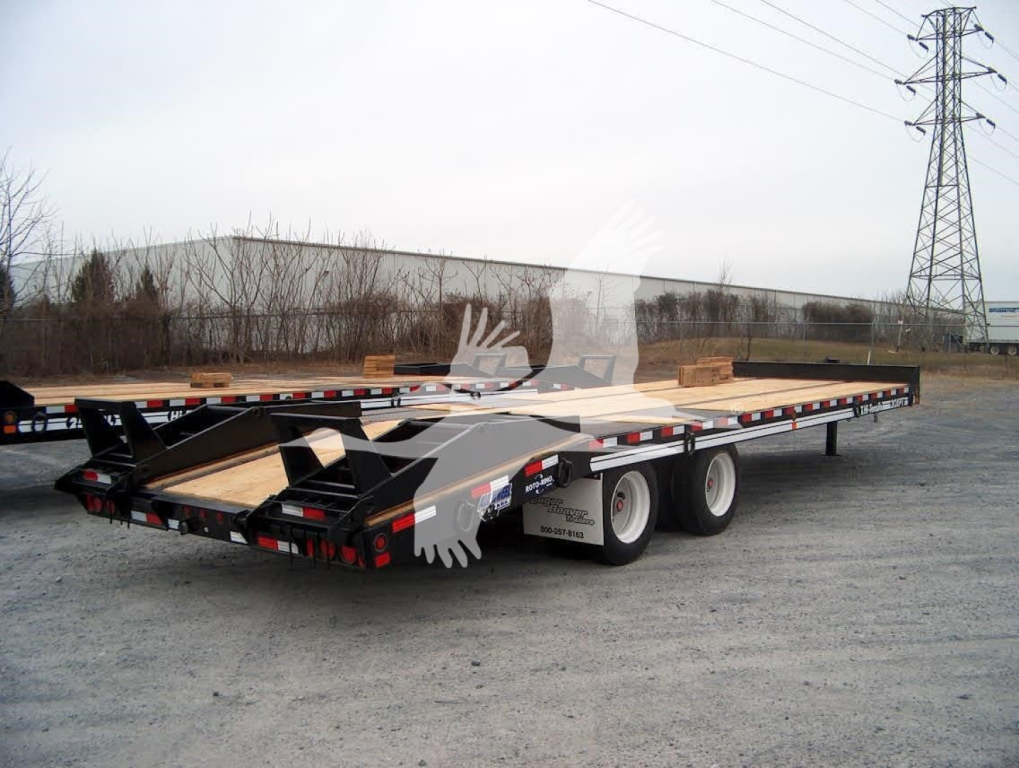
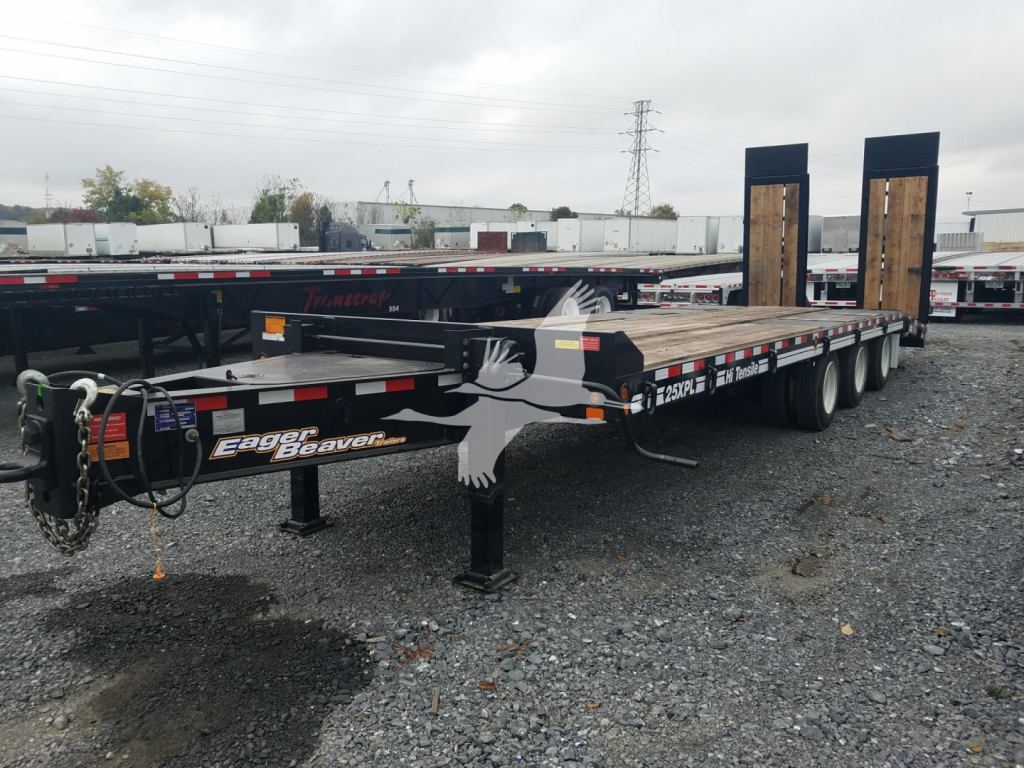
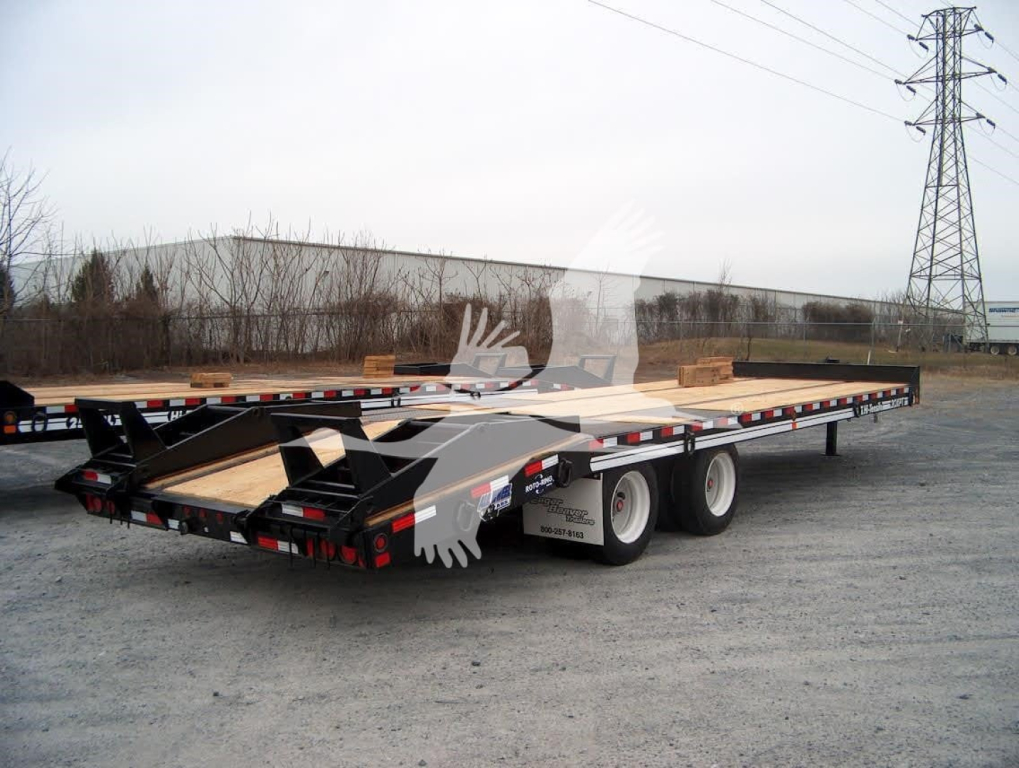
A good tag trailer setup is defined by loading geometry as much as by gross capacity. Main deck height, beavertail length, and ramp angle directly affect whether low-clearance machines can load without dragging. Many new tag trailers use a 102-inch-wide deck, a 6-foot beavertail, and stand-up steel ramps sized to the trailer's ton rating. Main deck lengths in the low-20-foot range are common, with overall lengths in the mid-30-foot range. Apitong or other hardwood deck surfaces remain popular because they hold up well under tracked equipment and concentrated point loads, while steel side rails, D-rings, bulkheads, and lockable tool storage add practical tie-down and daily-use value.
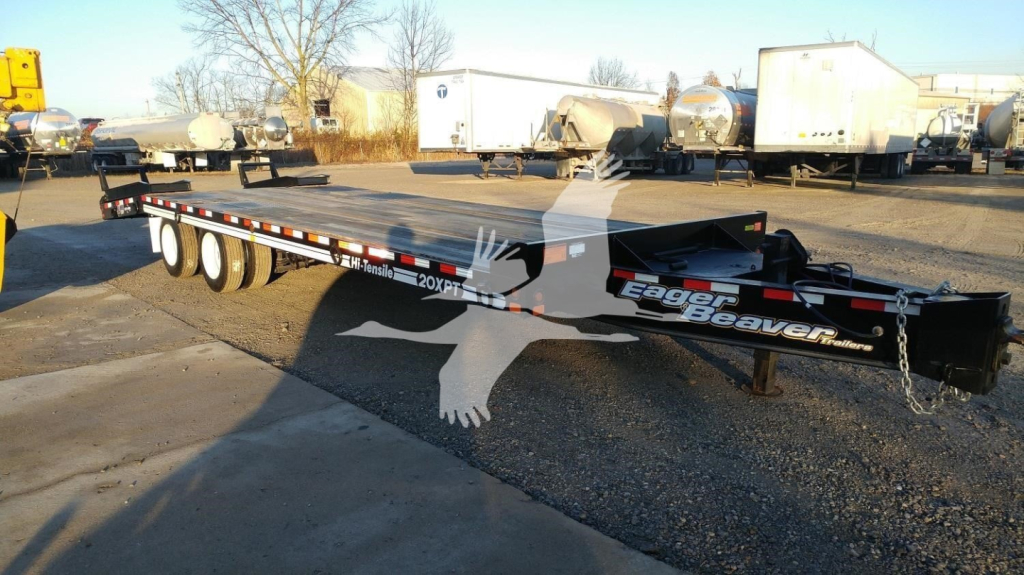
Suspension and axle configuration should match the kind of work the trailer sees every week. Tandem axle 20-ton tags are a strong fit for compact and medium equipment fleets that want lower empty weight and simpler maintenance. Tri-axle 25-ton tags make more sense when payloads run heavier or when a lift axle helps manage bridge compliance, tire scrub, and maneuverability. Spring ride remains common in this class for durability and cost control, though some trailers add air-assisted components on lift axles. Buyers should also pay attention to brake package, ABS configuration, tire size, landing gear type, pintle height adjustment range, and whether spring brakes are installed on all axles.
Frame construction, ramp design, and tie-down layout separate a trailer that only looks good on paper from one that works every day. Look closely at crossmember spacing, side rail thickness, deck material, ramp support, and the number and placement of D-ring pairs. If the trailer will spend time on uneven jobsites or in municipal and utility work, ground clearance and rear support matter. If it will haul tracked machines daily, deck replacement cost and floor durability matter just as much. New tag trailers are a practical choice for fleets that need a rugged, straightforward equipment hauler with a low deck, quick loading, and the flexibility of a pintle-style connection.
Frequently Asked Questions about New Tag Trailers
What is a tag trailer used for?
A tag trailer is used to haul equipment and machinery behind a truck with a pintle hitch. Common loads include skid steers, mini excavators, compact track loaders, rollers, trenchers, and small to mid-size construction machines. The low deck, beavertail, and rear ramps make tag trailers well suited for equipment that needs to be loaded quickly at jobsites, yards, and roadside work zones.
What is the difference between a tag trailer and a detachable gooseneck trailer?
A tag trailer connects at the rear of the tow vehicle with a pintle hitch, while a detachable gooseneck trailer connects to a fifth wheel and loads from the front after the neck detaches. Tag trailers are generally simpler, lighter, and easier to pair with vocational trucks already set up with pintle hitches. A detachable gooseneck is often the better fit for heavier machinery and higher-capacity hauling, but it usually comes with more trailer weight, higher cost, and a different truck requirement.
How do I choose between a 20-ton and 25-ton tag trailer?
The right choice depends on the actual operating weight of the equipment, attachments, fuel, and any additional gear carried on the deck. A 20-ton tag trailer is often enough for compact and medium machines and can help keep empty weight lower. A 25-ton tag trailer provides more payload margin and is better for heavier equipment or mixed fleets where load weights vary. Buyers should verify gross vehicle weight rating, axle ratings, legal bridge considerations, and the tow vehicle's hitch and braking capacity before selecting a tonnage class.
Why do beavertail length and ramp angle matter on a tag trailer?
Beavertail length and ramp angle determine how easily equipment can be loaded without dragging, high-centering, or creating unsafe approach angles. Machines with low ground clearance, longer wheelbases, or attachments close to the ground benefit from a gentler loading angle. A longer beavertail and properly matched ramps can reduce loading problems, speed up cycle times, and limit damage to the trailer deck, ramp hinges, and the equipment being hauled.
What specs matter most when comparing new tag trailers for sale?
The most important specs are ton rating, axle count, overall length, usable deck length, deck height, trailer width, beavertail design, ramp capacity, suspension type, brake system, and hitch adjustment range. Buyers should also review deck material, tie-down points, toolbox provision, tire size, wheel type, and whether the trailer uses spring brakes on all axles. These details affect real-world durability, legal compliance, ease of loading, and how well the trailer matches the truck pulling it.