
New 2025 Tag Trailers For Sale
Shop new 2025 tag trailers for hauling equipment, compact machines, and medium-duty loads with low deck heights, ramps, and pintle towing.
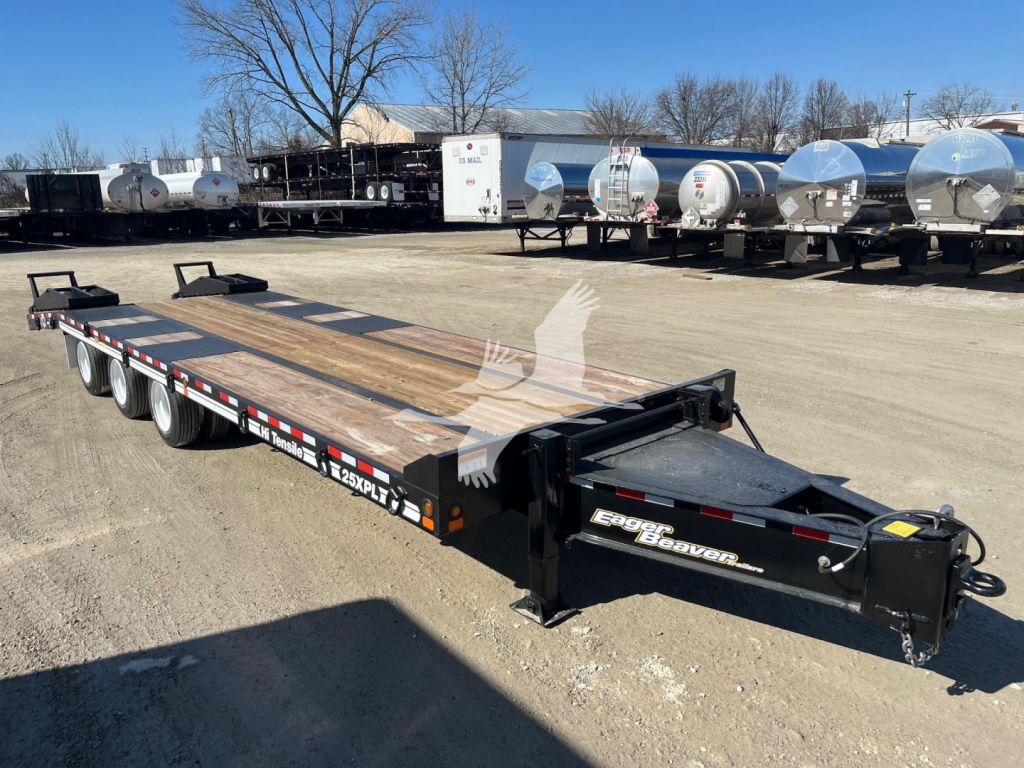
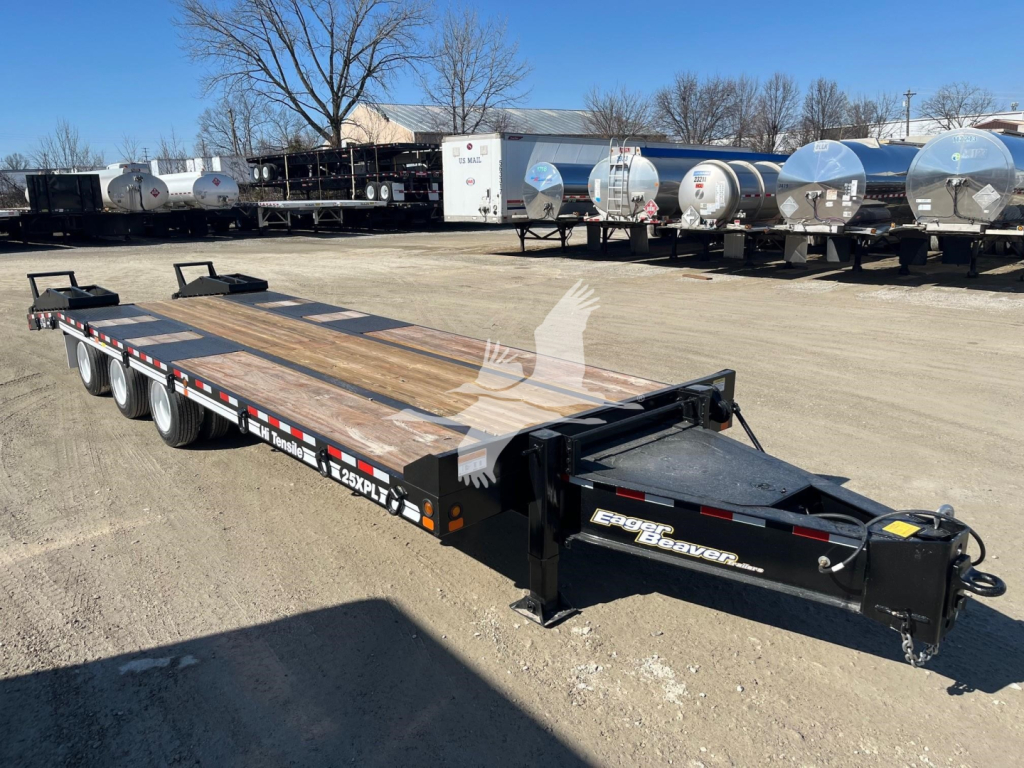
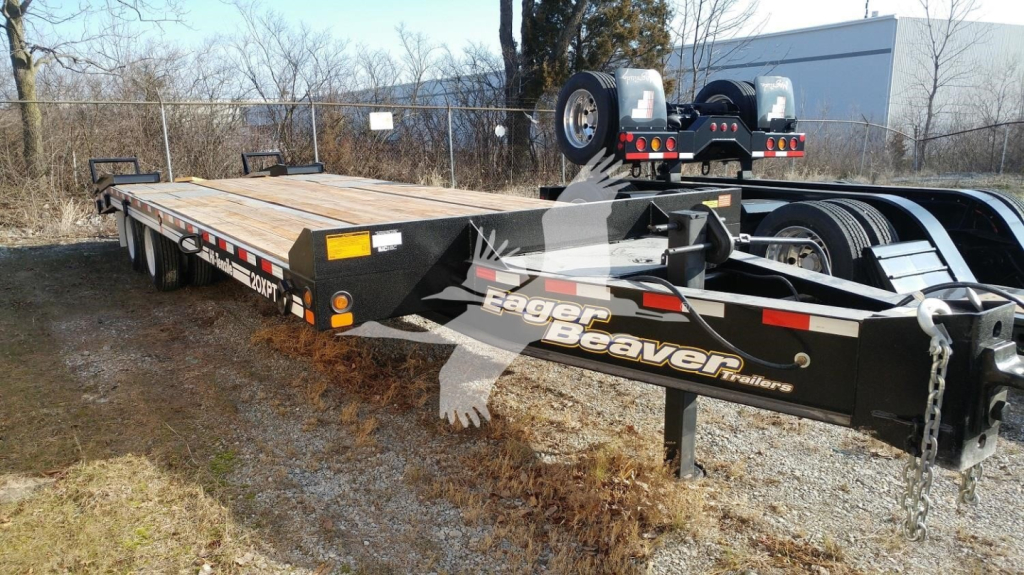
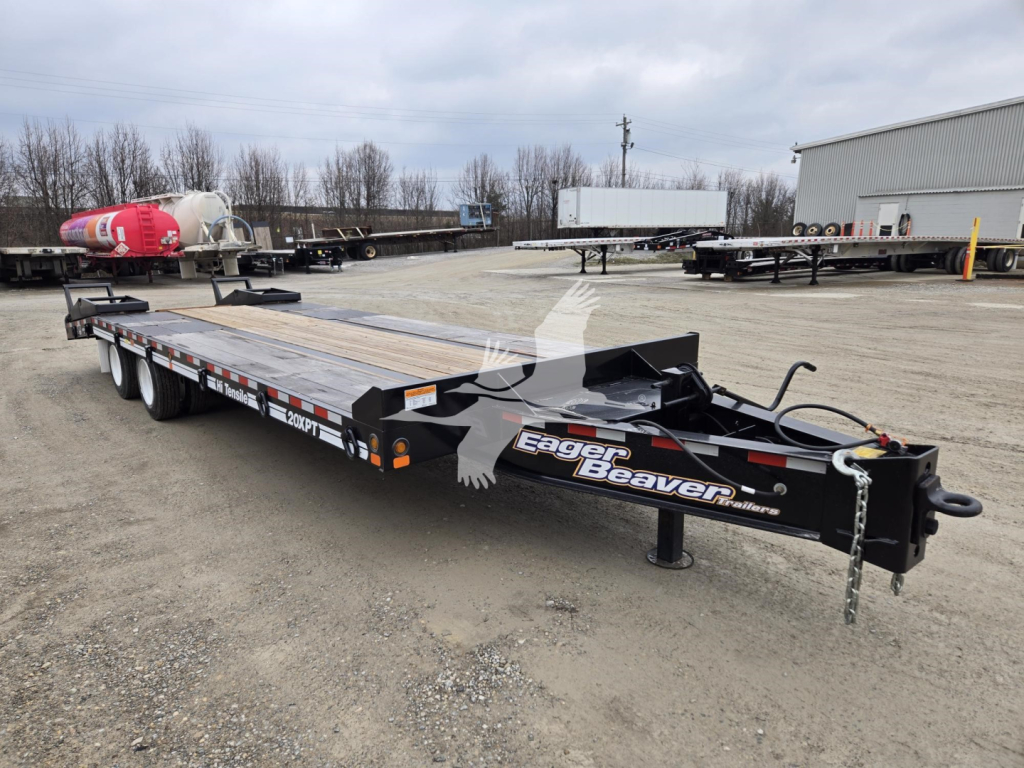
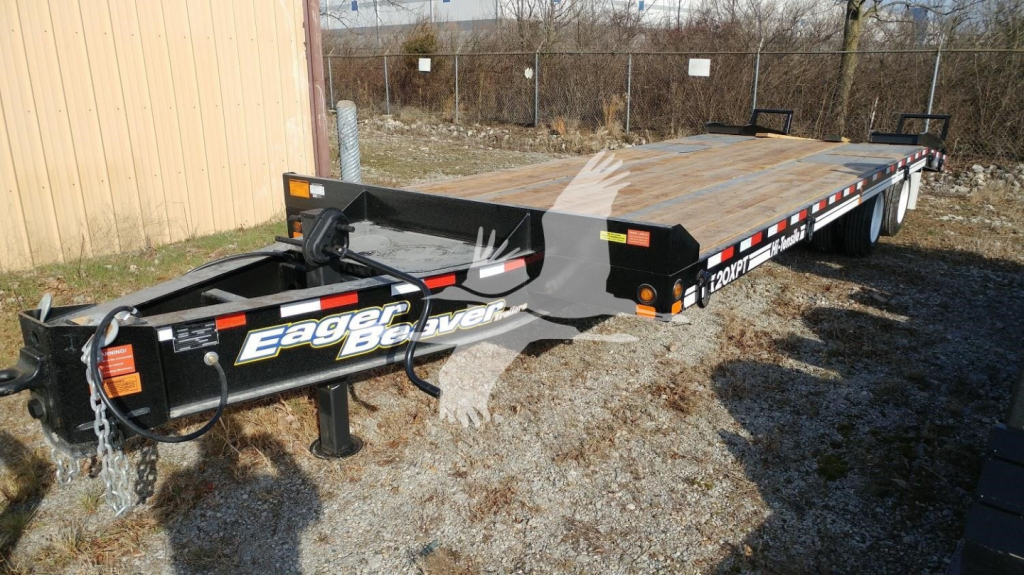
Selling a new 2025 tag trailer? List your new 2025 tag trailer for sale and reach thousands of commercial buyers.
New 2025 Tag Trailers
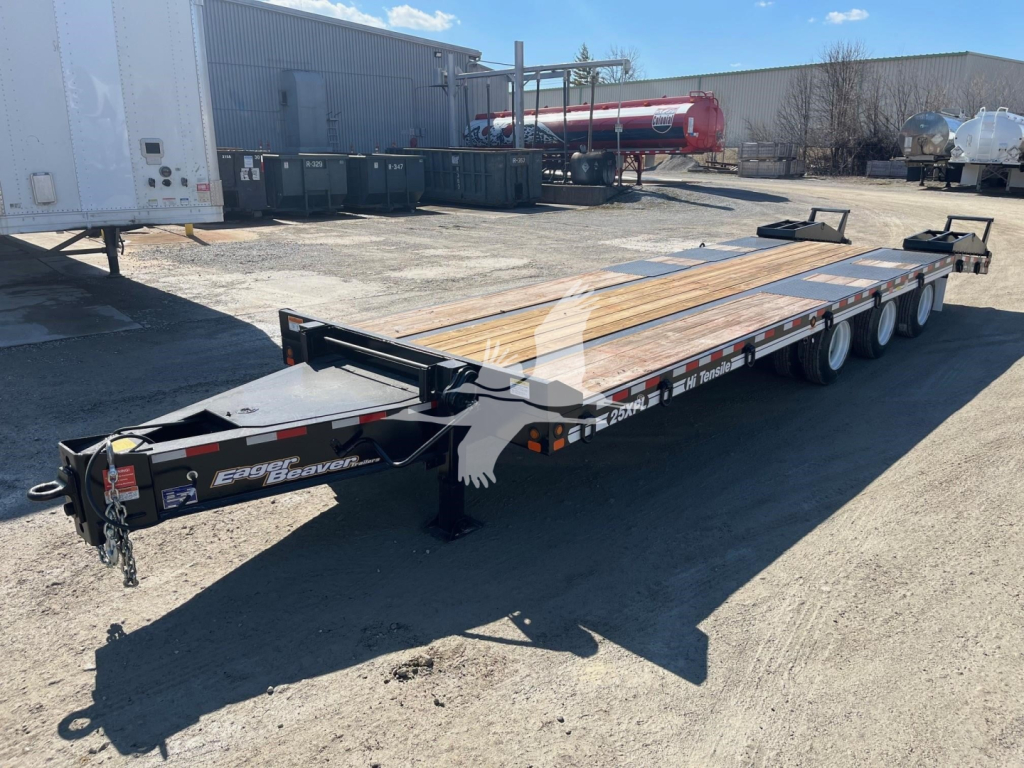
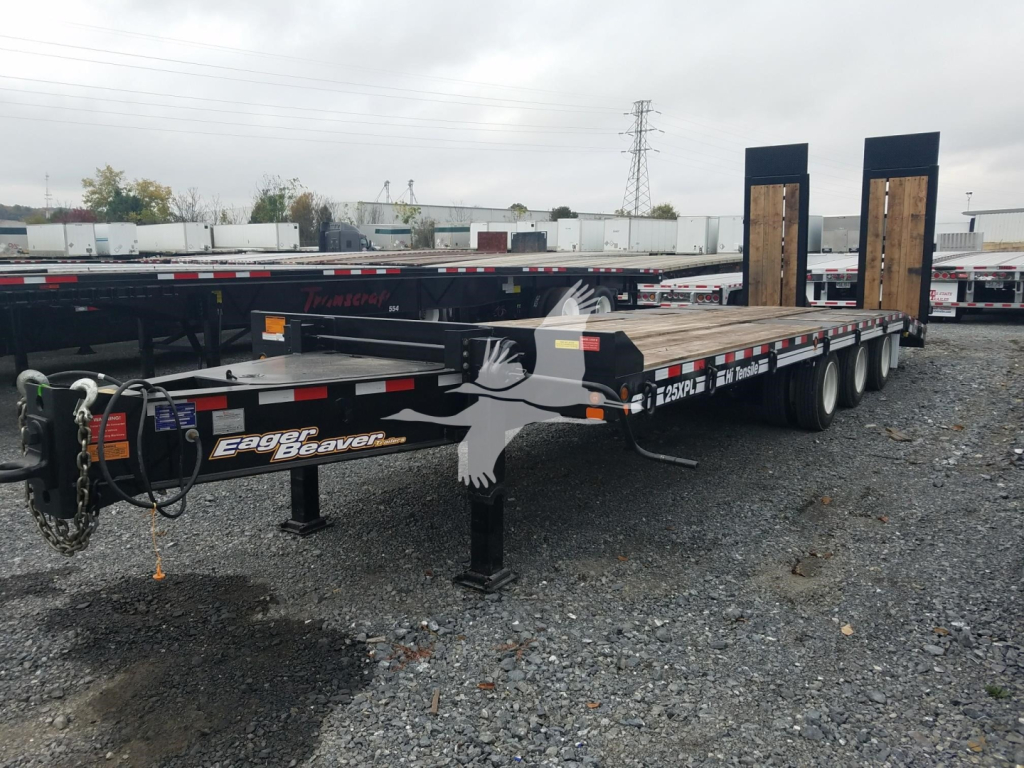
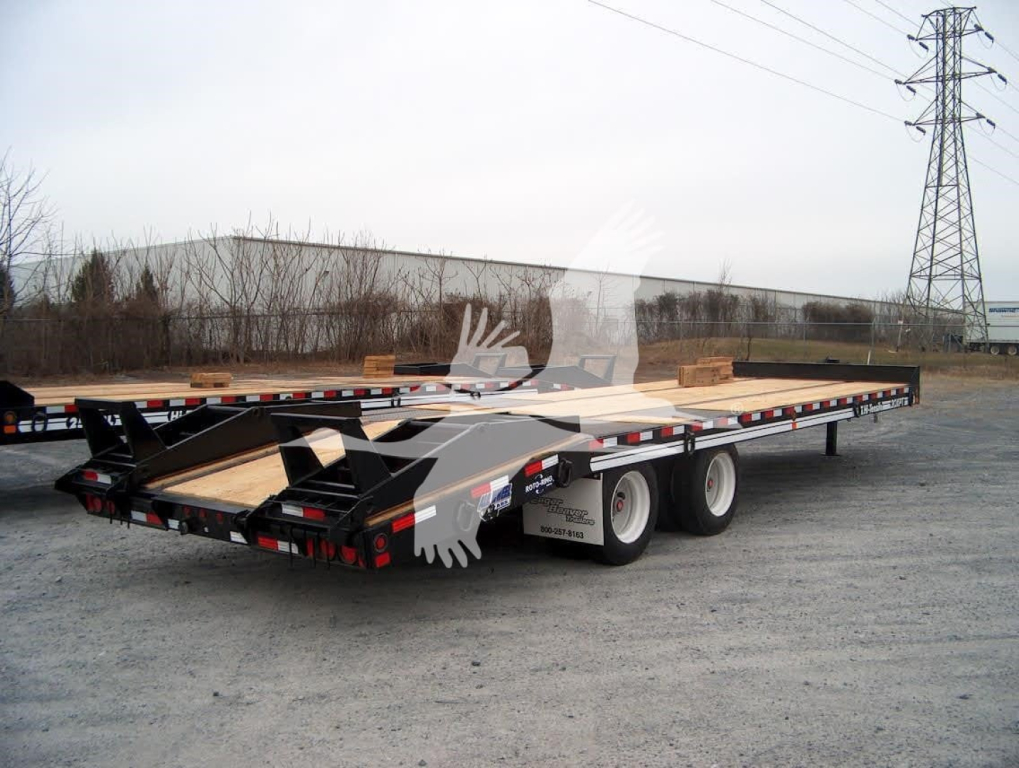
The specs that matter most usually start with capacity, deck geometry, and axle configuration. Many 2025 tag trailers in the 25-ton class run a 102-inch wide deck, a main deck around 24 feet, overall length near 37 feet, and deck height in the mid-30-inch range. A 6-foot beavertail with about an 8-degree load angle is common because it helps balance ground clearance with easier loading for compact track loaders and rubber-tire equipment. Buyers should also compare ramp design closely. Angle iron ramps are simple and durable, while hydraulic ramps improve loading speed and reduce operator effort, especially when machines are loaded several times a day. Deck construction is another practical detail, with hardwood such as apitong often used in high-wear outer sections for better durability.
Suspension and brake setup affect both durability and ride quality. Spring ride remains common on tag trailers because it is proven, simple to service, and well suited for vocational fleets. Some models add a lift axle or air-assisted axle arrangement to improve tire life, bridge compliance, or loaded flexibility. Standard features often include ABS, spring brakes on all axles, steel wheels, adjustable pintle height, landing gear, and multiple pairs of D-rings for securement. A full-width steel bulkhead, steel side rails, lockable toolbox space in the drawbar area, and wood-filled or traction-style ramps are all worth comparing because they influence day-to-day usability more than headline capacity numbers alone.
For buyers narrowing down 2025 tag trailers for sale, the best choice usually comes down to matching the trailer to the heaviest machine, the longest wheelbase you load, and the truck that will pull it. Check the trailer's weight rating against real payload, not just machine brochure weight, and account for buckets, hammers, fuel, and attachments. Confirm pintle height range, loaded deck height, ramp width, and securement points before buying. If the work involves frequent moves on rough jobsites, a robust frame, quality suspension components, and dependable ramp system typically matter more than cosmetic upgrades. A well-matched new tag trailer should load quickly, track straight, and hold up under repetitive equipment hauling with minimal downtime.
Frequently Asked Questions about New 2025 Tag Trailers
What is a tag trailer used for?
A tag trailer is mainly used to haul construction and industrial equipment such as skid steers, mini excavators, small dozers, rollers, tractors, and attachments. It is designed to tow behind a truck using a pintle hitch, making it a common choice for contractors and public works fleets that need a practical equipment hauler without stepping up to a larger lowboy or detachable gooseneck trailer.
What should I look for when buying a new 2025 tag trailer?
Start with rated capacity, deck length, deck height, beavertail angle, and ramp style. Then confirm axle configuration, suspension type, brake package, tire size, and pintle height adjustment. Buyers should also review securement points, floor material, bulkhead design, toolbox storage, and whether the trailer includes features like a lift axle or hydraulic ramps. The goal is to match the trailer to the actual machine mix and the truck that will be pulling it.
Are hydraulic ramps better than flip-over or angle iron ramps on a tag trailer?
Hydraulic ramps are often better for fleets that load equipment frequently because they reduce manual labor, speed up loading cycles, and can improve safety when handling heavier machines. Angle iron or flip-over ramps are simpler and usually cost less, and they remain a solid choice for operators who want fewer hydraulic components to maintain. The right answer depends on loading frequency, machine weight, and how much value you place on operator convenience.
How much capacity does a typical tag trailer have?
Tag trailers cover a wide range of capacities, but many equipment-focused models fall into the 10-ton to 25-ton range, with some built heavier. The listed capacity should always be reviewed alongside trailer empty weight, axle ratings, and the legal requirements in the states where the trailer will operate. Practical payload can change depending on configuration, attachments, and how the load must be positioned for proper tongue weight and axle balance.
What is the difference between a tag trailer and a lowboy trailer?
A tag trailer is a pintle-hitch equipment trailer with a fixed deck, beavertail, and rear ramps, while a lowboy typically uses a fifth-wheel tractor and a detachable or fixed gooseneck design for heavier and taller machinery. Tag trailers are generally simpler and more economical for mid-weight equipment. Lowboys are better suited for larger machines, lower deck heights, and applications where payload and height restrictions require a more specialized heavy haul setup.