
New 2025 Tag Trailers For Sale in Ohio
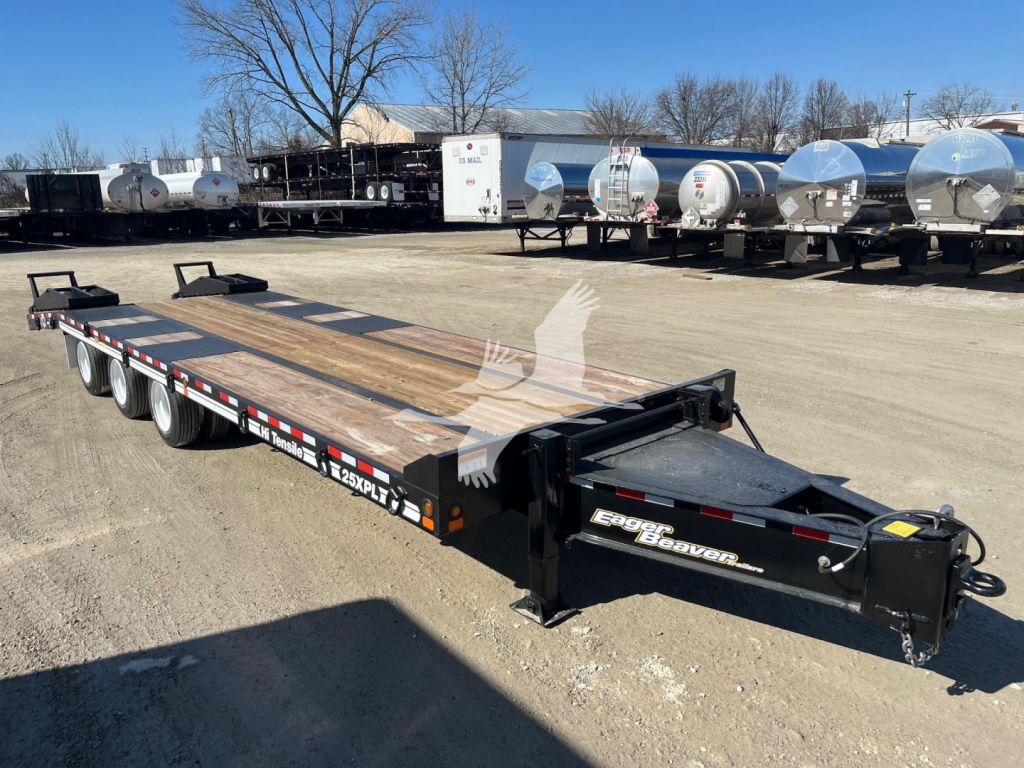
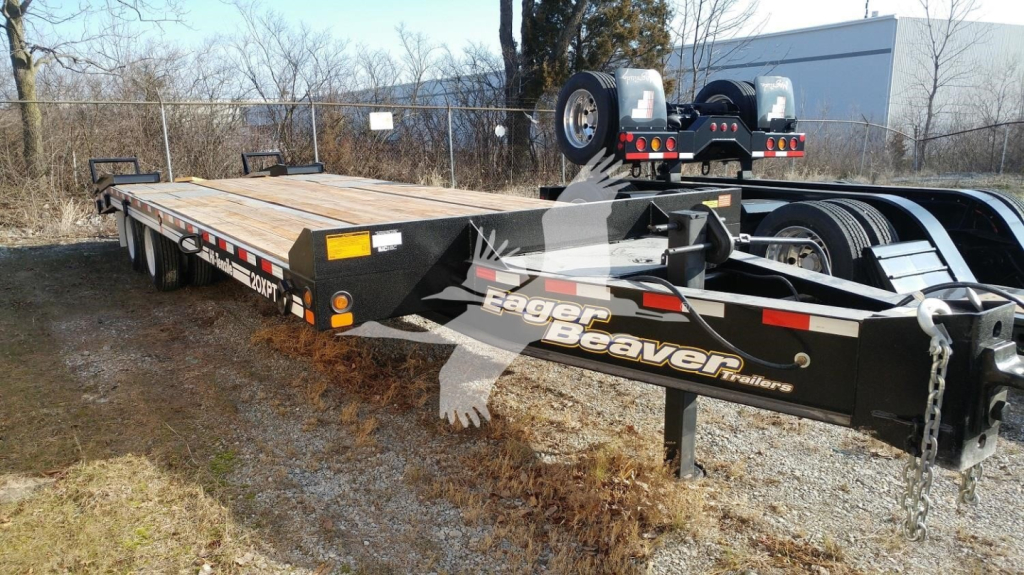
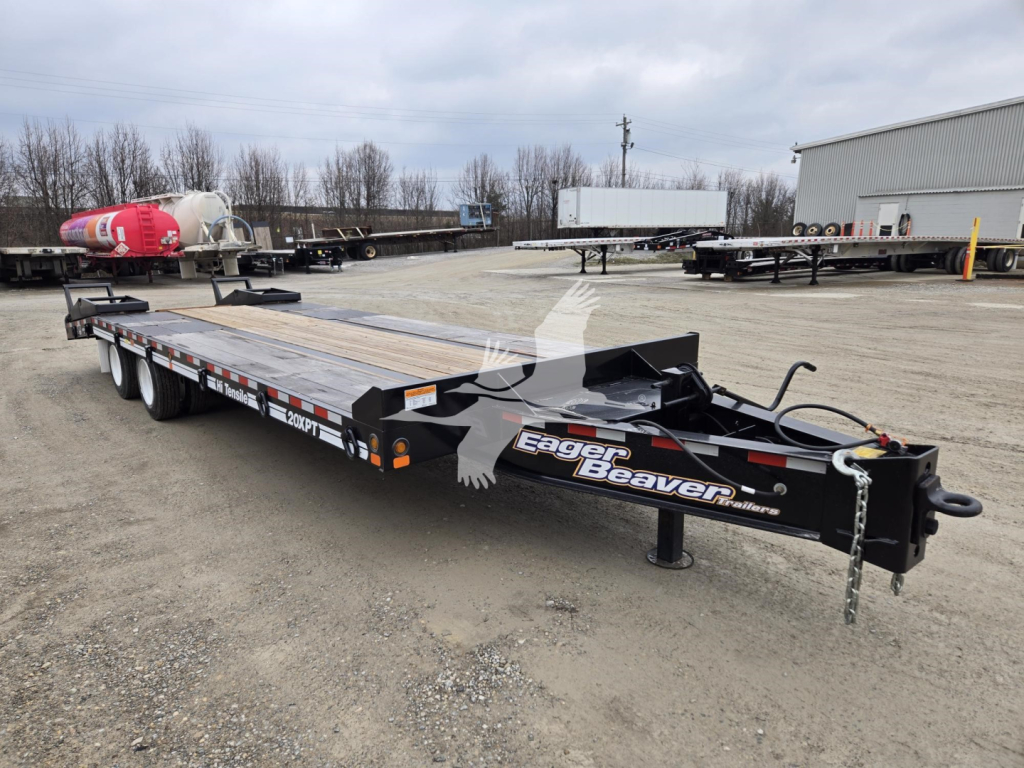
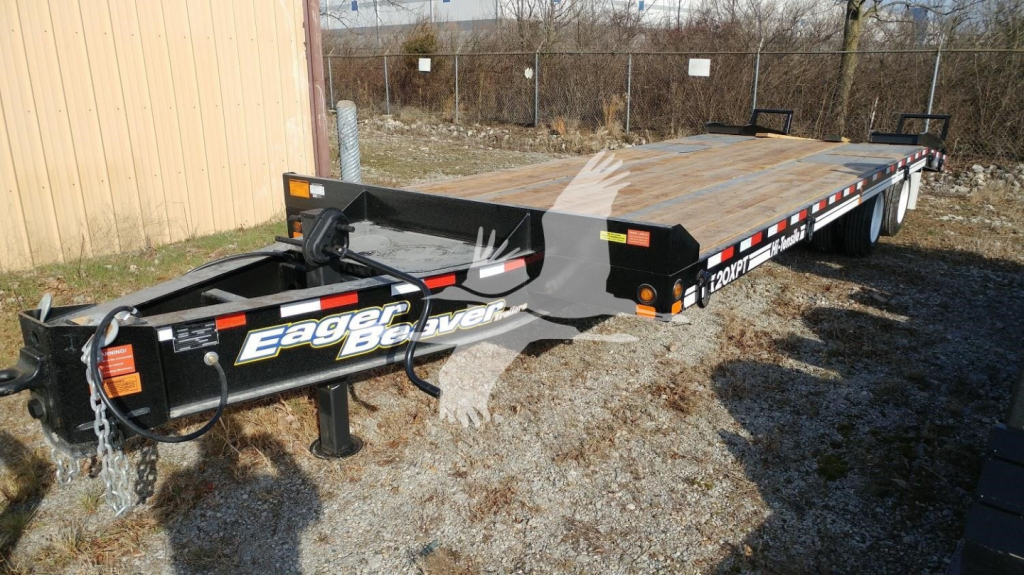
New 2025 tag trailers for sale in Ohio. Compare 25-ton equipment haulers with pintle hitches, beavertails, ramps, and tri-axle setups.
Selling a new 2025 tag trailer? List your new 2025 tag trailer for sale and reach thousands of commercial buyers.
New 2025 Tag Trailers in Ohio
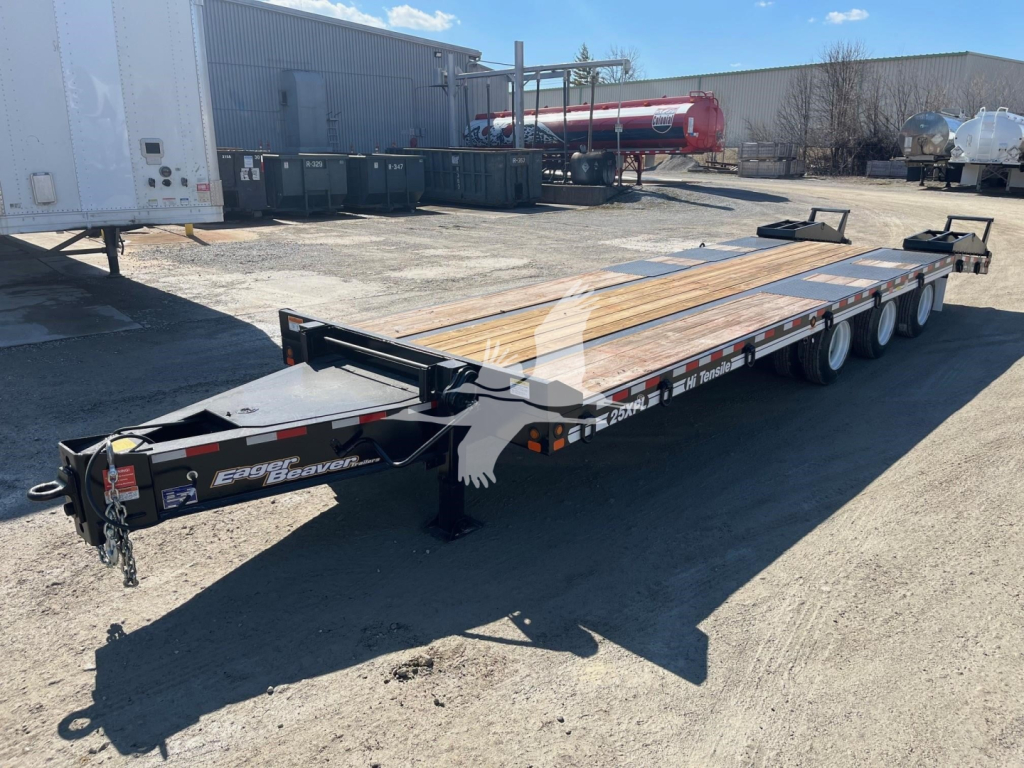
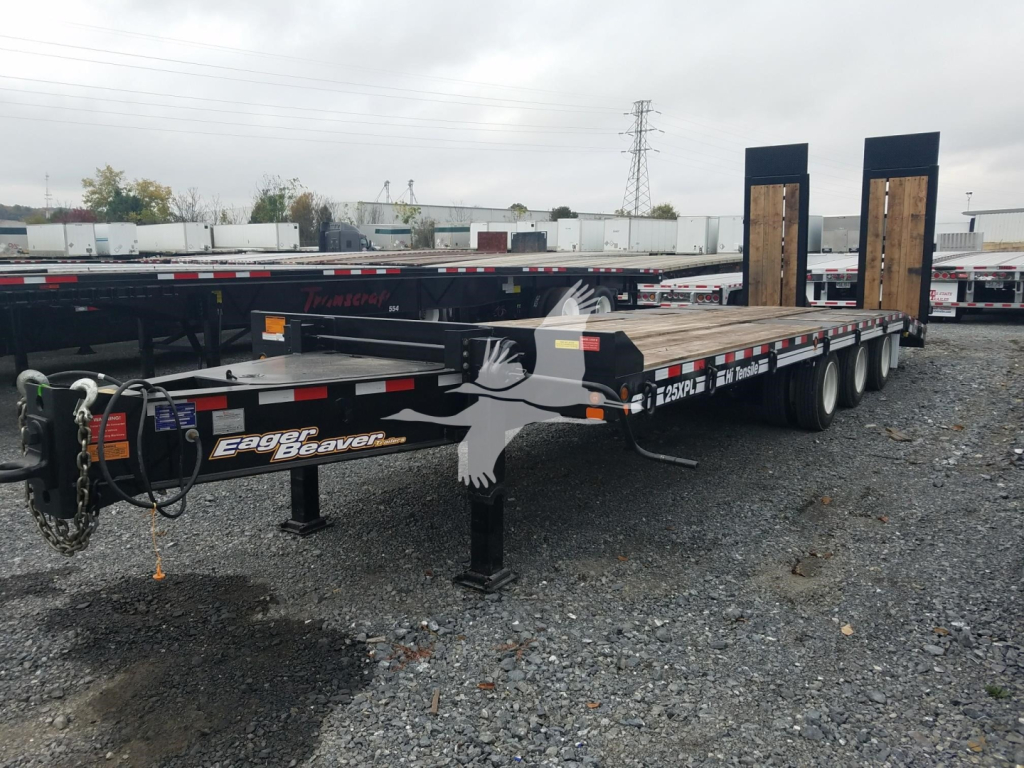
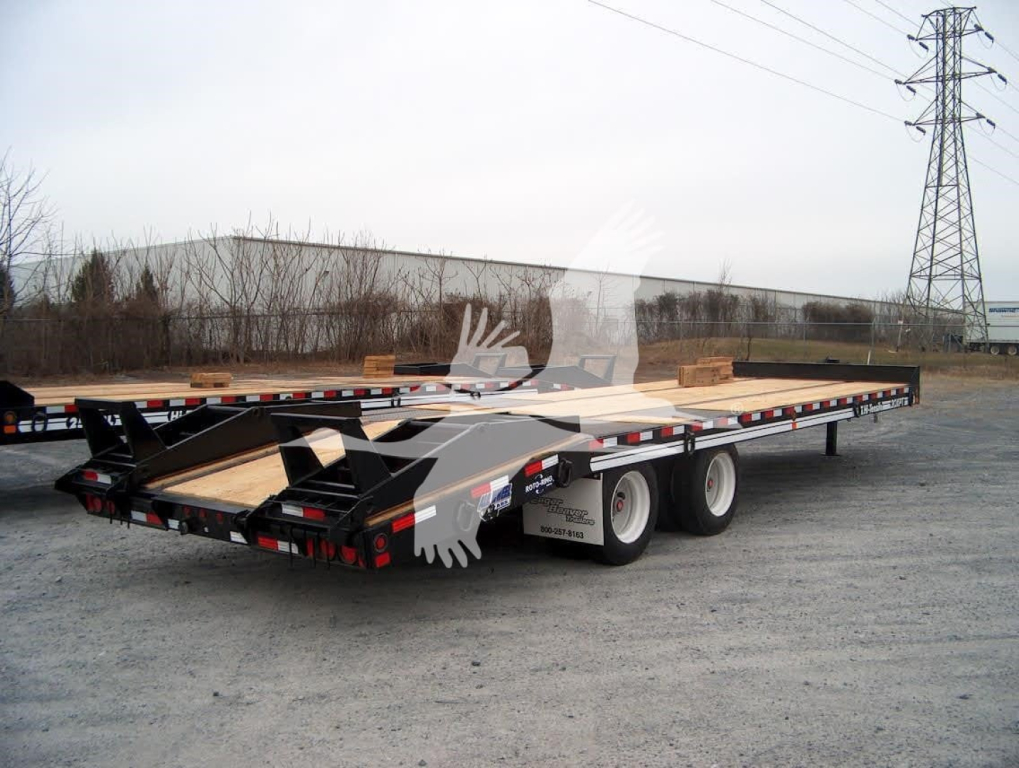
Capacity, deck geometry, and ramp style are the first decisions that affect daily use. Many heavy-duty tag trailers in this class are rated around 25 tons, often with a tri-axle layout, a steel frame, and a wood deck or wood-filled ramp surface for traction. Buyers should pay close attention to loaded deck height, beavertail length, and ramp angle because those three specs determine how easily low-clearance equipment can transition onto the trailer without dragging. A 102-inch wide deck, a 24-foot main deck, and a 6-foot beavertail is a common configuration for general equipment hauling, especially when paired with angle-iron or hydraulic rear ramps.
Suspension and running gear deserve a close look because they directly affect ride quality, tire wear, and service life. Spring ride suspensions remain common on tag trailers because they are simple, proven, and easy to maintain, while lift axles can help with load distribution and operational flexibility. Common features in this category include 17.5-inch tires, steel wheels, spring brakes on all axles, ABS, adjustable pintle eyes or pintle hook setups, two-speed landing gear, safety chains, lockable tool storage, and multiple pairs of D-rings for securement. Flooring is often apitong or another hardwood in high-wear areas because it stands up well to steel tracks, concentrated axle loads, and repeated loading cycles.
For a buyer comparing new 2025 tag trailers, the real question is how the trailer matches the equipment mix and the truck pulling it. Check the GVWR against actual machine operating weights, not brochure weights, and factor in buckets, thumbs, hammers, and other attachments. Confirm drawbar height compatibility, brake setup, and legal axle loading in your operating area. A well-spec'd tag trailer should load quickly, track straight, hold alignment under repeated heavy use, and give the operator enough deck space and tie-down points to secure equipment without improvising.
Frequently Asked Questions about New 2025 Tag Trailers in Ohio
What is a tag trailer used for?
A tag trailer is used to haul construction and industrial equipment behind a pintle-equipped truck or tractor. It is commonly used for skid steers, compact excavators, rollers, tractors, small dozers, and attachments that need a lower deck and quick loading. Tag trailers are popular with contractors because they are simpler than a detachable gooseneck and well suited for regional equipment moves.
How do I choose the right capacity for a tag trailer?
Choose capacity based on the actual transported weight of the machine plus attachments, fuel, chains, and any accessories carried on the deck. A 25-ton tag trailer may be appropriate for many mid-size equipment applications, but the correct choice depends on axle ratings, legal road limits, and how the load is distributed across the deck. Buyers should leave margin above the machine's operating weight rather than sizing the trailer at the absolute limit.
Are hydraulic ramps better than flip-over or angle-iron ramps on a tag trailer?
Hydraulic ramps improve loading speed and reduce operator effort, especially when the trailer is used multiple times per day. They can also offer a wider and more stable loading surface for rubber-tire machines and certain tracked units. Angle-iron or spring-assisted ramps are simpler and usually cost less to maintain, so the better choice depends on loading frequency, equipment type, and maintenance preference.
What specs matter most on a heavy-duty tag trailer?
The most important specs are rated capacity, deck length, loaded deck height, beavertail length, ramp angle, axle configuration, suspension type, and hitch height range. Securement layout also matters, including the number and placement of D-rings, side rail strength, and bulkhead design. These details determine how safely the trailer loads, how well it carries the equipment, and how easily it fits the truck pulling it.
What is the difference between a tag trailer and a lowboy?
A tag trailer connects with a drawbar and pintle arrangement and is typically used for lighter to mid-range equipment hauling. A lowboy, often called a detachable gooseneck or RGN in some applications, is designed for heavier and taller machinery and usually offers a lower deck for higher-capacity transport. Tag trailers are generally easier to deploy for everyday contractor use, while lowboys are better for larger machines and specialized heavy haul work.