
New Tag Trailers For Sale in Pennsylvania
New tag trailers for sale in Pennsylvania. Compare 20-ton to 25-ton pintle tag trailers with beavertails, ramps, wood floors, and heavy-duty tie-downs.
Selling a new tag trailer? List your new tag trailer for sale and reach thousands of commercial buyers.
New Tag Trailers in Pennsylvania
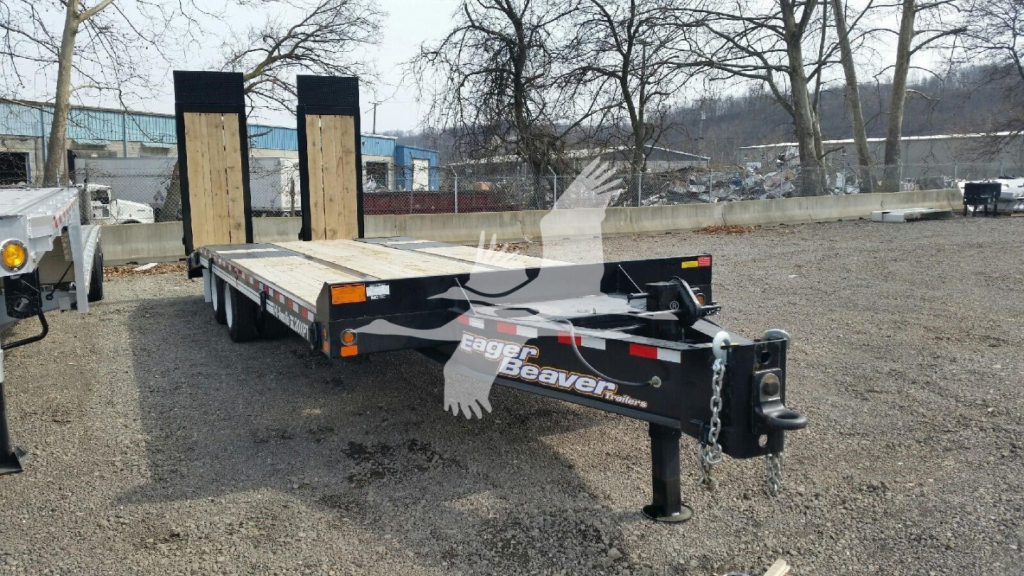
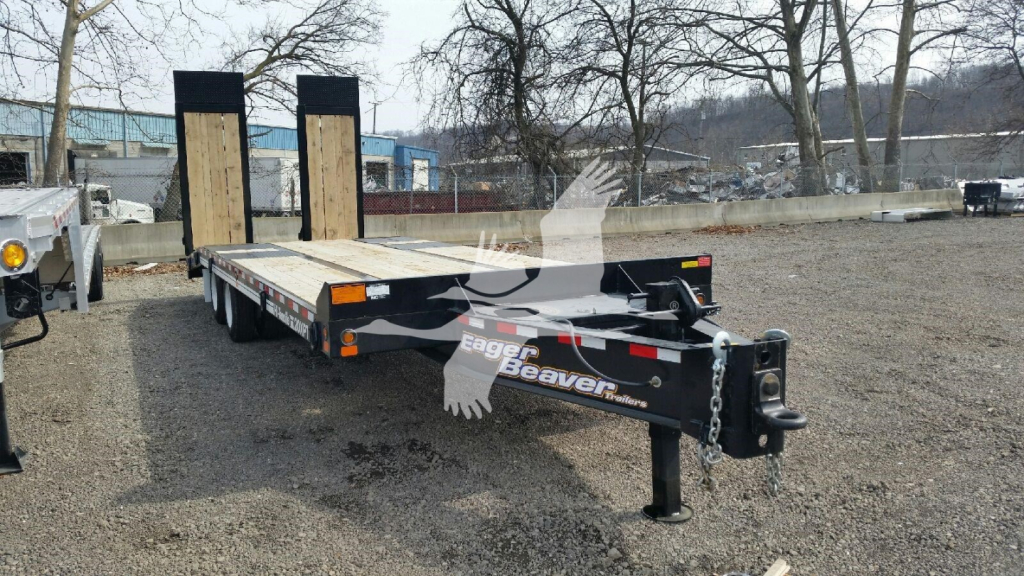
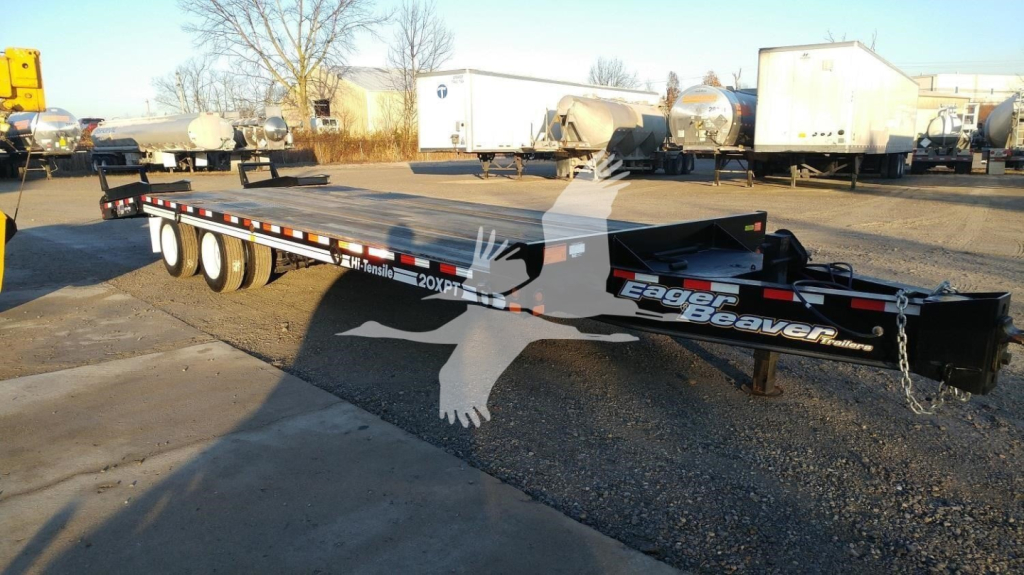
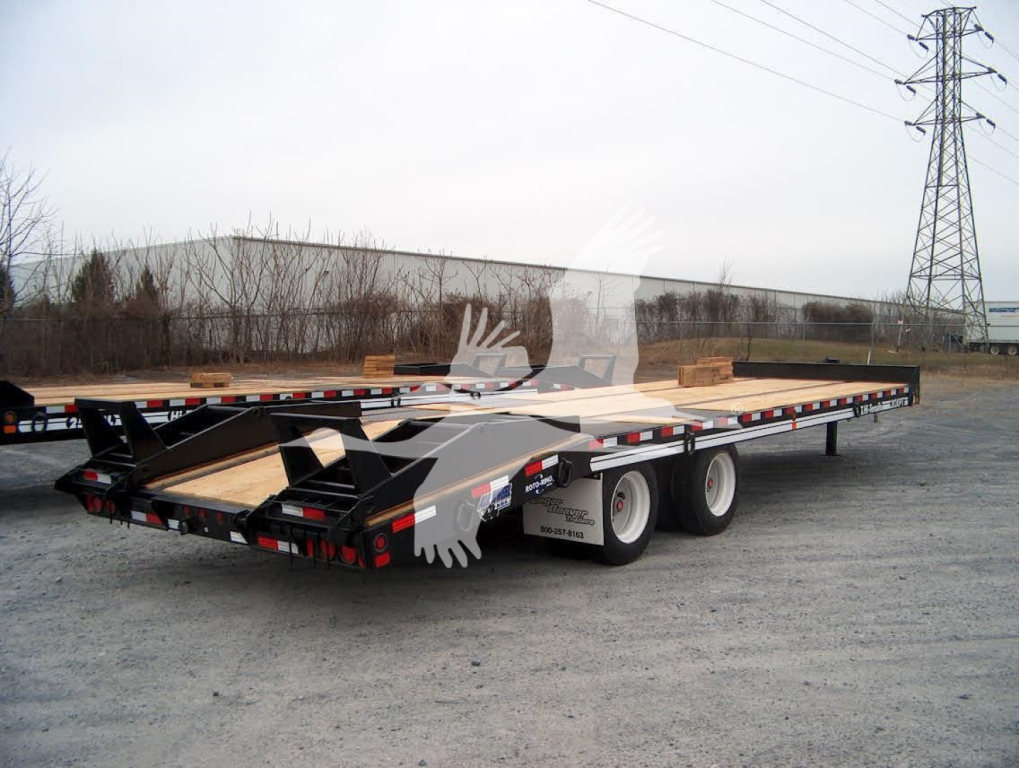
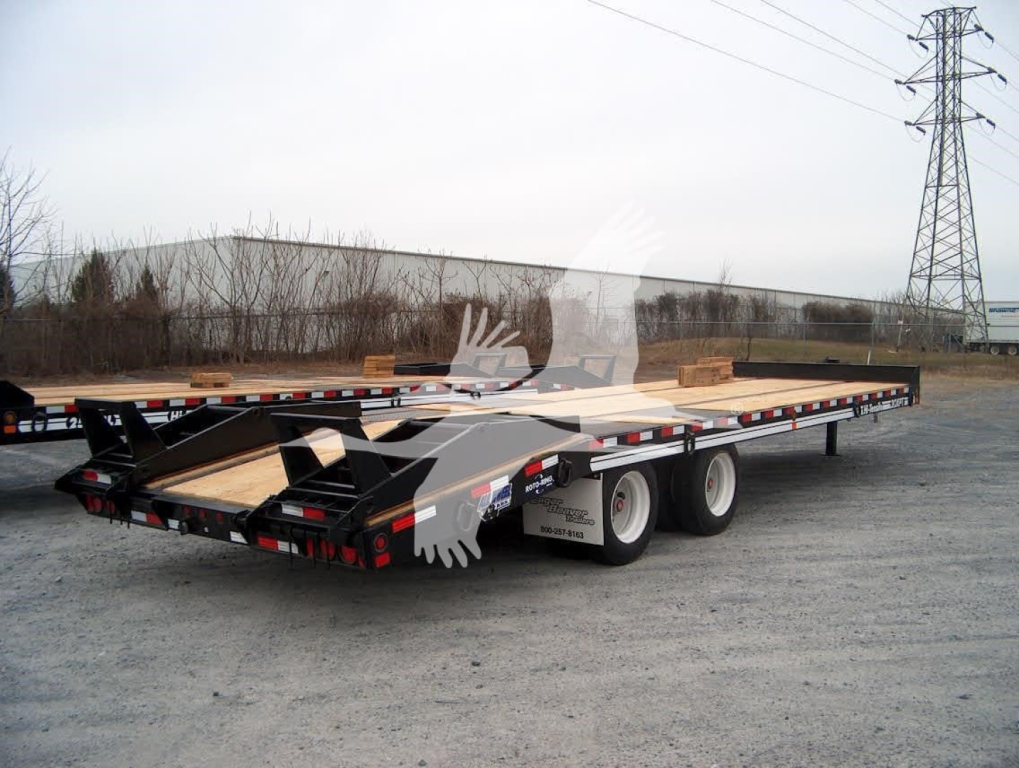
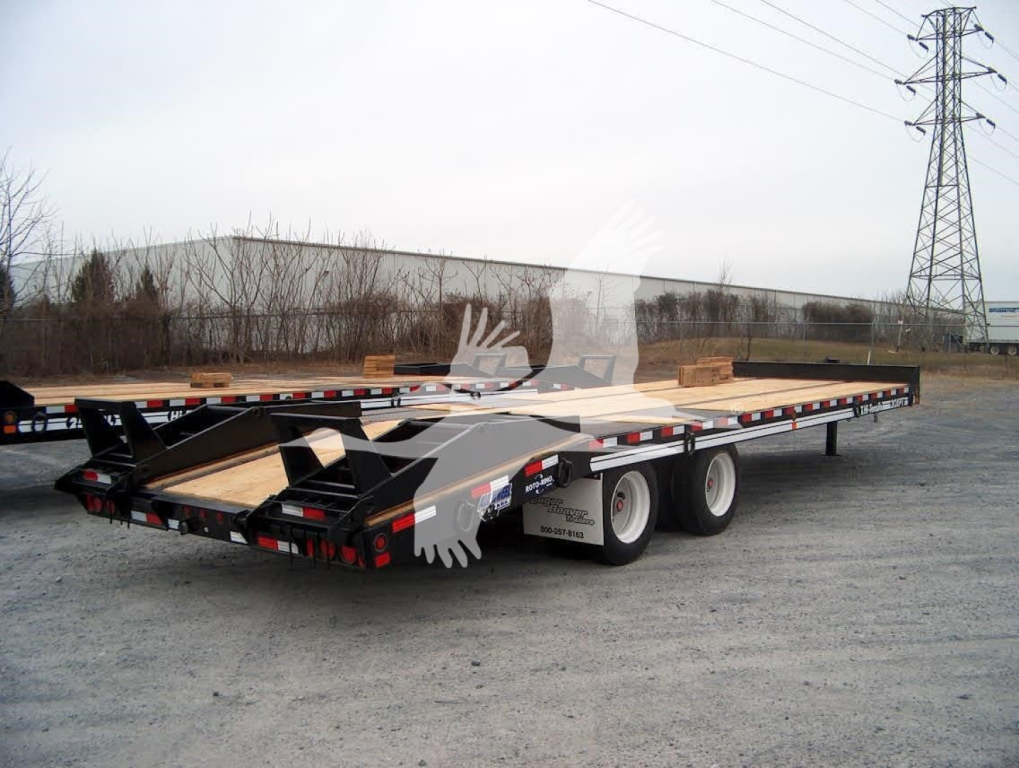
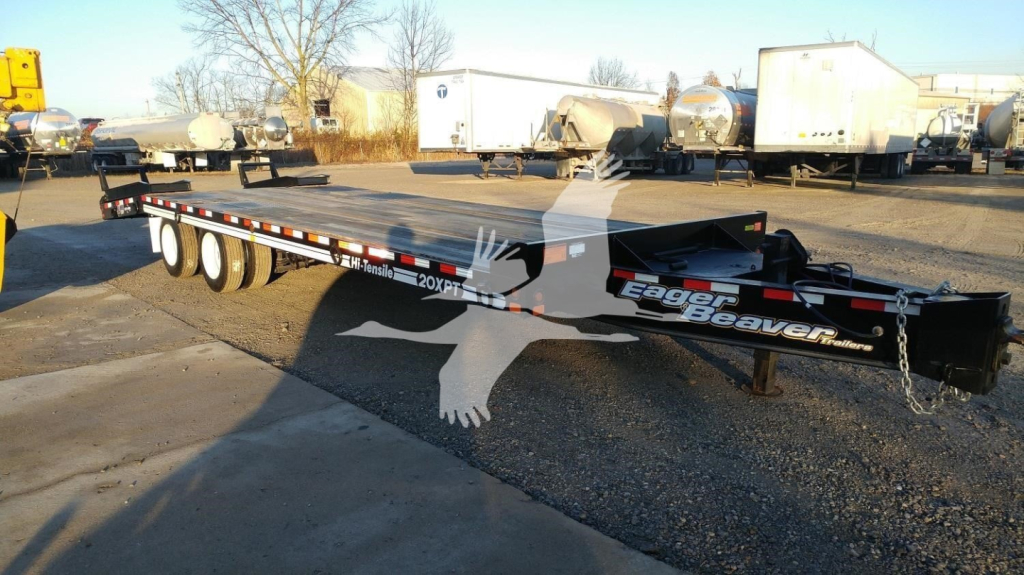
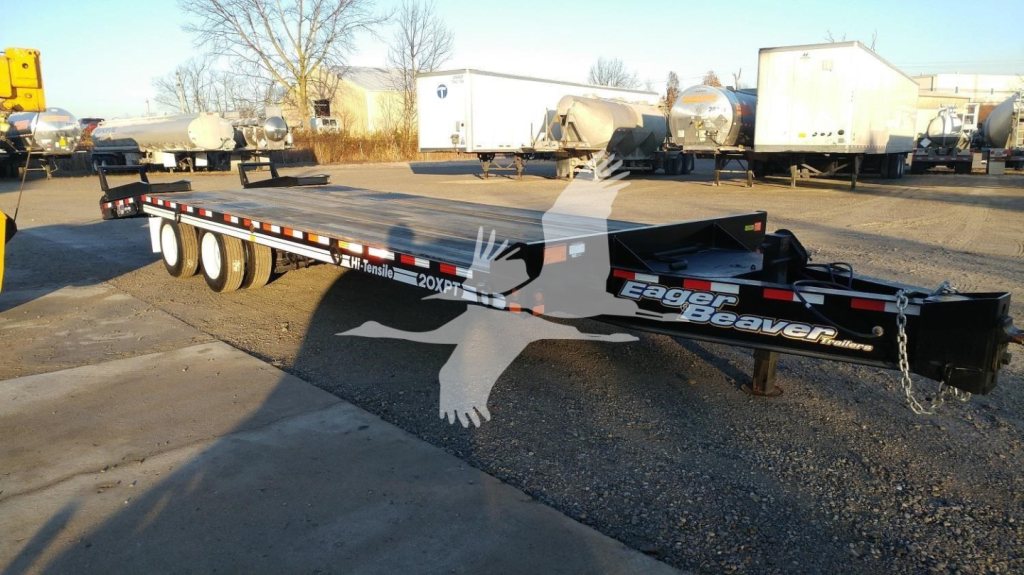
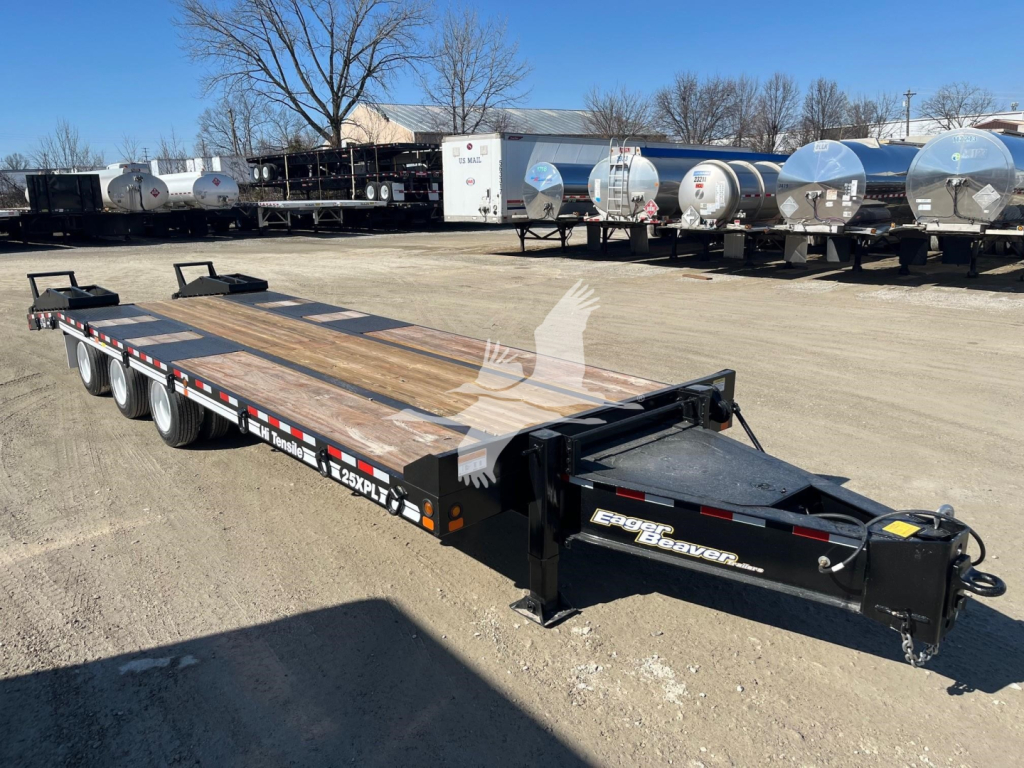
A typical heavy-duty tag trailer in this class runs 102 inches wide with a main deck around 21 to 24 feet, a 6-foot beavertail, and a deck height near 34 inches. Common ratings are 20 ton and 25 ton, with tandem or tri-axle configurations depending on payload needs. Spring ride suspensions are still common in this segment because they are simple, durable, and easy to service, while some 25-ton models add a lift axle to improve load distribution and tire life. Hydraulic ramps are a major upgrade for operators loading pavers, rollers, skid steers, compact excavators, and similar equipment because they reduce setup time and improve safety compared with manual ramps. Buyers should also pay attention to ramp width, load angle, and whether the ramps are wood-filled, since these details matter when loading rubber-tracked or low-clearance machines.
Floor construction and securement points deserve a close look. Apitong remains a preferred deck material because it holds up well under concentrated equipment loads and repeated track traffic, and some trailers use a mixed wood layout to balance durability and cost. Full-width steel bulkheads, steel side rails, and multiple pairs of D-rings are standard features that improve cargo control and day-to-day usability. A lockable toolbox in the drawbar area is useful for chains, binders, and accessories, while adjustable pintle height helps match the trailer to different tow vehicles and maintain a level pull. On new units, buyers should also confirm ABS configuration, spring brakes on all axles, landing gear style, tire size, and safety chain setup, especially if the trailer will see frequent road travel between jobs.
For Pennsylvania operations, spec the trailer around actual machine weights rather than advertised machine class alone. Bucket attachments, thumbs, trench boxes, fuel, and extra implements can push a load past the comfortable range of a lighter trailer. A 20-ton tag may fit many contractor applications, but a 25-ton trailer with tri-axle layout and hydraulic ramps offers more flexibility if the fleet regularly moves heavier iron or varied equipment. The best new tag trailer is usually the one with enough rated capacity, a manageable loading angle, durable flooring, and a pintle setup that matches the truck already doing the work.
Frequently Asked Questions about New Tag Trailers in Pennsylvania
What is a tag trailer used for?
A tag trailer is used to haul equipment behind a pintle-equipped truck or tractor. Common loads include skid steers, mini excavators, compact dozers, rollers, pavers, loaders, and attachments. Tag trailers are popular because they are simpler and generally more maneuverable than larger detach or lowboy trailers when the job calls for medium-capacity equipment moves.
What is the difference between a 20-ton and 25-ton tag trailer?
The main difference is rated carrying capacity, but the trailer structure usually changes as well. A 25-ton tag trailer often has a heavier frame, tri-axle setup, more robust ramp package, and sometimes a lift axle for better load support and road manners. A 20-ton model can be a strong fit for lighter equipment fleets, while a 25-ton trailer gives more room for attachment weight, denser machines, and future fleet changes.
Are hydraulic ramps worth it on a new tag trailer?
Hydraulic ramps are worth serious consideration if the trailer is loaded frequently or used with rubber-tracked and low-clearance equipment. They reduce operator effort, speed up loading, and can provide a more controlled transition from ground to deck. Manual or angle iron ramps can still work well in some fleets, but hydraulic ramps are generally preferred for higher utilization and mixed-equipment applications.
What specs matter most when buying a new tag trailer?
Capacity, deck length, deck height, beavertail angle, ramp style, axle configuration, and suspension type are the core specs to evaluate first. After that, look at floor material, number and placement of D-rings, pintle height adjustment range, brake system, tire size, and landing gear. These details affect how safely the trailer loads, how it tows under load, and how well it fits the equipment and truck already in the fleet.
Why does deck height matter on a tag trailer?
Deck height affects center of gravity, loading angle, and overall equipment fit. A lower deck usually helps with stability and makes it easier to load machines with low ground clearance, especially when combined with a properly designed beavertail and ramp package. Deck height also matters for legal height once the machine is loaded, so it should be considered together with the size of the equipment being hauled.