
New Tag Trailers For Sale in Ohio
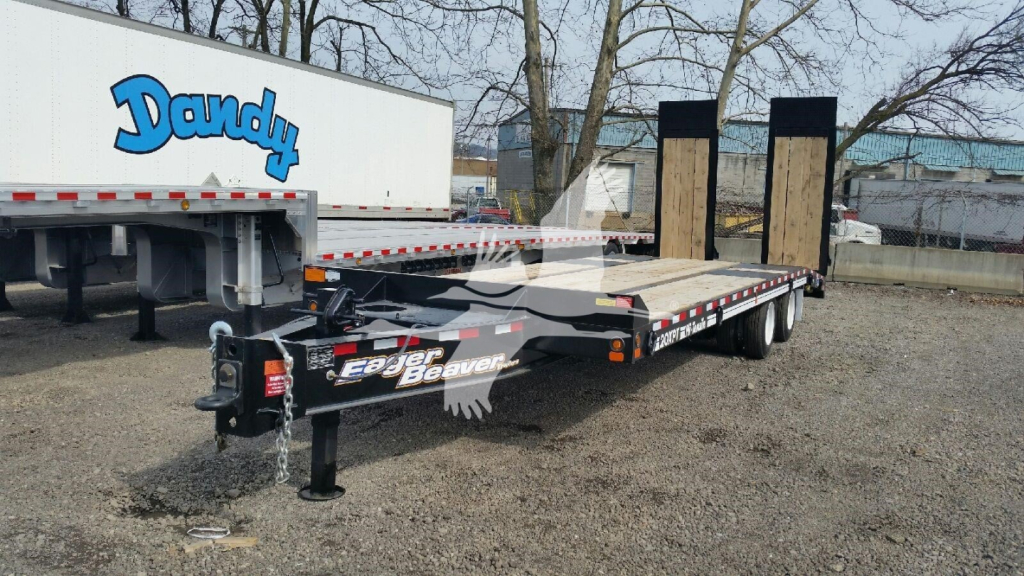
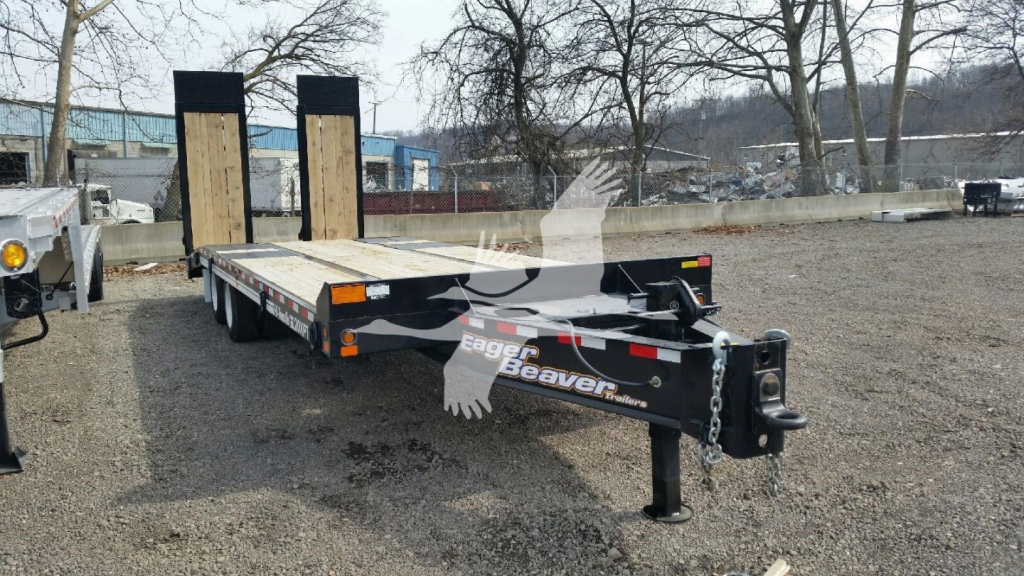
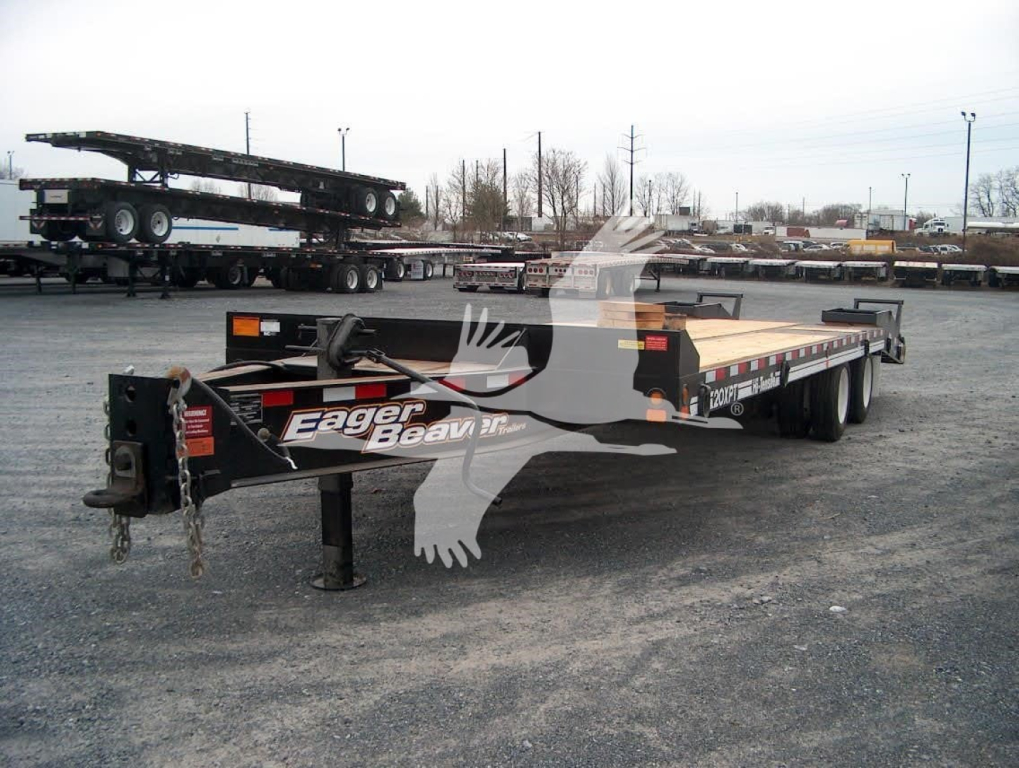
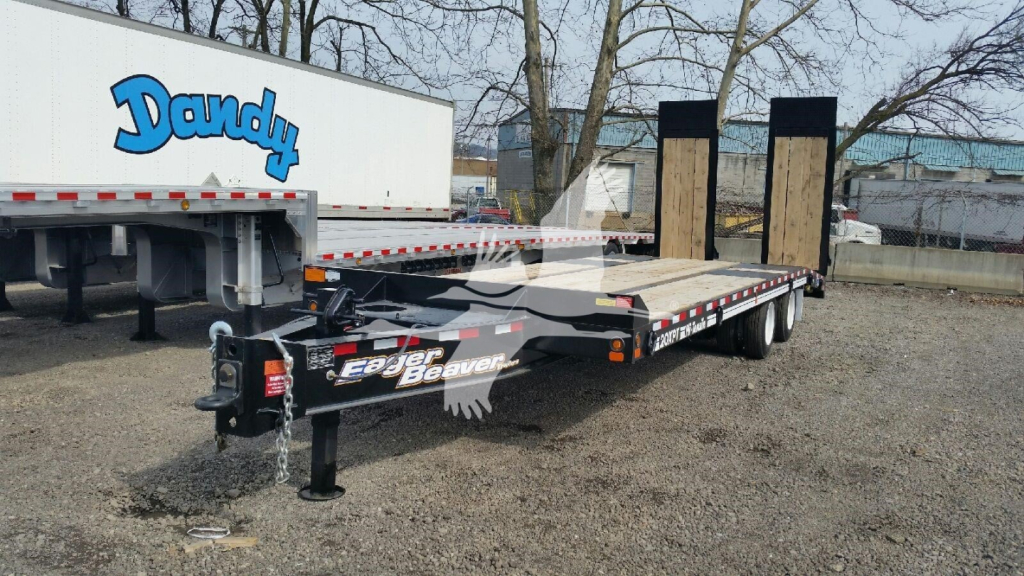
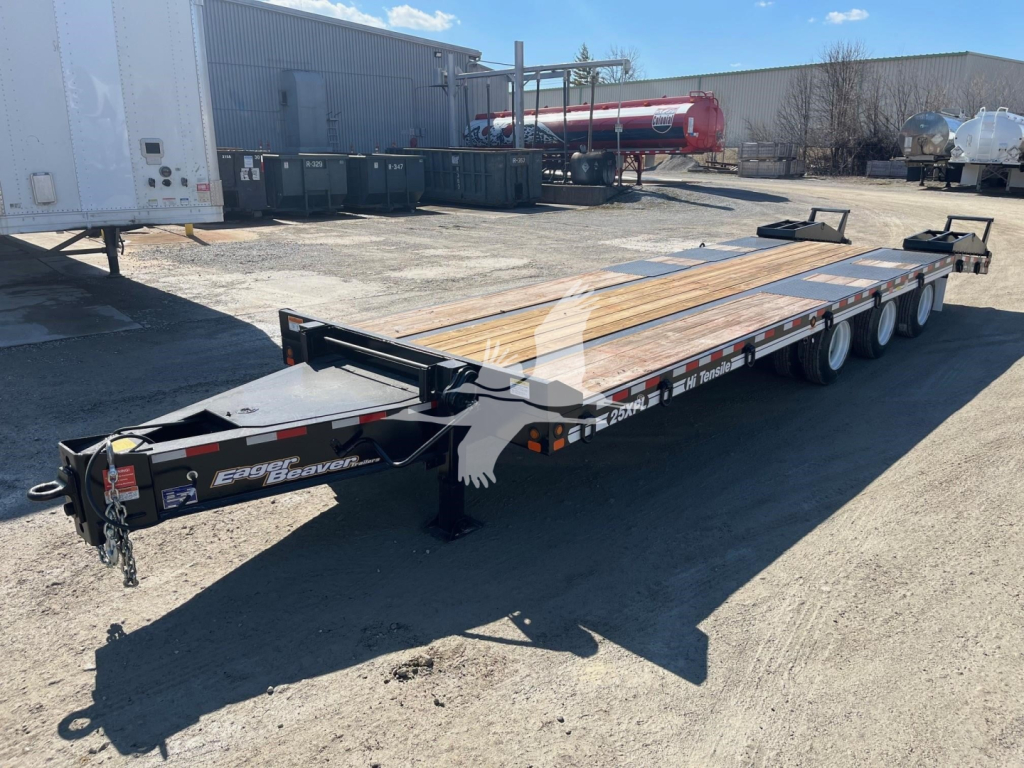
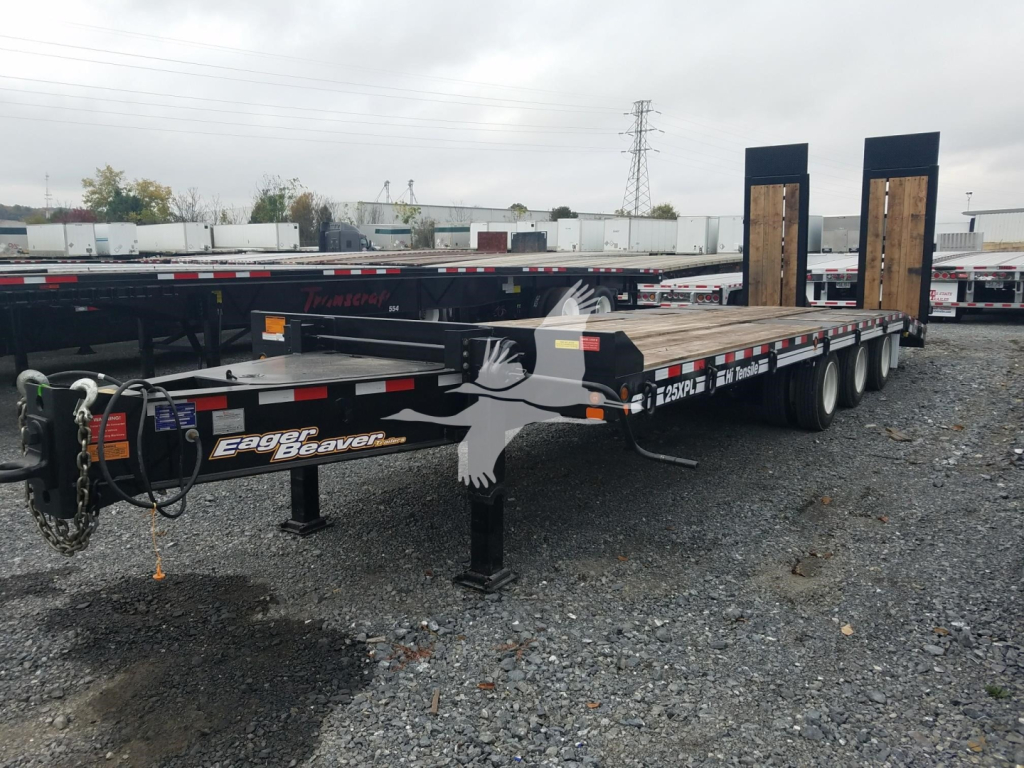
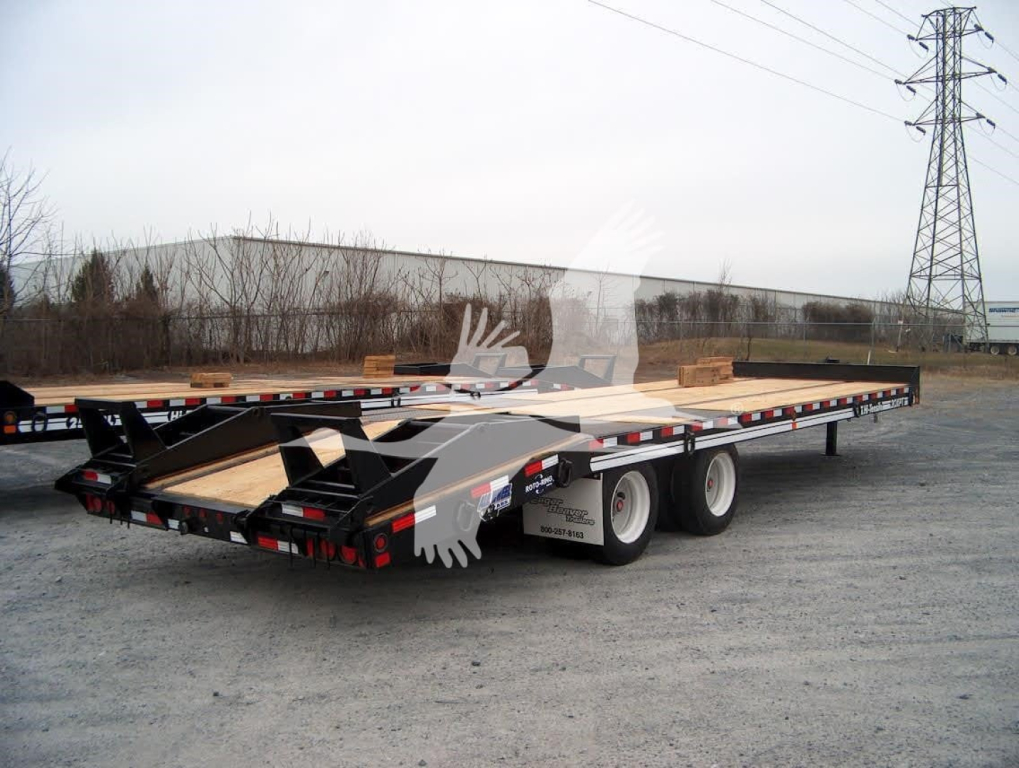
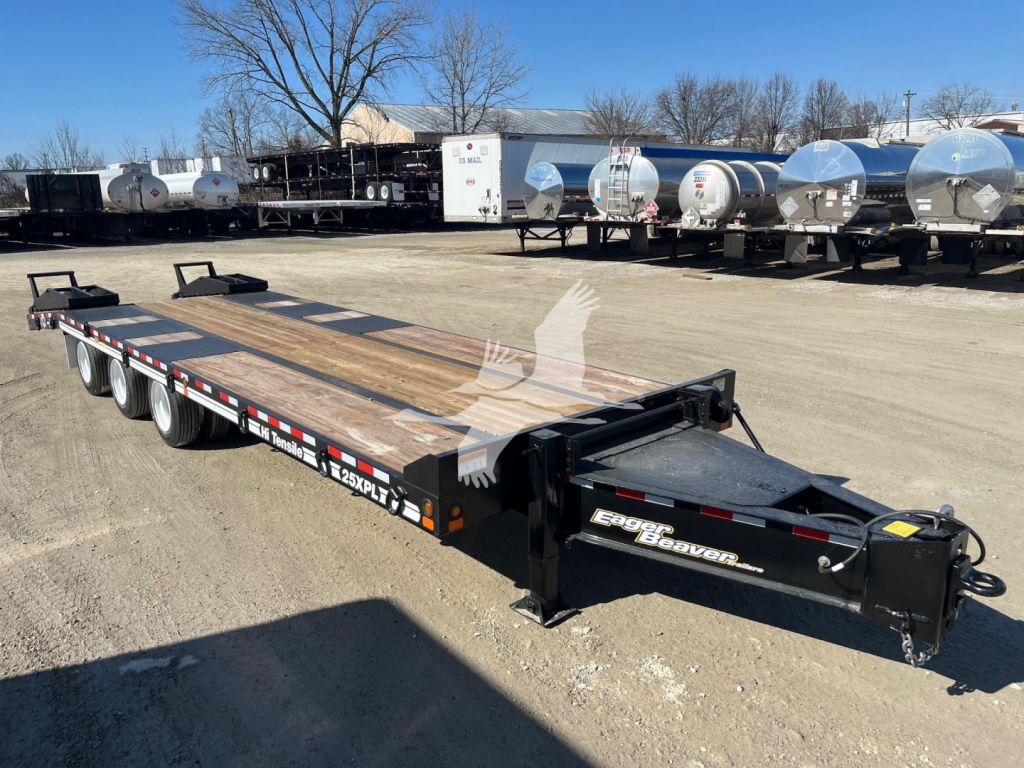
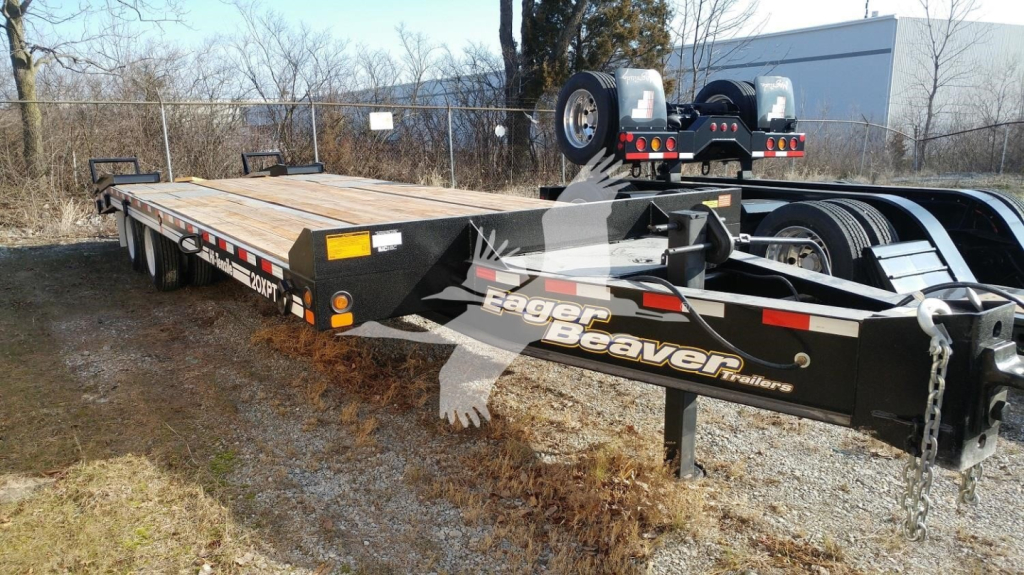
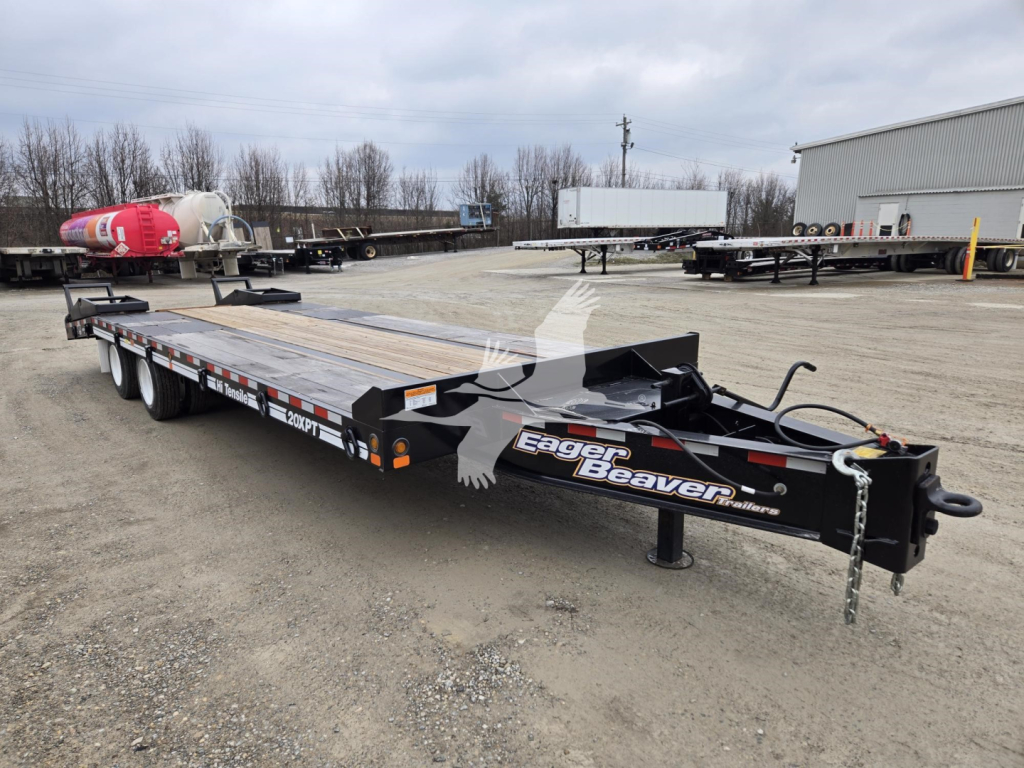
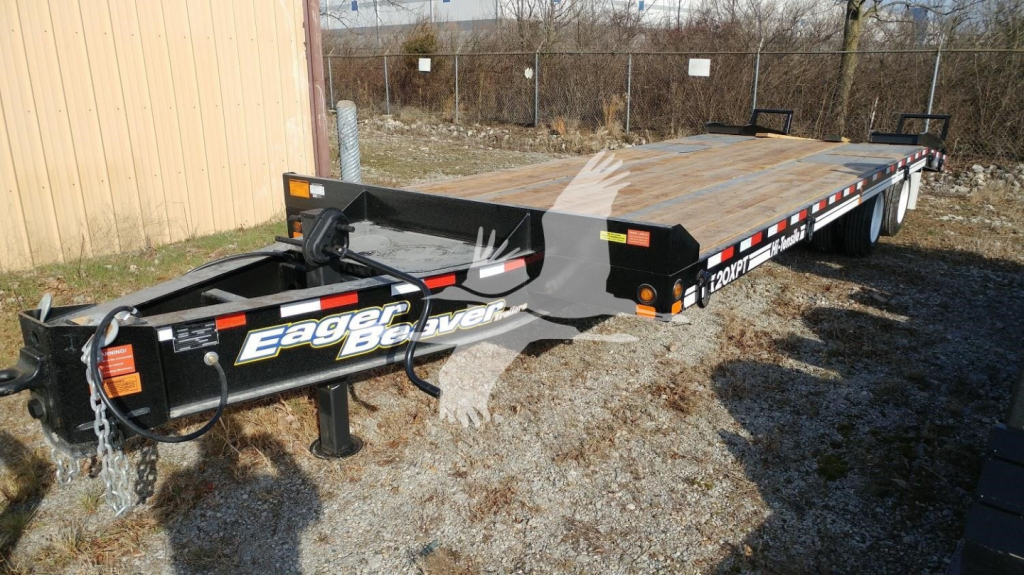
New tag trailers for sale in Ohio, including 25-ton pintle tag trailers built for equipment hauling, low deck heights, beavertails, and ramps.
Selling a new tag trailer? List your new tag trailer for sale and reach thousands of commercial buyers.
New Tag Trailers in Ohio
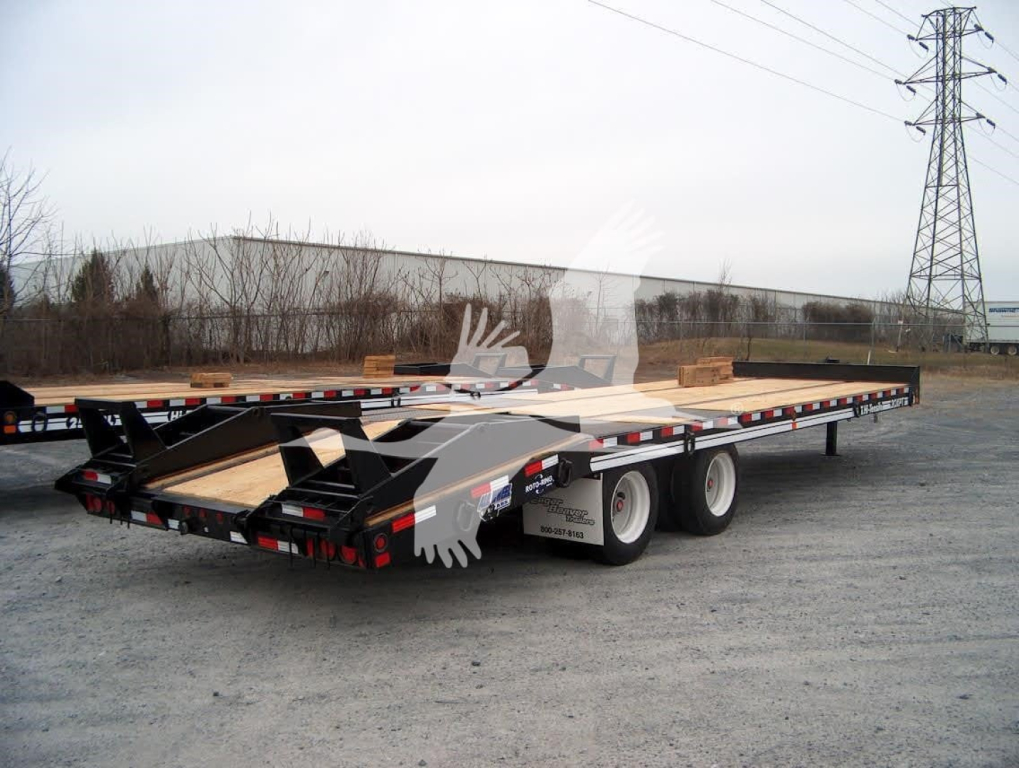
The first buying decision is usually capacity and deck configuration. Many new tag trailers in this class fall into the 20-ton to 25-ton range, with tandem or tri-axle layouts, deck lengths around the mid-20-foot range, and overall lengths often stretching into the mid- to upper-30-foot range once the beavertail and drawbar are included. A low loaded deck height helps with machine stability and keeps loading angles manageable. Beavertails and rear ramps are a major part of the spec, and buyers should compare fixed ramps versus hydraulic ramps, ramp width, ramp length, and the resulting load angle for the equipment they move most often. A full-width steel bulkhead, steel side rails, and multiple pairs of D-rings are common on equipment-focused builds because securement flexibility is critical.
Suspension, axle package, and brake equipment have a direct impact on service life and loaded road manners. Spring ride remains common on tag trailers because it is proven and cost-effective, while lift axles can add flexibility for weight distribution and tire wear management. Buyers should look closely at axle count, tire size, brake configuration, ABS compliance, and whether spring brakes are installed on all axles. On new tag trailers, pintle height adjustability is another practical detail that affects how easily the trailer matches different tow vehicles. Flooring also deserves attention. Apitong and other hardwood deck options hold up well under steel tracks and repeated machine loading, especially when paired with reinforced beavertail sections and ramp construction suited to concentrated axle loads.
For Ohio buyers, corrosion resistance, winter brake performance, and parts support are worth weighing alongside raw spec numbers. Road salt, seasonal freeze-thaw conditions, and mixed pavement-to-jobsite use can be hard on wiring, air components, finishes, and deck hardware. A well-configured new tag trailer should balance empty weight, payload, and ease of maintenance while matching the dimensions and operating weight of the machines it will carry most often. The right trailer in this category is not just about maximum tonnage. It is about getting a practical combination of deck length, ramp design, suspension, tie-down placement, and pintle setup that works every day without slowing the truck down or limiting the equipment mix.
Frequently Asked Questions about New Tag Trailers in Ohio
What is a tag trailer used for?
A tag trailer is primarily used to haul construction and utility equipment behind a truck or tractor equipped with a pintle hitch. Common loads include skid steers, compact excavators, telehandlers, rollers, and other jobsite machines that need frequent loading and unloading. Tag trailers are popular because they combine strong payload ratings with relatively straightforward hookup, loading, and securement.
What should I look for when buying a new tag trailer?
The most important factors are capacity, deck length, loaded deck height, axle configuration, and ramp design. Buyers should match the trailer to the heaviest and longest machine they expect to haul, not just the average load. It also pays to review beavertail angle, tie-down placement, suspension type, brake system, adjustable pintle height, flooring material, and whether the trailer includes features like hydraulic ramps or a lift axle.
What is the difference between a tag trailer and a detachable lowboy?
A tag trailer uses a drawbar and pintle connection, usually with rear ramps or a beavertail for loading, while a detachable lowboy uses a gooseneck-style front connection and is built for heavier or taller equipment. Tag trailers are typically simpler, lighter, and well suited for mid-range equipment hauling. A detachable lowboy is usually the better choice when load height, load weight, or specialized heavy haul requirements exceed what a tag trailer can handle efficiently.
Are spring ride tag trailers still a good choice?
Yes. Spring ride is still common on tag trailers because it is durable, familiar to service, and cost-effective for many fleets. It performs well in equipment-hauling applications where toughness and lower maintenance complexity matter more than ride refinement. Air ride or lift axle combinations can add flexibility, but spring ride remains a practical and proven setup for many contractors and regional haulers.
Why does ramp style matter on a tag trailer?
Ramp style affects loading speed, machine compatibility, and safety. Fixed angle iron ramps are simple and rugged, while hydraulic or wood-filled ramps can improve loading for machines with low ground clearance, small solid tires, or sensitive undercarriages. Ramp length and beavertail angle together determine the load angle, which is one of the most important details when hauling compact equipment or machines with limited breakover clearance.