
New 2026 Tag Trailers For Sale in Ohio
New 2026 tag trailers for sale in Ohio. Compare 20-ton to 25-ton equipment haulers with pintle hitches, beavertails, ramps, and heavy-duty decks.
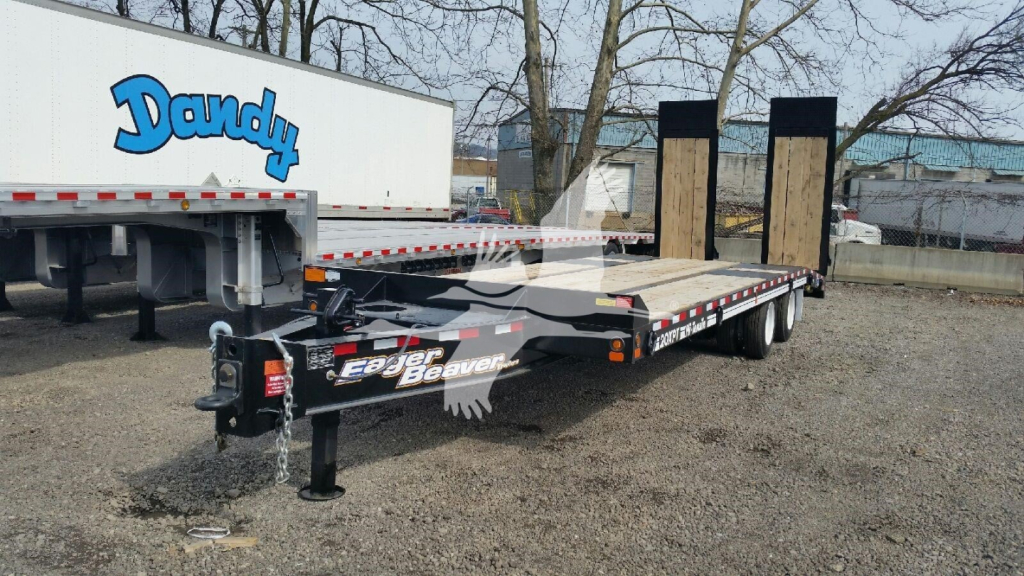
Selling a new 2026 tag trailer? List your new 2026 tag trailer for sale and reach thousands of commercial buyers.
New 2026 Tag Trailers in Ohio
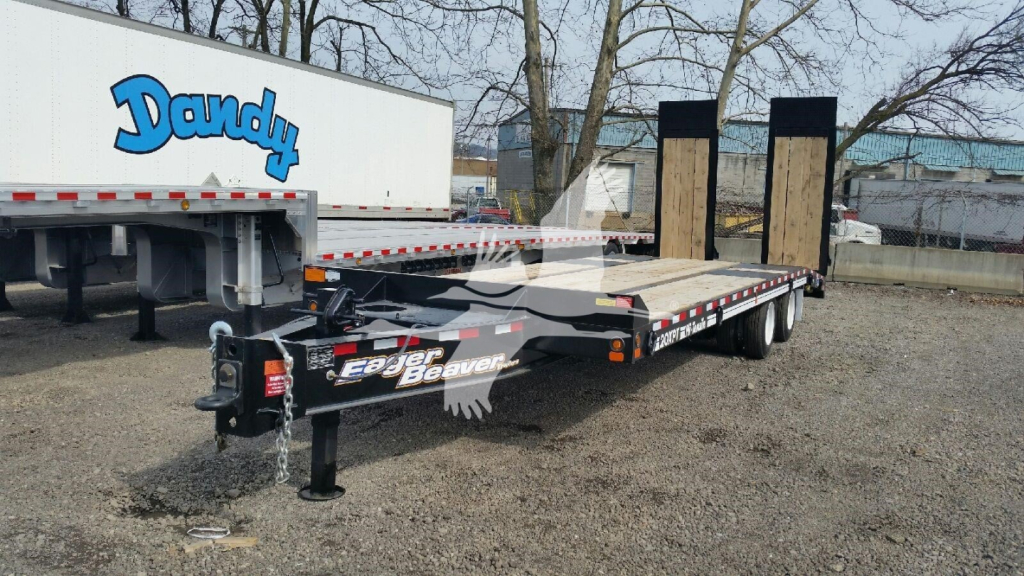
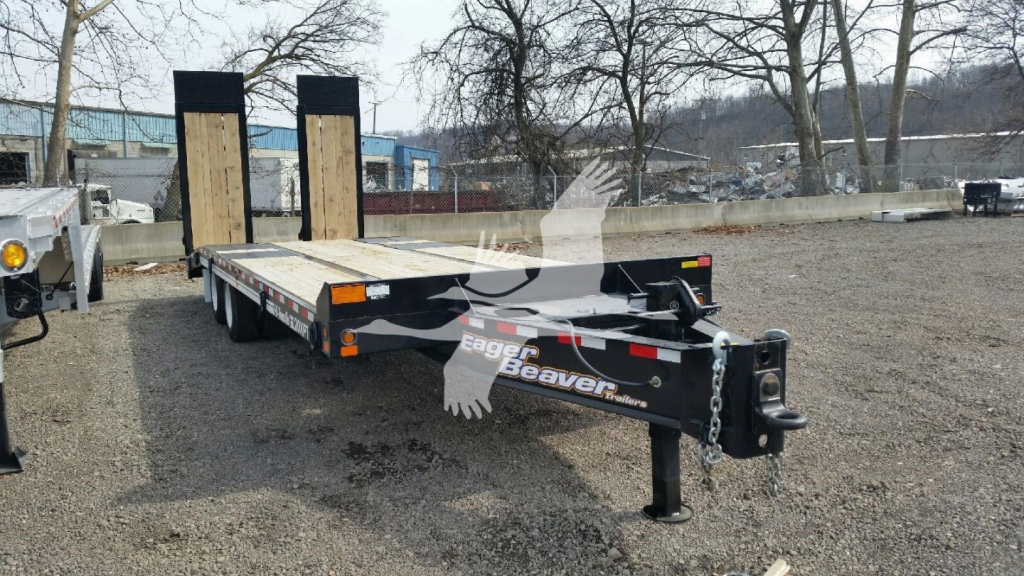
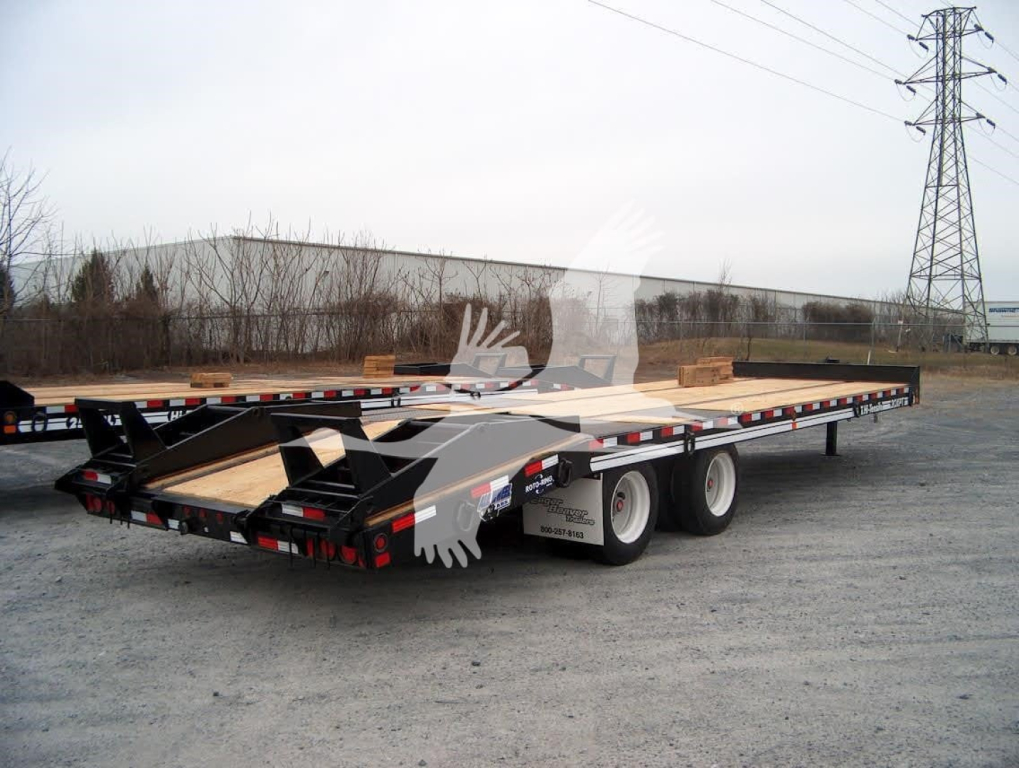
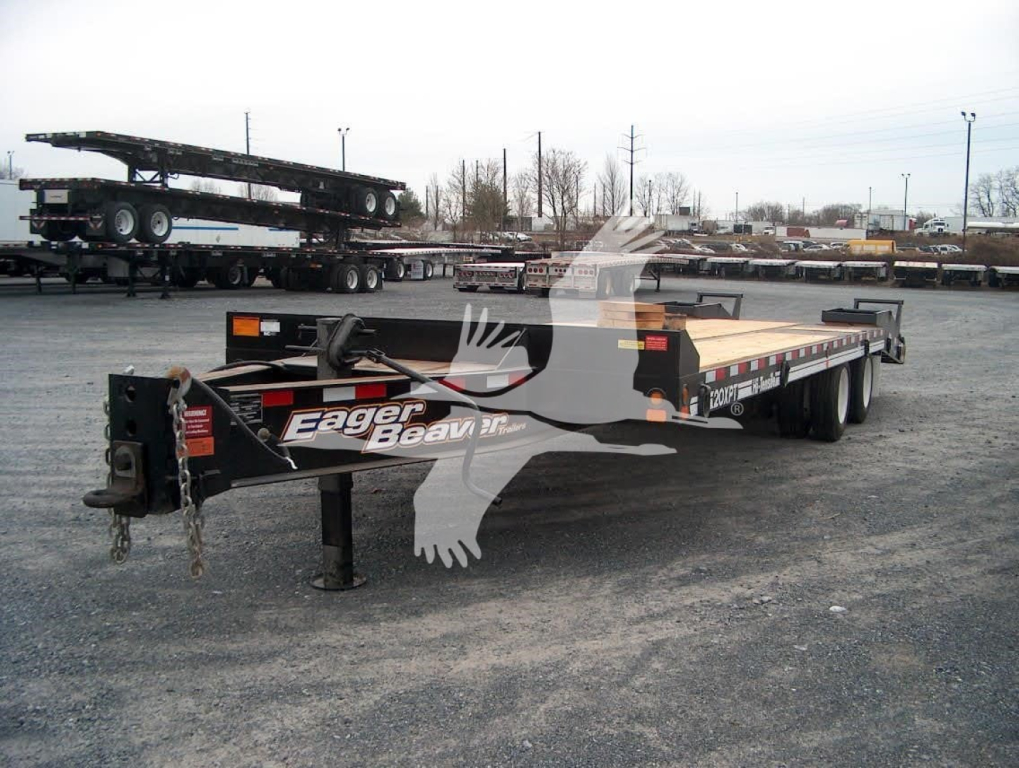
In this category, common specs include 20-ton to 25-ton ratings, 102-inch overall width, deck lengths in the low-to-mid 30-foot range, and fixed beavertails with loading ramps. Main deck height matters more than many buyers expect. A deck around 34 inches high helps keep loading angles manageable while still providing ground clearance and frame strength. Beavertails around 6 feet with an 8-degree load angle are typical on equipment-focused tag trailers because they reduce breakover issues when loading rollers, pavers, compactors, and machines with lower attachment points. Ramp choice also deserves attention. Angle iron ramps are durable and straightforward, while wood-filled or hydraulic ramps can improve traction, support rubber-tracked equipment, and speed up loading cycles.
Construction details separate a light-duty tag from a true commercial equipment hauler. Look closely at flooring, tie-down layout, suspension, and brake configuration. Apitong or mixed hardwood deck surfaces remain popular because they hold up well under concentrated machine weight and repeated loading. Multiple pairs of D-rings, full-width steel bulkheads, steel side rails, and secure drawbar tool storage all add practical value in daily use. On higher-capacity models, tandem or tri-axle layouts with spring ride suspension are common, and some 25-ton configurations add a lift axle to better distribute load and improve tire life. Standard features many buyers expect on a new tag trailer include ABS, spring brakes on all axles, adjustable pintle height, safety chains, and two-speed landing gear.
For Ohio work, payload planning should include machine weight, attachments, fuel, bucket or hammer, and any support gear carried on deck. The right 2026 tag trailer should match the truck's towing and braking capability, not just the trailer's published GVWR. Buyers hauling compact equipment every day may prefer a lighter 20-ton unit for lower empty weight and simpler operation. Fleets moving heavier iron usually step into a 25-ton trailer with heavier ramps, more tie-down points, and additional axle capacity. A well-matched tag trailer improves loading safety, axle balance, and uptime, especially in construction, utility, paving, municipal, and rental fleet service.
Frequently Asked Questions about New 2026 Tag Trailers in Ohio
What is a tag trailer used for?
A tag trailer is used to haul equipment behind a pintle-equipped truck or tractor. It is commonly used for transporting skid steers, excavators, compact loaders, rollers, sweepers, paving machines, and other construction or municipal equipment. The beavertail and rear ramps make it easier to load self-propelled machines without a detachable neck or specialized loading area.
How do I choose between a 20-ton and 25-ton tag trailer?
The decision starts with real operating weight, not advertised machine weight alone. Add attachments, full fuel, buckets, breakers, pallets, and any gear that rides on the deck. A 20-ton tag trailer is often a good fit for compact and mid-size equipment with lower empty trailer weight, while a 25-ton model gives more headroom for heavier machines and more demanding duty cycles. Buyers should also confirm the towing vehicle's hitch rating, brake capacity, axle ratings, and legal operating limits before moving up in trailer capacity.
Are hydraulic ramps better than fixed steel ramps on a tag trailer?
Hydraulic ramps improve convenience and reduce driver effort, especially when loading multiple times per day or handling heavier equipment. They can also offer a wider and more stable loading surface depending on the design. Fixed steel or angle iron ramps are simpler, durable, and easier to maintain, which appeals to buyers who want fewer hydraulic components and lower long-term service complexity. The better choice depends on load frequency, machine type, and how rough the operating environment is.
What specs matter most when buying a new tag trailer?
Capacity, usable deck length, loaded deck height, ramp design, and axle configuration are the main specs that affect day-to-day performance. Buyers should also review tie-down placement, flooring material, beavertail length and angle, suspension type, tire size, brake package, and adjustable pintle height. These details affect loading angle, machine fit, cargo securement, service life, and compatibility with the tow vehicle.
Why is deck height important on a tag trailer?
Deck height directly affects center of gravity and loading angle. A lower deck generally makes loading easier and helps with taller equipment by keeping overall loaded height down. At the same time, the trailer still needs enough frame depth and ground clearance for strength and durability. On equipment-hauling tag trailers, a deck height around the mid-30-inch range is a common balance between loadability, structural integrity, and road clearance.