
New 2026 XL Specialized Trailers For Sale
Shop new 2026 XL Specialized trailers, including lowboy and double drop models built for heavy equipment hauling, high payloads, and rugged service.
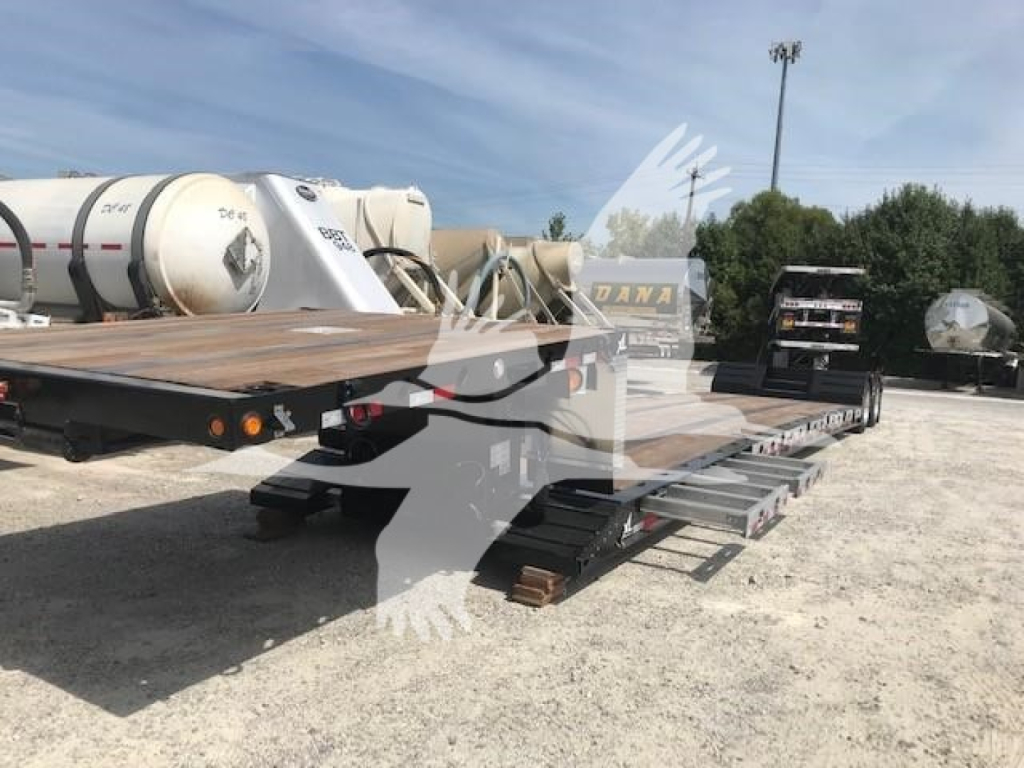
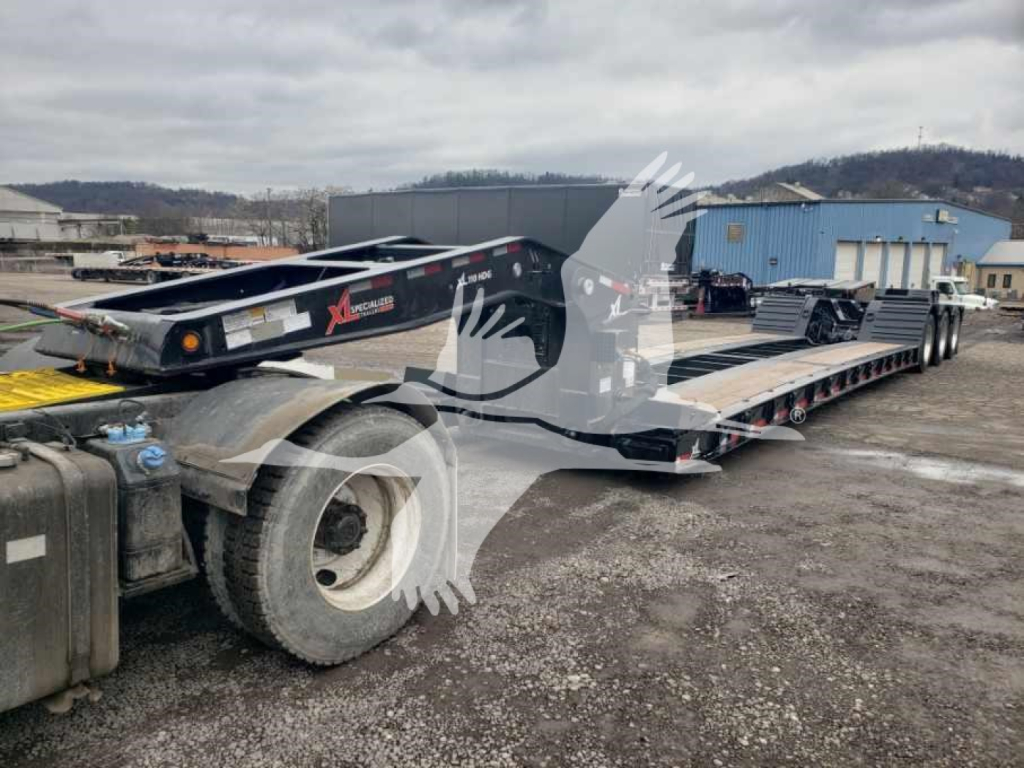
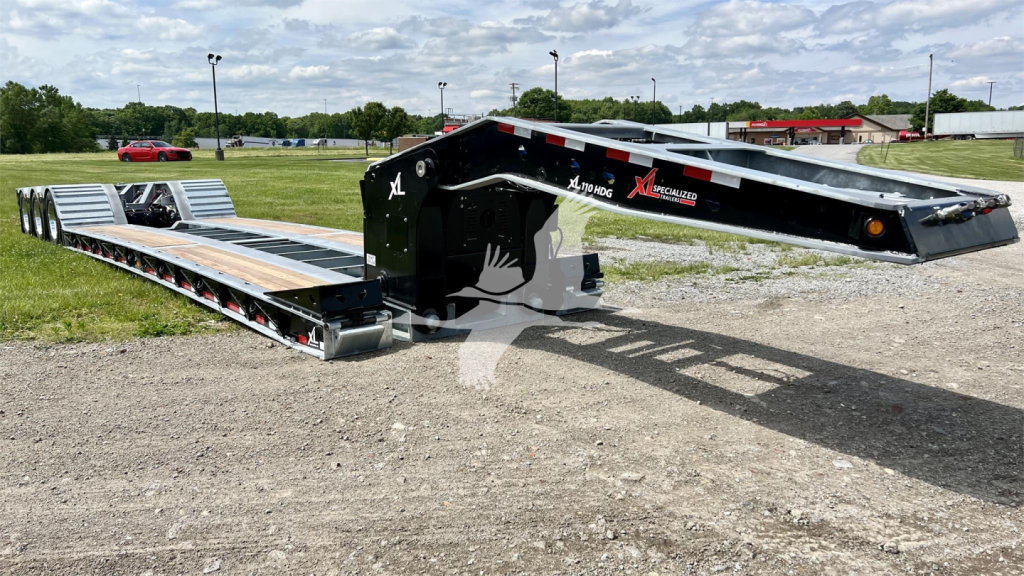
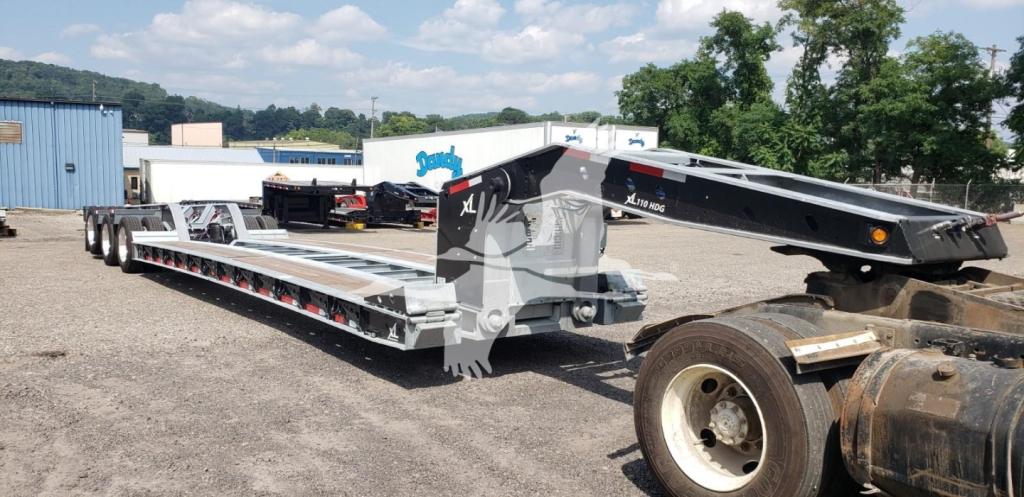
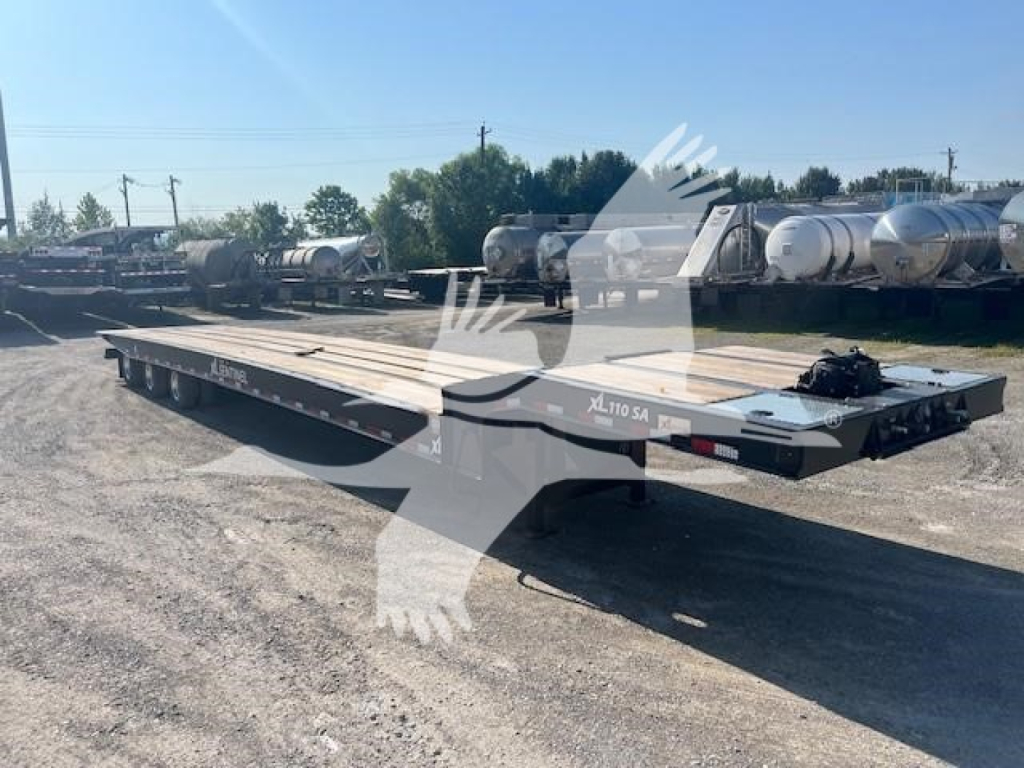
Selling a new 2026 xl specialized trailer? List your new 2026 xl specialized trailer for sale and reach thousands of commercial buyers.
New 2026 XL Specialized Trailers
A lot of the buying decision comes down to capacity and deck design. Common ratings in this class include 40 ton to 55 ton, with some models set up for even heavier applications depending on configuration and axle additions. Main deck height, loaded ground clearance, swing clearance, kingpin setting, and fifth wheel height all affect how easily a trailer will work with your tractor and the machines you haul. Buyers should pay close attention to deck length, top deck length, rear deck length, crossmember spacing, and whether the trailer uses a full-width neck, classic neck, or mini deck layout. Hydraulic detachable non-ground-bearing goosenecks are common on XL Specialized units because they speed up loading and unloading in field conditions where ramps and approach angle can make a big difference.
Construction details are where this brand tends to stand out. Apitong flooring, steel perimeter beam side rails, keyhole chain drops, D-rings, outriggers, stake pockets, bucket wells, and rear bogie protection all matter when you are securing mixed equipment or odd-shaped loads. Air ride suspension, Hendrickson components, lift axles, manual dump valves, and mechanical or manual ride height controls are also common in this category. On many setups, flip axle connections at the rear allow operators to add capacity and spread weight when permits or axle requirements demand it. Some buyers also look for galvanized flip axles and accessory components for corrosion resistance and easier long-term maintenance.
If you are comparing new 2026 XL Specialized trailers, focus on the type of freight you move most often and the permit environment you run in. A 40 ton mini deck may be the better fit for taller equipment that benefits from a very low deck, while a 55 ton lowboy may make more sense for heavier iron and more frequent axle additions. It also helps to look at tire size, axle spacing, overall length, wheel material, lighting package, battery backup strobes, and toolbox placement, because those details affect daily usability as much as rated capacity. The right trailer in this class is the one that matches your tractor, your securement practices, and the dimensions and weight profile of the equipment you haul every week.
Frequently Asked Questions about New 2026 XL Specialized Trailers
What are XL Specialized trailers commonly used for?
XL Specialized trailers are commonly used for hauling heavy construction and industrial equipment, including excavators, dozers, loaders, pavers, crushers, and other machinery with high point-loads or tall overall height. Lowboy and double drop configurations are especially useful when keeping loaded deck height down is critical for bridge clearance, permit routing, or safe loading angles. These trailers are also popular in fleets that need detachable goosenecks and axle options for changing job requirements.
What is the difference between an XL Specialized lowboy and a mini deck or double drop trailer?
An XL Specialized lowboy is generally built for heavy equipment hauling with a low main deck and a detachable gooseneck, often emphasizing payload capacity and axle expandability. A mini deck or double drop trailer usually provides an even lower deck section and can be a better choice for taller machines that need reduced overall loaded height. The right choice depends on the weight, track width, ground clearance, and loading method of the equipment being transported, along with local permit requirements.
Why does flip axle compatibility matter on a heavy-haul trailer?
Flip axle compatibility matters because it gives the trailer more flexibility for weight distribution and legal axle group setups. When hauling heavier machines, a flip axle can help spread the load to meet bridge laws and state permit requirements. Buyers who move a mix of freight often prefer a trailer already set up with rear flip connections, because adding capacity later is easier when the trailer is built for it from the start.
What specs should buyers compare first on a new XL Specialized trailer?
The first specs to compare are weight rating, deck length, loaded deck height, ground clearance, gooseneck style, axle count, and suspension setup. After that, it is smart to review swing clearance, kingpin setting, crossmember spacing, securement points, flooring material, and whether the trailer has outriggers, chain drops, bucket wells, or ride height controls. These details determine not just what the trailer can carry on paper, but how efficiently it will load, secure, and travel in real work conditions.
Are hydraulic detachable goosenecks worth it on this type of trailer?
For many heavy equipment applications, a hydraulic detachable gooseneck is worth the added complexity because it improves loading efficiency and reduces the need for external loading equipment. It allows machines to drive onto the deck more easily, especially in field conditions or uneven job sites. Buyers should still confirm fifth wheel height range, ride height adjustment positions, and compatibility with their tractor, because the neck design must work as a complete system with the truck and trailer.