
New 2026 XL Specialized Trailers For Sale in Ohio
Shop new 2026 XL Specialized trailers for sale, including lowboy and detachable gooseneck models built for heavy equipment and oversize hauling.
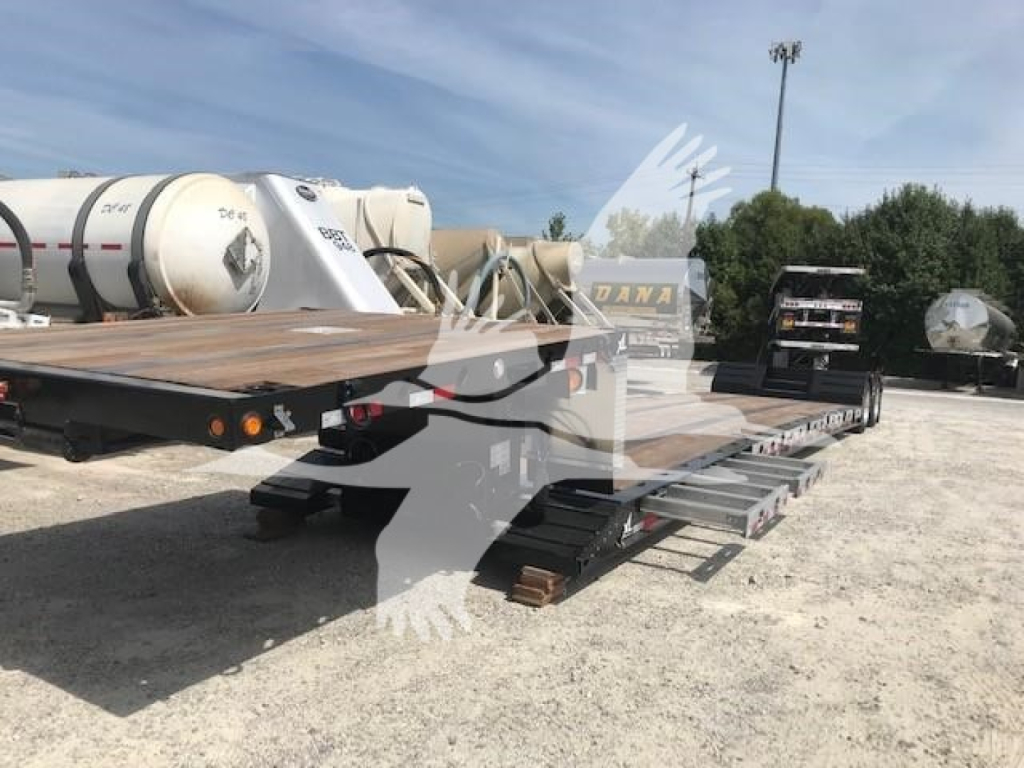
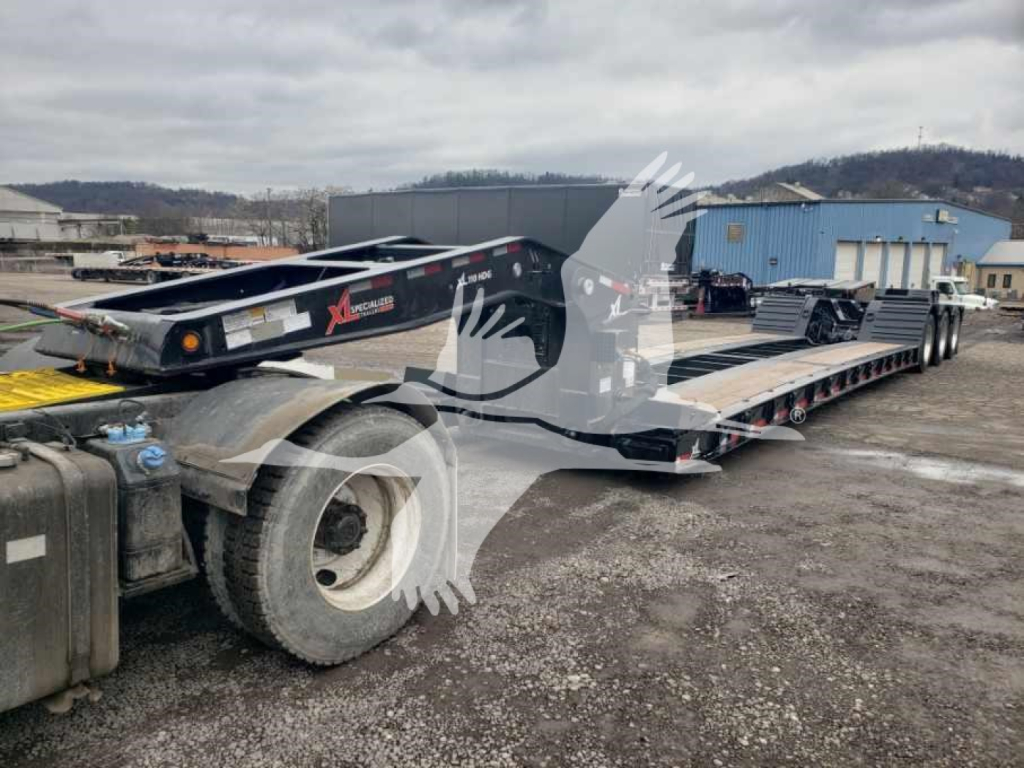
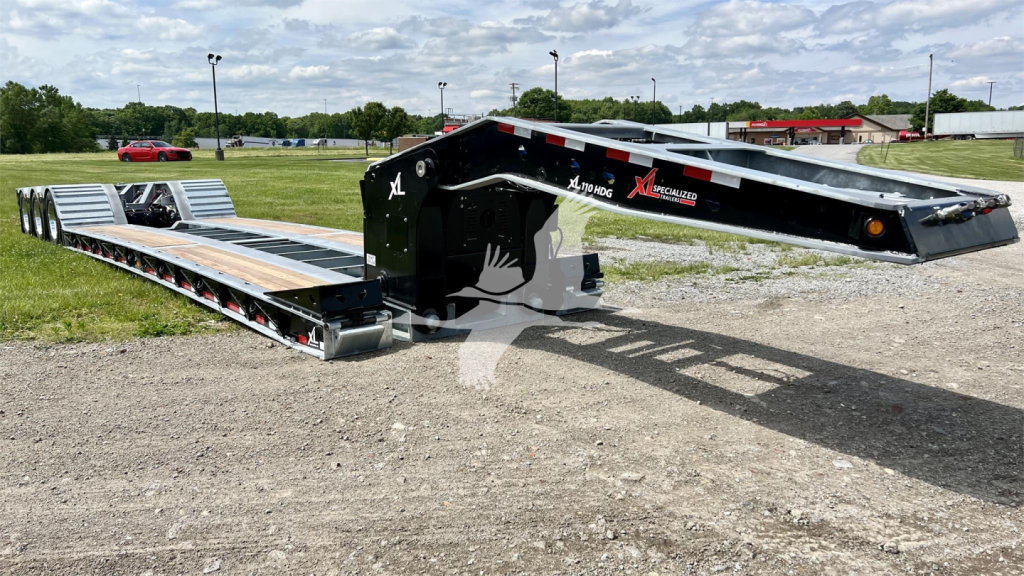
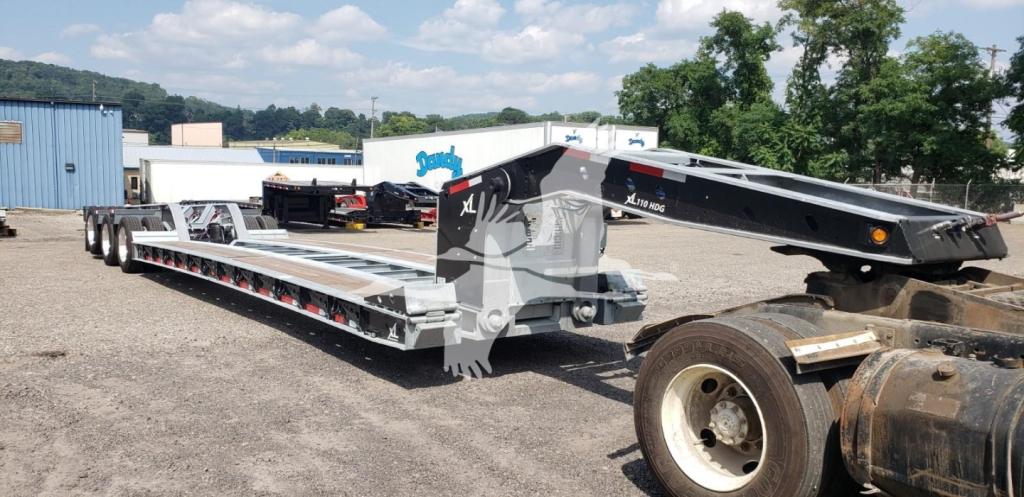
Selling a new 2026 xl specialized trailer? List your new 2026 xl specialized trailer for sale and reach thousands of commercial buyers.
New 2026 XL Specialized Trailers in Ohio
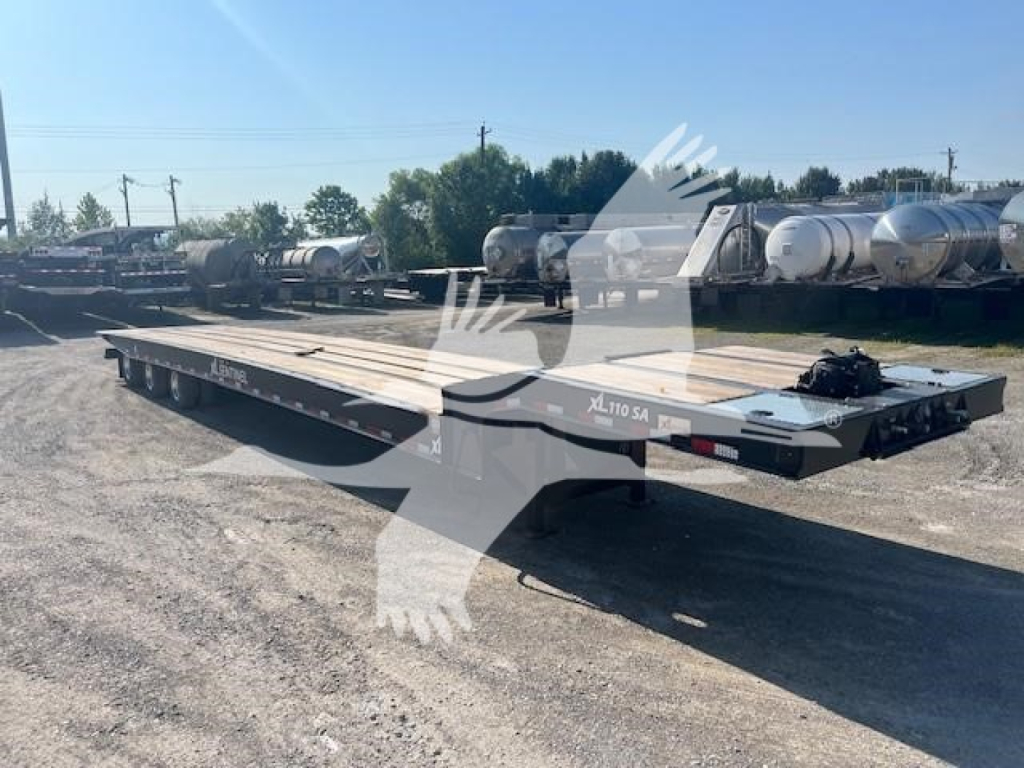
A buyer should pay close attention to deck height, deck length, axle count, and future axle flexibility before comparing price. Many 2026 XL Specialized lowboy trailers in this class run around 53 feet overall, 102 inches wide, with main deck lengths in the mid-20-foot to mid-30-foot range. Loaded deck heights around 15 to 18 inches are common, and that difference can be important when hauling taller machines under bridge and route restrictions. Capacity ratings in the sample units range from 40 ton to 55 ton class, with air ride suspensions, Hendrickson components, 54 to 54.5 inch axle spacing, and flip axle connections or compatibility for added capacity when permit loads demand it. Kingpin settings such as 16 inch or 16 inch and 42 inch options also matter if you are matching the trailer to a specific tractor wheelbase and desired bridge compliance.
Securement and deck construction are just as important as the ton rating. Many XL Specialized trailers use Apitong flooring, fabricated or perimeter-beam side rails, chain drops on close centers, multiple D-rings, swing-out outriggers or aluminum pullouts, and bucket wells or boom troughs for excavator and crane-style loads. Front flip ramps, rear transition details, removable wheel covers, and open wheel areas can all affect how easily a machine loads and how low it can sit in the well. Air lift axles, raise-and-lower valves, manual dump valves, liquid-filled gauges, flag holders, rear receptacles, and battery-backed strobes are not just convenience items. They directly affect loading efficiency, permit readiness, and day-to-day usability in the field.
For Ohio buyers, corrosion protection and year-round durability deserve extra attention. Galvanized finishes can be a strong advantage where trailers see road salt, wet jobsites, and winter storage cycles. Tire size, wheel spec, ground clearance, and crossmember spacing also deserve a hard look if the trailer will spend time on uneven approaches or rough equipment yards. The right 2026 XL Specialized trailer is usually the one that matches your most common machine weights, your permit envelope, and your preferred loading method, while still leaving room for future axle additions or changing freight requirements.
Frequently Asked Questions about New 2026 XL Specialized Trailers in Ohio
What are new 2026 XL Specialized trailers typically used for?
New 2026 XL Specialized trailers are commonly used for hauling heavy construction and industrial equipment, especially machines that benefit from front-loading on a detachable gooseneck lowboy. Typical loads include excavators, bulldozers, loaders, pavers, rollers, cranes, and other oversize equipment with concentrated axle weights. These trailers are built for heavy-haul service where low deck height, strong securement options, and axle flexibility are more important than maximum deck length alone.
What should I look at first when comparing XL Specialized lowboy trailers?
Start with capacity rating, loaded deck height, main deck length, axle configuration, and gooseneck style. Those five items usually determine whether the trailer fits your core freight. After that, compare kingpin settings, swing clearance, ground clearance, and whether the trailer accepts a flip axle or spreader setup. Securement layout is also critical because chain drops, D-rings, outriggers, and bucket wells can make one trailer much more practical for your equipment mix than another with a similar ton rating.
Why does deck height matter on a heavy-haul trailer?
Deck height directly affects legal loaded height, machine stability, and loading geometry. A 15-inch loaded deck can provide meaningful extra room under bridges and utility lines compared with an 18-inch deck, especially when hauling tall excavators or other high-profile equipment. Lower deck height can also improve load stability, but it needs to be balanced against ground clearance for ramps, jobsite entrances, and uneven terrain.
Are flip axle connections important on a new XL Specialized trailer?
Yes, flip axle compatibility is important if you expect to haul loads that may grow in weight or require different permit setups. A trailer with rear flip axle connections or built-in modular compatibility gives more flexibility when state regulations, axle weight distribution, or customer demands change. Even if you do not need the extra axle on every load, having the trailer prepped for it can protect resale value and reduce future upfit costs.
Is a galvanized XL Specialized trailer worth considering in Ohio?
For many Ohio operators, a galvanized trailer is worth serious consideration because it can hold up better against road salt, moisture, and winter grime than a standard painted finish alone. Corrosion resistance matters on lowboys because they see harsh road conditions, mud, and repeated wash cycles around crossmembers, outriggers, and suspension components. A galvanized finish can help preserve structural condition and appearance over time, especially in fleets that run year-round.