
New 2026 XL Specialized Lowboy Trailers For Sale in Ohio
Shop new 2026 XL Specialized lowboy trailers with detachable goosenecks, low deck heights, heavy-haul ratings, and air ride suspensions.
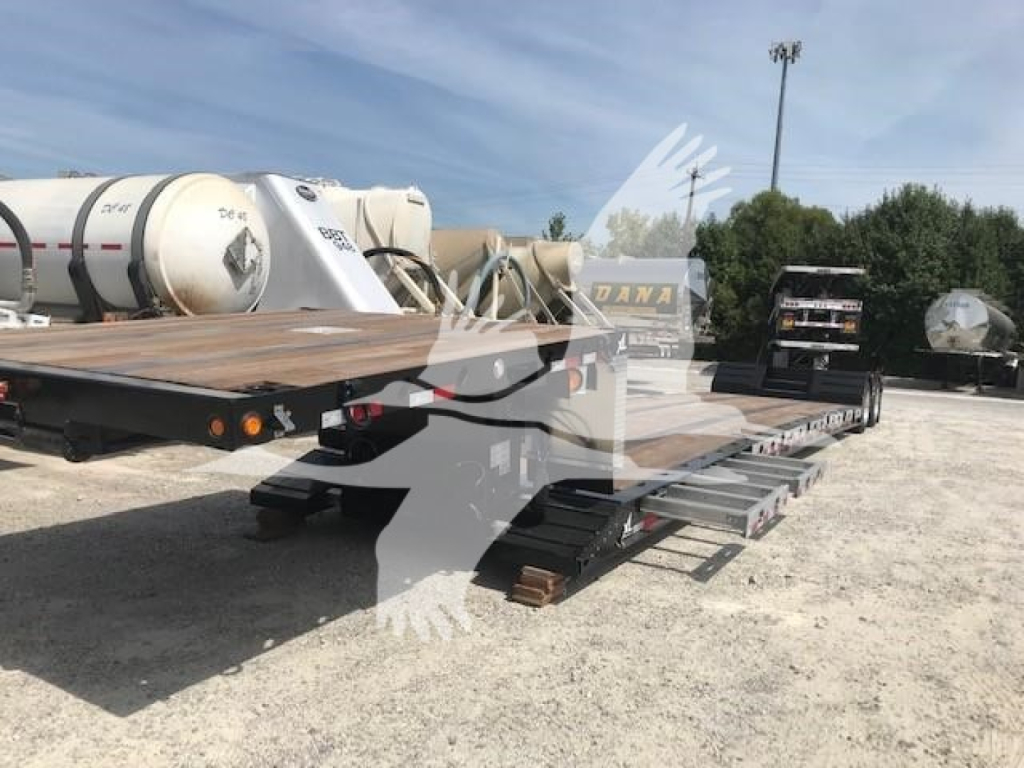
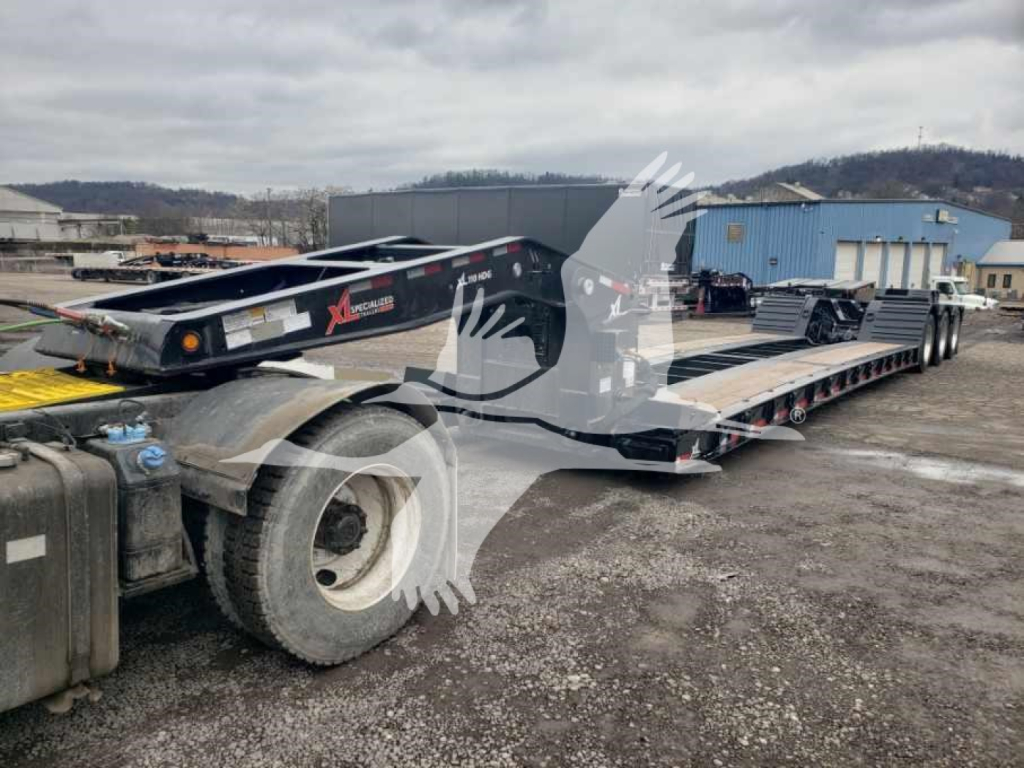
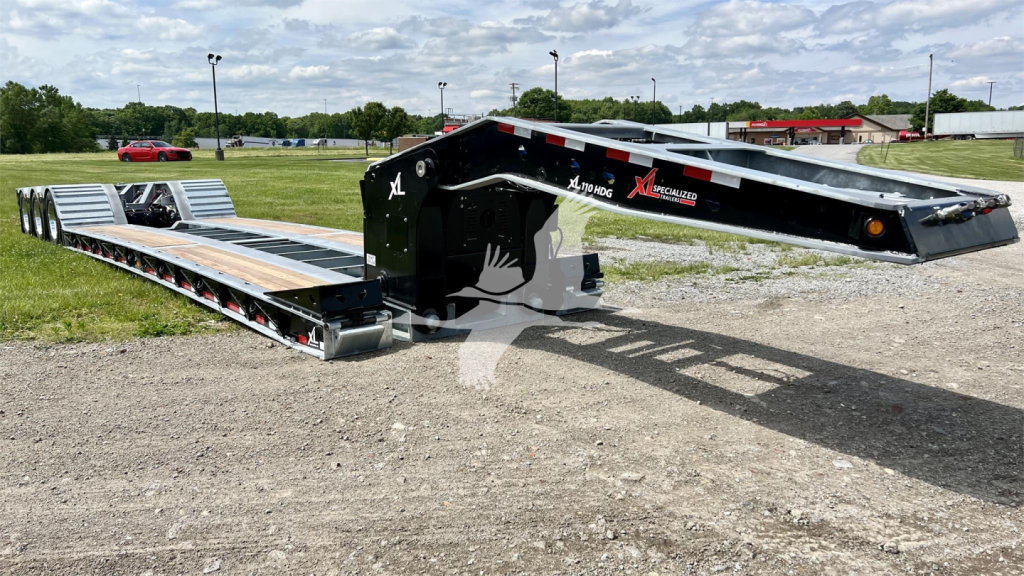
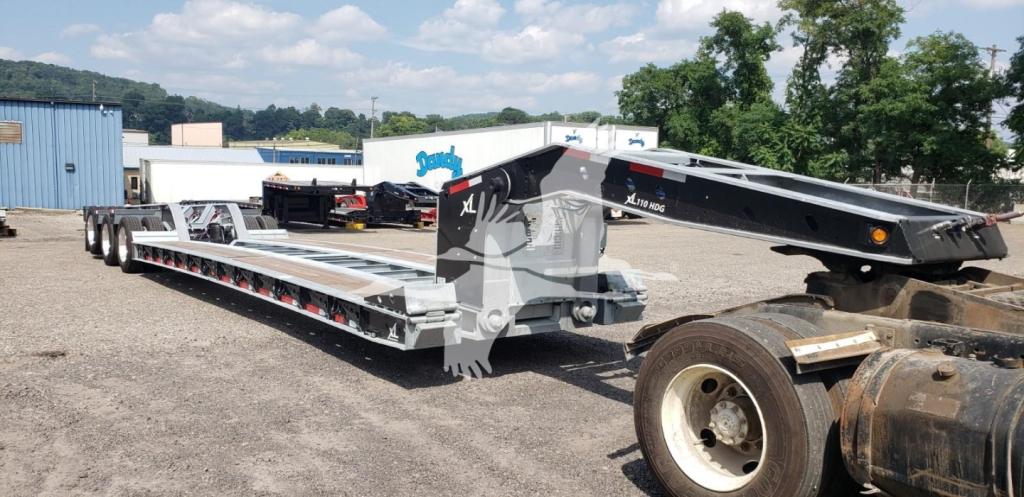
Selling a new 2026 xl specialized lowboy trailer? List your new 2026 xl specialized lowboy trailer for sale and reach thousands of commercial buyers.
New 2026 XL Specialized Lowboy Trailers in Ohio
One of the first decisions is deck configuration. Many 2026 XL Specialized lowboy trailers in this class run around 53 feet overall with 102-inch width, but the real buying point is the loaded deck height and usable main deck length. A 15-inch loaded deck height can be a major advantage when hauling taller equipment and trying to stay legal on bridge and route restrictions, while an 18-inch deck may trade a little height for different frame construction or deck design. Main decks in the mid-20-foot to mid-30-foot range are common, along with rear decks around 9 to 14 feet. Buyers should also compare ground clearance, swing clearance, top deck length, and whether the trailer uses a perimeter beam, fabricated I-beam, or drop-side style layout, because those details affect versatility with mixed fleets and varying machine track widths.
Tie-down and loading features are a big part of value in this equipment class. Common specs on XL Specialized lowboys include Apitong flooring, chain drops on close centers, multiple D-ring layouts, outriggers or aluminum pullouts, front flip ramps, bucket wells, boom troughs, and stake pockets for oversize signage. Hydraulic detachable goosenecks with non-ground-bearing setups are popular because they speed up loading while keeping the trailer easier to work with in the field. Air ride suspension, Hendrickson components, lift axles, manual dump valves, and raise-lower ride height controls are also common on new models. If future flexibility matters, check for flip axle connections, spreader compatibility, and modular rear provisions, since those can expand capacity and bridge law options later.
For buyers operating in Ohio and across the Midwest, axle spacing, kingpin settings, overall empty weight, and axle add-on compatibility deserve close attention. A lighter trailer can help with payload, but structural features like load-bearing wheel covers, crossmember spacing, and side rail construction often matter more on severe-duty jobs. Tire size, wheel spec, lighting package, toolbox placement, and receptacles at the rear may seem secondary, yet they affect daily usability and jobsite efficiency. A well-matched XL Specialized lowboy should fit the dimensions and weight profile of the machines being hauled first, then support permit strategy, loading method, and future axle expansion without forcing compromises every time the load changes.
Frequently Asked Questions about New 2026 XL Specialized Lowboy Trailers in Ohio
What is the main advantage of a lowboy trailer over other heavy equipment trailers?
A lowboy trailer provides a much lower deck height than a standard flatbed or many deckover equipment trailers, which helps haul taller machinery while staying within legal height limits. That lower center of gravity also improves stability with dozers, excavators, pavers, rollers, and tracked machines. For many heavy-haul applications, deck height is the deciding factor because it affects route planning, permits, and the range of machines the trailer can legally move.
What should I compare first on a new 2026 XL Specialized lowboy trailer?
Start with weight rating, loaded deck height, main deck length, and gooseneck style. Those four items determine whether the trailer can carry your actual machines safely and legally. After that, compare axle count, flip axle compatibility, swing clearance, tie-down layout, and empty weight. Buyers often focus on ton rating alone, but a trailer that matches the machine’s footprint, ground clearance, and loading style will usually perform better in day-to-day work.
Why does deck height matter so much on a lowboy?
Deck height directly affects legal loaded height and the types of equipment you can move without routing problems. A 15-inch loaded deck height can make a meaningful difference when hauling taller excavators, articulated machines, or equipment with cabs and attachments that are difficult to remove. Lower deck height can also improve loading confidence and machine stability, but it needs to be balanced against ground clearance for uneven jobsite entrances and rough terrain.
Are hydraulic detachable gooseneck lowboys better for equipment loading?
For many operations, yes. A hydraulic detachable gooseneck lowboy lets the machine load from the front with a shallower angle than many rear ramp setups, which is especially useful for low-clearance, tracked, or high-center-of-gravity equipment. It can also reduce loading time and improve consistency for operators who load frequently. The right choice still depends on the machines being hauled, available tractors, and whether field loading conditions favor a non-ground-bearing neck or another neck configuration.
What features help future-proof a lowboy trailer purchase?
Flip axle connections, spreader bar compatibility, strong tie-down packages, quality suspension components, and a versatile deck layout all help extend the trailer’s usefulness. Buyers should also look at kingpin settings, axle spacing, removable wheel area features, and whether the trailer has the structural build for heavier or more concentrated loads later. A lowboy that can adapt to permit requirements and different equipment classes usually holds value better and fits a broader range of hauling work over time.