
New XL Specialized Lowboy Trailers For Sale
Shop new XL Specialized lowboy trailers built for heavy haul work, with hydraulic detachable goosenecks, low deck heights, and flip axle options.
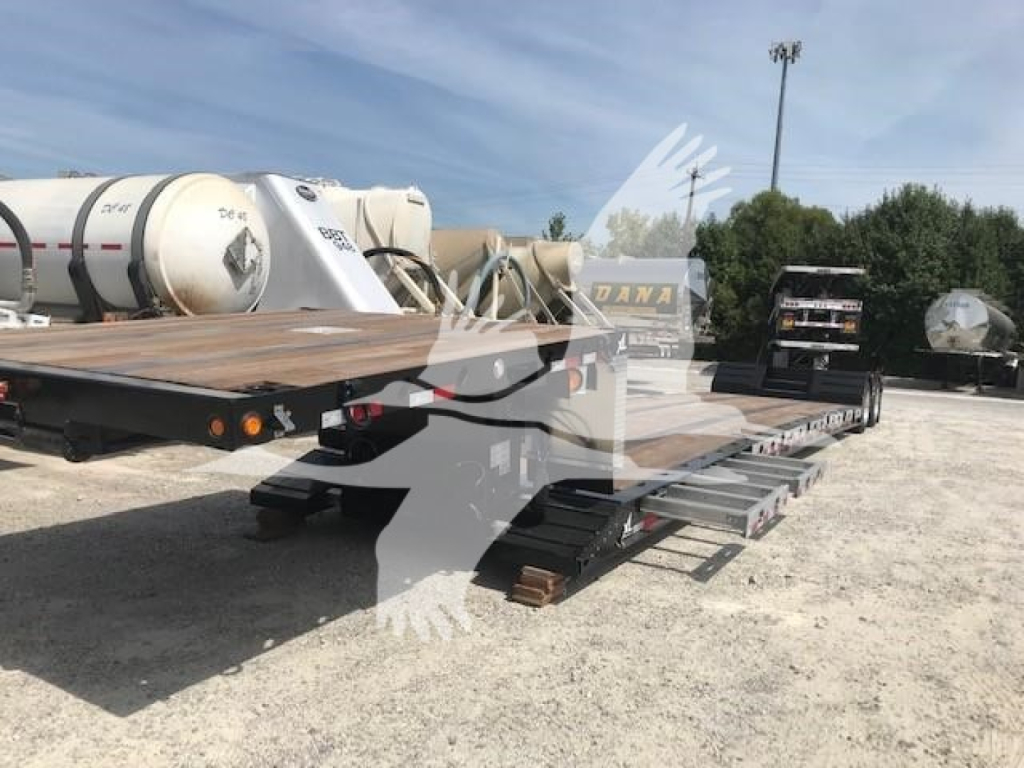
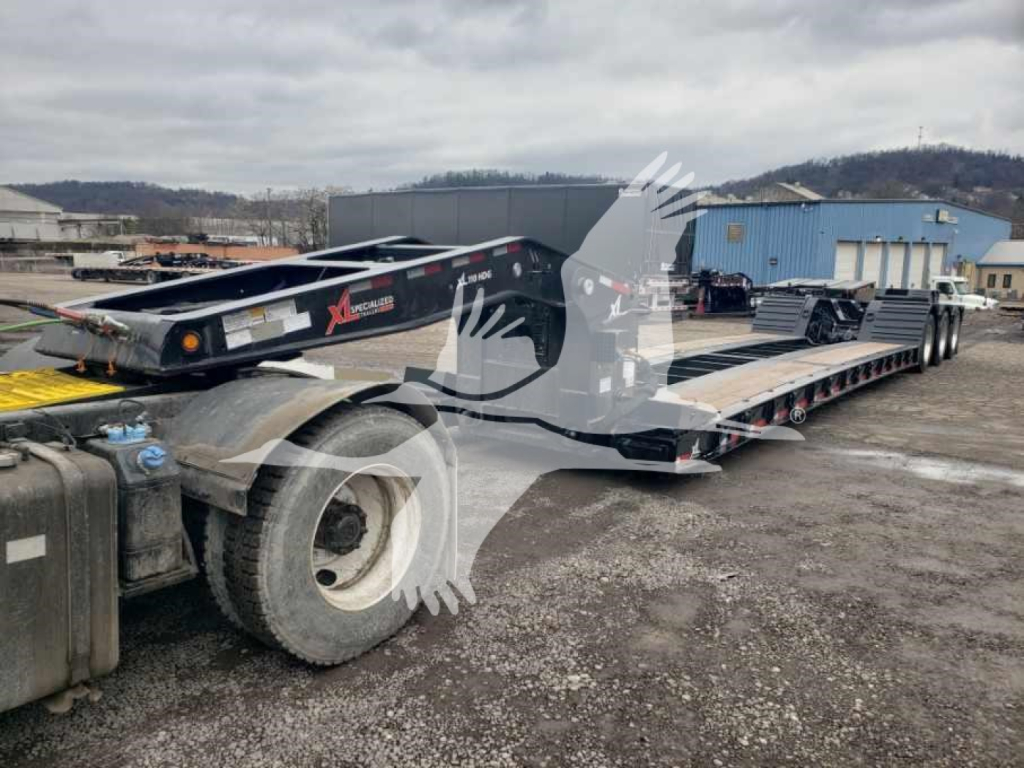
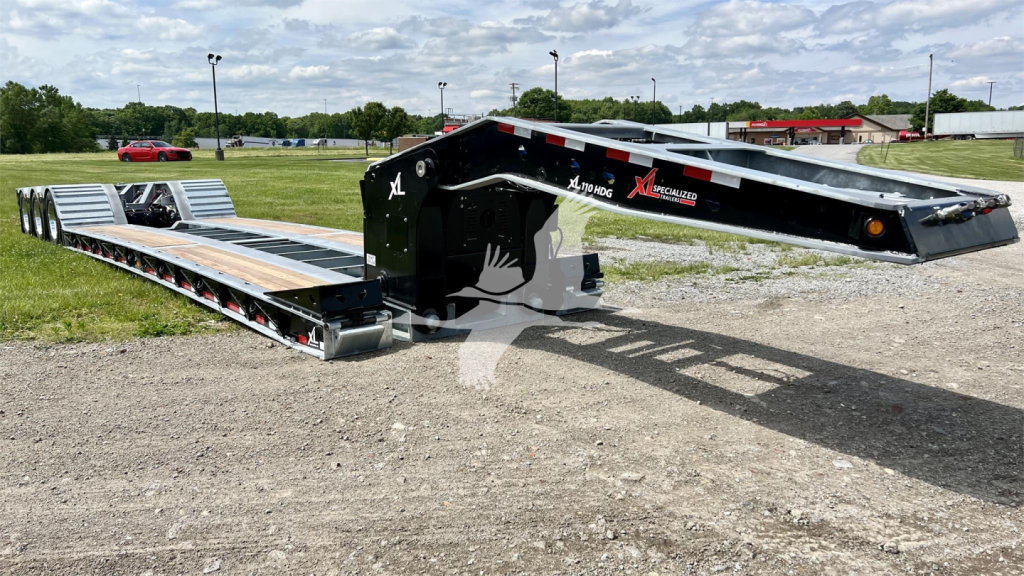
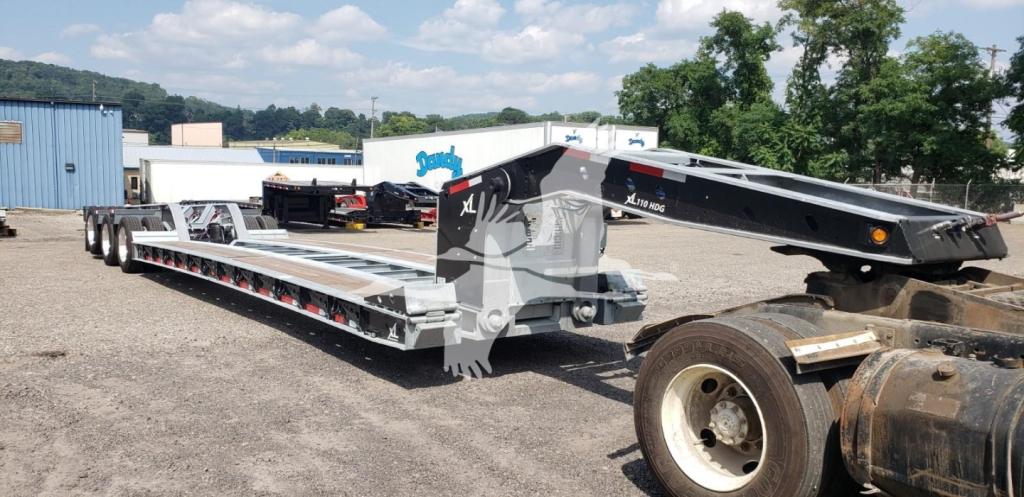
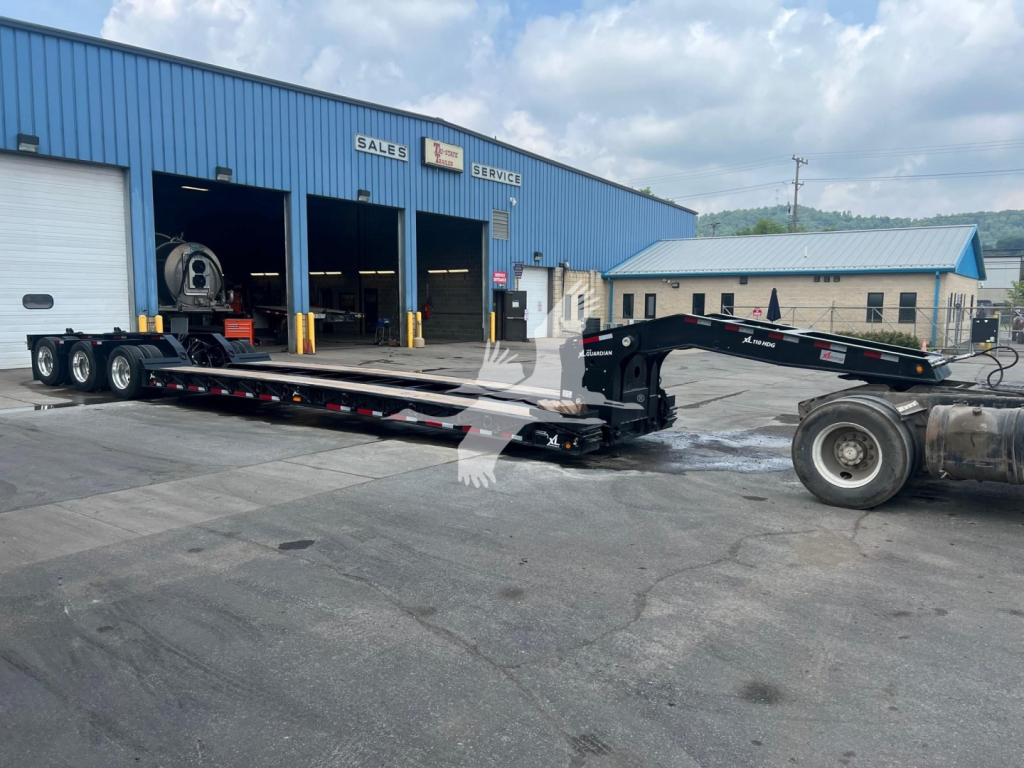
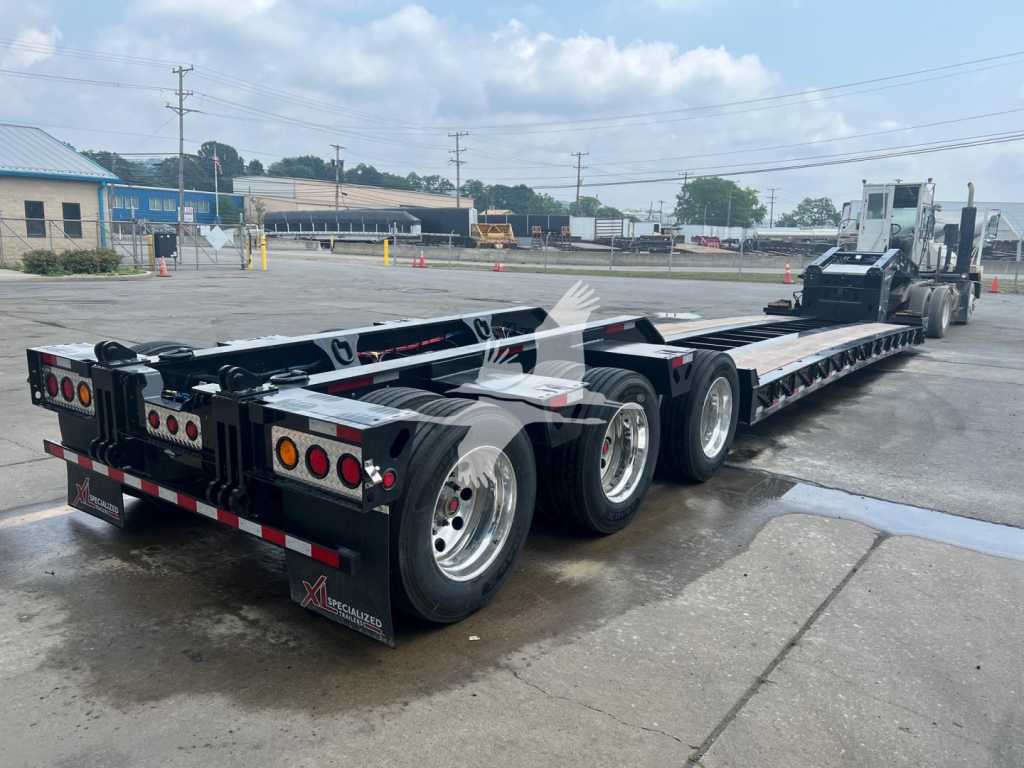
Selling a new xl specialized lowboy trailer? List your new xl specialized lowboy trailer for sale and reach thousands of commercial buyers.
New XL Specialized Lowboy Trailers
A lot of the buying decision comes down to how the trailer will be loaded and what permits look like in your operating states. Common specs in this group include 53-foot overall length, 102-inch width, 3-axle configurations, air ride suspension, and hydraulic detachable non-ground-bearing goosenecks. Loaded deck heights can vary meaningfully, with some models built around very low 15-inch loaded deck height designs and others closer to 18 to 20 inches depending on frame style and application. That difference matters when you are hauling excavators, dozers, pavers, crushers, or other equipment where every inch of loaded height affects route planning and permit costs. Kingpin settings, loaded fifth wheel height, swing clearance, and axle spacing should all be checked against the tractors in your fleet.
XL Specialized lowboys are also known for useful heavy haul details that buyers look for beyond the headline ton rating. Features commonly seen in this class include Apitong flooring, raised center-open deck layouts, perimeter or fabricated I-beam side rails, swing-out outriggers, multiple D-ring pairs, chain drops on close centers, bucket wells, boom troughs, front flip ramps, and air lift rear axles. Many are built to accept a flip axle, a fourth axle, or a neck extension, which gives the trailer more flexibility as load profiles change. If your freight mix includes machines with wider tracks, long booms, or uneven weight distribution, securement points and deck configuration are just as important as the published capacity rating.
For buyers comparing new XL Specialized lowboy trailers, the practical questions are capacity in the loaded deck area, how the trailer scales in your states, and how easily it can be configured for future work. A 55-ton lowboy and an 80,000-pound distributed-capacity trailer can serve very different operations even if the overall length looks similar on paper. Look closely at deck length in the well, rear deck length, crossmember spacing, tire size, suspension brand, and whether the rear is already prepped for a flip axle. Corrosion protection can matter too, especially for northern fleets, with some configurations offering galvanized construction for longer-term durability. Buyers who match deck height, detachable neck setup, and axle expandability to the actual equipment they haul usually get the best long-term value from this category.
Frequently Asked Questions about New XL Specialized Lowboy Trailers
What is the main advantage of an XL Specialized lowboy trailer?
The main advantage is low deck height combined with heavy haul construction. That lets operators move taller equipment with better loaded stability and a better chance of staying within legal height limits. XL Specialized lowboys are also widely recognized for hydraulic detachable goosenecks, practical securement layouts, and rear frame designs that can often be expanded with flip axles or other axle configurations.
How do I choose between a 15-inch, 18-inch, or 20-inch loaded deck height?
Choose deck height based on the actual machines you haul and the roads and permit rules you run under. A lower loaded deck height helps with excavators, dozers, and other tall machinery because it preserves legal overall height and lowers the center of gravity. A slightly taller deck may still be the right choice if it comes with the frame design, suspension setup, or load flexibility your operation needs. Buyers should compare loaded height with real equipment dimensions, not just trailer specs by themselves.
Why does flip axle compatibility matter on a new lowboy trailer?
Flip axle compatibility gives the trailer room to grow with heavier or more concentrated loads. A trailer that is already designed to accept a flip axle, spreader bar, or additional axle can be more useful across different jobs and permit requirements. Even if the flip axle is not included initially, having the trailer prepped for it can reduce future modification costs and improve resale appeal in the heavy haul market.
What equipment is commonly hauled on a lowboy trailer?
Lowboy trailers are commonly used for excavators, bulldozers, wheel loaders, backhoes, pavers, rollers, milling machines, cranes, and other construction or industrial equipment that is too tall or too heavy for a standard flatbed. The detachable gooseneck design also makes loading easier for many tracked or self-propelled machines because the equipment can be driven onto the deck from the front.
What specs matter most when comparing new XL Specialized lowboy trailers for sale?
The most important specs are deck height, capacity rating in the well, usable deck length, axle count, rear bogie configuration, and detachable gooseneck type. After that, look at kingpin settings, loaded fifth wheel height, swing clearance, flip axle prep, suspension brand, tire size, and securement details like D-rings, chain drops, and outriggers. Those details have a direct effect on compatibility with your tractor, legal scaling, loading method, and day-to-day usability.