
New XL Specialized Lowboy Trailers For Sale in Ohio
Shop new XL Specialized lowboy trailers in Ohio. Compare 40 to 55 ton detachable models built for heavy equipment and oversize hauling.
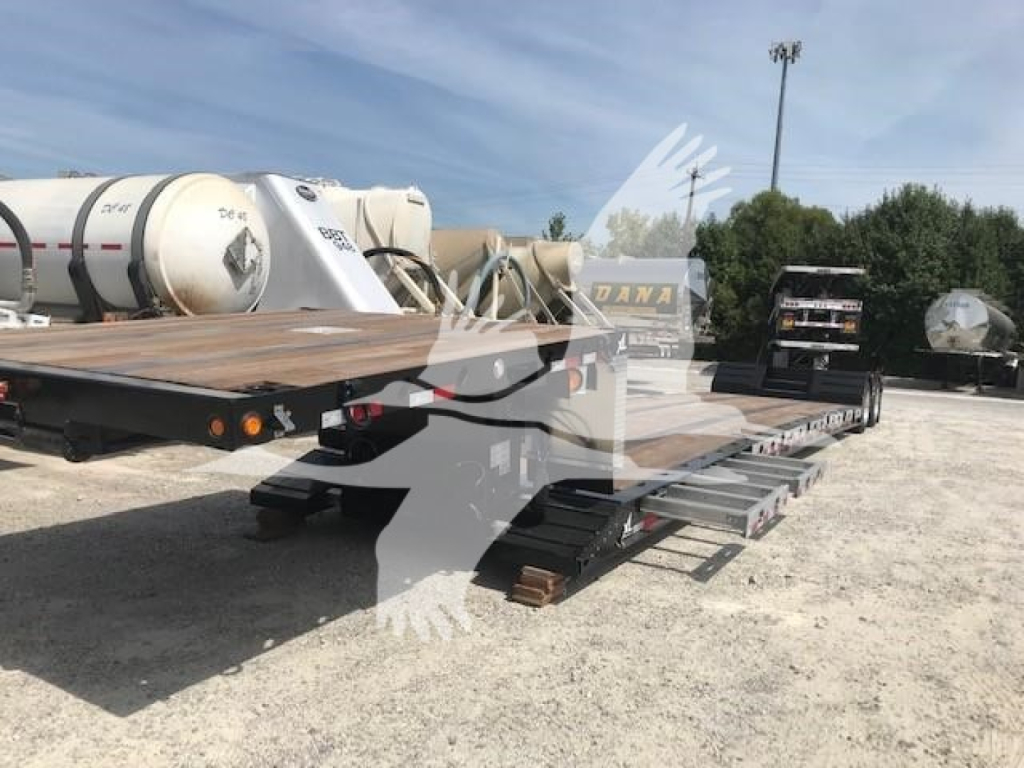
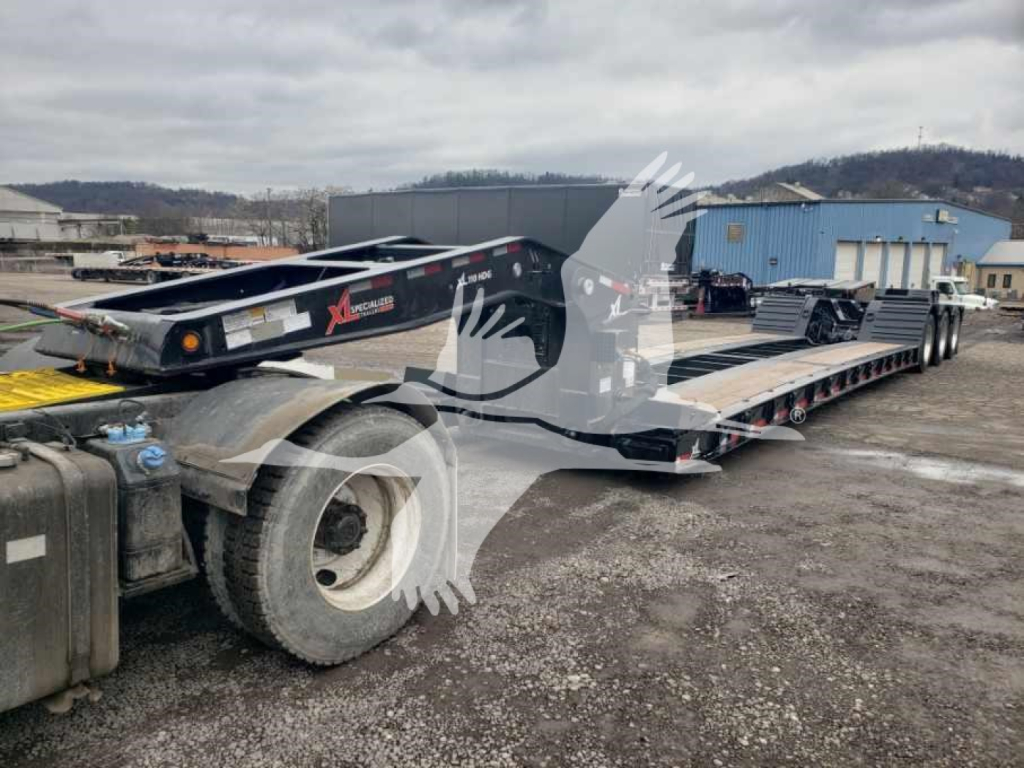
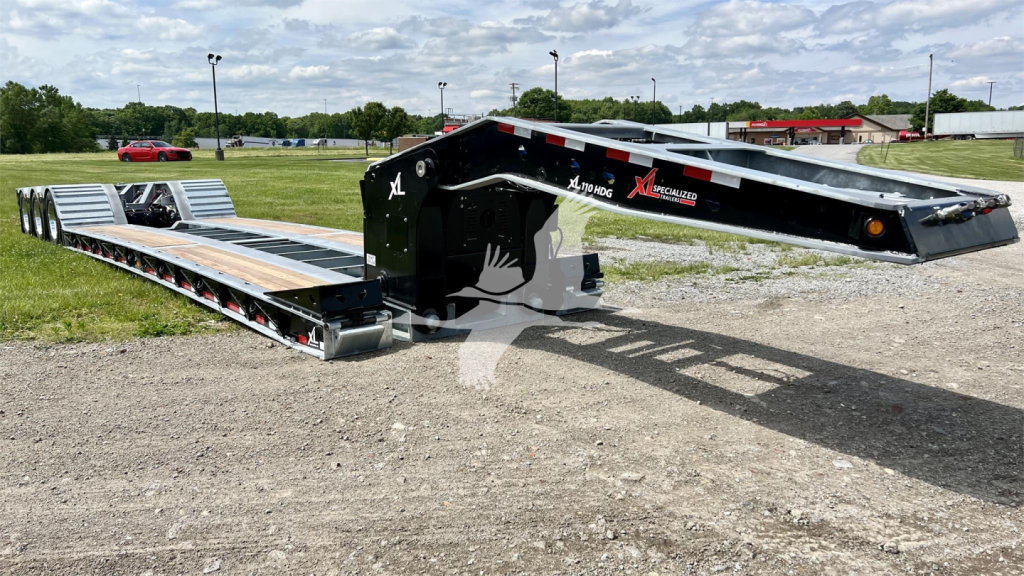
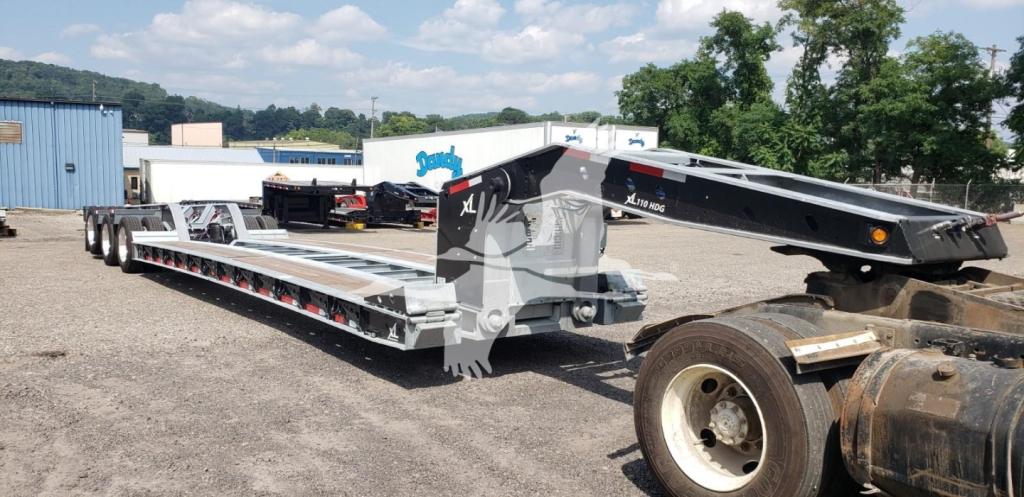
Selling a new xl specialized lowboy trailer? List your new xl specialized lowboy trailer for sale and reach thousands of commercial buyers.
New XL Specialized Lowboy Trailers in Ohio
A key buying decision is how low you need the deck and how much flexibility you want in the main deck. Some XL Specialized lowboys use a perimeter beam layout with a very low loaded deck height and strong ground clearance balance, which helps when hauling taller machines. Others use fabricated I-beam or open-center deck configurations that improve versatility for different track widths, attachments, or concentrated weight points. Common construction details include Apitong flooring, 12-inch alternating crossmember centers or heavier beam packages, swing-out outriggers or aluminum pullouts, multiple D-rings, chain drops, bucket wells, and rear receptacles for accessories or lighting. Buyers comparing listings should look closely at deck length, loaded ground clearance, swing clearance, and tie-down layout because those details affect day-to-day usability more than the ton rating alone.
Running gear matters just as much as the deck. Many new XL Specialized lowboy trailers in this class are set up with 2-axle or 3-axle air ride suspensions, often Hendrickson, with rear lift axles, manual dump valves, raise-and-lower ride height controls, and flip axle connections for future capacity or bridge compliance needs. Kingpin settings such as 16-inch or 16-inch and 42-inch positions can affect tractor compatibility and weight distribution, especially if the trailer will be paired with different wheelbase trucks. Tire sizes like 255/70R22.5 or 275/70R22.5 are common, along with aluminum outer and steel inner wheel combinations. If the job mix includes permitting and oversize work across Ohio or neighboring states, it is worth checking axle spacing, gooseneck ride height positions, and whether the trailer accepts a flip axle or spreader setup.
Buyers should also pay attention to finish and corrosion resistance. Galvanized XL Specialized lowboy trailers can be attractive for fleets operating in Ohio where road salt and winter exposure shorten paint life. Other practical details that add value over time include load-bearing wheel covers, open boom troughs, full-width necks, front flip ramps, pullout lighting, lockable toolboxes, work lights on the gooseneck, and wide-load sign stake pockets. A well-matched lowboy is not just about maximum rating on paper. It is about matching deck profile, detachable neck style, tie-down package, axle options, and serviceability to the exact machines and routes the trailer will handle.
Frequently Asked Questions about New XL Specialized Lowboy Trailers in Ohio
What is the difference between a lowboy trailer and an RGN trailer?
A lowboy is the general equipment class, and an RGN, or removable gooseneck, is one of the most common lowboy configurations. With an RGN, the hydraulic detachable gooseneck disconnects so equipment can be driven onto the deck from the front. That makes loading easier for tracked and self-propelled machines and reduces the need for steep rear loading angles. Many new XL Specialized lowboys in this category are hydraulic detachable models.
What capacity range is common for new XL Specialized lowboy trailers?
A common range in this category is roughly 40 ton to 55 ton, but the real buying decision goes beyond the headline rating. Buyers should confirm where the trailer carries that capacity, such as distributed across the deck or concentrated in a shorter section like 12 or 16 feet. Axle count, flip axle compatibility, deck construction, and state bridge rules all affect what the trailer can legally and practically haul.
Why does deck height matter on a lowboy trailer?
Deck height directly affects legal loaded height, center of gravity, and loading practicality. A 15-inch loaded deck height gives more room for taller machines before reaching route height limits, while an 18-inch deck may offer different structural or deck layout advantages depending on the model. For contractors hauling excavators with tall cabs, forestry equipment, or machines with fixed attachments, a lower deck can be the difference between a routine haul and a permitted move.
Should I choose a 2-axle or 3-axle lowboy trailer?
That depends on the weight of the machines, the axle group on the tractor, and the states where the trailer will run. A 2-axle trailer can be a good fit for lighter equipment and simpler operating costs, while a 3-axle setup usually gives more flexibility for heavier loads and can position the trailer better for future flip axle additions. Buyers hauling across Ohio and surrounding states should review bridge formulas, permit practices, and the exact axle spacing on both tractor and trailer before deciding.
Are galvanized lowboy trailers worth considering in Ohio?
For many buyers, yes. Ohio winters, road salt, and year-round exposure can be hard on painted steel trailers. A galvanized finish can improve corrosion resistance, reduce long-term cosmetic deterioration, and help preserve value in severe service. It does not replace regular inspection and maintenance, but it can be a practical advantage for fleets that keep trailers for years and run in harsh weather.